The Morrill Act
On July 2, 1862, the Morrill Act was signed into law, promoting a new direction for American education. The act encouraged the creation of land-grant colleges that offered study in agriculture, science, and engineering.


On July 2, 1862, the Morrill Act was signed into law, promoting a new direction for American education. The act encouraged the creation of land-grant colleges that offered study in agriculture, science, and engineering.
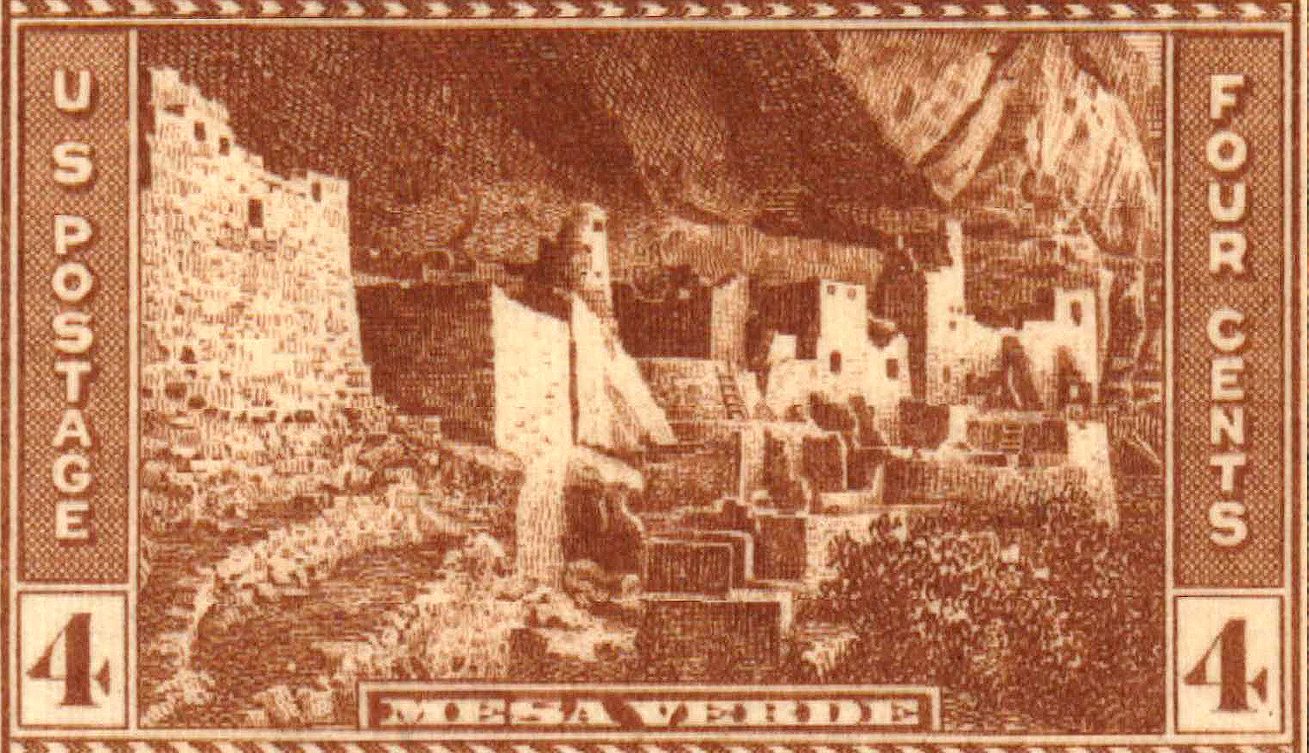
On June 29, 1906, President Theodore Roosevelt established Mesa Verde National Park, the first American park created to “preserve the works of man.” It’s since been called “the best cultural attraction” in the Western United States.

On June 26, 1934, President Franklin D. Roosevelt signed the National Firearms Act of 1934 into law. The act placed a tax on the manufacture and transfer of certain firearms, with new stamps being produced to show the tax had been paid.

On June 19, 1910, one of the first Father’s Day celebrations was held at the YMCA in Spokane, Washington. It would be another 62 years before it was made a permanent national holiday.
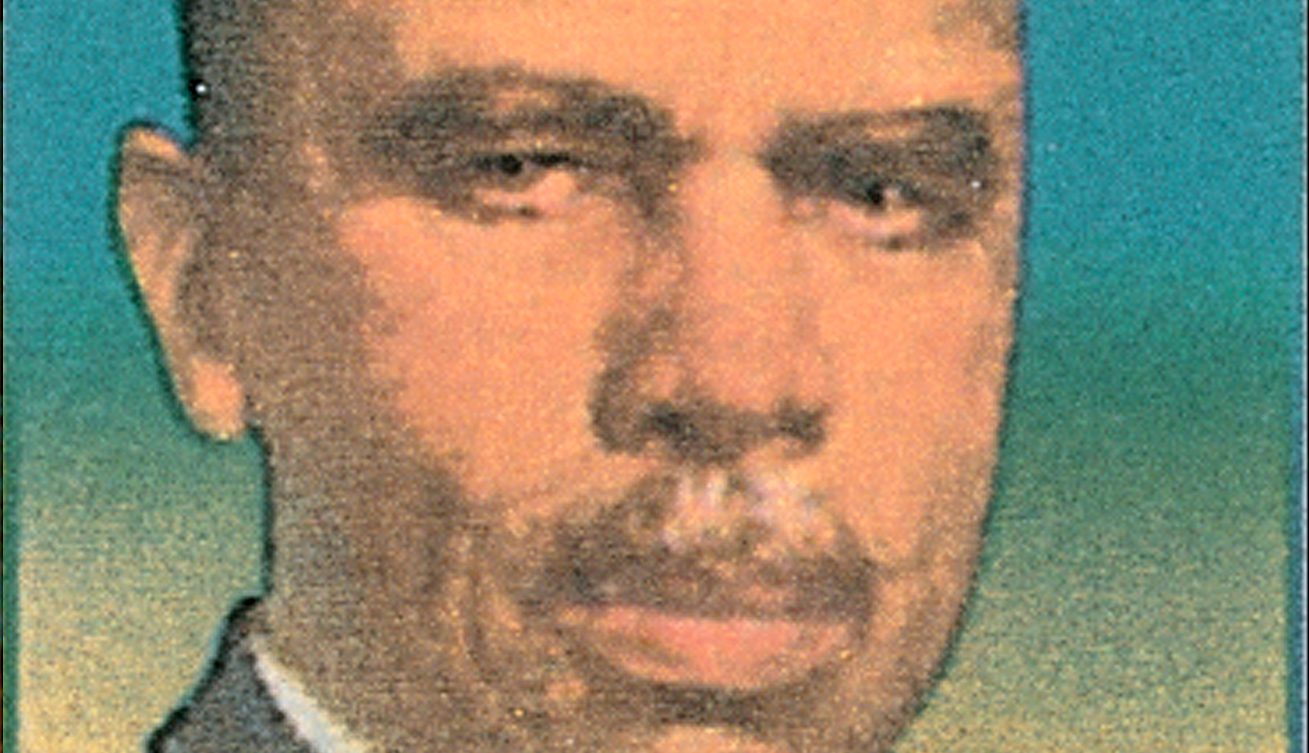
James Weldon Johnson was born on June 17, 1871, in Jacksonville, Florida. A poet, songwriter, diplomat, and activist, he was the first African American executive secretary of the NAACP.
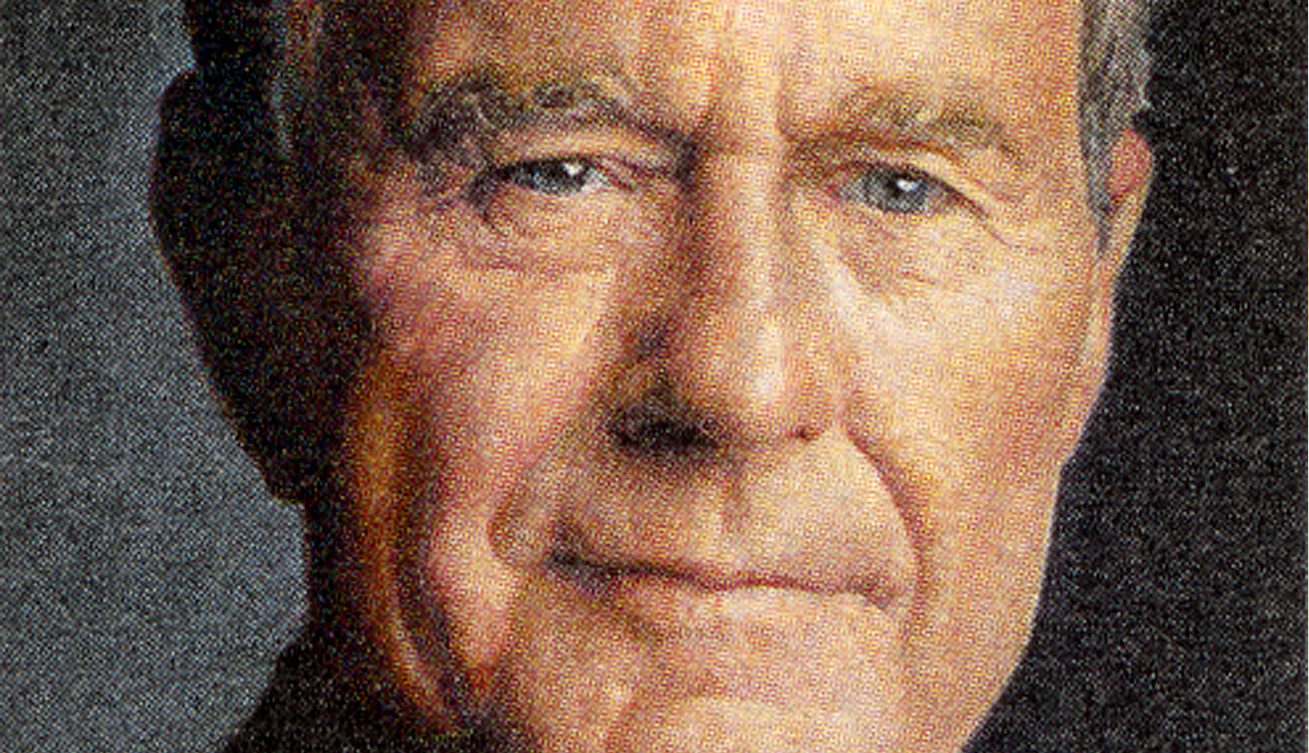
George Herbert Walker Bush was born on June 12, 1924, in Milton, Massachusetts. As America’s 41st president, he led the US through conflicts in Panama and Iraq, helped bring about the end of the Soviet Union, and negotiated treaties to reduce the number of global nuclear weapons. At home, Bush fought against rising drug use and cracked down on the drug trade.
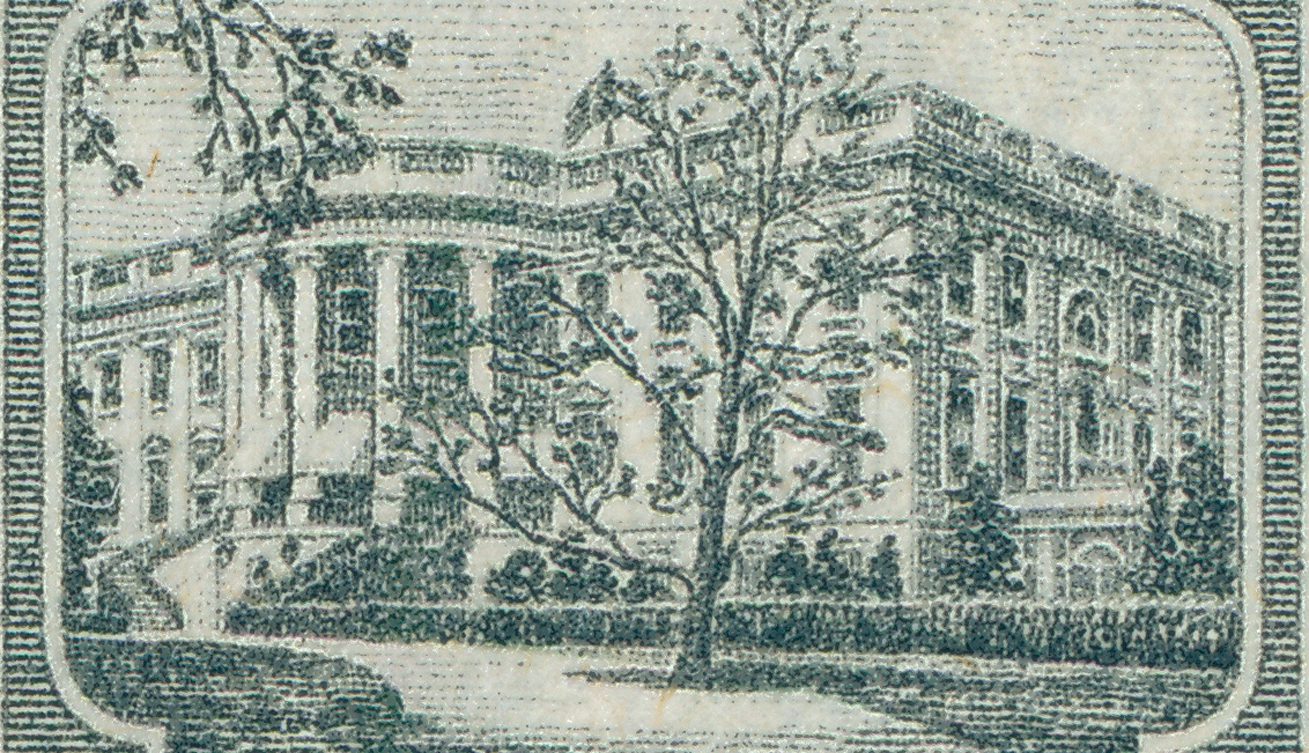
On June 2, 1886, President Grover Cleveland married Frances Folsom in the White House, making him the only US president to be married in the executive mansion.
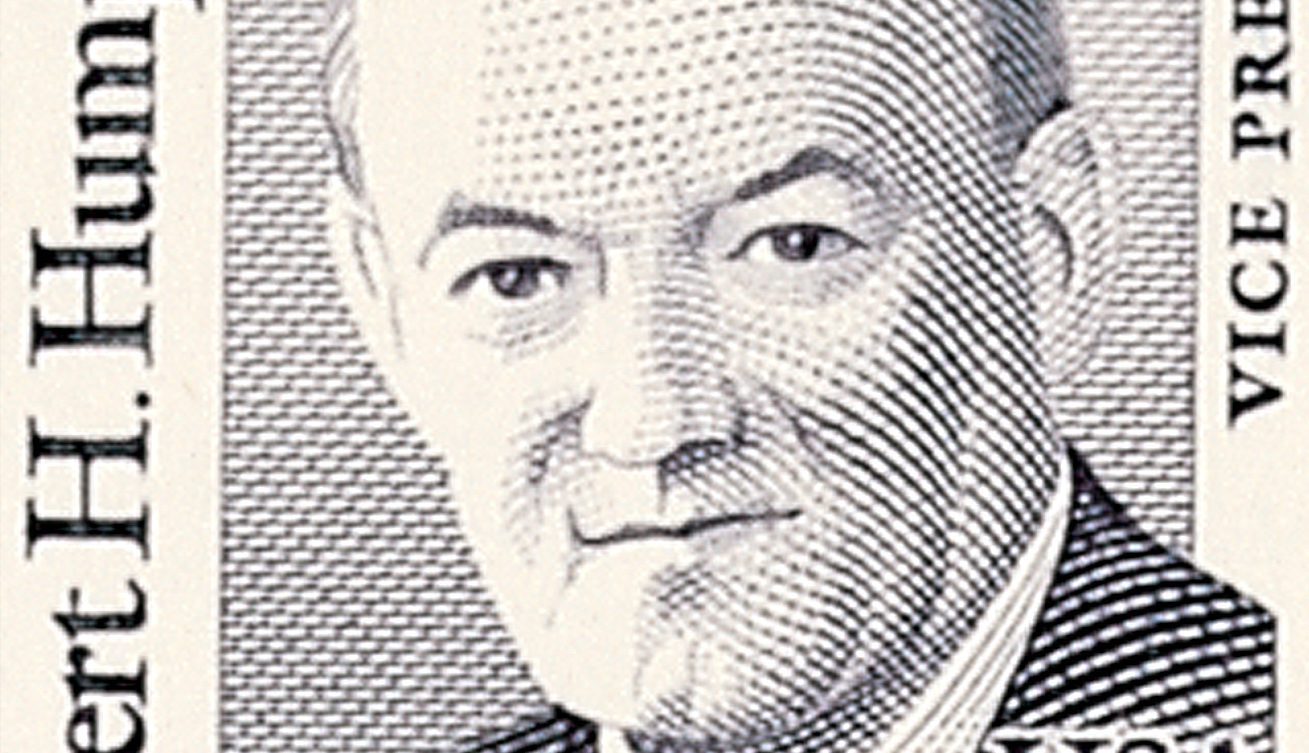
Hubert Horatio Humphrey Jr. was born on May 27, 1911, in Wallace, South Dakota. He was a leading political figure in the mid-1900s, promoting the Civil Rights Act, Voting Rights Act, and more.
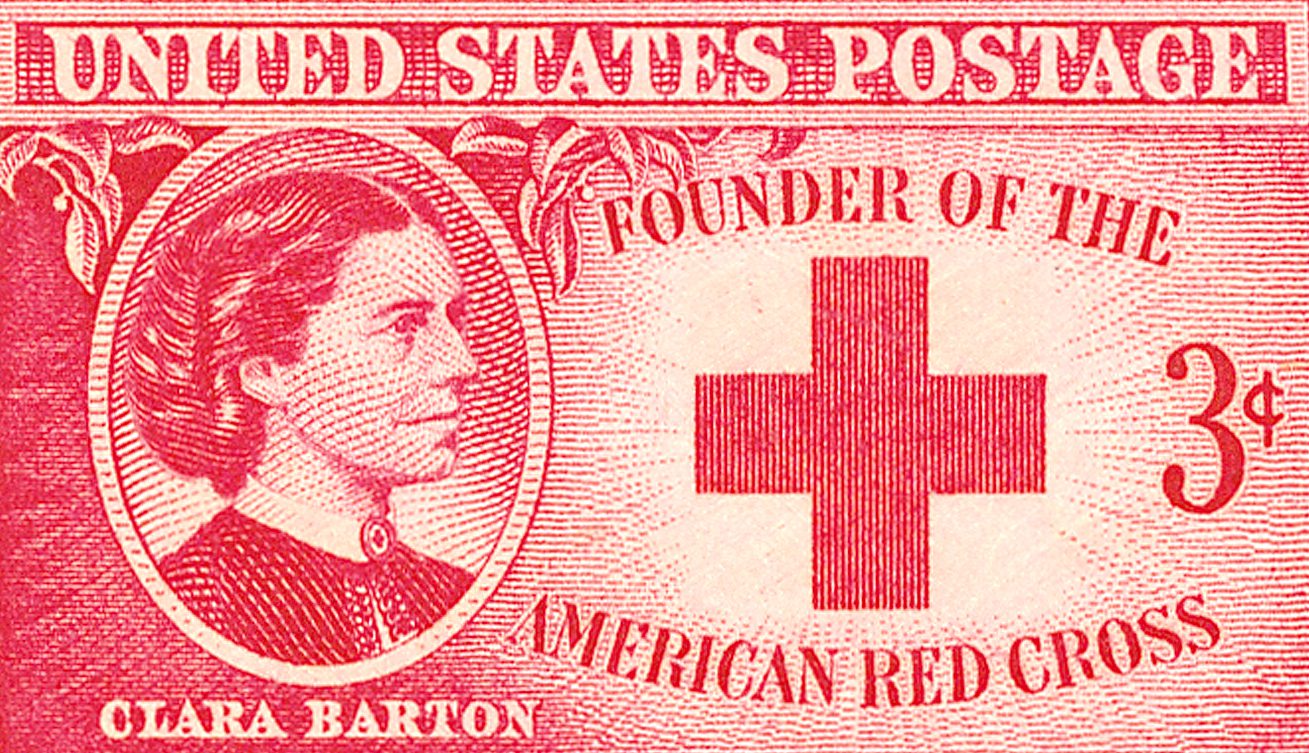
On May 21, 1881, Clara Barton established the American Red Cross. With locations in every US state and territory, it’s grown to become one of the most recognizable crisis response organizations in the country.