Creation of the Veterans Administration
On July 21, 1930, President Hoover signed legislation forming the Veterans Administration, often called simply, the VA.

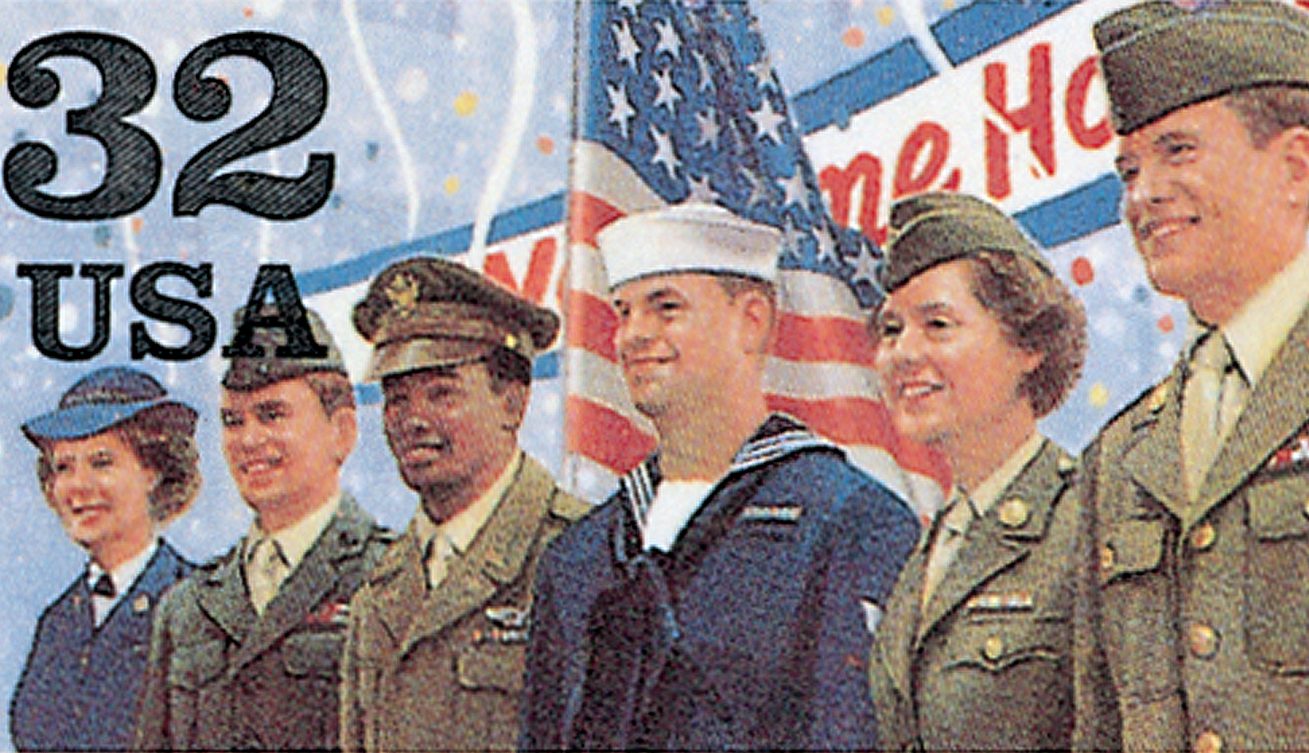
On July 21, 1930, President Hoover signed legislation forming the Veterans Administration, often called simply, the VA.
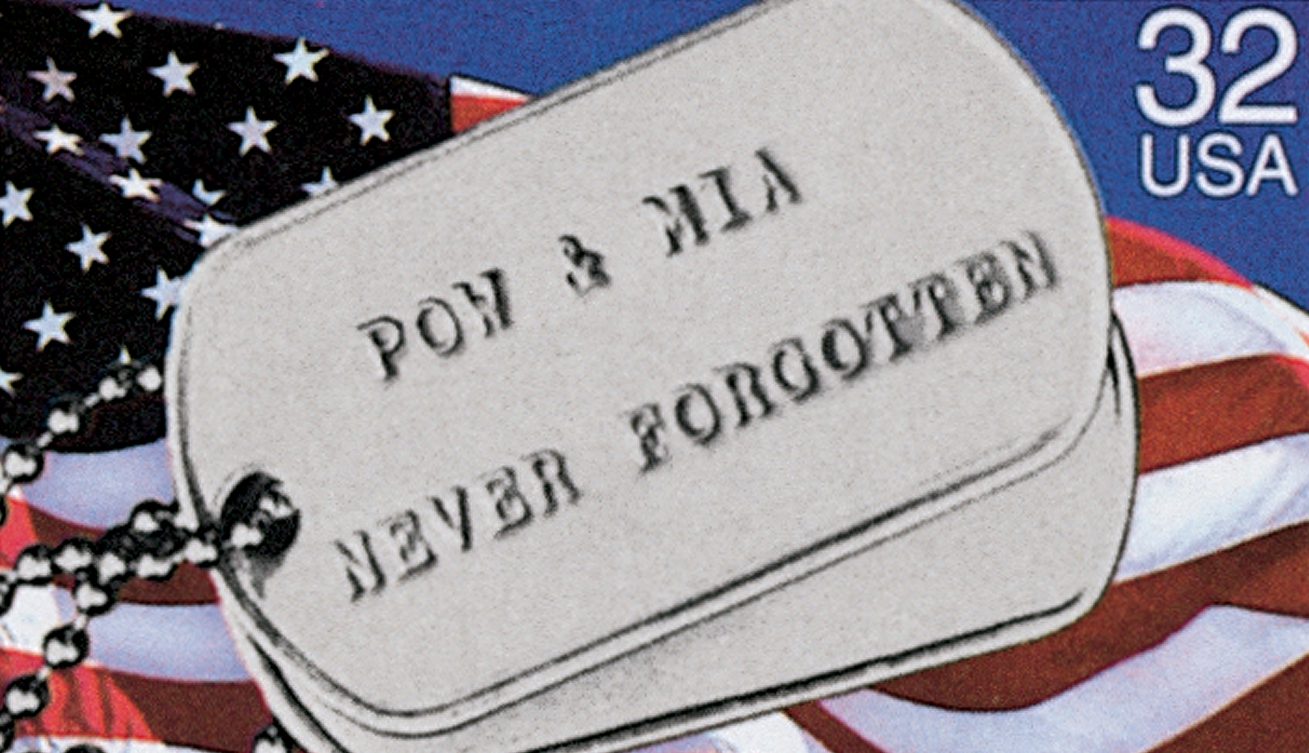
On July 18, 1979, the first National POW/MIA Recognition Day was observed. It’s a day to honor past and present POW/MIAs, rededicate efforts to bring them home, and care for the families still waiting on their return home.
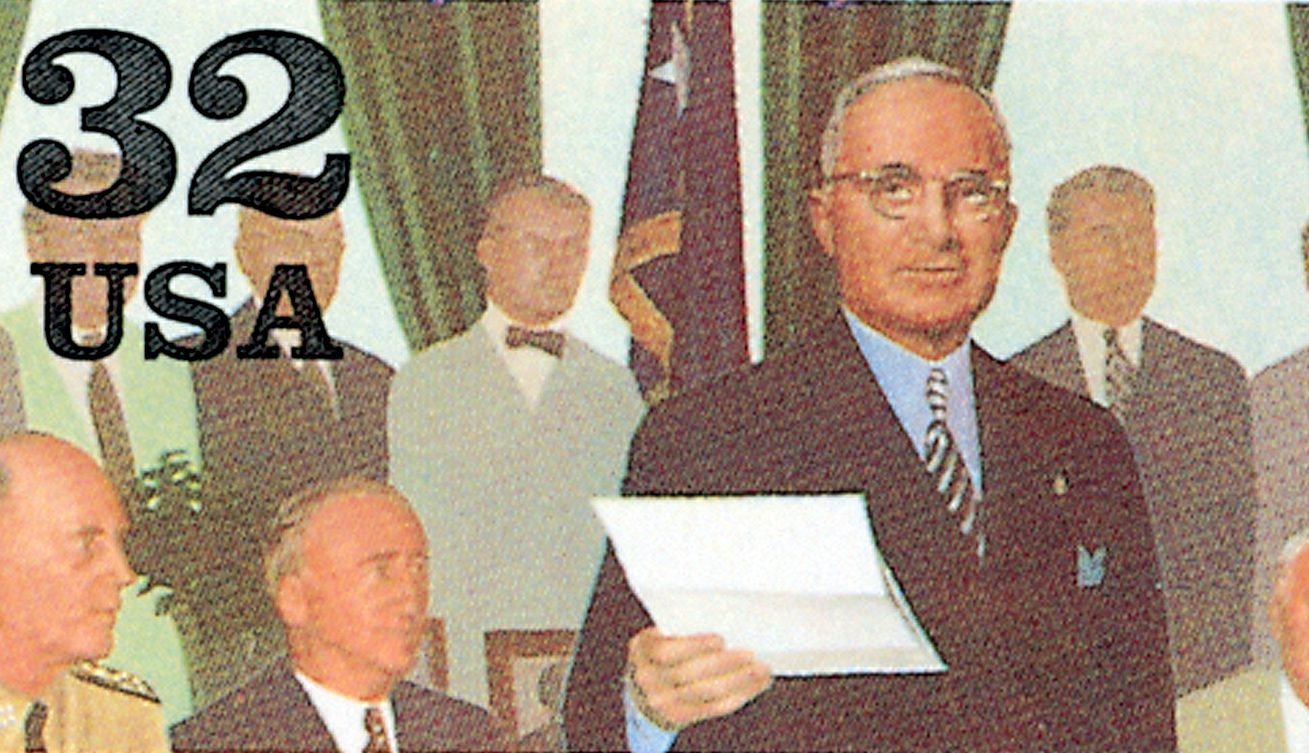
On July 16, 1945, members of America’s Manhattan Project held their first successful test of the atom bomb in Alamogordo, New Mexico.
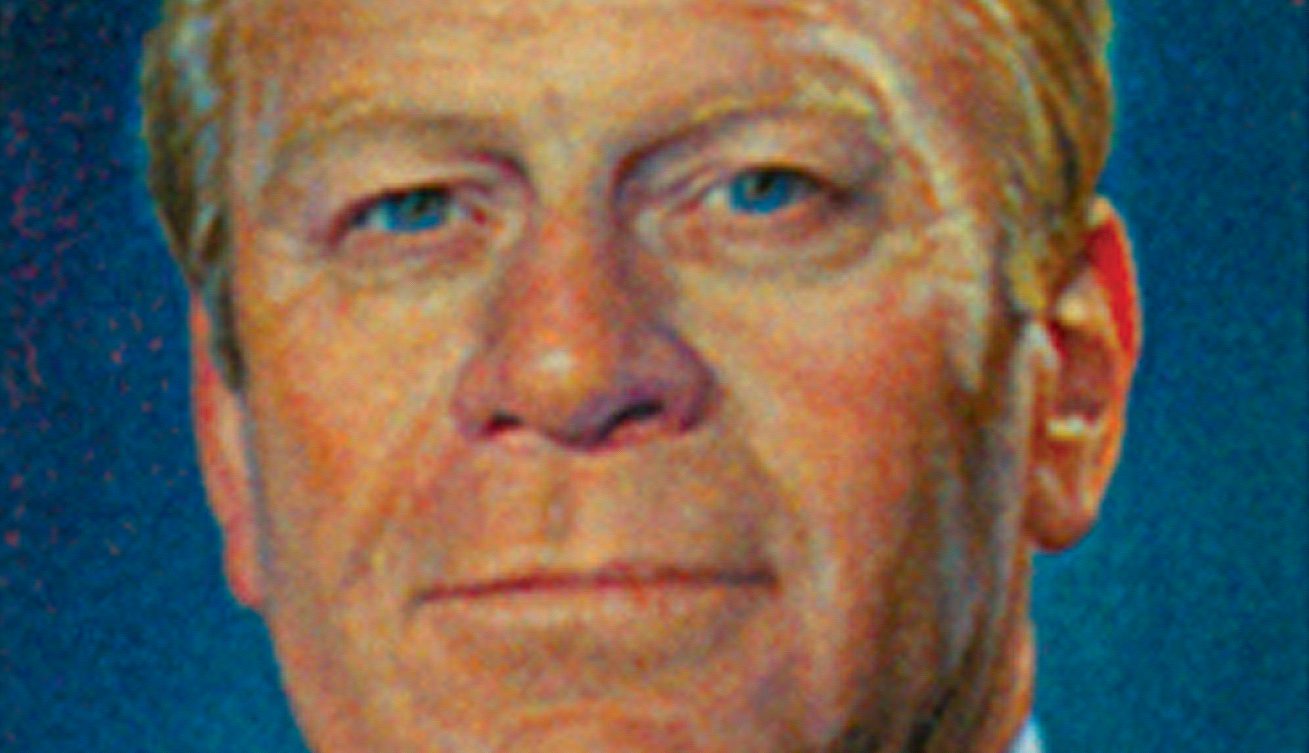
Leslie Lynch King Jr., better known as Gerald Rudolph Ford, was born on July 14, 1913, in Omaha, Nebraska. He was the only US president not elected to the presidency or vice presidency.
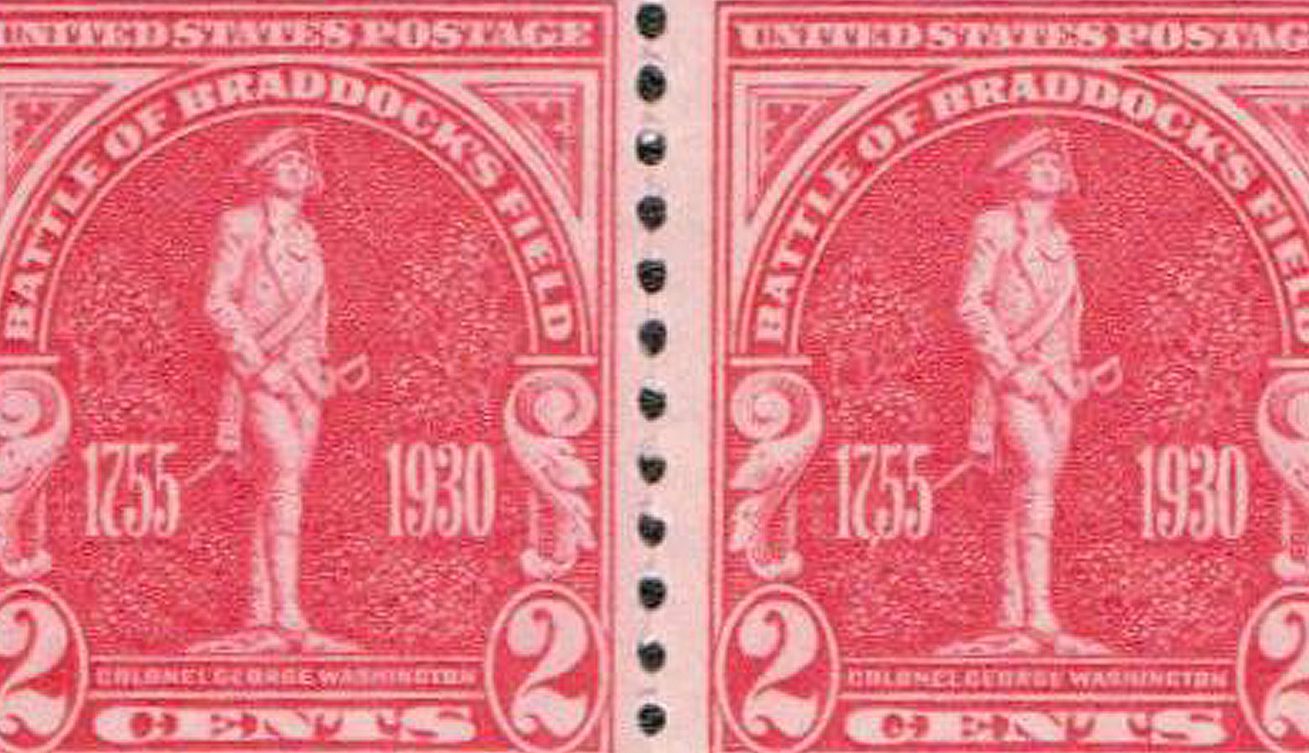
On July 9, 1755, George Washington distinguished himself as a leader at the Battle of Braddock’s Field, also known as the Battle of the Monongahela.
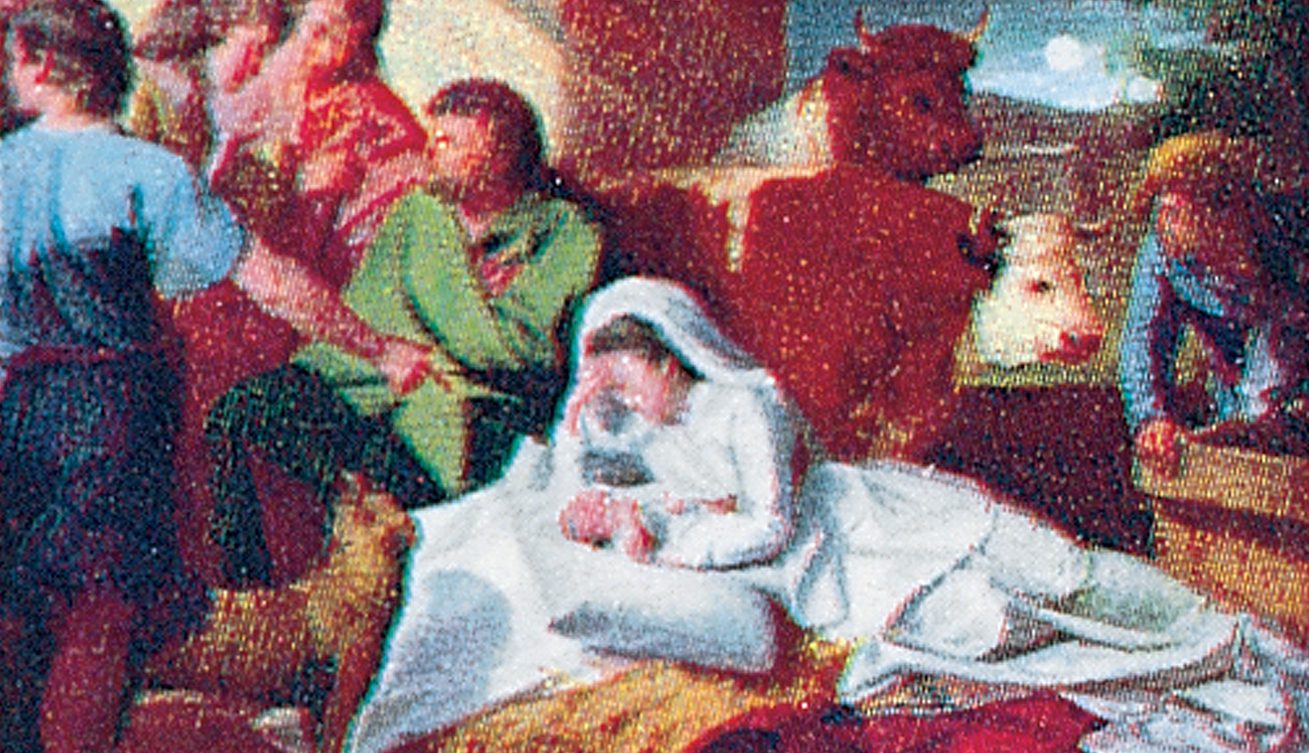
John Singleton Copley was born on July 3, 1738, in Boston, Province of Massachusetts Bay. Copley was one of Colonial America’s most successful artists and went on to have a thriving career in Europe.
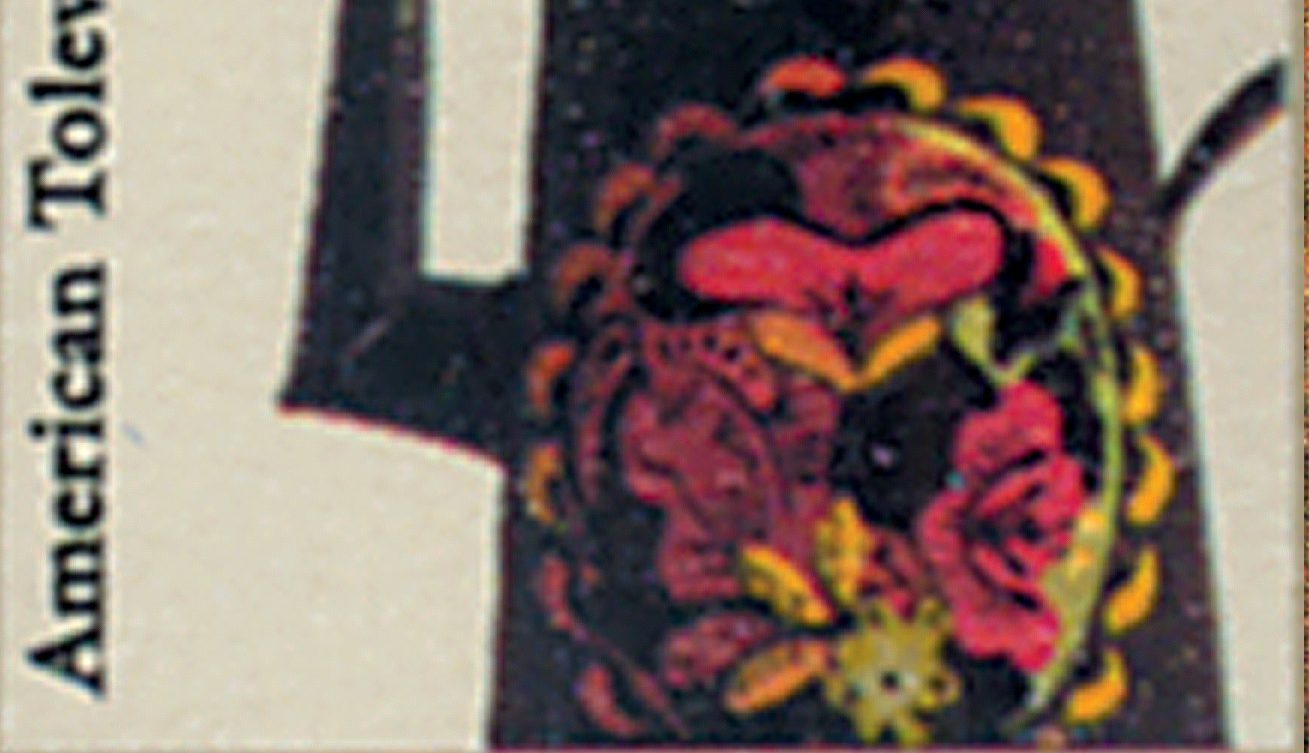
Stamp and poster artist Louis James Nolan Jr. was born on June 28, 1926, in Washington, DC. During his long career, he designed several military recruiting posters and over a dozen US stamps.

General of the Air Force Henry “Hap” Arnold was born on June 25, 1886, in Gladwyne, Pennsylvania. He was an early supporter of military air power, and later became the Air Force’s first five-star general.
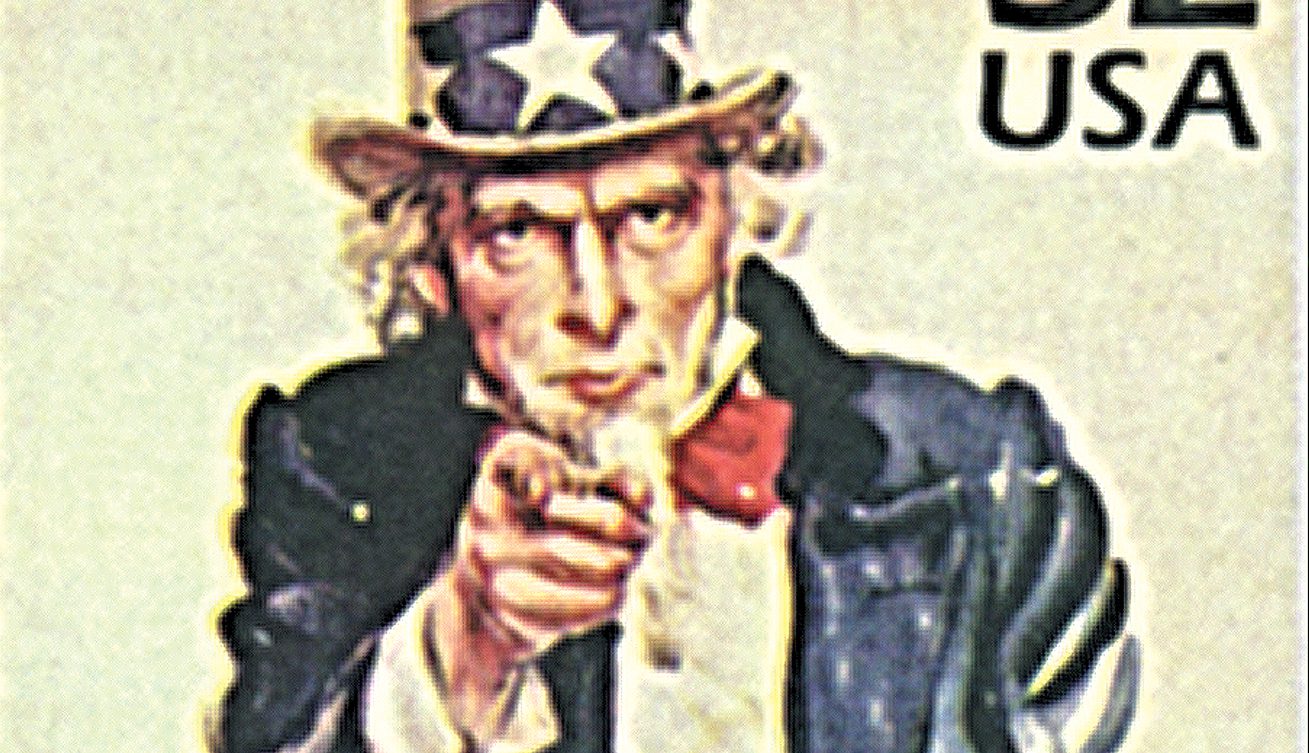
Noted artist and illustrator James Montgomery Flagg was born on June 18, 1877, in Pelham Manor, New York. He painted dozens of memorable posters, book covers, magazine covers, and more, with the most notable being his interpretation of Uncle Sam.