The “Baby Zepp”
On October 2, 1933, the Century of Progress airmail stamp, affectionately known as “Baby Zepp” was issued. It sold poorly at the time and 90% of the stamps were destroyed, leaving a relatively small number available today.

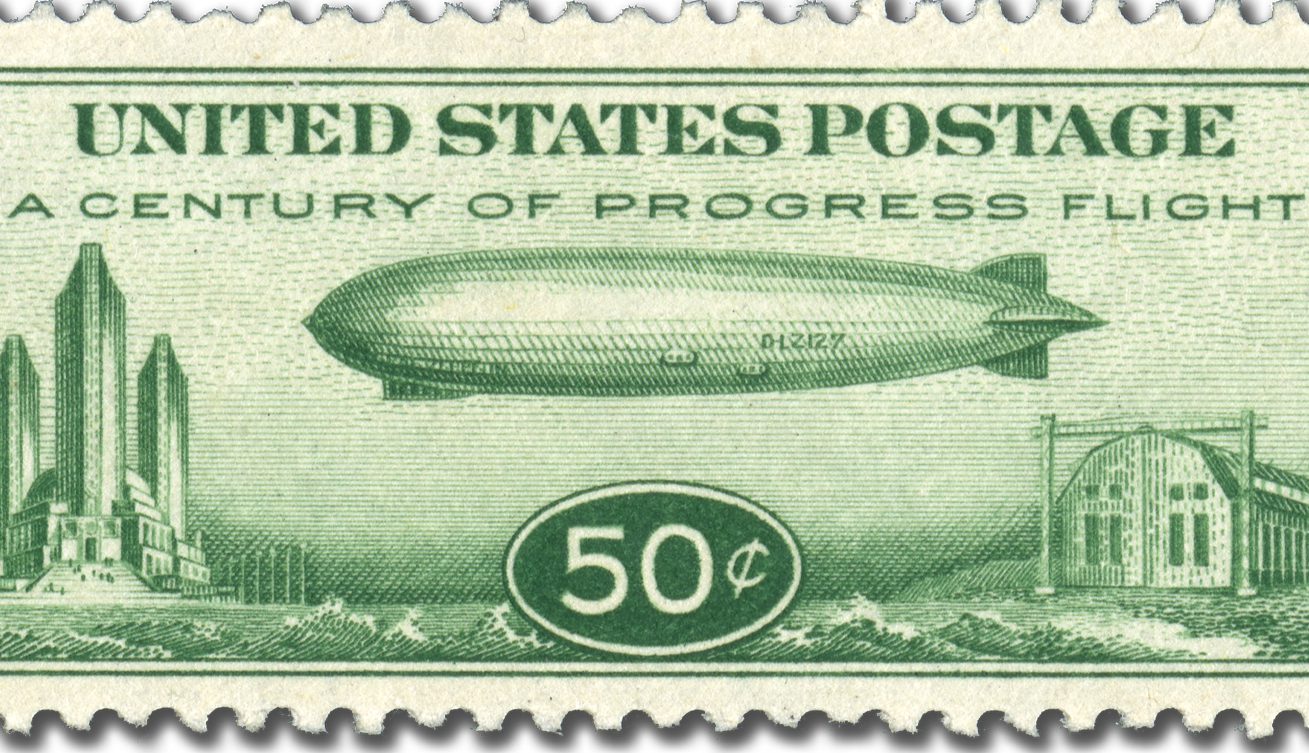
On October 2, 1933, the Century of Progress airmail stamp, affectionately known as “Baby Zepp” was issued. It sold poorly at the time and 90% of the stamps were destroyed, leaving a relatively small number available today.
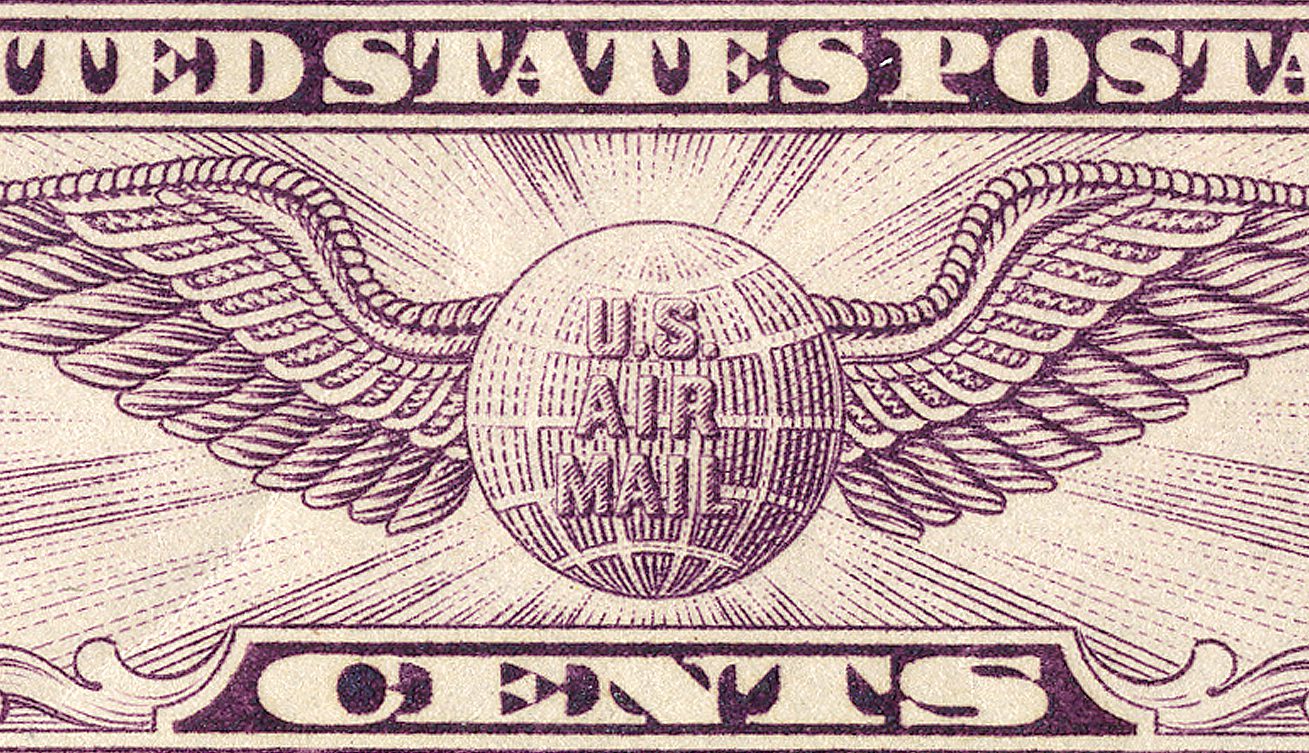
On September 28, 1933, an investigation was launched into the awarding of contracts for airmail flights. The Airmail Fiasco, as it was also known, eventually led to wide-scale improvements to the airline industry and modernization of the Army Air Corps.
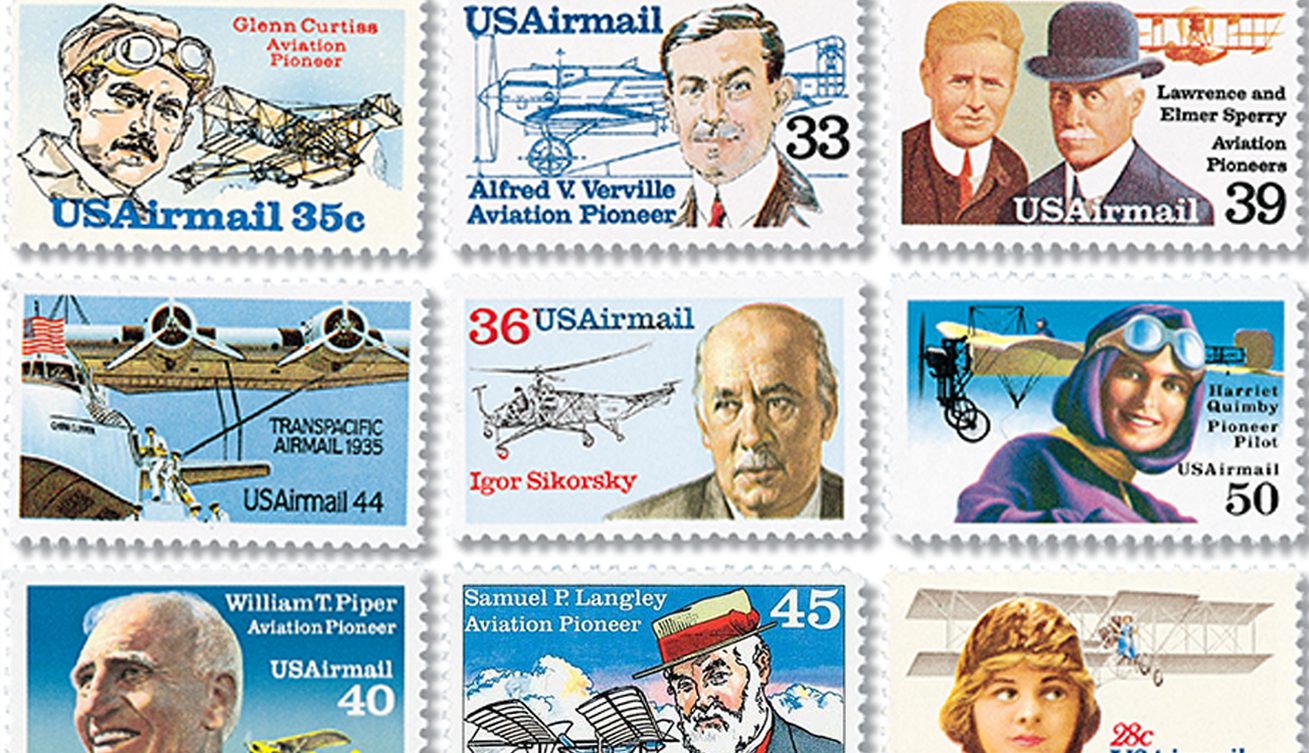
On September 23, 1978, the USPS issued the first stamps in its Pioneers of Aviation Series. The series would span more than 20 years and include 18 stamps honoring some of America’s most legendary aviators and their aircraft.

In 2002, twenty years after it was first established, the International Day of Peace was celebrated on its new permanent date – September 21. Also known as World Peace Day, it’s a United Nations-sanctioned holiday calling for peace and an end to war and violence.

On August 16, 1939, the world’s first undersea post office opened in the Bahamas. It was developed by an undersea photographer and garnered significant interest from around the world. Decades later, more underwater post offices and post boxes were established in other countries, many of which are still in operation today…
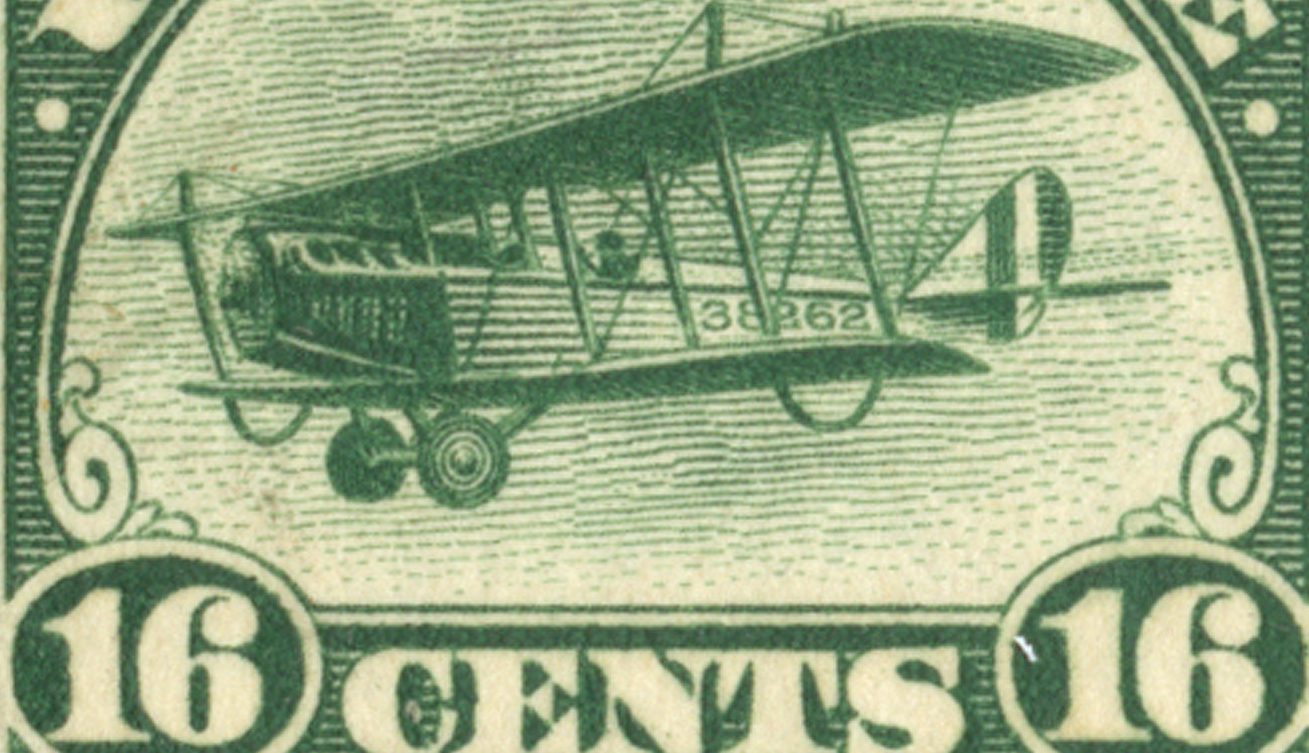
On August 12, 1918, the US Post Office Department took over control of airmail service from the US Army Air Service. Under the Post Office Department, the service flourished, leading to transcontinental airmail service, which was eventually taken over by private companies.
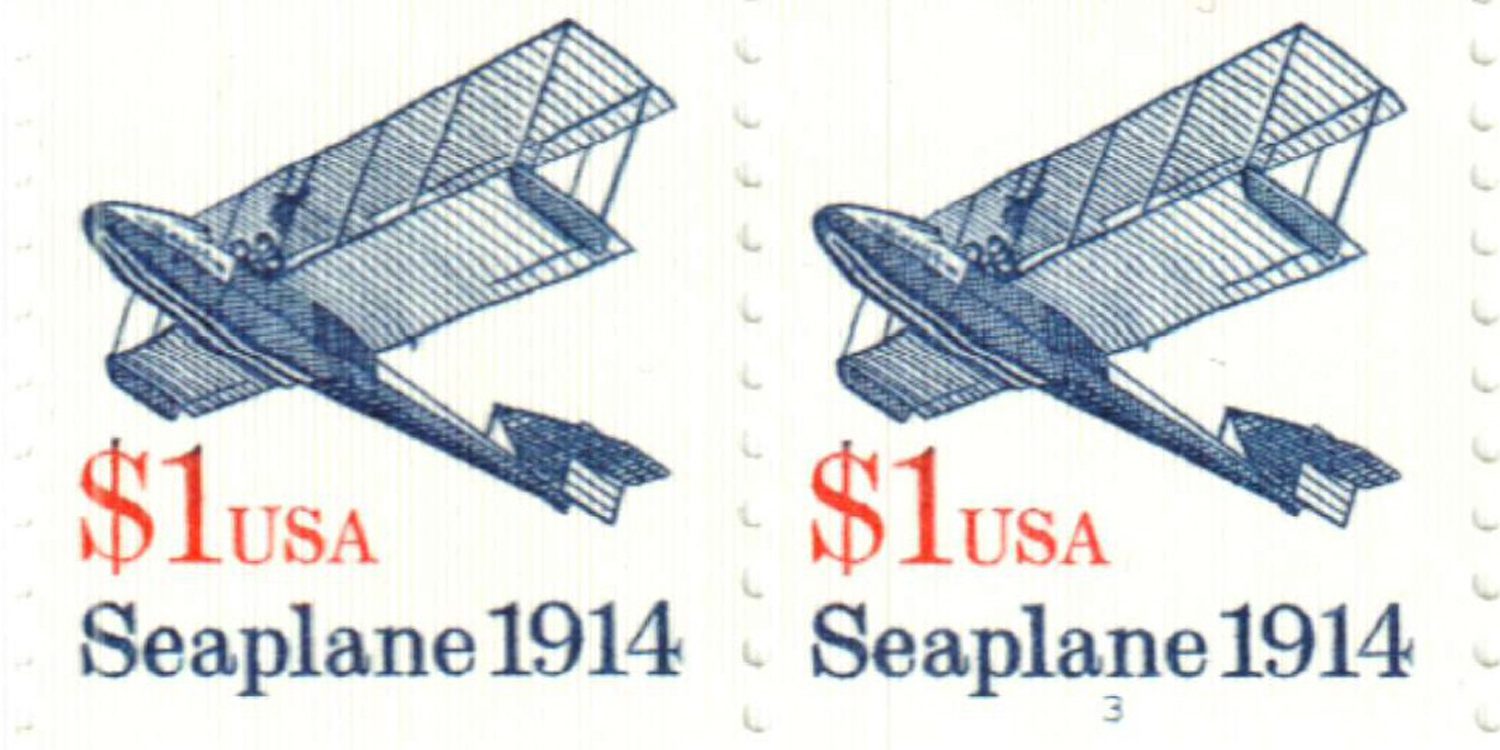
On July 22, 1929, catapult mail was successfully launched from a German ship to New York. Catapult mail cut down on transatlantic delivery times until advances in aviation enabled planes to make the entire journey even faster.

On July 7, 1838, Congress approved an act that declared all United States railroads as post roads. This would lead to a dramatic increase in the use of railroads to deliver mail.
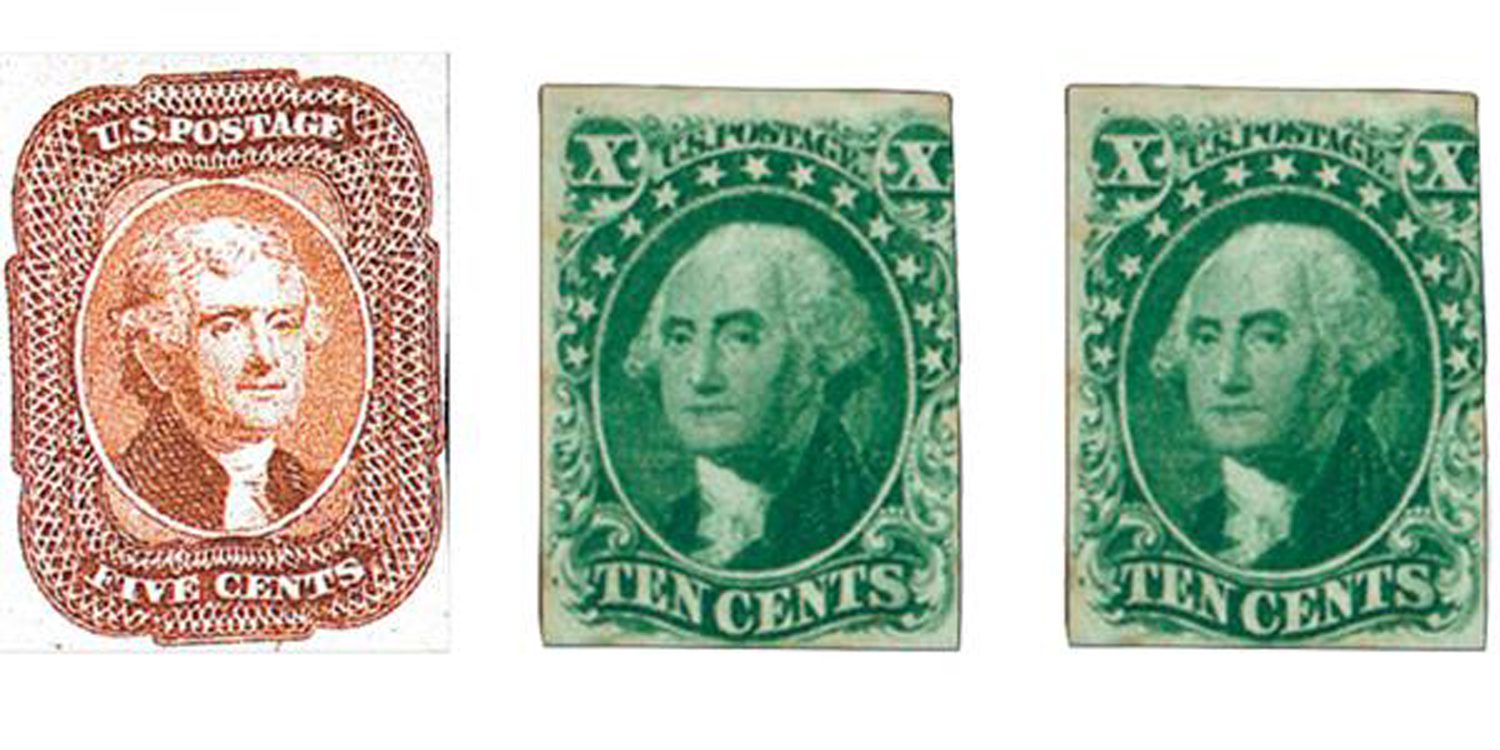
On July 1, 1851, several stamps from America’s second series of postage stamps were issued. These new stamps were issued to meet reduced postal rates that practically eliminated distance as a factor.