Presidents

  • First Inauguration Poetry Reading

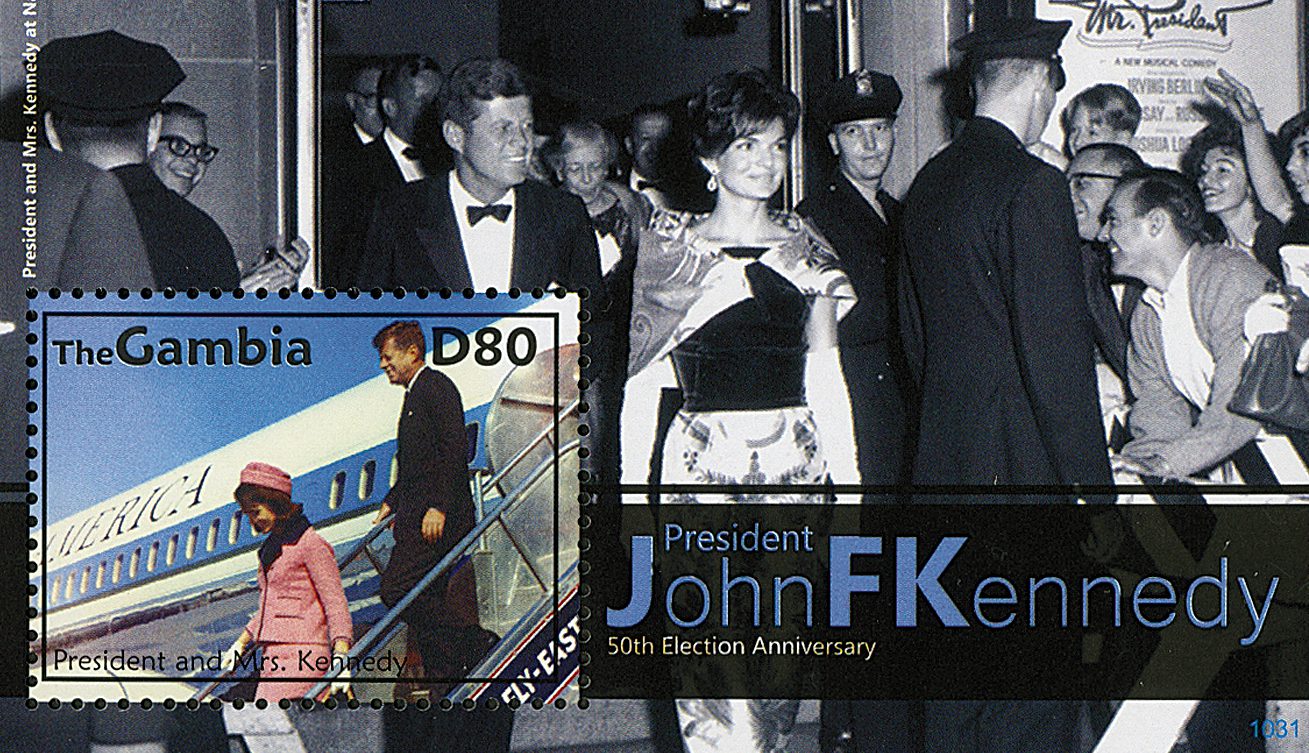
    On January 20, 1961, John F. Kennedy took the oath of office on a cold Washington day, while the nation witnessed something entirely new at a presidential inauguration. Standing beside the youthful new president was Robert Frost, America’s most famous living poet, marking the first time poetry became part of the inaugural ceremony.

  • Death of Mathew Brady

    On January 15, 1896, America lost one of its most influential visual storytellers—Mathew Brady. Known as the father of American war photography, Brady brought the distant battlefields of the Civil War into the public eye, using his camera to reveal the real cost of conflict in a way words never could.

  • Kennedy Half Dollar Authorized

    On December 30, 1963, just weeks after the nation was shaken by the assassination of President John F. Kennedy, Congress passed a bill approving the creation of a new half dollar coin bearing his likeness. This decision came a full ten years before a redesign of the half dollar was legally required, showing how strong the desire was to honor the fallen president as quickly as possible.

  • Petrified Forest National Park

    On December 9, 1962, Petrified Forest National Park was officially established, upgrading an already protected landscape into a full national park. The designation ensured stronger protection for its fossil-rich badlands, archaeological sites, and striking deposits of petrified wood, and it marked a major milestone in decades of preservation efforts.

  • Washington & Lincoln’s Thanksgiving Celebrations

    On November 26, 1789, Americans celebrated Thanksgiving for the first time under a presidential proclamation. Although people in the colonies had held harvest celebrations of thanks since the 1600s, the idea of a single, nationwide holiday did not yet exist. For more than two centuries, different communities held their own thanksgiving observances at various times of the year, often tied to local harvests, military victories, or special religious moments. It would take national leadership—and eventually the influence of several presidents—to turn Thanksgiving into the unified holiday we know today.

  • Birth of Abigail Adams 

    Abigail Adams, America’s second First Lady, lived a life shaped by intelligence, resilience, and an unwavering sense of purpose. Born Abigail Smith on November 22, 1744 (November 11 in the Old Style calendar) in Weymouth, Massachusetts, she grew up during a time when girls were rarely encouraged to pursue learning. Yet Abigail’s curiosity, sharp mind, and determination made her one of the most influential women of the Revolutionary era. Her letters, ideas, and leadership helped shape the emerging nation, leaving a legacy that continues to inspire Americans today.