Death of William Howard Taft
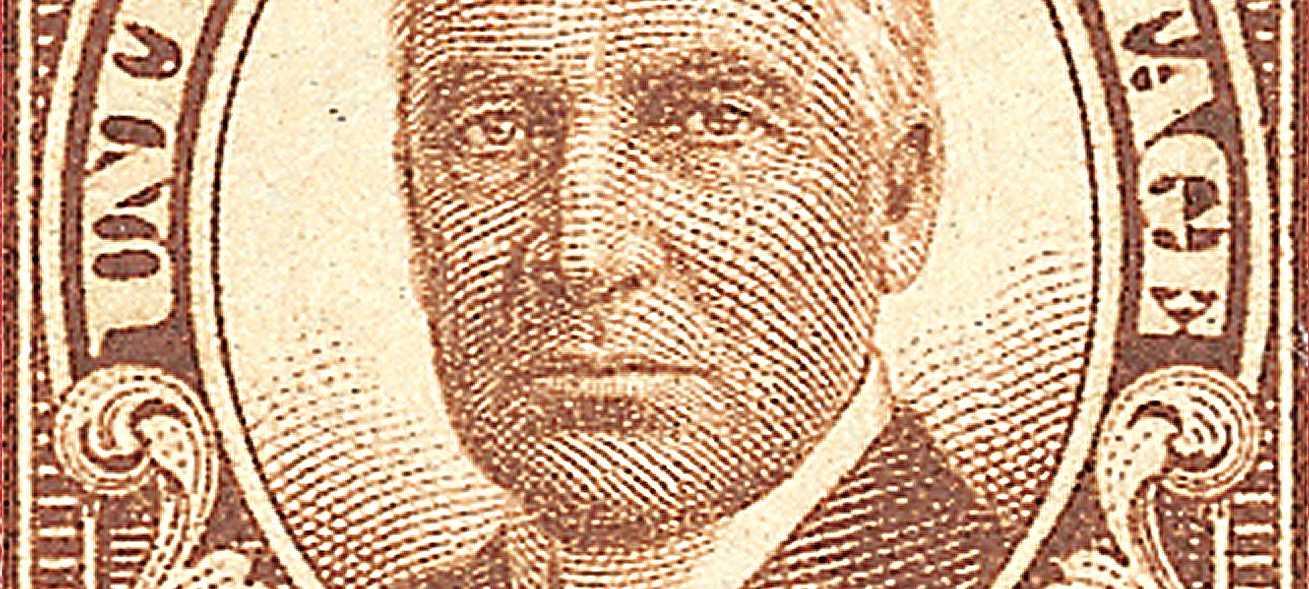
William Howard Taft died on March 8, 1930, after nearly fifty years in public service. His passing marked the end of a career that uniquely bridged the presidency and the nation’s highest court.
On February 25, 1928, Bryce Canyon officially became Bryce Canyon National Park, securing permanent federal protection for one of America’s most unusual landscapes. What began as a remote stretch of pink cliffs and strange rock spires in southern Utah had become important enough to earn the highest level of preservation in the National Park System.
On February 17, 1801, the young United States faced a constitutional crisis that tested whether its new government could transfer power peacefully. That day, after weeks of deadlock, the House of Representatives finally chose a president, proving that the nation’s system—though imperfect—could still function under pressure.
On February 10, 1967, the Constitution gained a long-missing instruction manual for moments of presidential crisis. The ratification of the 25th Amendment finally spelled out who takes power, and how, when a president dies, resigns, or becomes unable to serve.
On February 9, 1825, John Quincy Adams was elected president of the United States even though he had not won a majority of the electoral vote. The unusual outcome exposed deep political divisions and set the stage for one of the most contested elections in early American history.
On January 30, 1835, a gunshot was meant to change American history—but it didn’t. That winter day, outside the US Capitol, an unemployed house painter named Richard Lawrence attempted to assassinate President Andrew Jackson, marking the first known assassination attempt against a sitting US president.
Neysa McMein, born on January 24, 1888, helped shape how America saw itself during the early 20th century through powerful images that appeared everywhere from magazines to movie studios. Her art captured modern beauty, wartime patriotism, and celebrity culture at a moment when illustration defined public life.
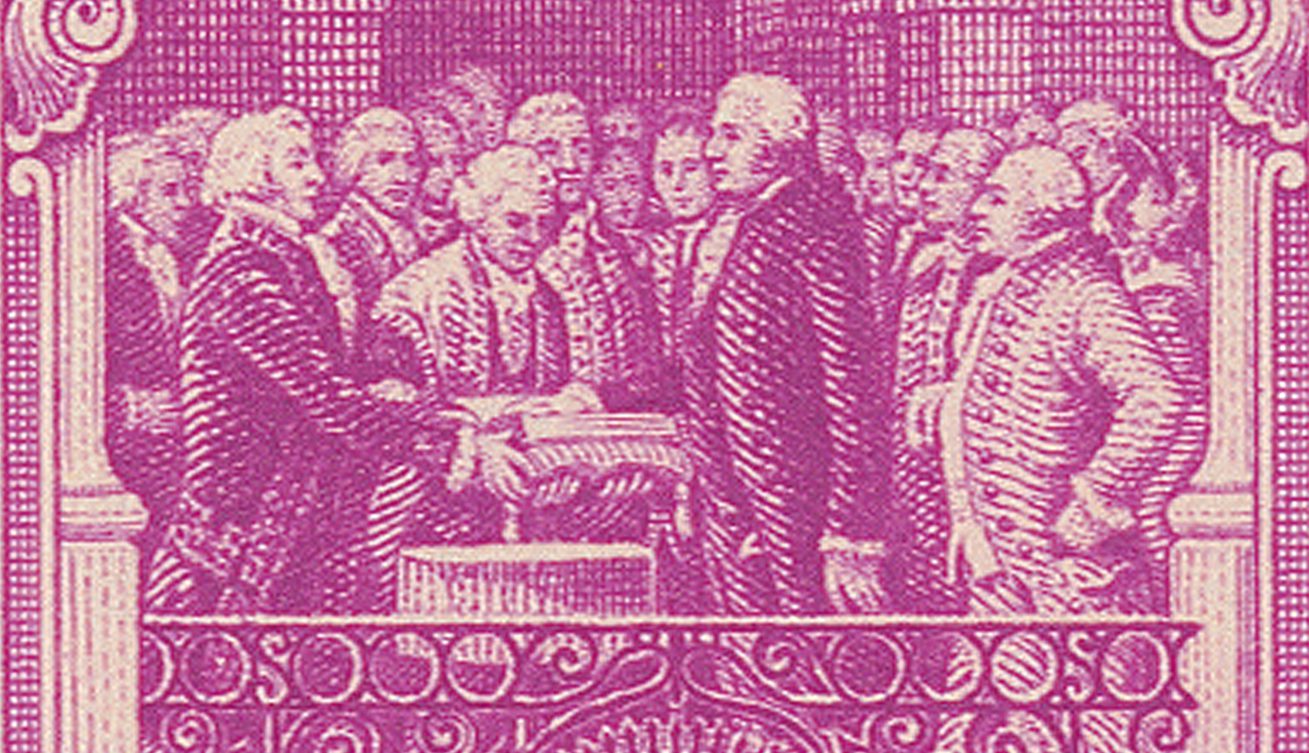
On January 20, 1961, John F. Kennedy took the oath of office on a cold Washington day, while the nation witnessed something entirely new at a presidential inauguration. Standing beside the youthful new president was Robert Frost, America’s most famous living poet, marking the first time poetry became part of the inaugural ceremony.
On January 15, 1896, America lost one of its most influential visual storytellers—Mathew Brady. Known as the father of American war photography, Brady brought the distant battlefields of the Civil War into the public eye, using his camera to reveal the real cost of conflict in a way words never could.