

Though he had been in poor health for some time, President Warren G. Harding’s death on August 2, 1923, shocked a nation that had watched him greet cheering crowds only days earlier. The lack of an autopsy, combined with scandals emerging from his administration, soon encouraged rumors that lasted for decades.
Harding entered the White House in March 1921 after promising a “return to normalcy” following World War I. He remained personally popular, but he made several damaging appointments. Some of the men he trusted used federal offices for private gain.
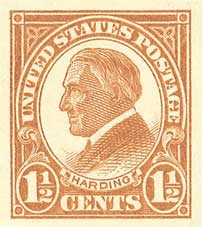
Charles R. Forbes, director of the Veterans’ Bureau, was accused of wasting government property and profiting from contracts meant to build hospitals for disabled veterans. Secretary of the Interior Albert B. Fall secretly leased federal oil reserves at Teapot Dome, Wyoming, and Elk Hills, California, to private companies. Fall later became the first former Cabinet member imprisoned for crimes committed in office. There is no evidence that Harding accepted bribes or shared in these schemes. However, his poor judgment in choosing and supervising associates damaged his reputation. Much of the full story became public only after his death.
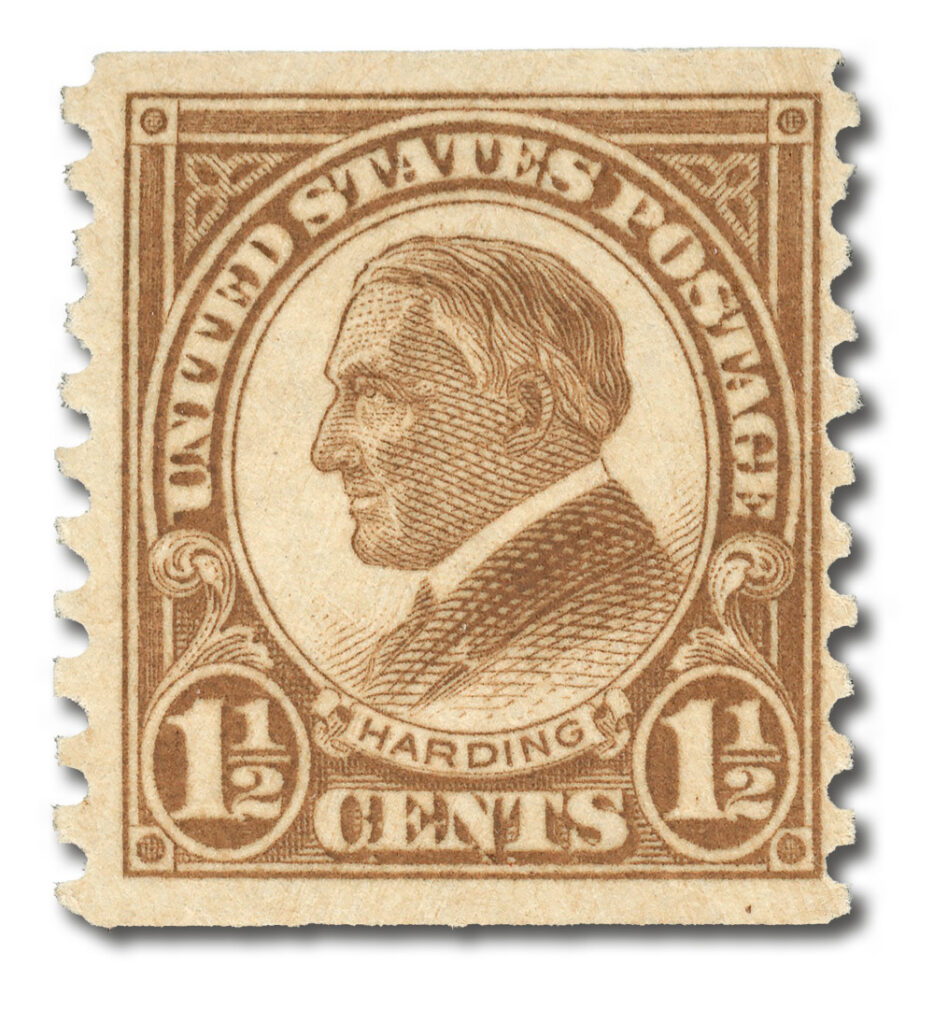
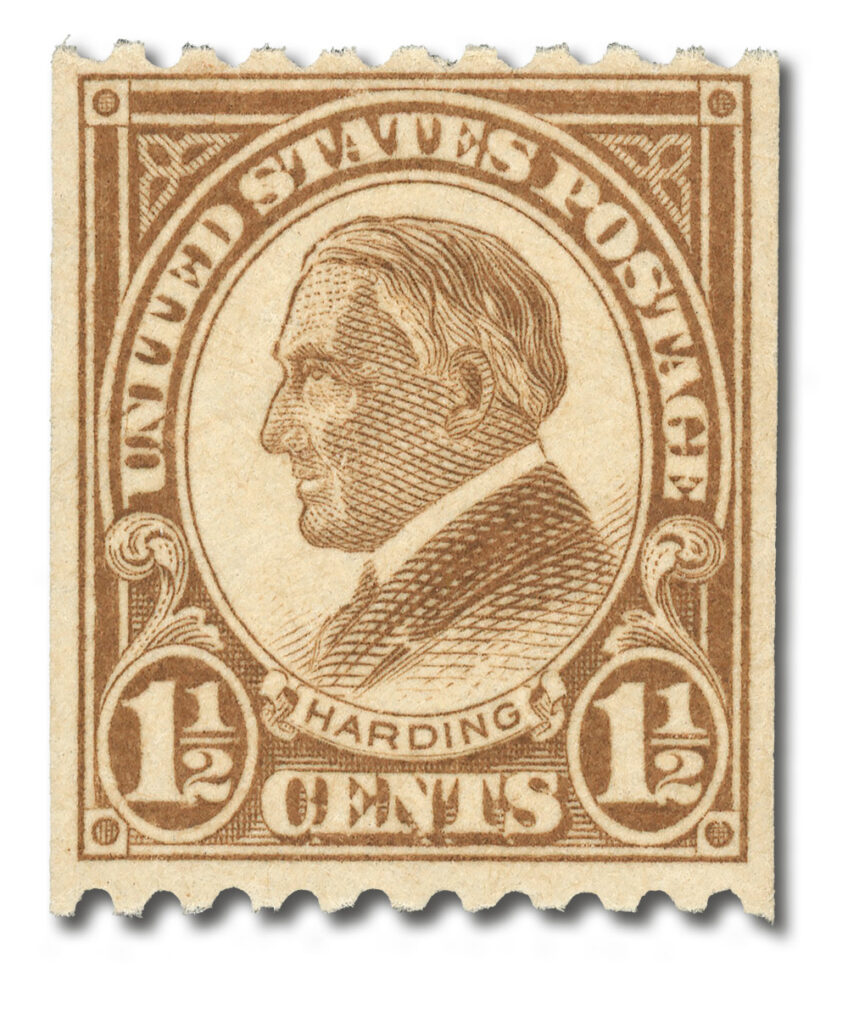
In the summer of 1923, Harding began a journey he called the “Voyage of Understanding.” He hoped to explain his policies, promote US membership in the Permanent Court of International Justice, and learn more about conditions in the West. Despite warnings that the trip could strain his health, Warren and Florence Harding left Washington by train on June 20.
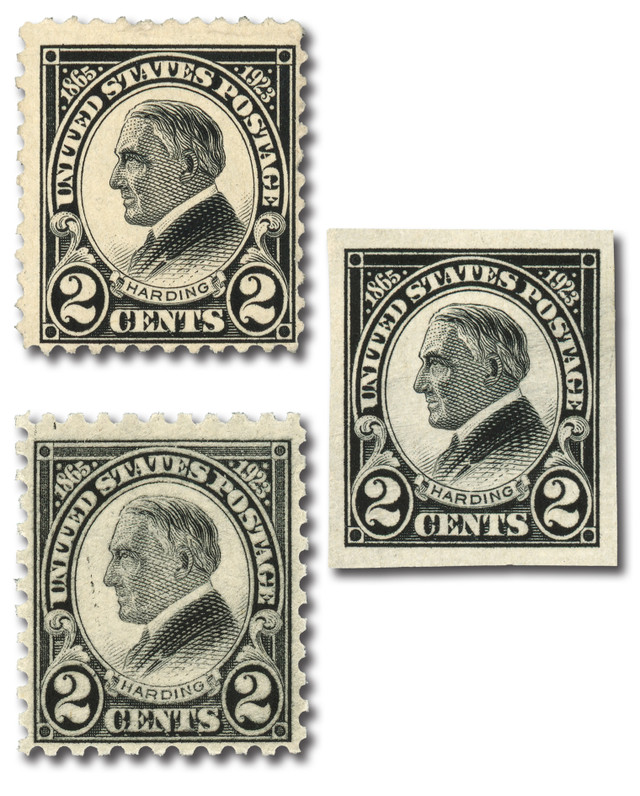
The party traveled through the Midwest and West. Harding delivered speeches and visited Yellowstone National Park. At Tacoma, Washington, the group boarded the USS Henderson for Alaska. On July 8, Harding became the first sitting president to visit the territory.
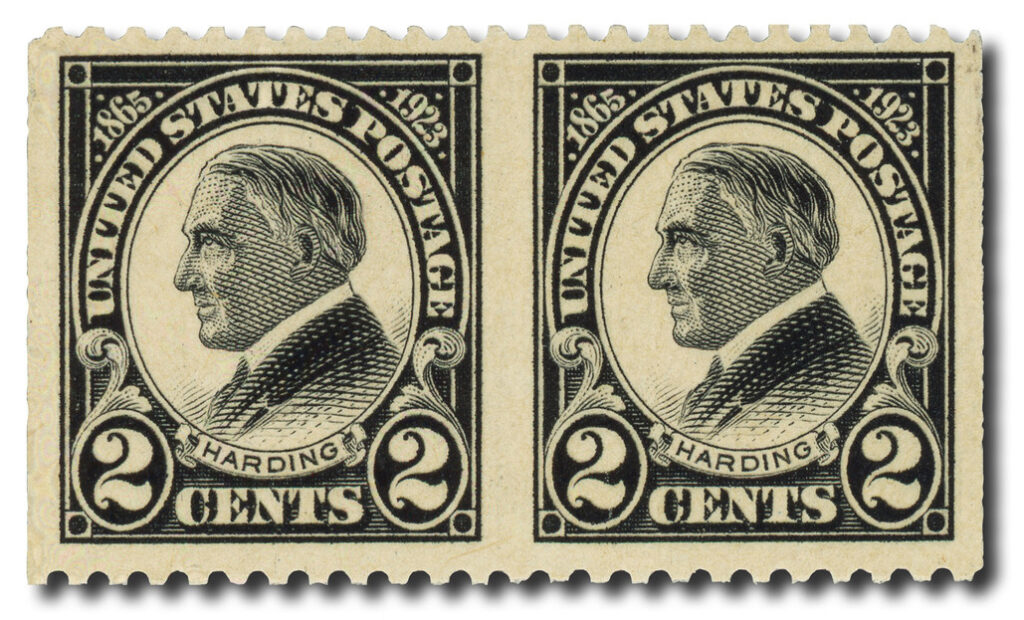
The Alaska trip included stops at Ketchikan, Juneau, Seward, Anchorage, and Fairbanks. Harding discussed transportation, natural resources, and economic development. On July 15, he drove a ceremonial golden spike at Nenana to mark the completion of the federally built Alaska Railroad. The nearly 470-mile line connected Seward with Fairbanks.

After leaving Alaska, Harding stopped in Vancouver, British Columbia, on July 26. He became the first sitting US president to visit Canada and spoke about peaceful relations between the neighboring countries. By then, Harding was exhausted. After returning to Seattle, he complained of abdominal pain and weakness. His doctors first blamed spoiled food. As the train continued south, he developed breathing problems and a fever. Scheduled appearances were canceled, and the party hurried to San Francisco. Harding was taken to a suite at the Palace Hotel.

His condition appeared to improve after several days of rest. On the evening of August 2, Florence sat beside his bed and read him a favorable magazine article. Harding reportedly said, “That’s good. Go on—read some more.” Moments later, he collapsed and died at age 57.
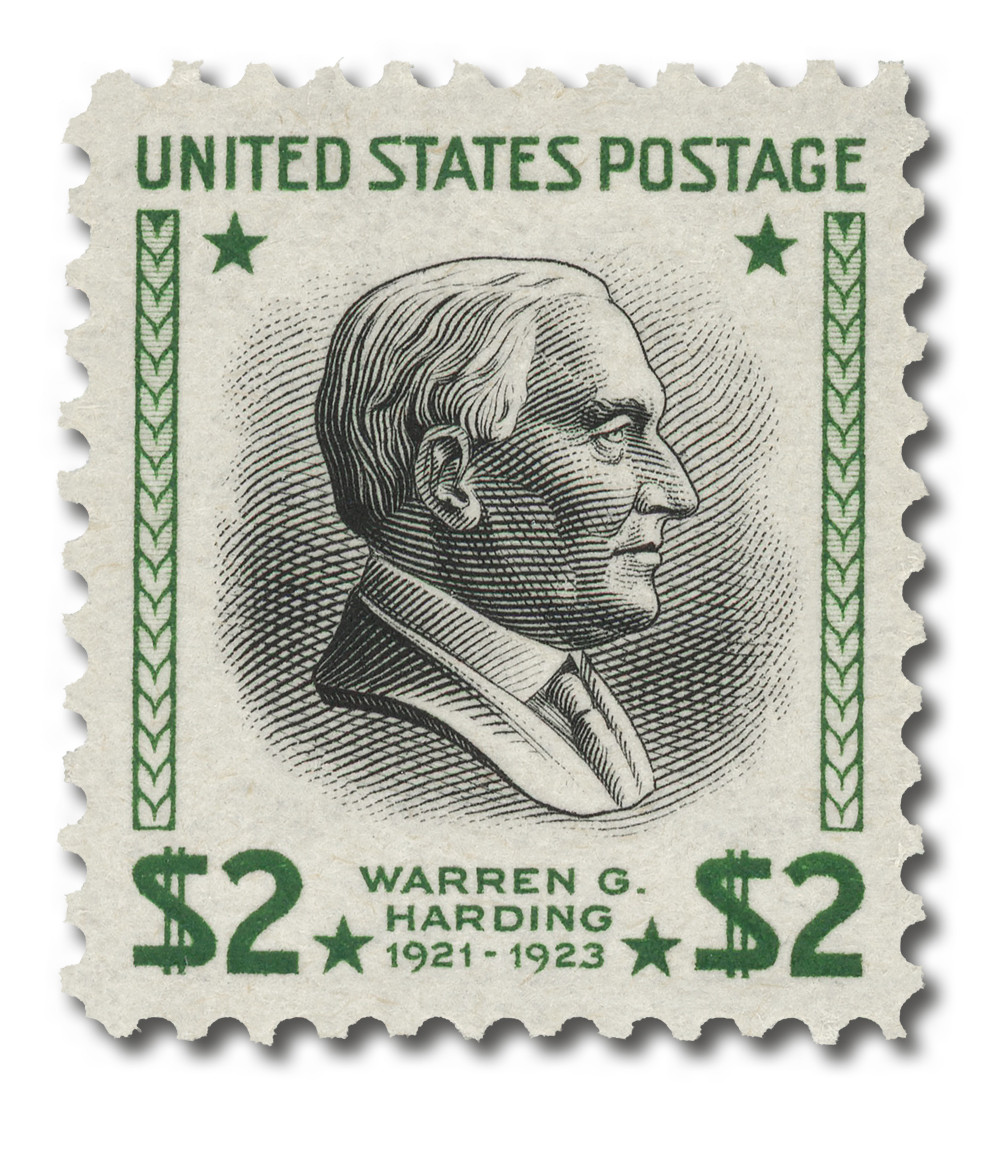
Doctors announced that Harding had died from apoplexy, then commonly understood as a stroke or cerebral hemorrhage. Later medical reviews have concluded that his symptoms more strongly suggest heart disease and a fatal heart attack. Harding had high blood pressure and an enlarged heart, but no autopsy was performed.

His coffin traveled east aboard the presidential train. At stations and along the tracks, crowds stood silently to pay their respects. His body rested in the East Room of the White House before a funeral service at the US Capitol. A final service was held in Marion, Ohio, on August 10.

Florence Harding’s decision not to permit an autopsy fed suspicion. In 1930, a sensational book falsely claimed that she had poisoned her husband to protect him from scandal. No credible evidence supports that story. But the secrecy surrounding his death allowed rumor to become part of his troubled legacy.
| FREE printable This Day in History album pages Download a PDF of today’s article. Get a binder or other supplies to create your This Day in History album. |
Discover what else happened on This Day in History.
Hi Don, I didn’t know about all of the scandals in Harding’s administration, except the Teapot Dome. I also did not know about the “suspicious” circumstances surrounding his death. Thanks for the great synopses of all the stamps featured in “This Day in History.”
Unfortunate for a President, Head of State, to die this way,what ever the past history may be, yet the stigma keeps attached.
President Harding was the first President to die of a ceredil hjemerige. and FDR was the 2nd one to die of the same thing. Both were on vacation.. Do I smell a consperacy? Please excuse the spelling.
I just did!!! Presidents Harding and FDR both died in office of the same problem. Do I smell a conspirecy?
Your posts are great. Thank you!
These facts are interesting.
Thanks for doing the “This Day in History”. I enjoy reading a bit of history from every day.
I remember when I started collecting stamps as a hobby (1960) my dad wanted me to do something rather than get into mischief with the kids of the neighborhood. I remember reading the small histories about the stamp from the stamp pages. Later when I had history classes in high school and college I had the inside information on many topics. Thanks, to my dad, and to the hobby of stamp collecting.
Please keep up the history.
I’m really enjoying your website. Identifying stamps and finding their value is much simpler than leafing through a catalog. Thanks.
great program, keep it going
The day in history is very enjoyable and I’m
learning a lot of unknown facts, thanks.
And now, almost 100 years later, large groups are trying to hinder the oil workers in Alaska. Will we have a stamp about this?
iv got lots of old stamps , I need help with as well as old books , an new;s papers . my oldest book is 1888 its a bible reader
Not a conspiracy, these presidents just ate the wrong food and clogged up their arteries, like lots of their constituents! Then and today.
you have very interesting information. of.what happened many years ago
HISTORY IS MY FAVORITE SUBJECT
We need to get the word out to the younger generation about these posts to get them interested in stamp collecting and at the same time help save the USPS.
Thank you Mr Ralph Heid. I also started collecting stamps in the early 70’s,
as a way of staying home and not out with neighborhood kids and friends, per my father. I’ve learned much about geography and world cultures, including reading Russian and Greek. I have also learned to recognize different langua-
ges as a result of studying stamps, sometimes individual, spending hours. What I learned helped me in Elementary and High School History and Geography classes.
Mr Ewell Sapp. I would very much enjoy seeing your old stamps, books, and newspapers. I know of an original paper with the headlines dealing with the
sinking of the Titanic. I have also seen many copies of original papers, on microfiche. I have a number of foreign and US satmps from the 19th Century.
I also have foreign bank notes that are more than one hundred years old.