
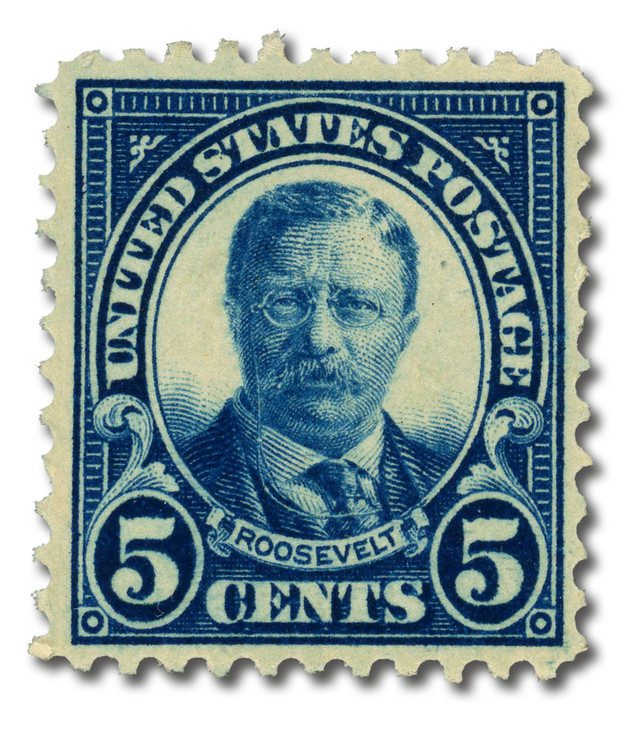
On September 2, 1901, Vice President Theodore Roosevelt used a phrase at the Minnesota State Fair that would become closely associated with his presidency: “Speak softly and carry a big stick; you will go far.” The address, delivered less than two weeks before he entered the White House, outlined his belief that national power should support restrained but firm diplomacy.
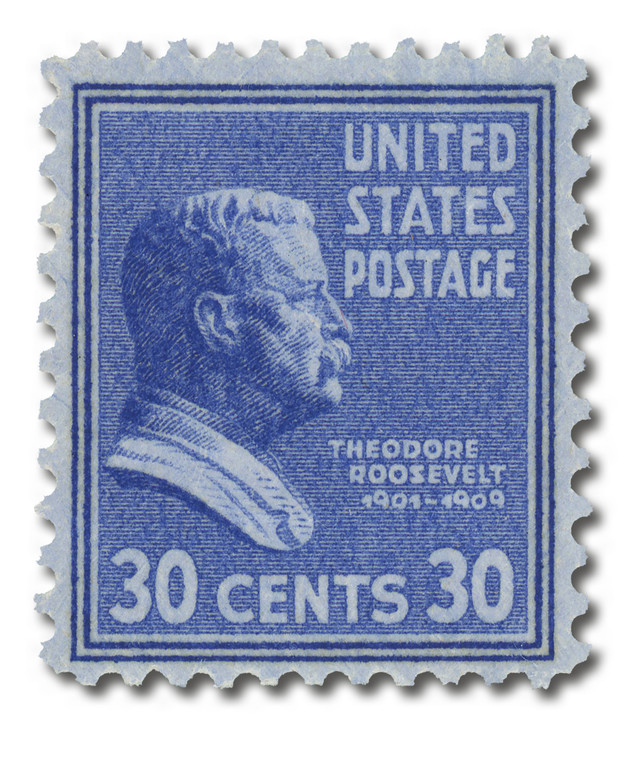
Roosevelt had used the phrase before in a private letter. On January 26, 1900, while serving as governor of New York, he wrote to Henry L. Sprague after the New York Republican Committee withdrew its support from a corrupt official. “I have always been fond of the West African proverb, ‘Speak softly and carry a big stick; you will go far,’” he wrote.
This is the earliest known instance of Roosevelt using the saying. He attributed it to a West African proverb, but historians have not found a documented source for that attribution. Its origin therefore remains uncertain.
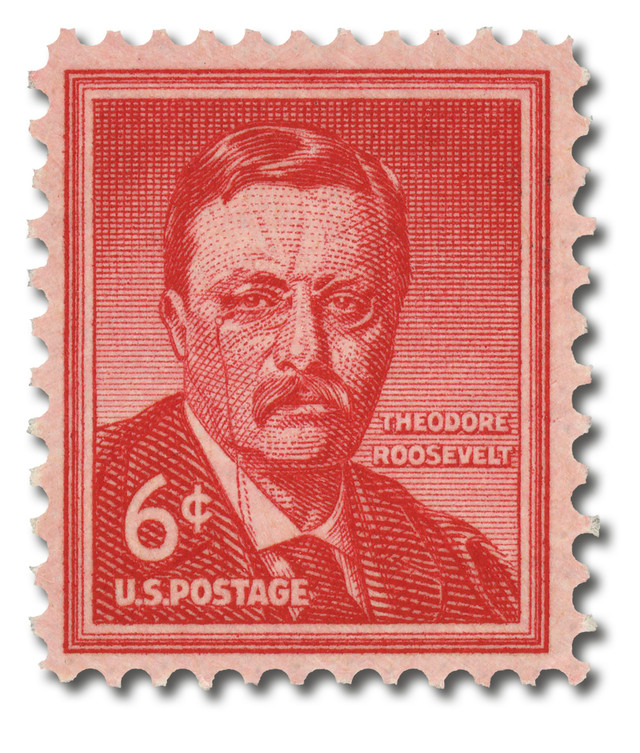
By September 1901, Roosevelt was vice president under President William McKinley. At the Minnesota State Fair in Minneapolis, he used the phrase in a speech later published as “National Duties.” He argued that the United States should avoid empty threats, boastfulness, and disrespect toward other nations. But he also insisted that the country must have the strength to support its words.
Roosevelt said:
“Right here let me make as vigorous a plea as I know how in favor of saying nothing that we do not mean, and of acting without hesitation up to whatever we say. A good many of you are probably acquainted with the old proverb, ‘Speak softly and carry a big stick—you will go far.’”
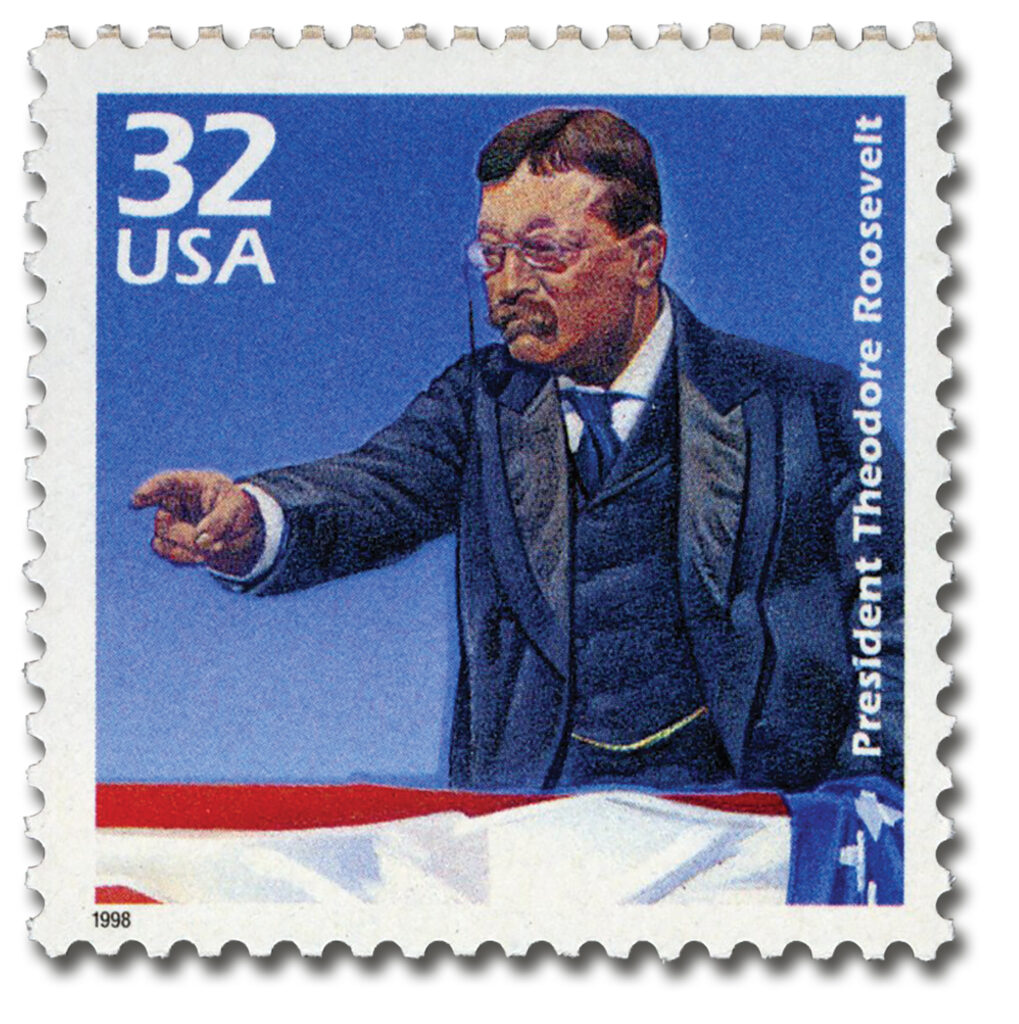
He continued that neither gentleness nor force was sufficient by itself. A nation, he argued, should speak “courteously and respectfully” to foreign powers while making clear that it would defend its rights. The speech also included language about “civilization” and “barbarism” that reflected the paternalistic and imperial assumptions common in American foreign-policy arguments of the era.
Four days later, on September 6, anarchist Leon Czolgosz shot McKinley at the Pan-American Exposition in Buffalo, New York. McKinley died eight days later, on September 14. Roosevelt then took the oath of office and became the nation’s 26th president at age 42, the youngest person to assume the presidency.

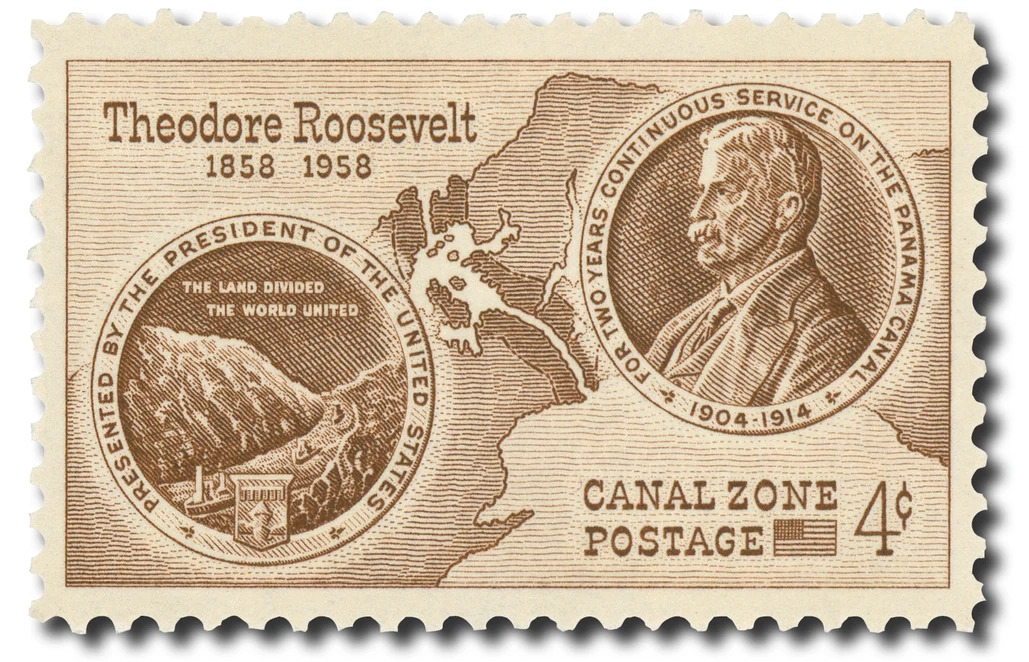
The phrase became shorthand for what later came to be called “big stick” diplomacy. Roosevelt applied a more forceful version of this outlook in foreign affairs, particularly in the Caribbean and Central America. His administration helped secure US control of the Panama Canal Zone after Panama’s separation from Colombia. He also issued the Roosevelt Corollary to the Monroe Doctrine, asserting a US right to intervene in parts of Latin America to prevent European involvement. Those policies expanded American influence but also drew lasting criticism for their treatment of smaller nations.
Roosevelt’s record was not limited to foreign policy. He intervened in the 1902 anthracite coal strike, helping bring both mine operators and union representatives into negotiations. In 1905, he helped arrange talks that ended the Russo-Japanese War. For that mediation, he received the 1906 Nobel Peace Prize, becoming the first American to win the award.
| FREE printable This Day in History album pages Download a PDF of today’s article. Get a binder or other supplies to create your This Day in History album. |
Discover what else happened on This Day in History.
I had never heard of the speech of Teddy Roosevelt at the Minnesota State Fair in 1901 and I must admit I had to reread it several times before I “got it”. Once I understood it, it became typical Teddy and was worth the interpretation effort. There is so much more to be said about the man and I’m sure that on the appropriate dates these will be mentioned. This was one of the early steps to earning his place on Mt. Rushmore.
Also several interventions in Central America and the Caribbean.
Thank you for continuing my educcation. I am now 87 and love to learn every day.
I am like you in that I am now 88 and look forward to these articles as I am learning every day.
Great to know we still have a mind to do so. Right?
One of the current presidential nominees could certainly benefit from the wisdom found within this speech…oh, for another Teddy to be available about now
Thinking the very same thing. Where have all the statesmen gone? You sure don’t hear this kind of stuff at our MN State Fair any more. Great story and background information.
A very special president
Theodore Roosevelt was also responsible for modernizing our coinage. The designs (before the current “Dead Presidents”) were the most beautiful and artistic design that we will never see again.
With God reason
A truly great President. God, we need another one !!!