Passage of the Presidential Libraries Act
On August 12, 1955, the Presidential Libraries Act was passed, providing for the organized transfer of presidential papers and other items to the federal government.


On August 12, 1955, the Presidential Libraries Act was passed, providing for the organized transfer of presidential papers and other items to the federal government.

On August 2, 1943, future president John F. Kennedy saved the majority of his PT-109 crew after a Japanese destroyer rammed them.
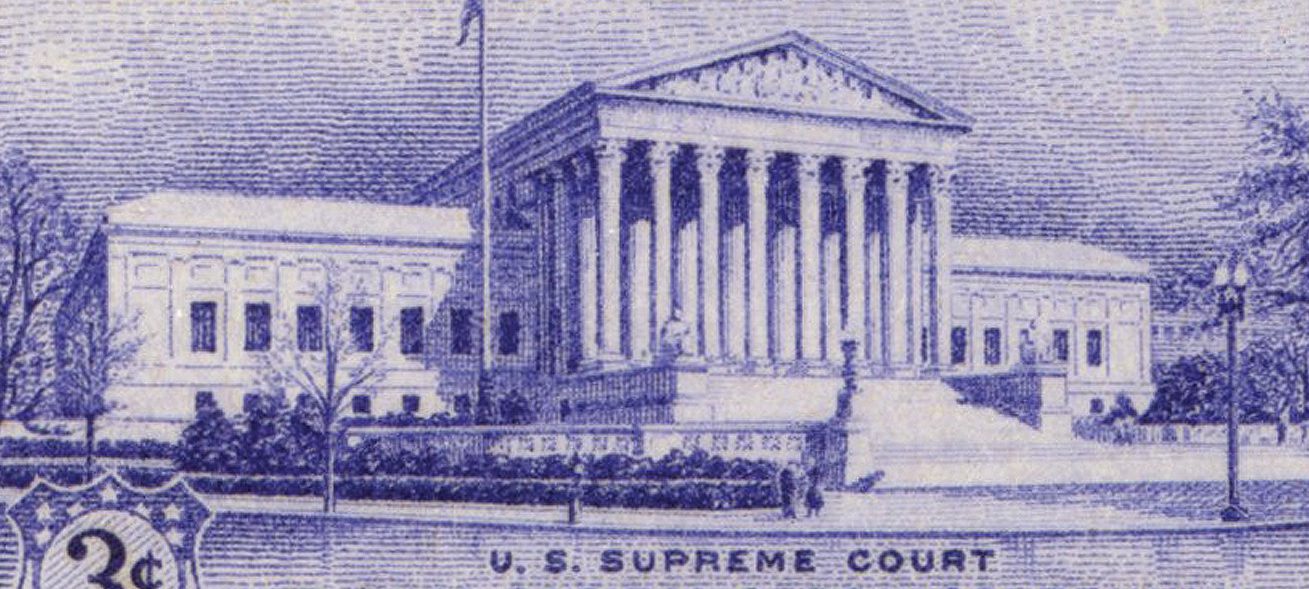
William Howard Taft always dreamed of being a Supreme Court justice. After a term as president, the time was finally right for Taft to take his dream job – on July 11, 1921.
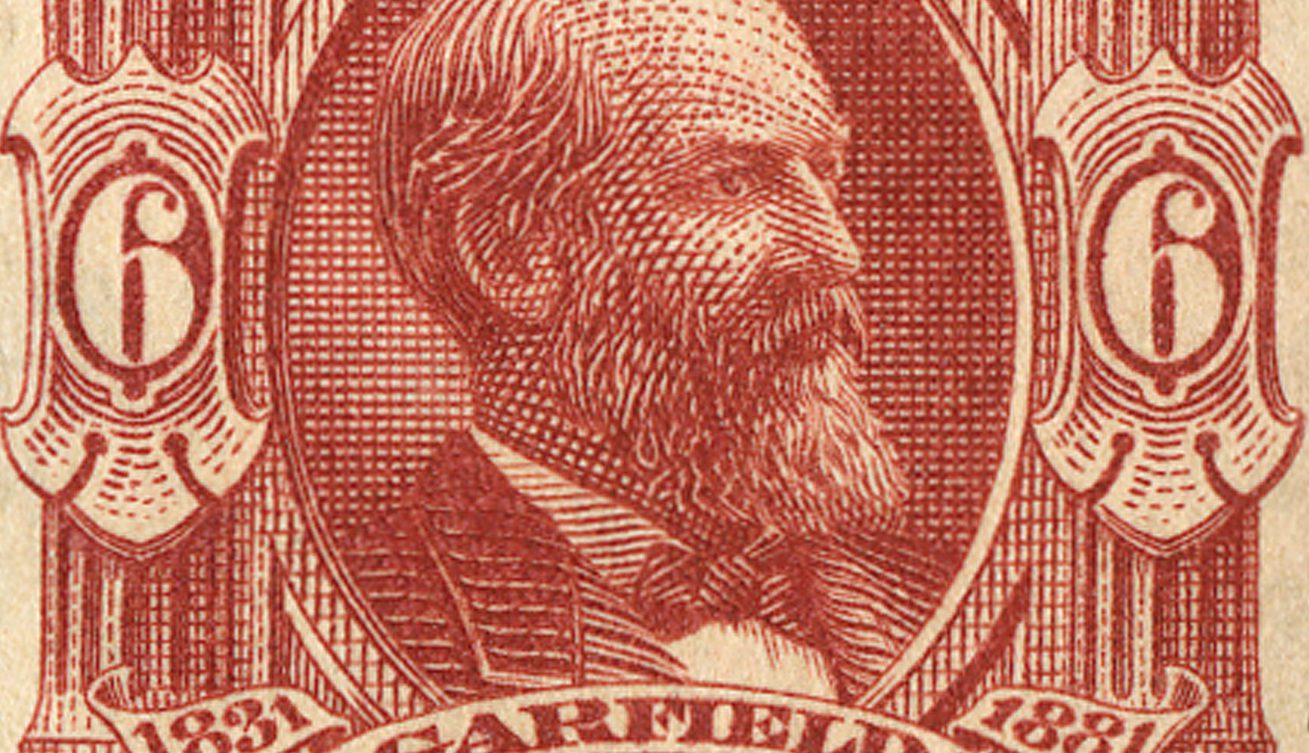
On July 2, 1881, an assassin shot President James Garfield just four months into his presidency. Dying two months later, his was the second shortest presidency in US history.
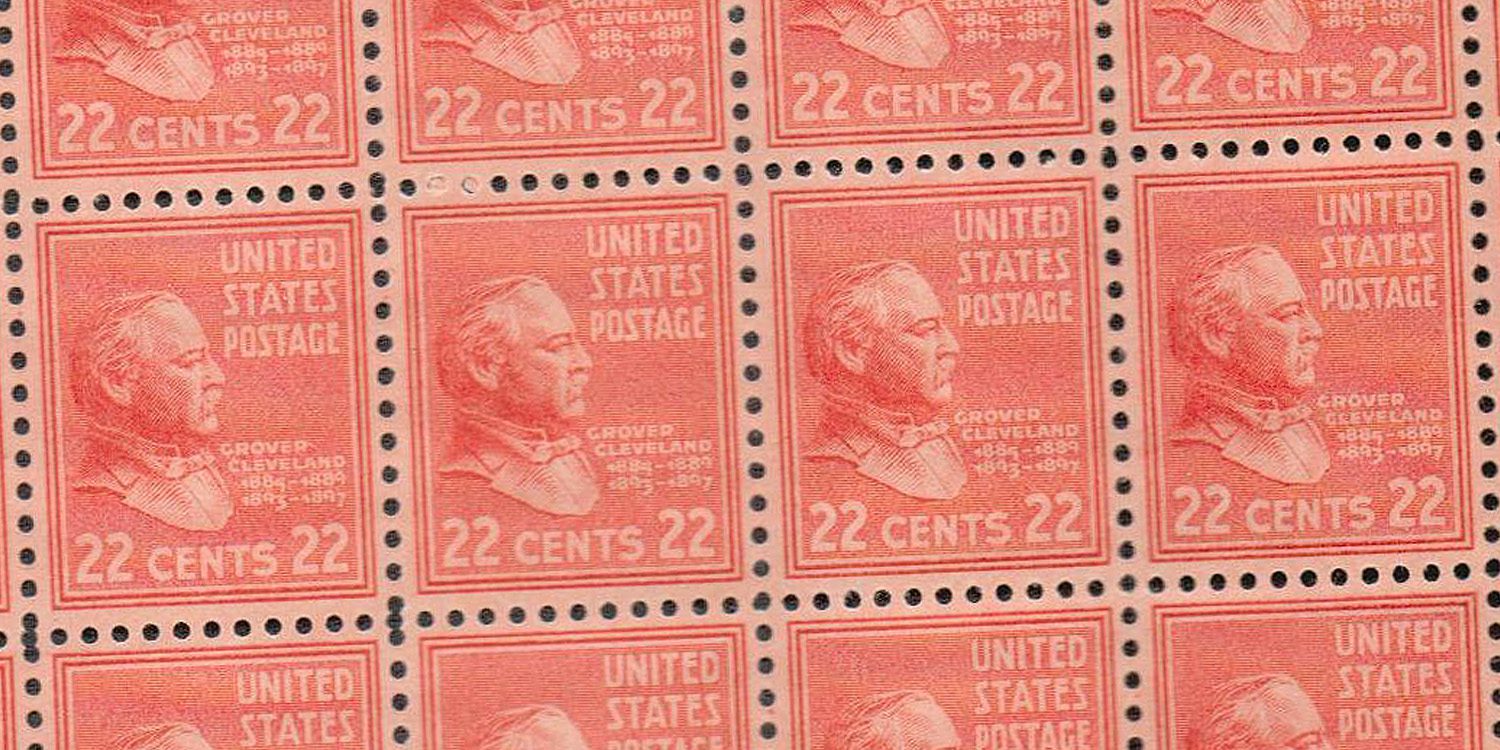
America’s 22nd and 24th president, Grover Cleveland, died on June 24, 1908, in Princeton, New Jersey. He was America’s first president to serve two non-consecutive terms and was known for his honesty and integrity.
On June 11, 1963, President John F. Kennedy delivered a television and radio address calling for the Civil Rights Act of 1964.
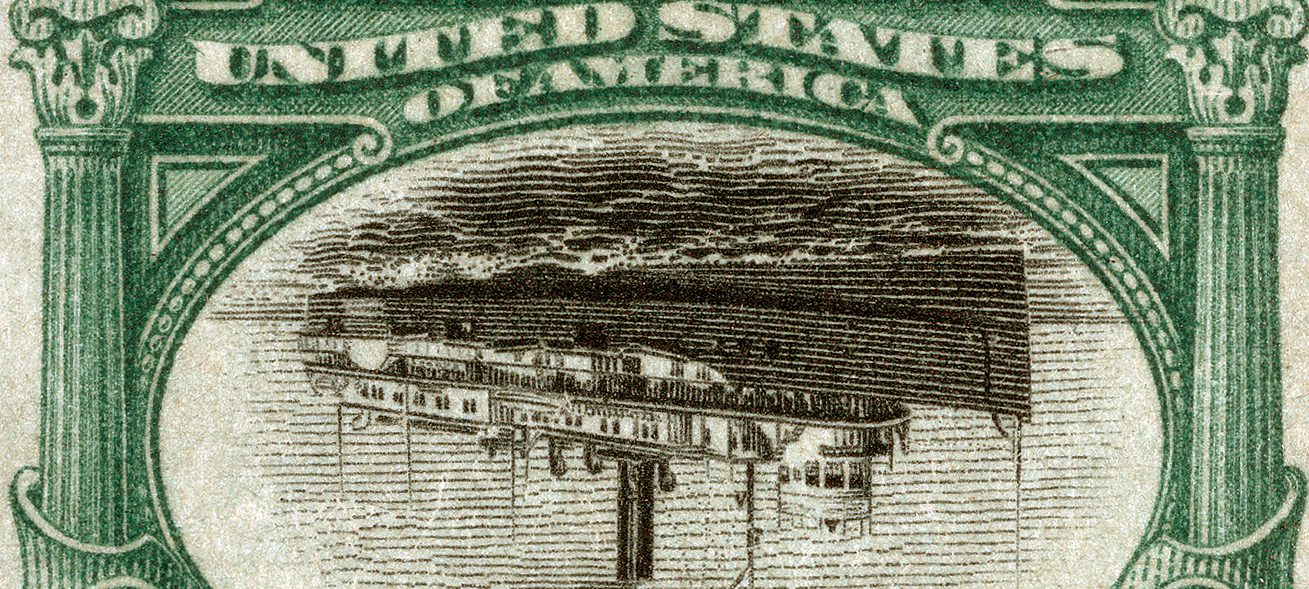
The Pan-American Exposition opened to the public on May 1, 1901, in Buffalo, New York. That same day the set of six Pan-American stamps went on sale.
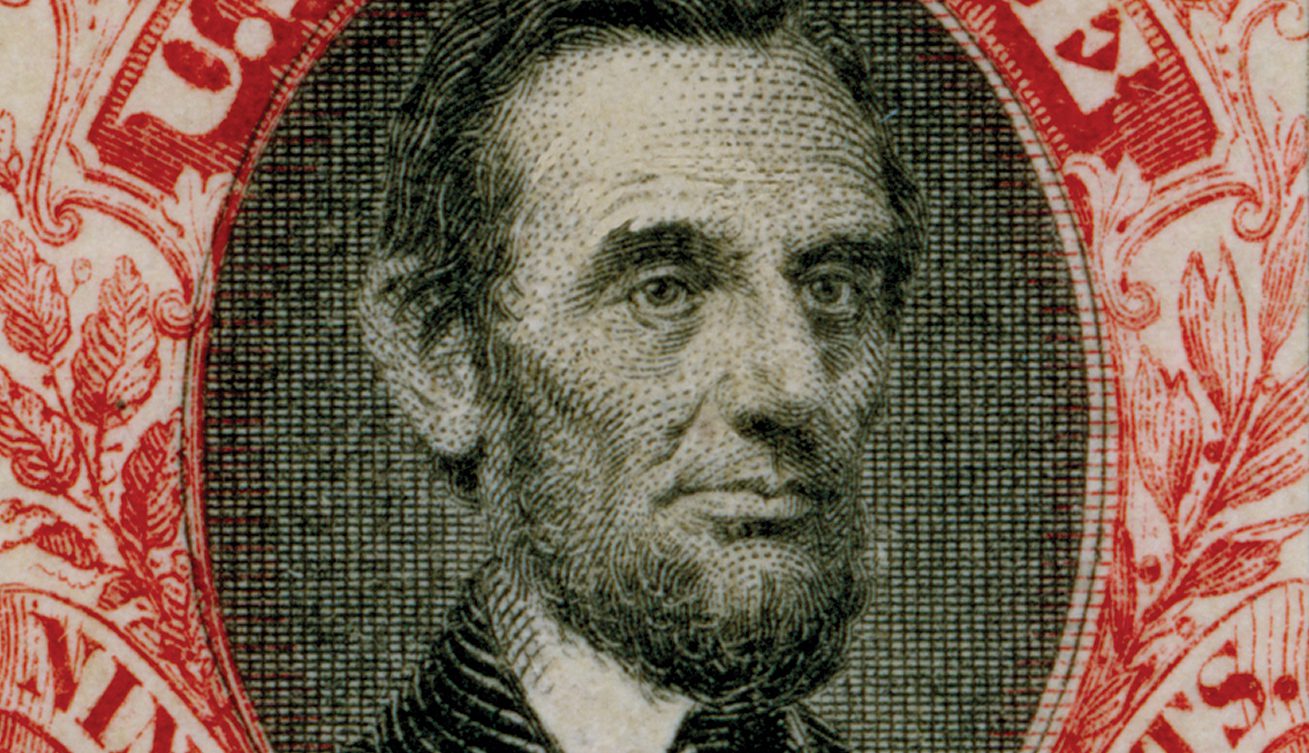
On April 15, 1865, President Lincoln died less than 12 hours after being shot by John Wilkes Booth. He was the first US president to be assassinated, just as the Civil War was drawing to a close.

Benjamin Harrison, America’s 23rd president died on March 13, 1901. His administration was notable for its antitrust, financial, and foreign policy initiatives.