Happy Birthday Félix Varela
Félix Varela y Morales was born on November 20, 1788, in Havana, Cuba. A priest and teacher, he spent his life helping the poor and sick.


Félix Varela y Morales was born on November 20, 1788, in Havana, Cuba. A priest and teacher, he spent his life helping the poor and sick.
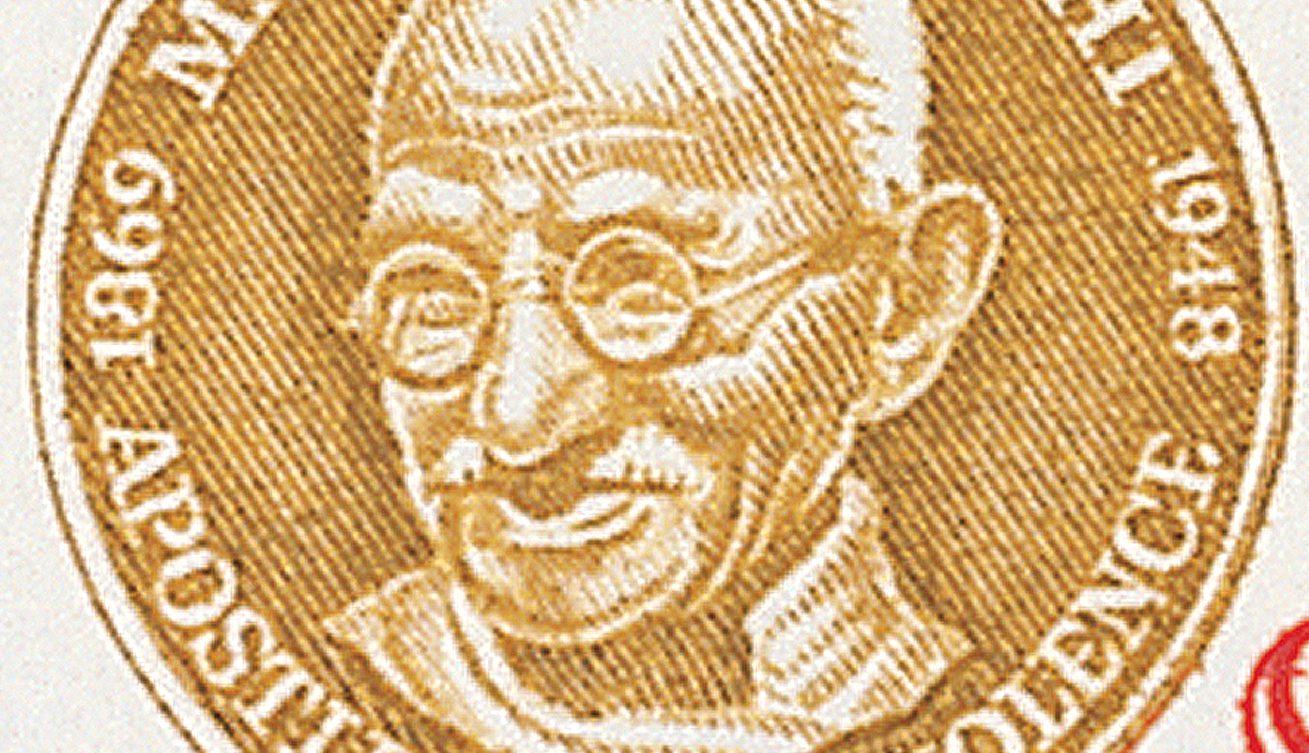
Mohandas Karamchand Gandhi was born on October 2, 1869, in Porbandar, India. Gandhi is known worldwide for his peaceful protests and campaign that finally earned India its independence from British rule.

The “Supreme Poet” Dante Alighieri is believed to have died on September 14, 1321. His Divine Comedy is considered one of the most important poems of the Middle Ages and the Italian language.

Reverend Theodore Martin Hesburgh was born on May 25, 1917, in Syracuse, New York. He served as president Notre Dame University for 35 years, transforming it into one of the best colleges in America.
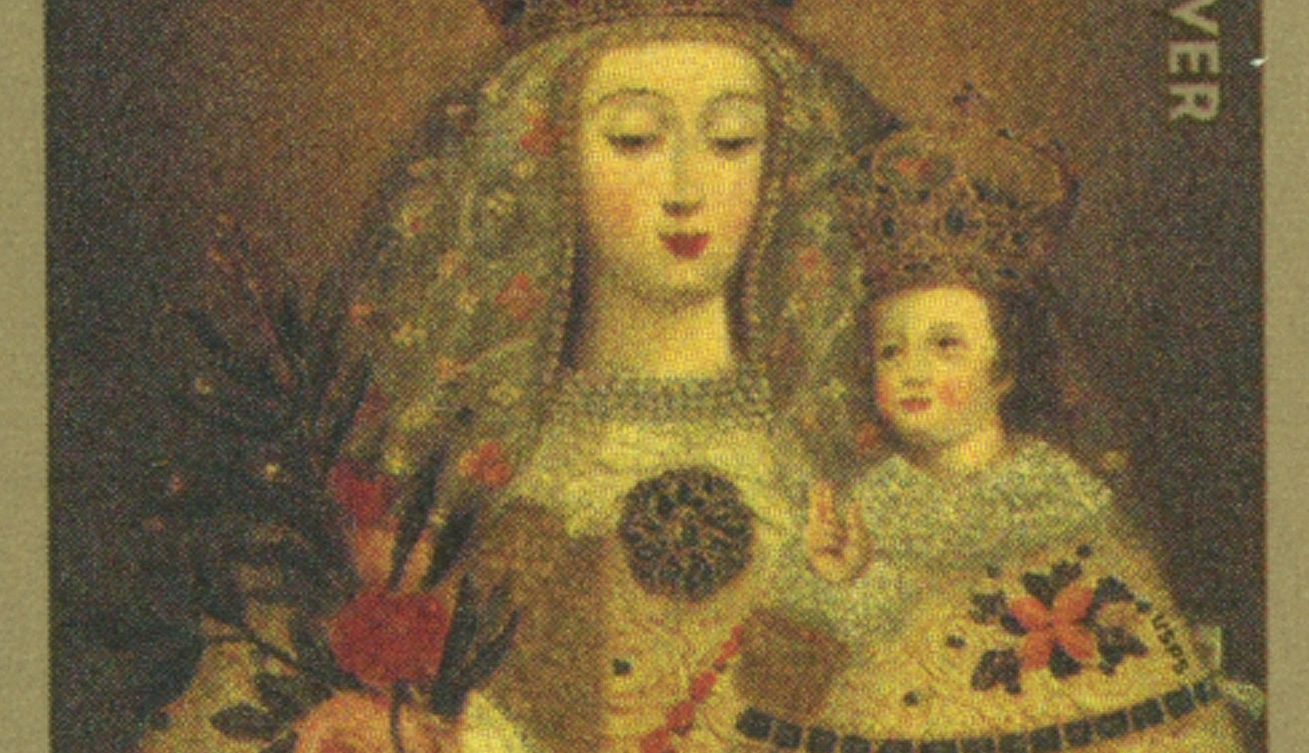
On December 30, 1696, it is said a miracle took place in Guápulo, Ecuador. That miracle was performed by the Virgin Mary (called the “Lady of the Cloud” by certain communities in Ecuador and Peru). The event became an important part of Guapulo’s culture.

On December 2, 1763, the Touro Synagogue was officially dedicated after four years of construction. Today, it’s the oldest standing synagogue in the US.
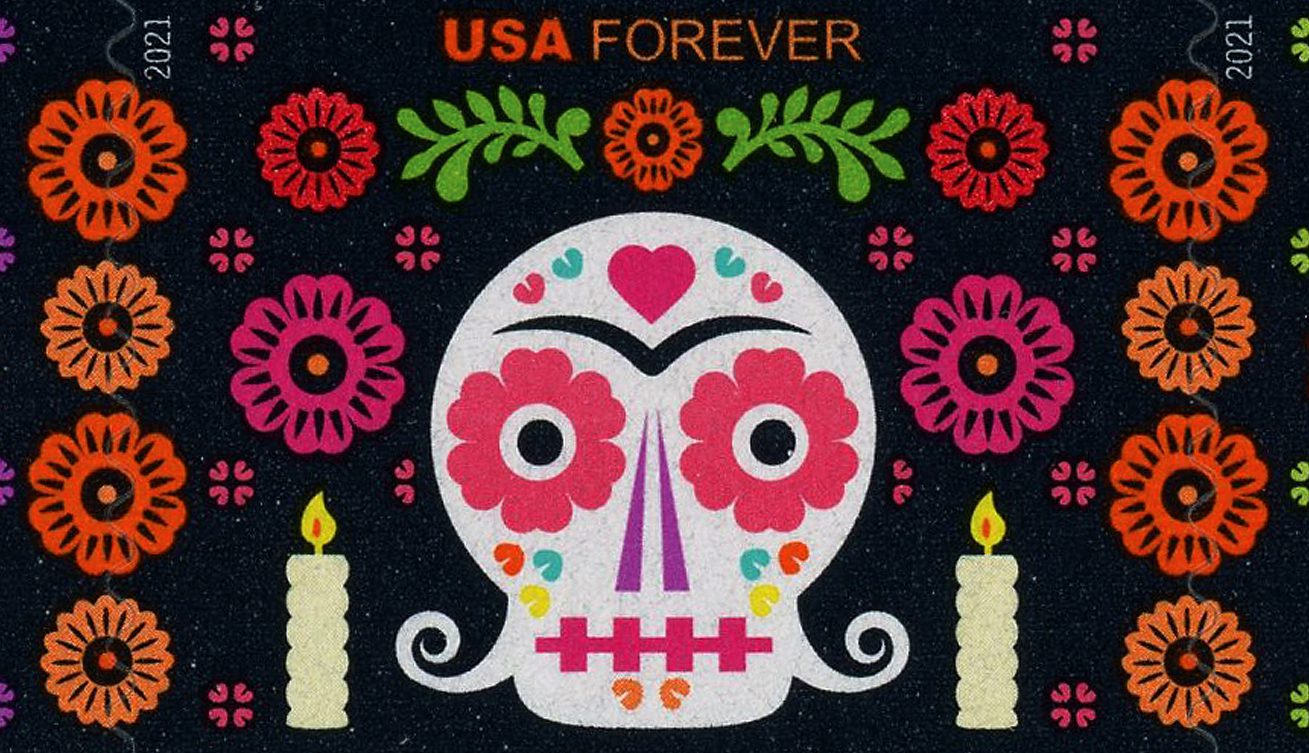
Celebrated annually on November 1, the Day of the Dead (Día de los Muertos) is a time to celebrate lost loved ones. While the holiday is a relatively modern tradition, its origins date back thousands of years.

Do you know some of the early origins of Halloween? Or how Jack-o’-lanterns got their name? Read on to discover lots of neat Halloween history…

Missionary Frank Charles Laubach was born on September 2, 1884, in Benton, Pennsylvania. He dedicated his life to teaching people around the world to read, visiting more than 100 countries and developing books for 312 different languages.