Treaty of Amity and Commerce with Sweden
On April 3, 1783, the US signed the Treaty of Amity and Commerce with Sweden, the first such treaty between the US and a country that wasn’t an ally in the Revolutionary War.

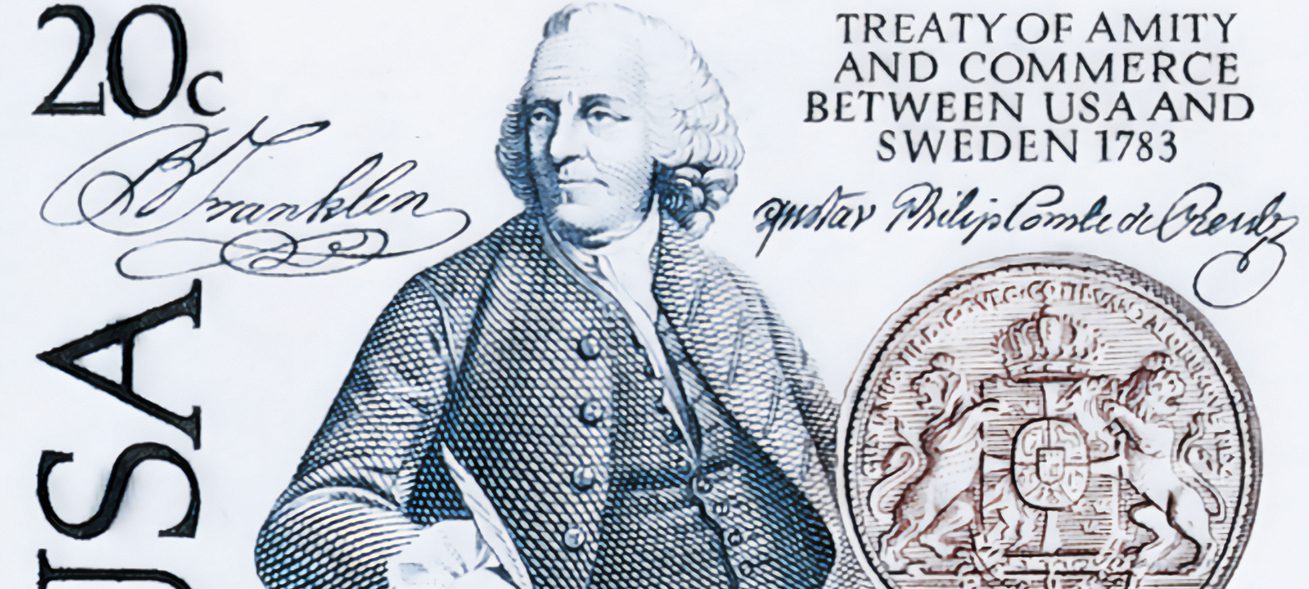
On April 3, 1783, the US signed the Treaty of Amity and Commerce with Sweden, the first such treaty between the US and a country that wasn’t an ally in the Revolutionary War.
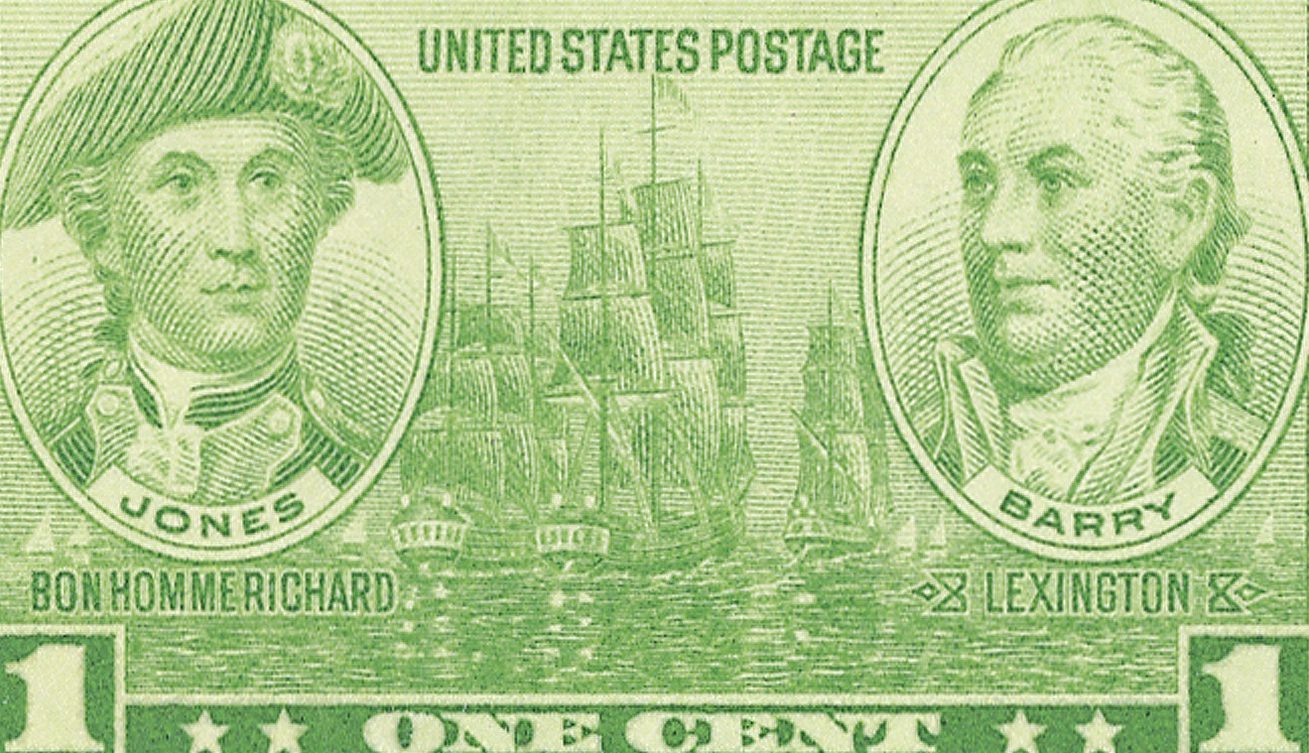
Naval officer John Barry was born on March 25, 1745, in Tacumshane, Ireland. A hero of the Revolutionary War, he’s been called the “Father of the American Navy.”
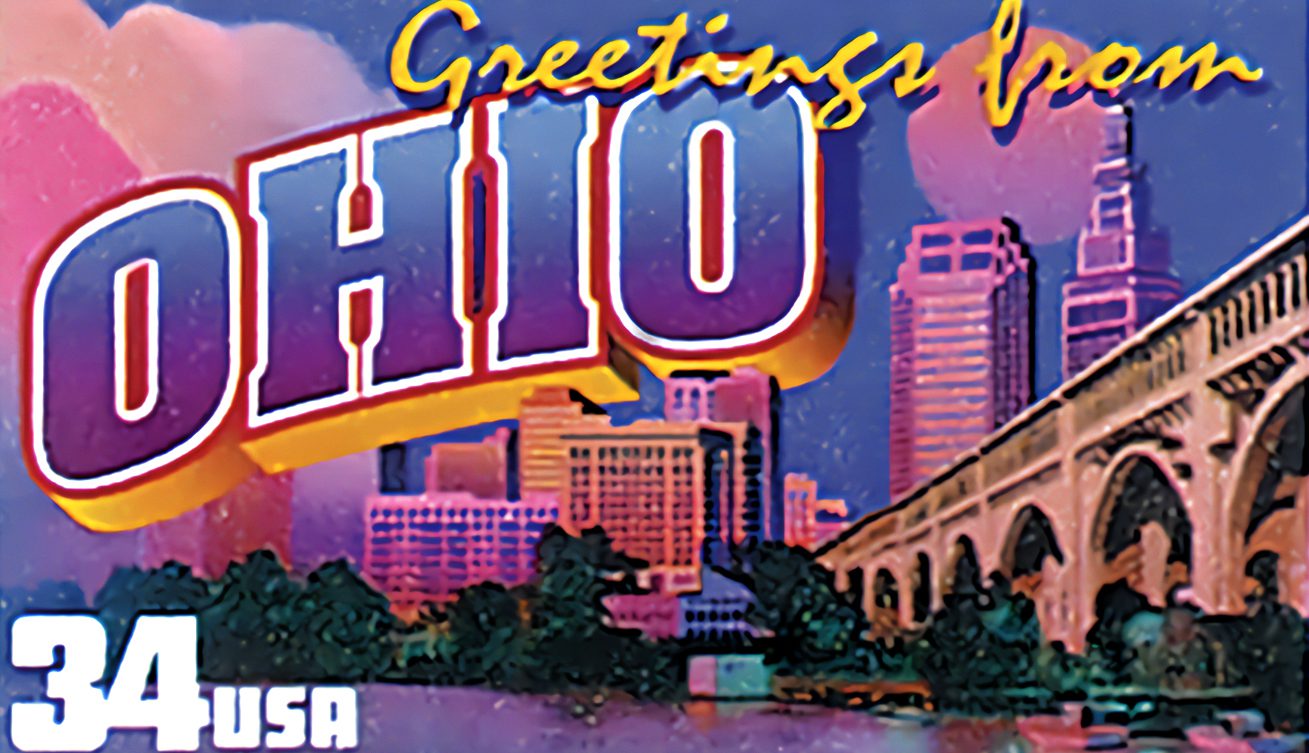
On March 1, 1803, Ohio was admitted as the 17th state of the Union. Named for the Ohio River, the word Ohio comes from the Seneca people, meaning “great river.”
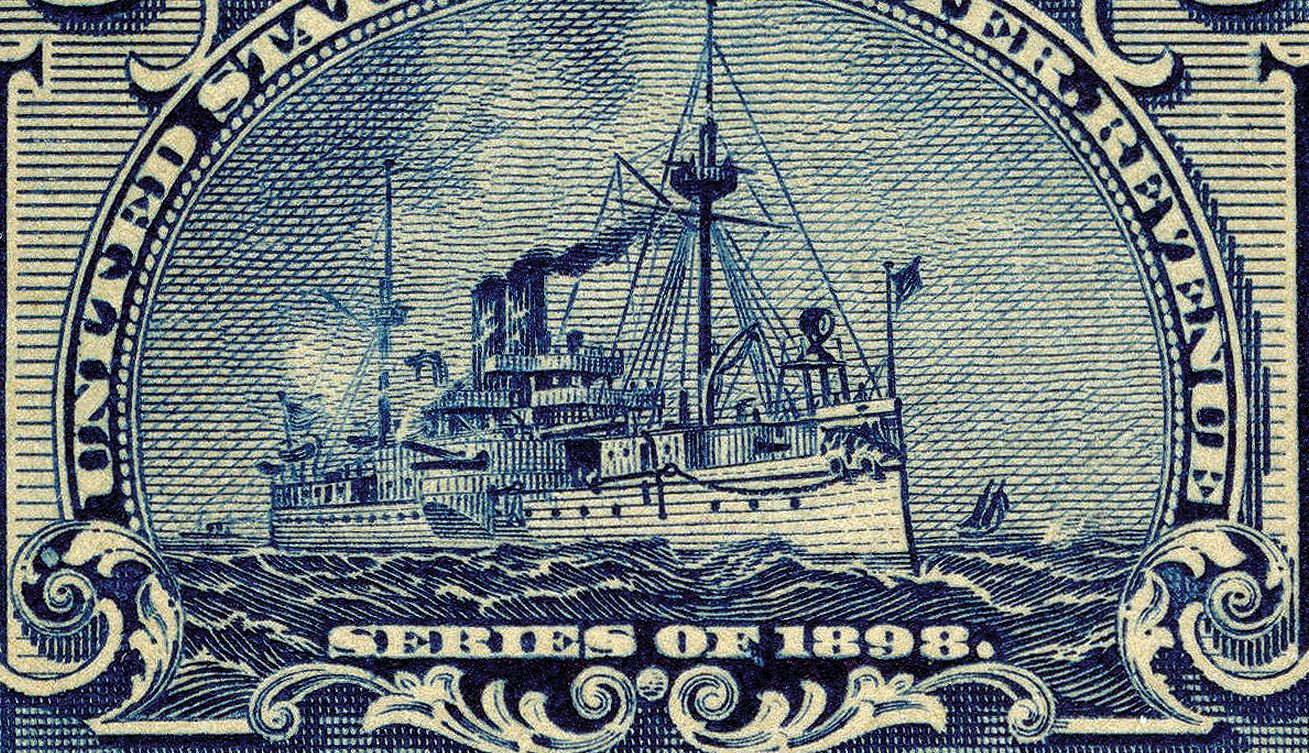
On February 15, 1898, the USS Maine mysteriously exploded in Havana Harbor, leading the US to declare war on Spain two months later. Special Revenue stamps depicting the Maine were produced to fund the Spanish-American War and the event had a significant impact on US postage stamps.
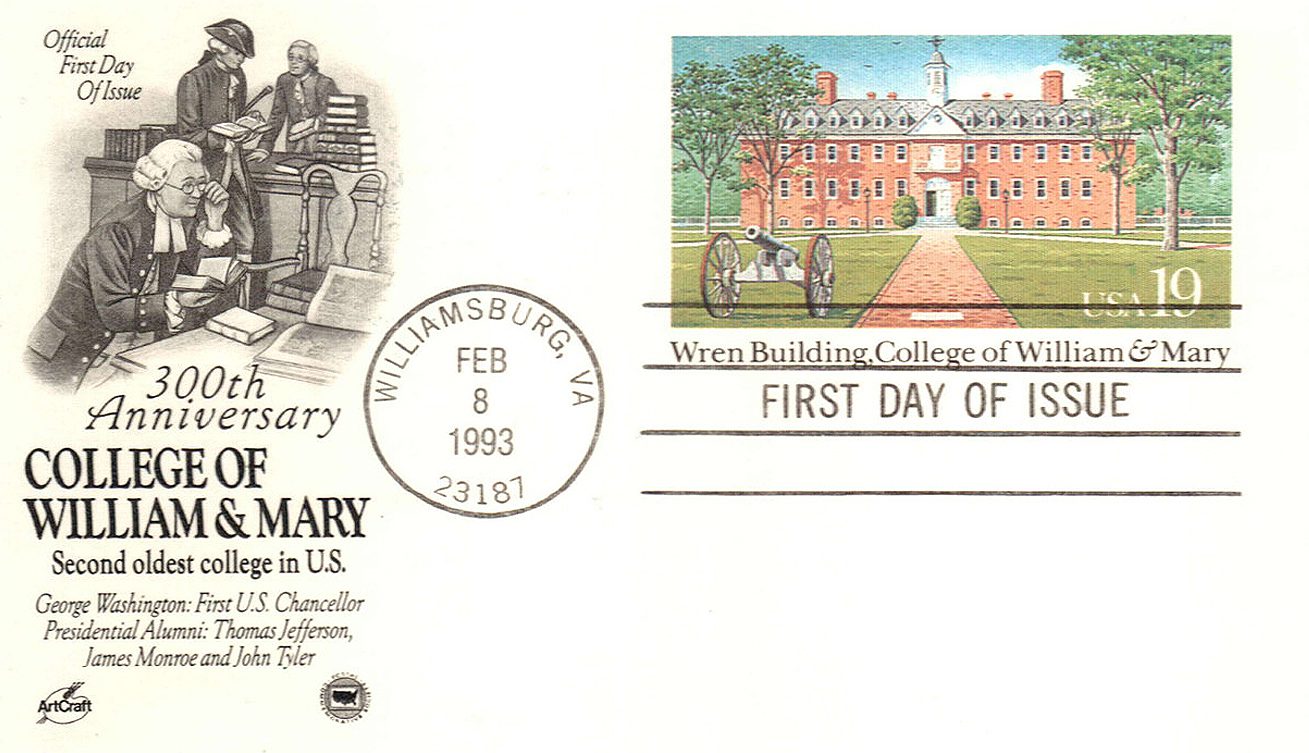
On February 8, 1693, a royal charter officially established the College of William and Mary. Today it’s the second-oldest college in America (behind Harvard).

On February 3, 1690, the Massachusetts Bay Colony issued the first paper money in America. Known as a “bill of credit,” it was a popular experiment that was quickly put into use in the other colonies.

John Hancock was born on January 23, 1737, in Braintree, Massachusetts. He was the longest-serving president of the Continental Congress, governor of Massachusetts, and famous signer of the Declaration of Independence.

On January 4, 1754, King’s College (later Columbia University) was founded in New York. It’s the oldest university in New York and the fifth oldest in the US.

On January 2, 1952, the US Post Office Department issued a commemorative stamp honoring Betsy Ross, one day after her 200th birthday. The stamp pictures Ross presenting the flag to George Washington and the Flag Committee.