First Run of the Best Friend of Charleston
On December 25, 1830, the Best Friend of Charleston completed its first run. It was the first American-built steam locomotive to haul a train of passenger cars on a public railroad.

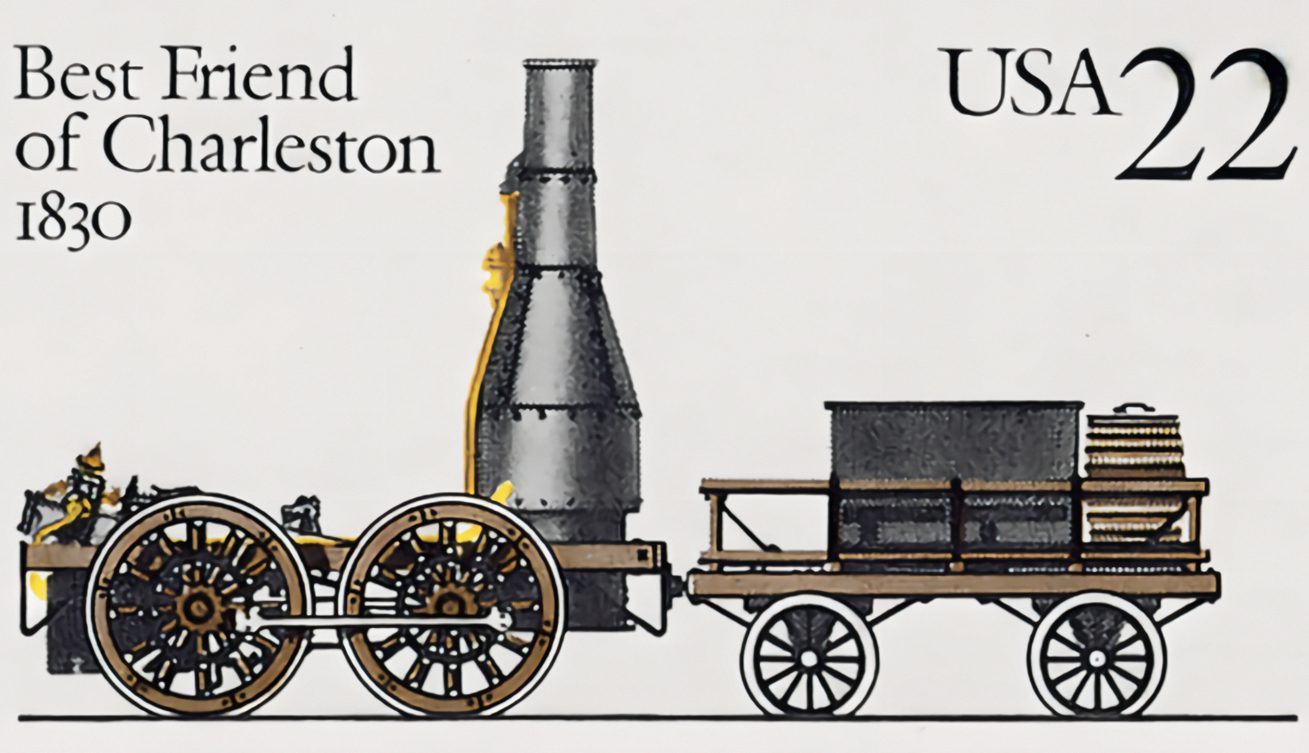
On December 25, 1830, the Best Friend of Charleston completed its first run. It was the first American-built steam locomotive to haul a train of passenger cars on a public railroad.
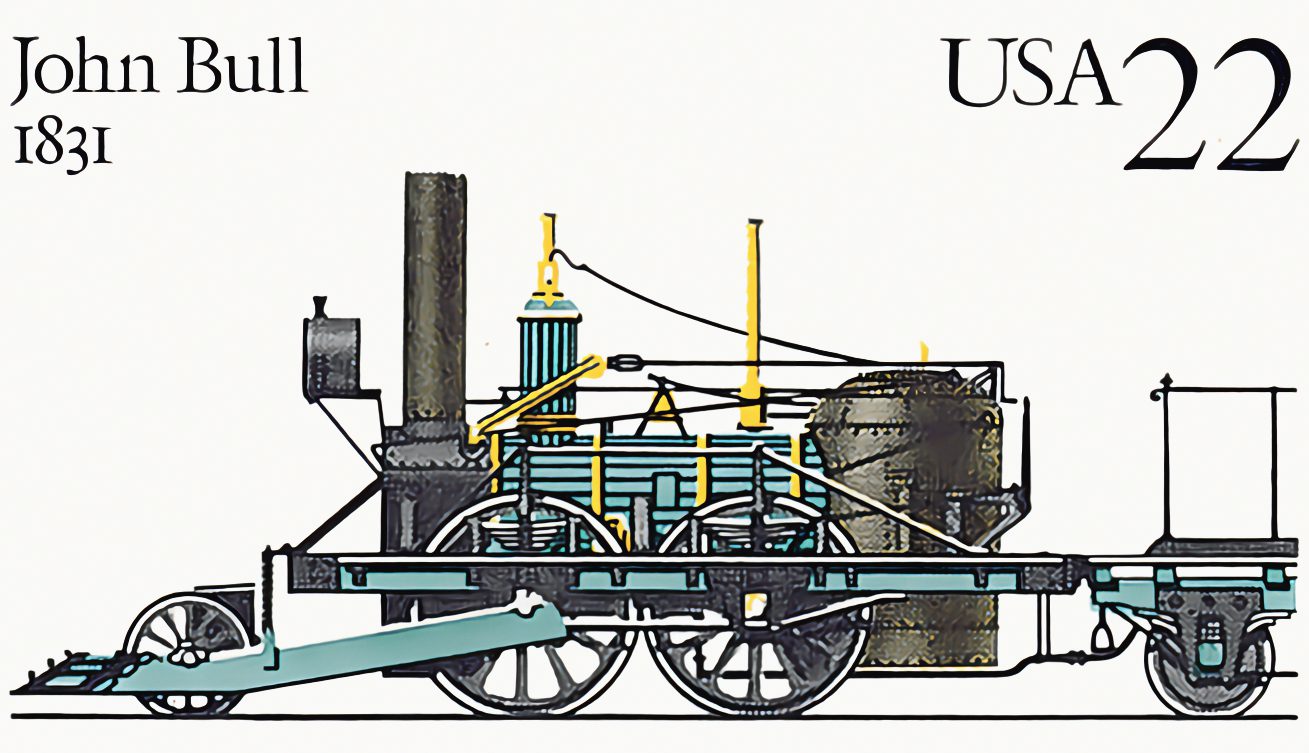
On September 15, 1831, the John Bull steam locomotive made its inaugural trip on New Jersey’s first railroad. It became a symbol of early railroad innovation and the beginning of a new era of transportation, marking a turning point that demonstrated the promise of steam power to move goods and passengers faster than ever before.
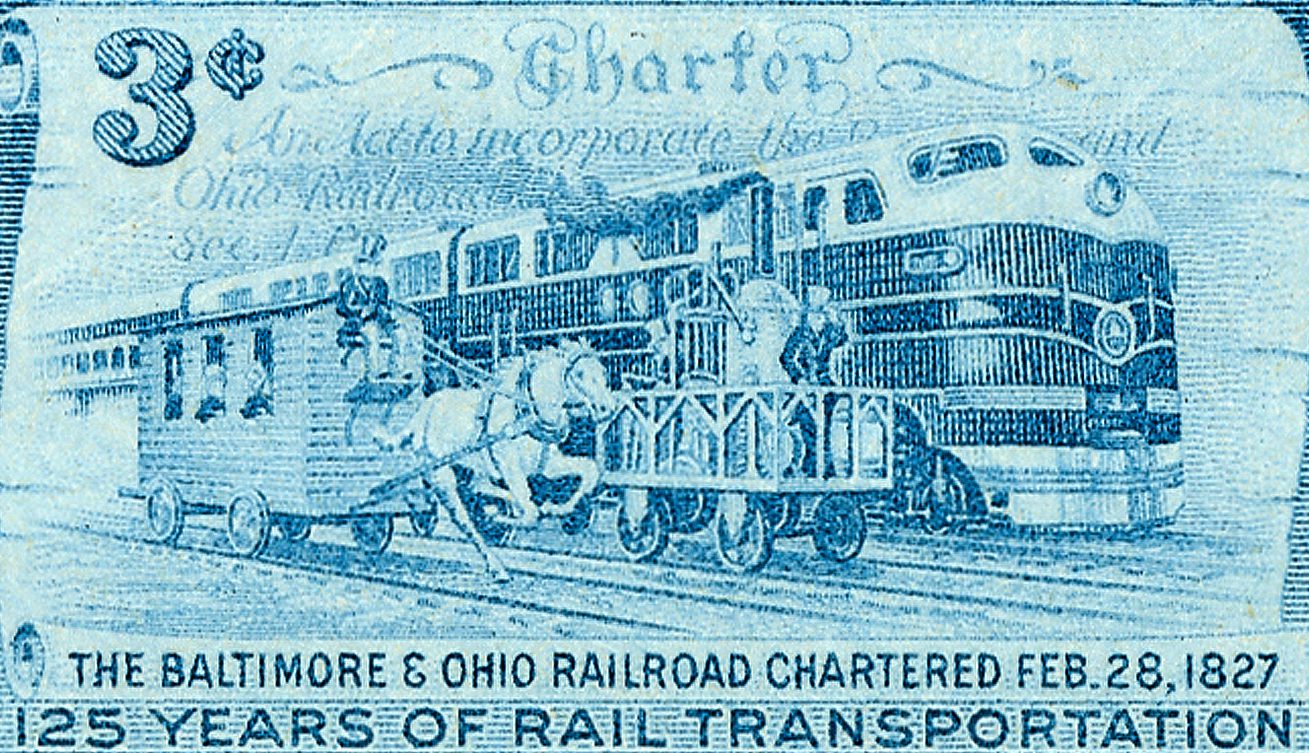
On August 28, 1830, the Tom Thumb steam locomotive raced against a horse-drawn car near Baltimore, Maryland. Though the contest ended unexpectedly, it proved to railroad executives and the public that steam power would revolutionize transportation.
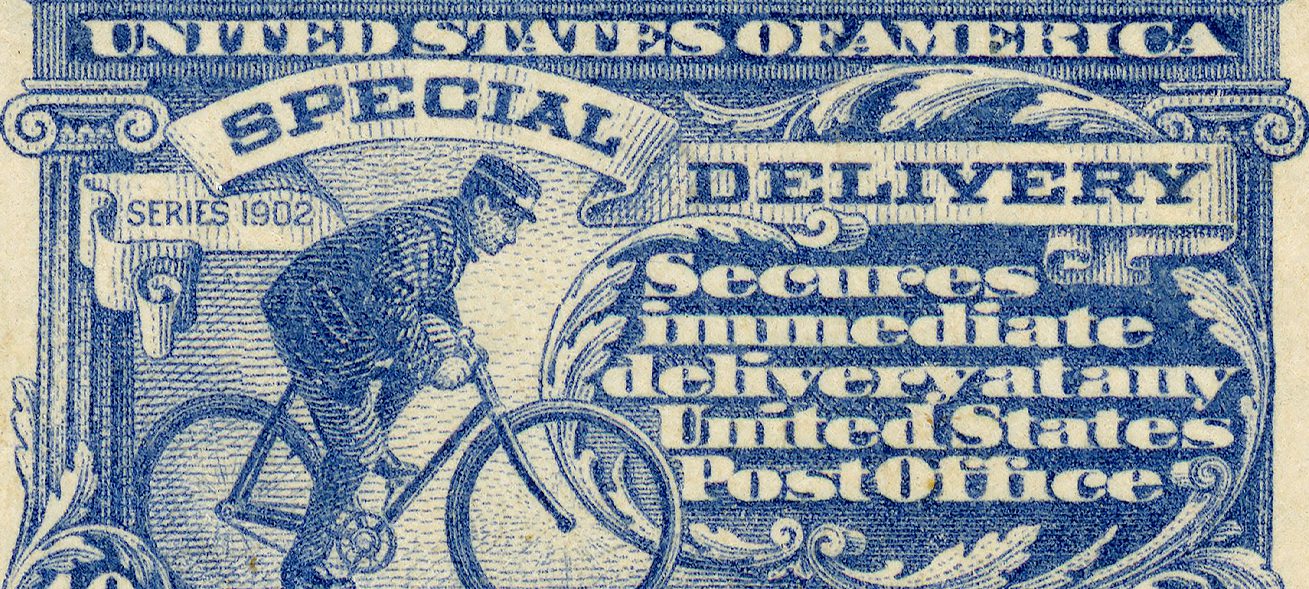
On July 6, 1894, a San Francisco businessman operated a short-lived bicycle mail route in San Francisco, complete with his own stamps.

On June 27, 1895, the Baltimore and Ohio Railroad’s Royal Blue became the first US passenger service to use electric locomotives, signaling a new era of modern rail travel. Running from Washington, DC, to New York City, the train combined speed, comfort, and cutting-edge technology.
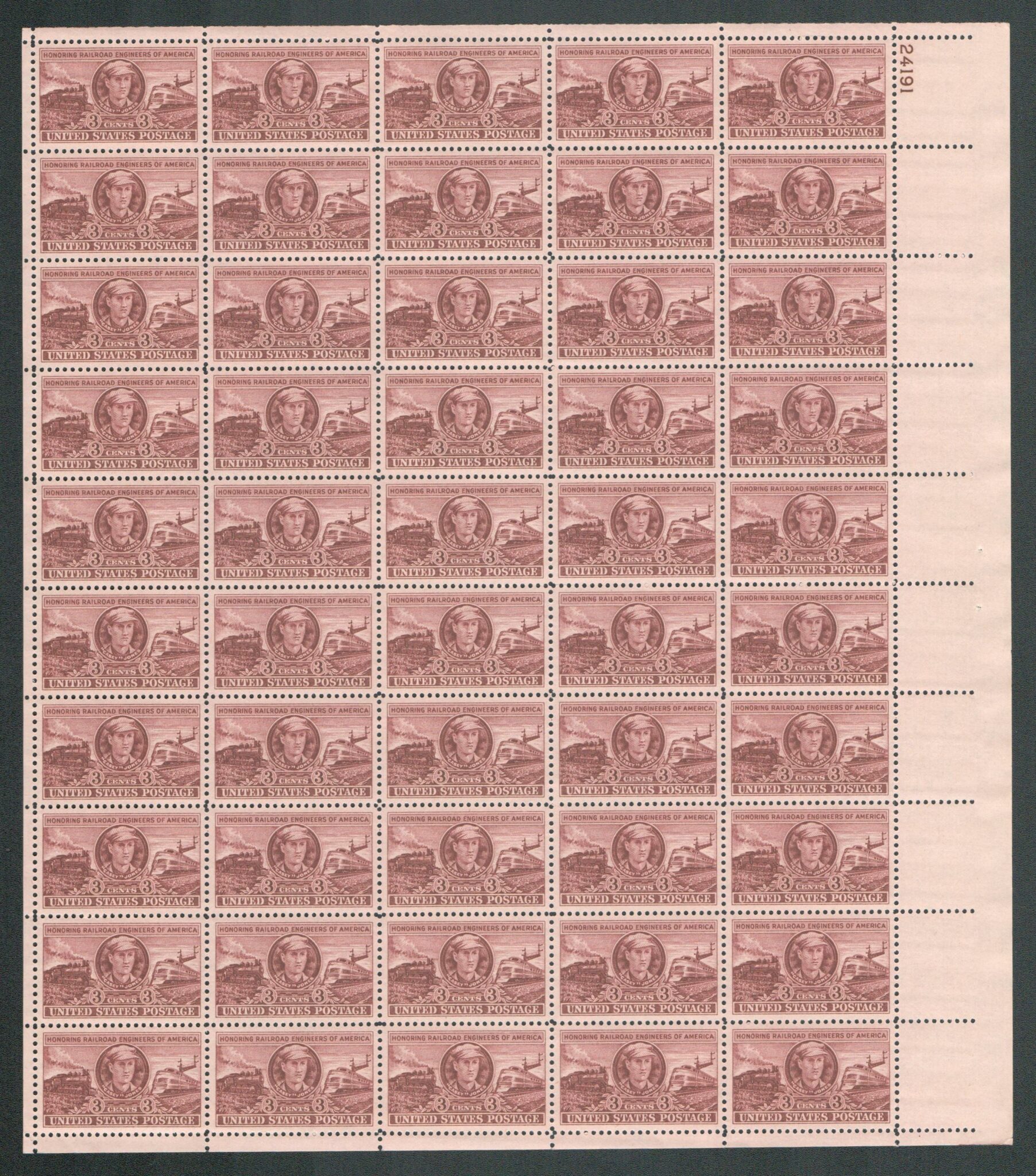
Train engineer Jonathon Luther Jones was born on March 14, 1863, in Missouri. He later became an American folk hero after sacrificing his own life to save his passengers.

On February 5, 1945, the US began a secret operation to overthrow Hitler with postage stamps.

Sculptor Alexander Calder was born on July 22, 1898, in Lawnton, Pennsylvania. He was best known for his moving art “mobiles” stationary sculpture “stabiles” as well as monumental-sized public works.

On June 17, 1898, the prized Trans-Mississippi stamps were issued as part of the Trans-Mississippi Exposition in Omaha, Nebraska.