End of Prohibition
On December 5, 1933 the 21st Amendment was ratified, ending prohibition after nearly 15 years.
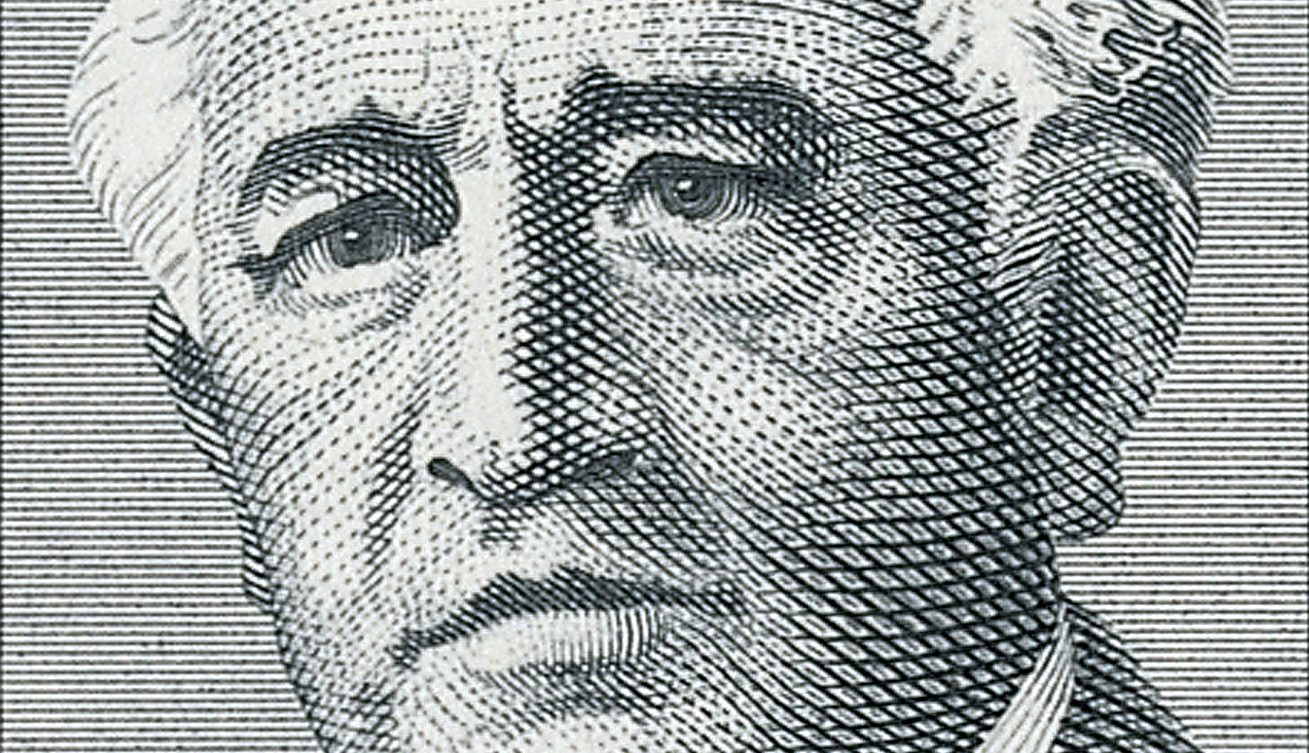
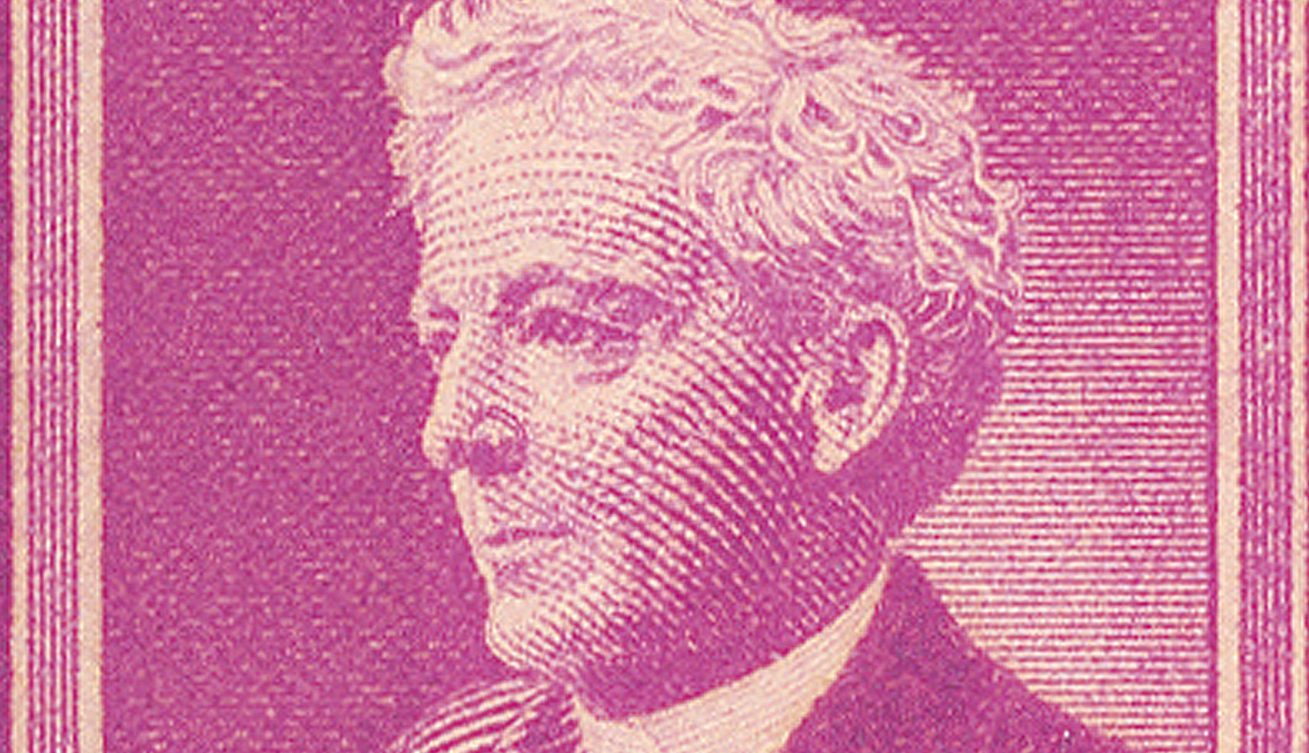
On November 30, 1880, Belva Ann Lockwood became the first woman to argue a case before the US Supreme Court. She was the first female member of the US Supreme Court Bar and paved the way for future female lawyers.
On November 29, 1952, president-elect Dwight D. Eisenhower filled a campaign promise to visit Korea. He had been critical of Harry Truman’s handling of the Korean conflict and promised he would visit and bring an end to the war.
On November 28, 1922, skywriting was first used for advertising in American skies. It quickly grew in popularity, with advertisers finding a new way to deliver messages to a wider audience.
On November 27, 1932, the Bixby Creek Bridge opened on the Big Sur coast of California. It was the longest concrete arch span in California and the highest single-span arch bridge in the world at the time of its completion.
Clergyman John Harvard is believed to have been born on November 26, 1607, in Southward, Surrey, England. Though not a founder, Harvard donated half his fortune and his entire library to the school that was then named in his honor.
On November 25, 1783, the British Army left New York City following the American Revolutionary War. The date was celebrated for over a century as Evacuation Day, with celebrations rivaling those held on the Fourth of July.
US sailor Dorie Miller died on November 24, 1943, during the Battle of Makin. He had previously survived the attack on Pearl Harbor, for which he’d earned a Navy Cross.
America’s 14th president, Franklin Pierce, was born in Hillsborough, New Hampshire, on November 23, 1804. Despite his early popularity, Pierce only served one term due to his poor handling of the growing slavery issue.