American History

  • The Alaska Highway 

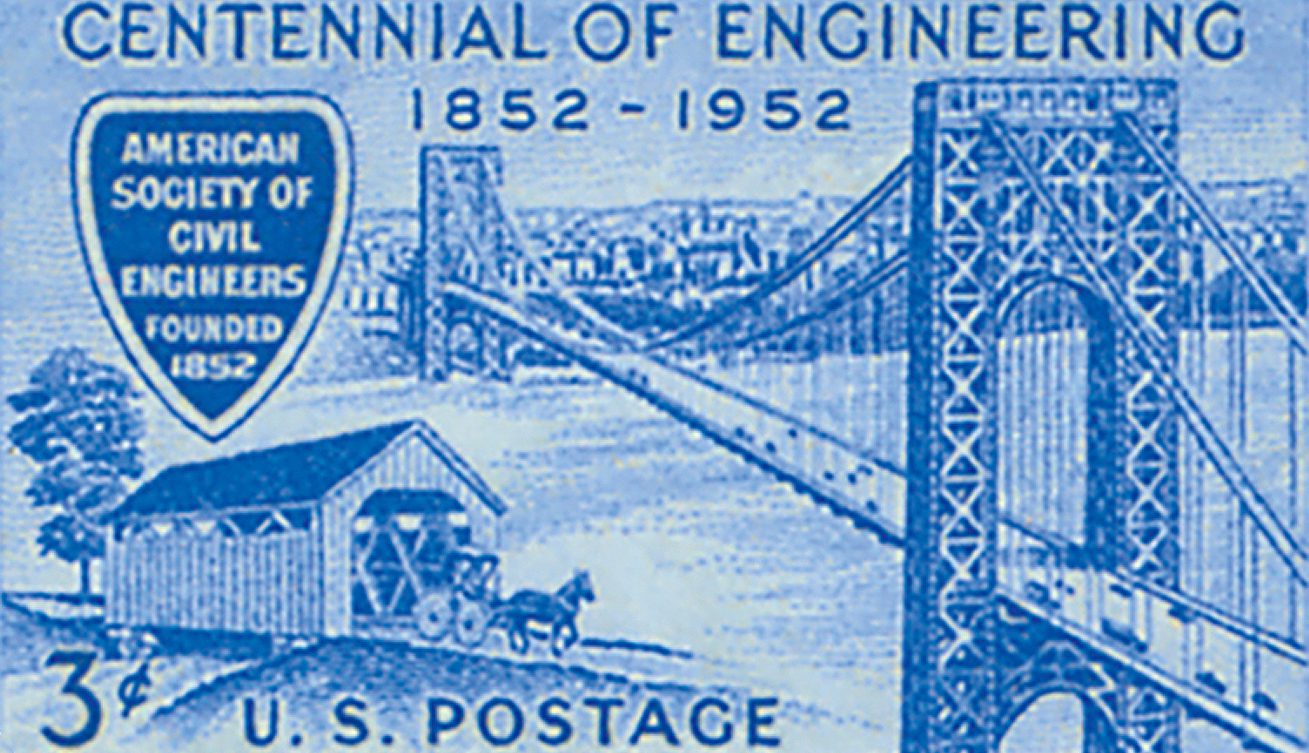
    On October 28, 1942, construction was completed on one of the most ambitious engineering projects of World War II — the 1,700-mile Alaska Highway. What began as a desperate military necessity became one of the great infrastructure achievements of the 20th century, linking Alaska to the continental United States for the first time by land.

  • Launch of the USS Constitution

    On October 21, 1797, the USS Constitution was launched into service in Boston Harbor. Today, more than two centuries later, it remains the world’s oldest commissioned naval ship still afloat — a proud symbol of the early United States Navy and the nation’s determination to protect its freedom and trade.

  • MacArthur’s Triumphant Return To Philippines 

    On October 20, 1944, General Douglas MacArthur fulfilled one of the most famous promises of World War II when he waded ashore on the Philippine island of Leyte and declared, “People of the Philippines, I have returned!” This moment marked the beginning of the long-awaited liberation of the Philippines from Japanese occupation and cemented MacArthur’s reputation as a determined and strategic military leader.

  • John Jay Becomes First Supreme Court Chief Justice

    On October 19, 1789, John Jay was sworn in as the first chief justice of the Supreme Court of the United States, becoming the head of a new judicial branch that would help define the rule of law in the young country. Though the event was modest in ceremony, it marked the beginning of one of the most important institutions in American government.

  • The United Way

    The United Way traces its beginnings to October 16, 1887, when a priest, two ministers, and a rabbi met in Denver, Colorado, to find a better way to help their struggling community. That meeting led to the creation of an organized, citywide effort to coordinate charitable giving—a movement that would eventually grow into the United Way of America.

  • Birth of Dr. Allison Davis

    Dr. William Boyd Allison Davis, born on October 14, 1902, in Washington, DC, was a scholar who devoted his life to breaking down the barriers of race, class, and inequality in education. At a time when few African Americans were given a platform in the nation’s top universities, Davis used his voice and intellect to challenge the systems that defined how—and for whom—education worked in America. His pioneering research changed the way educators and policymakers viewed learning, fairness, and opportunity.