“V” for Victory Campaign
On July 19, 1941, British Prime Minister Winston Churchill officially established the “V” for Victory campaign. The letter “V” became a rallying cry for people in occupied nations as well as Germans who opposed the Nazis.

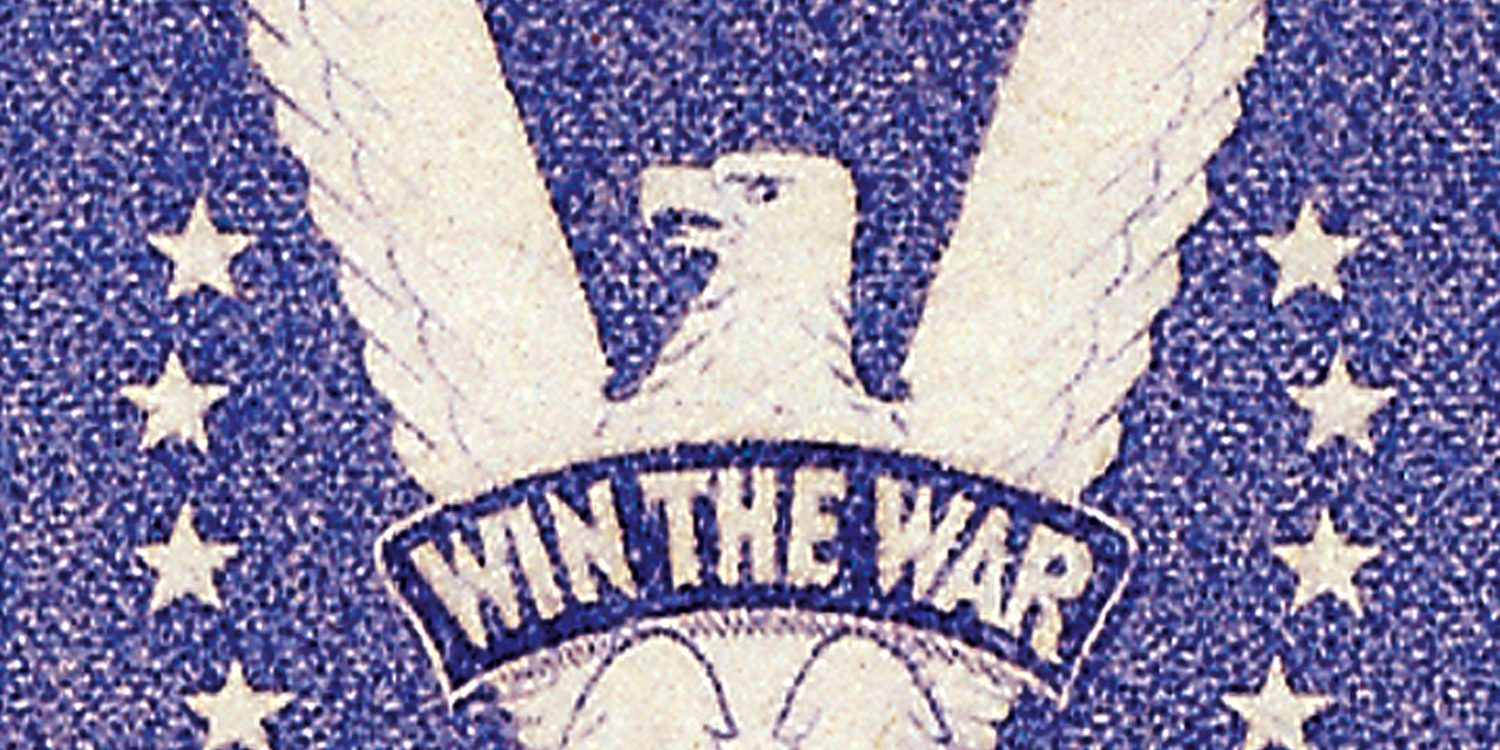
On July 19, 1941, British Prime Minister Winston Churchill officially established the “V” for Victory campaign. The letter “V” became a rallying cry for people in occupied nations as well as Germans who opposed the Nazis.

On July 17, 1987, the USPS issued its first joint issue with Morocco, commemorating 200 years of diplomatic relations.
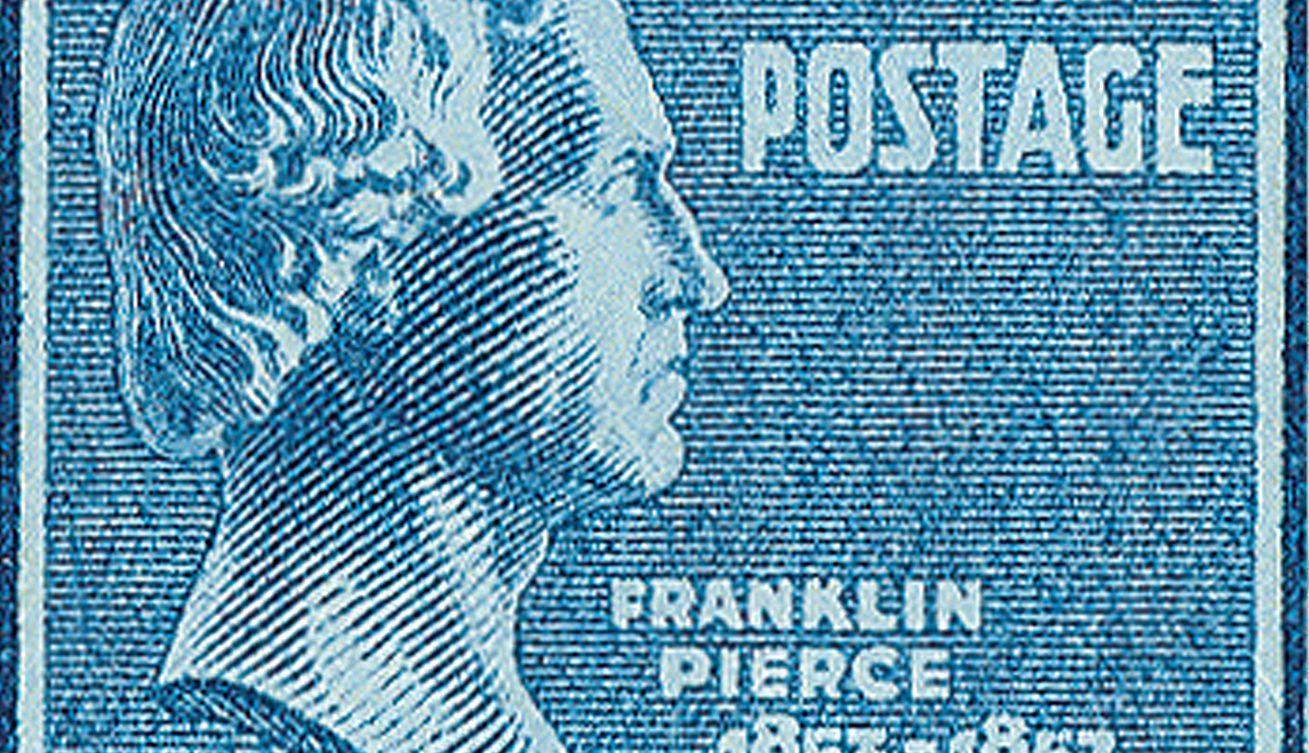
On July 14, 1853, President Franklin Pierce opened a glass-and-iron palace in New York City filled with machinery, art, and manufactured goods from around the world. The Exhibition of the Industry of All Nations became the first major world’s fair in the United States and tested whether New York could rival London as a center of industry and culture.
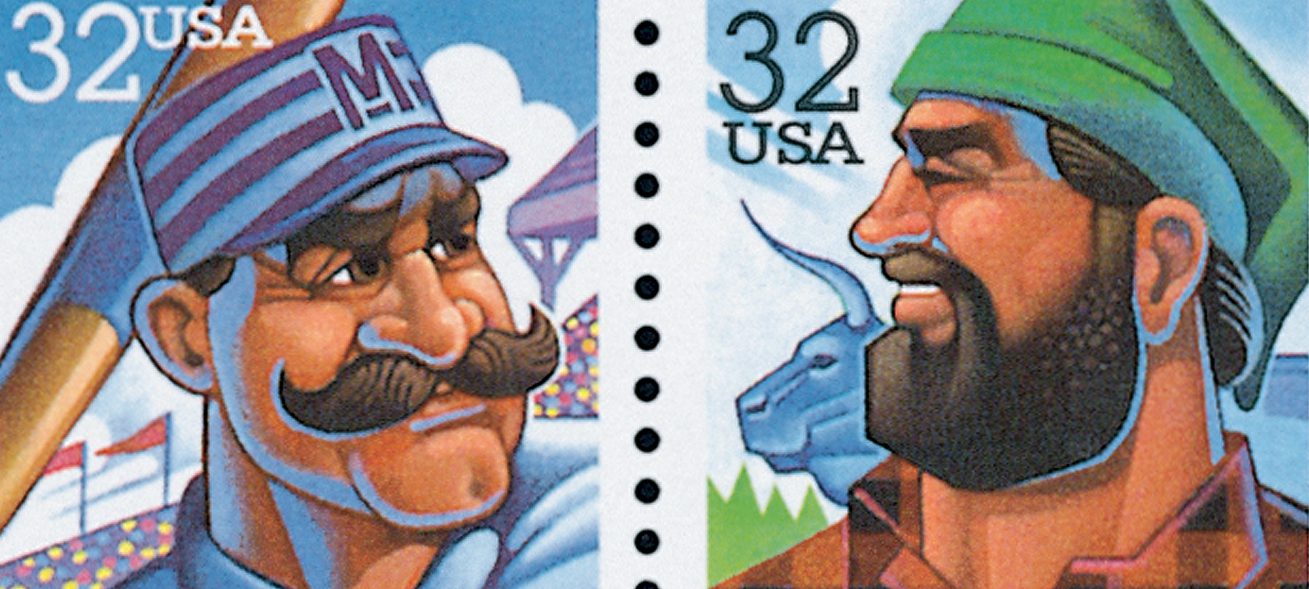
On July 11, 1996, the USPS issued four stamps honoring larger-than-life American Folk Heroes. The colorful set celebrated a mighty baseball slugger, a giant lumberjack, a legendary steel driver, and the wildest cowboy in the West.
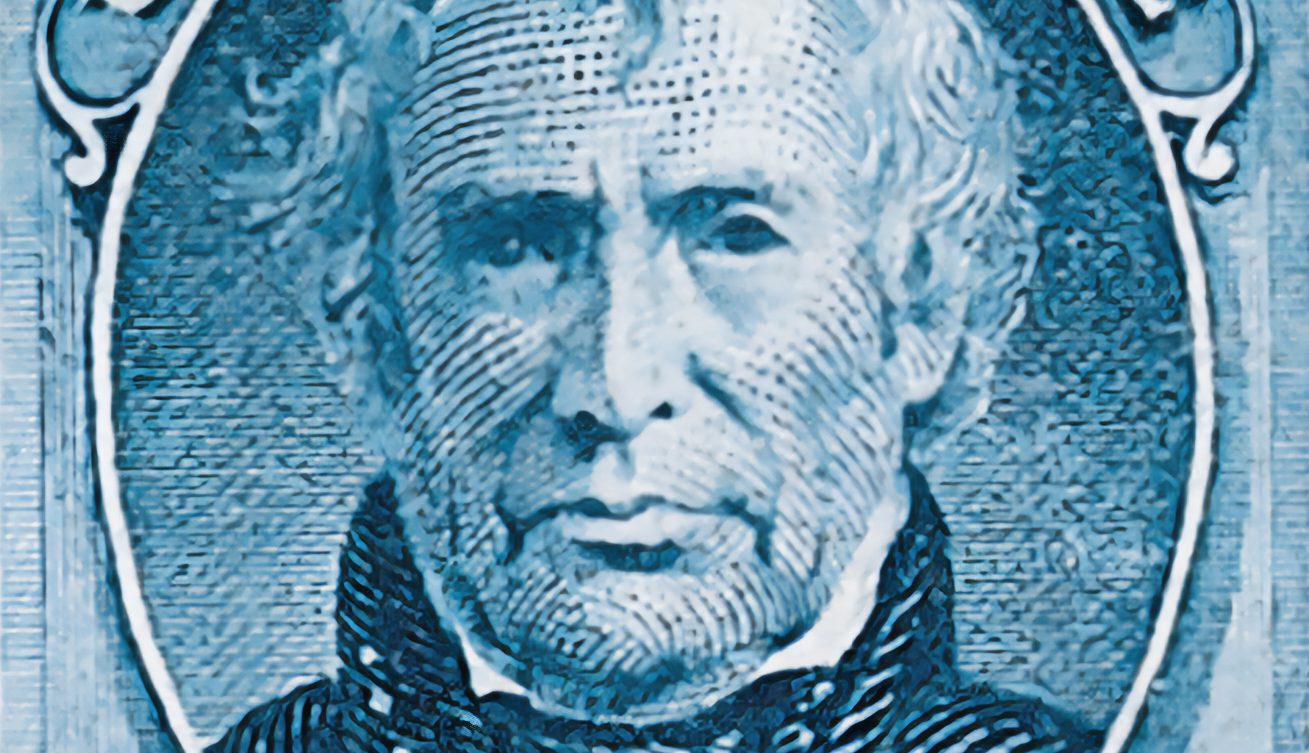
On July 9, 1850, President Zachary Taylor died just 16 months after taking office. His sudden death ended the presidency of a career soldier who had won national fame on the battlefield, then faced one of the most dangerous political crises in the nation’s history.
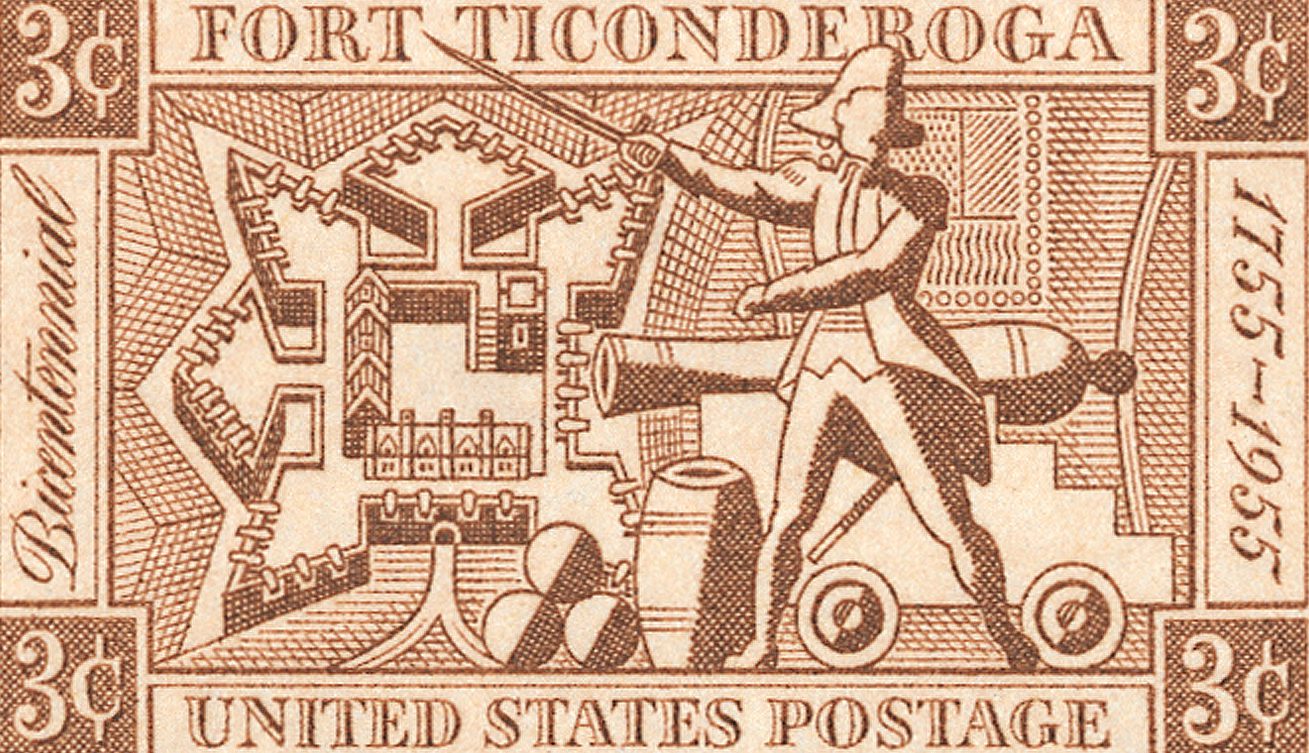
On July 6, 1777, British forces re-took Fort Ticonderoga, two years after Americans had captured it in a surprise attack. The victory seemed important at first, but it soon became one step in a campaign that ended in disaster for Britain at Saratoga.
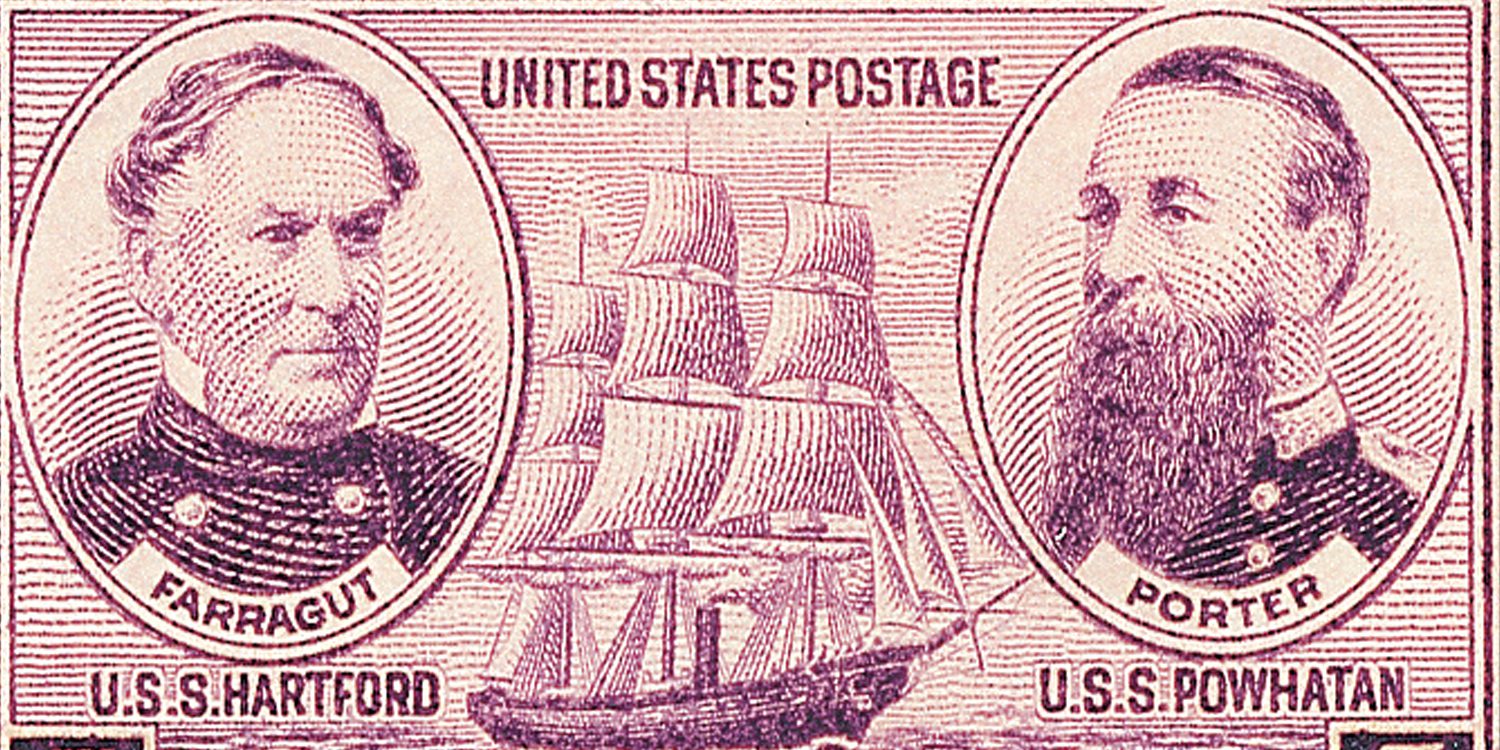
David Glasgow Farragut was born in Campbell’s Station (now Farragut), Tennessee, on July 5, 1801. A Civil War naval commander, the rank of admiral was created specifically for him.
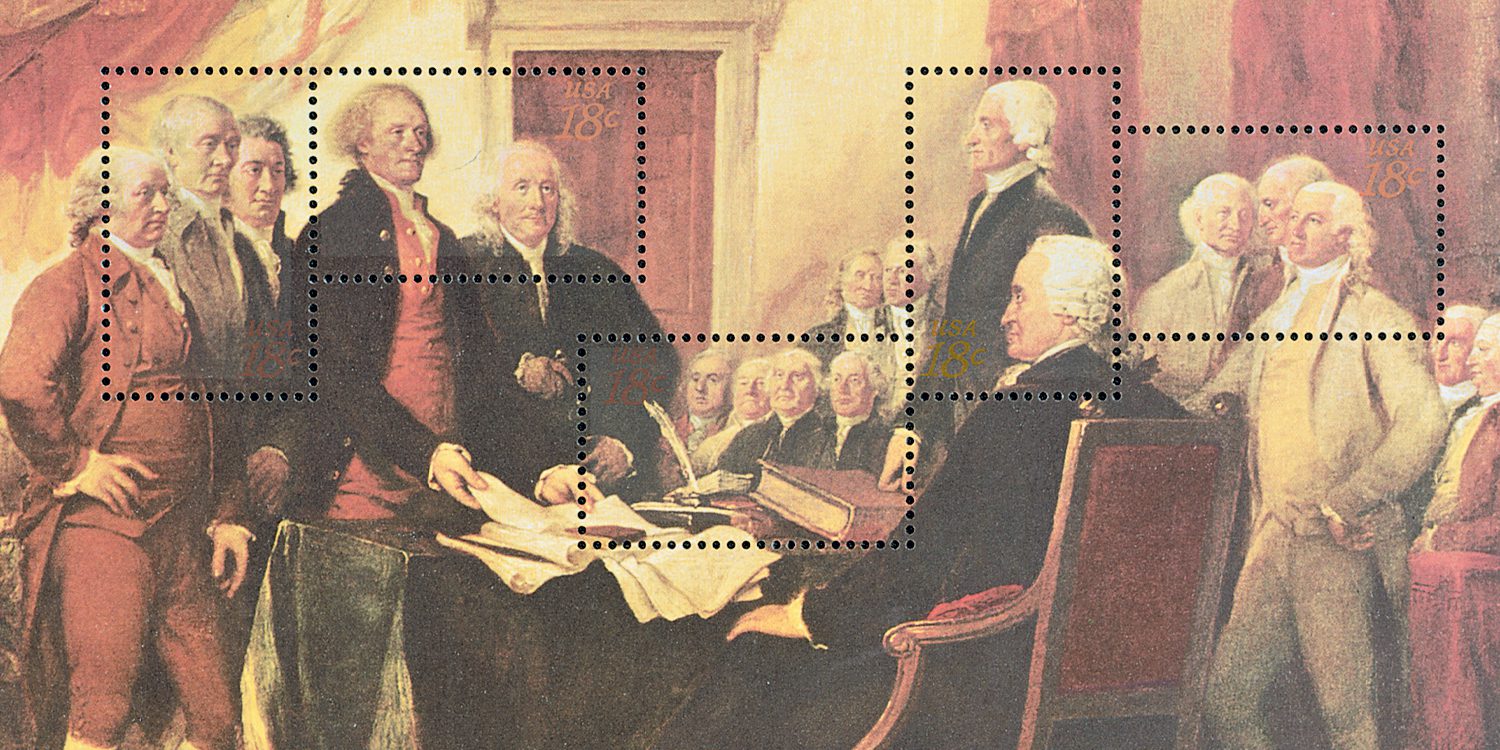
On July 4, 1776, the Second Continental Congress ratified the Declaration of Independence. One of America’s founding documents, it explained why the 13 colonies were at war with Great Britain and that they declared themselves to be independent sovereign states no longer under British rule.
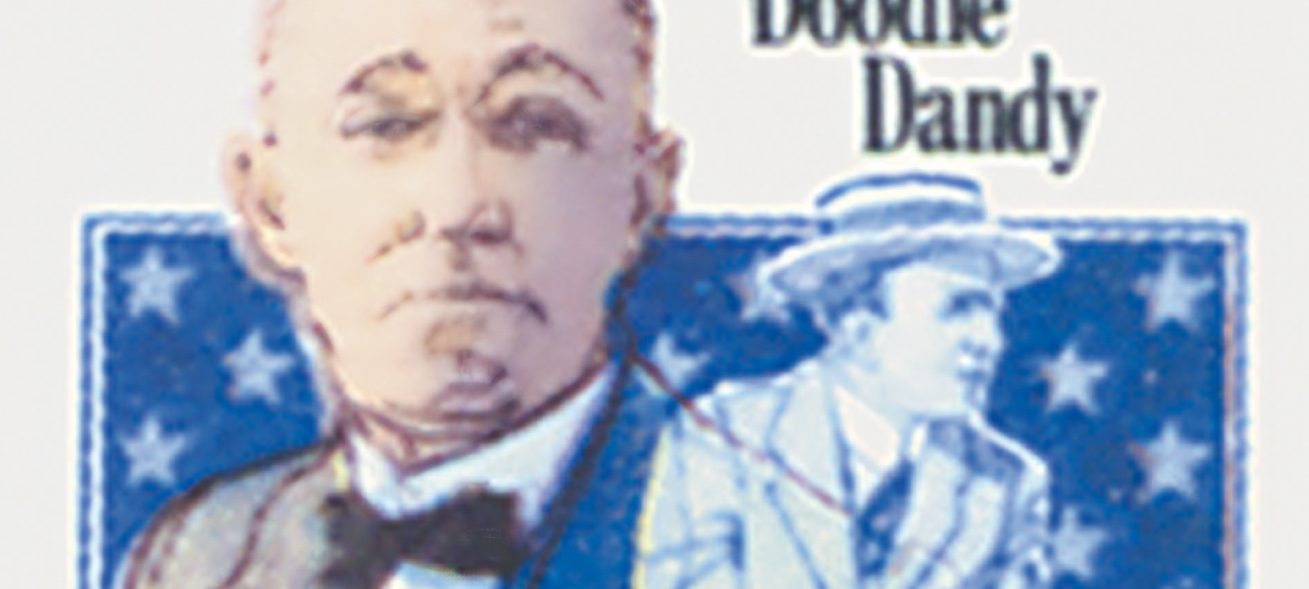
The father of American musical comedy, George Michael Cohan was born on July 3, 1878, in Providence, Rhode Island. He later became so closely associated with patriotic music that many Americans believed he had been born on the Fourth of July, a story Cohan himself enjoyed encouraging.