Battle of Verdun
On February 21, 1916, one of the longest battles on the Western Front began at Verdun. The nearly 10-month battle ended in a French victory, but at a high cost of lives on both sides.

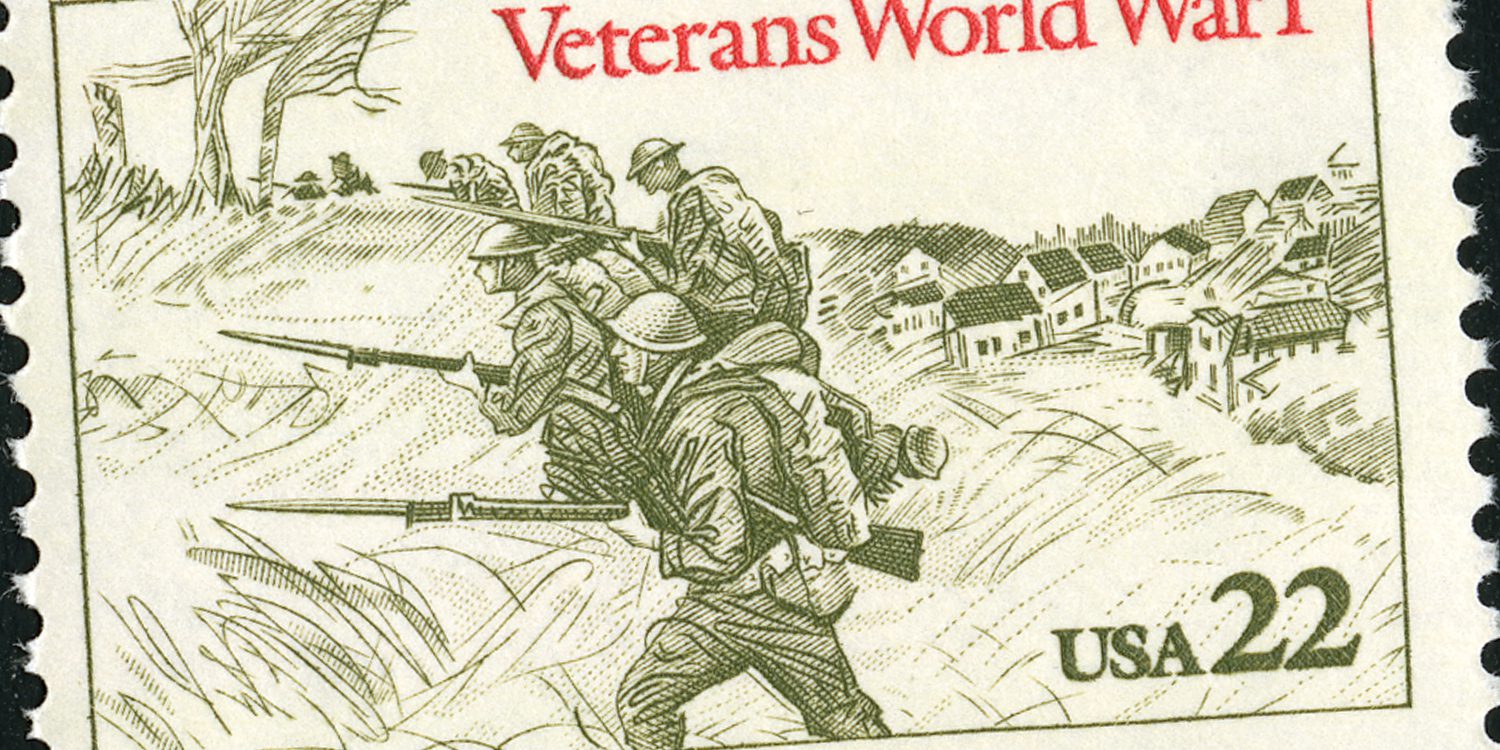
On February 21, 1916, one of the longest battles on the Western Front began at Verdun. The nearly 10-month battle ended in a French victory, but at a high cost of lives on both sides.
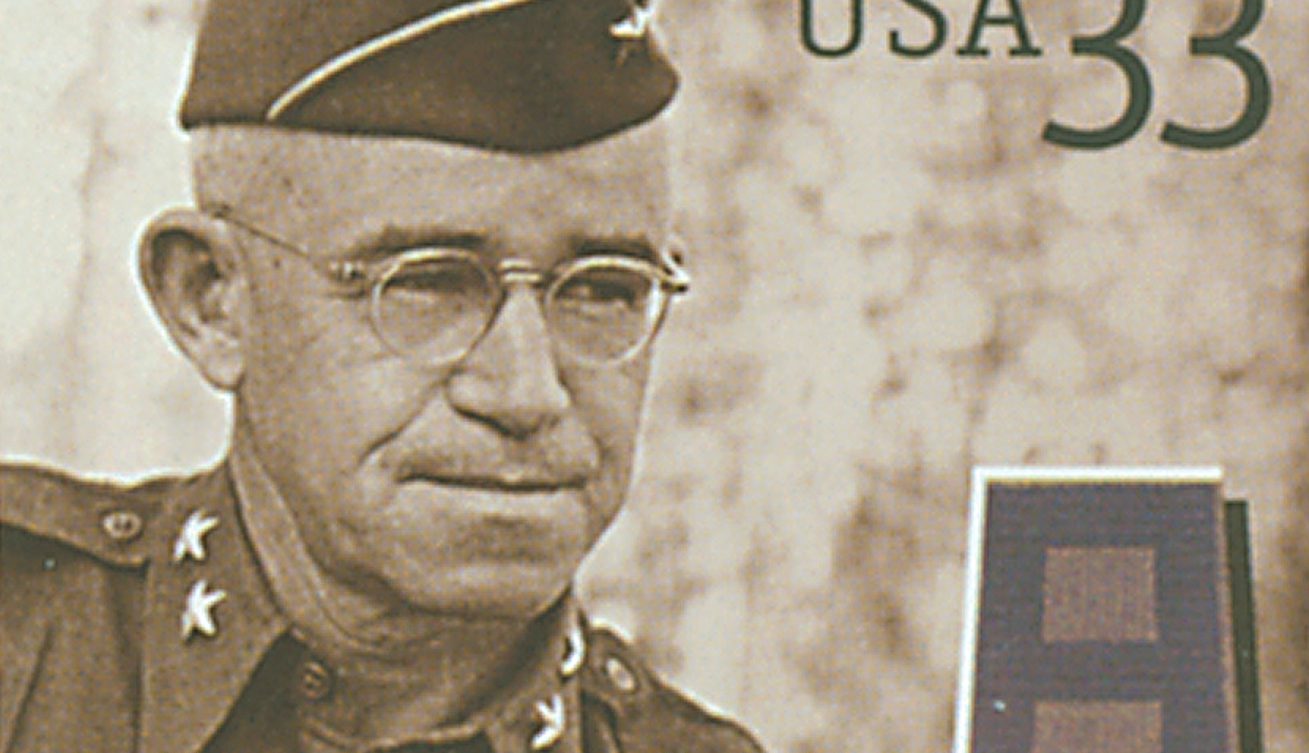
US General Omar Nelson Bradley was born on February 12, 1893, in the small town of Clark, Missouri—far from the battlefields where he would one day command millions. Known as the “GI’s General,” Bradley rose from humble beginnings to become one of America’s most trusted military leaders of World War II.
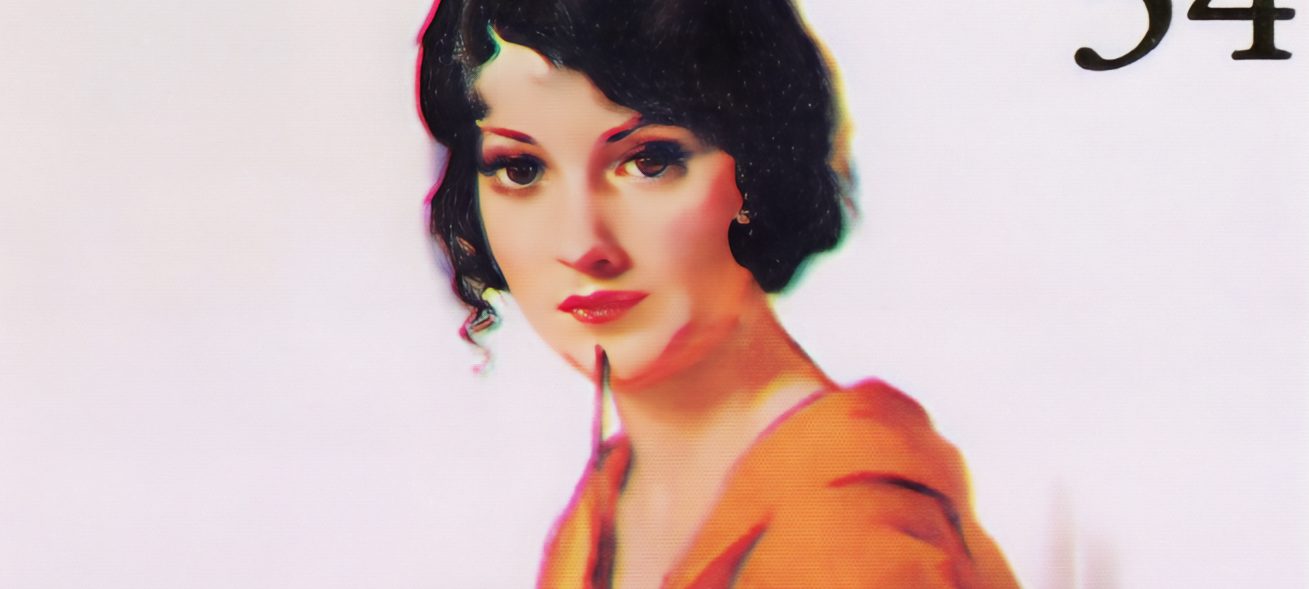
Neysa McMein, born on January 24, 1888, helped shape how America saw itself during the early 20th century through powerful images that appeared everywhere from magazines to movie studios. Her art captured modern beauty, wartime patriotism, and celebrity culture at a moment when illustration defined public life.
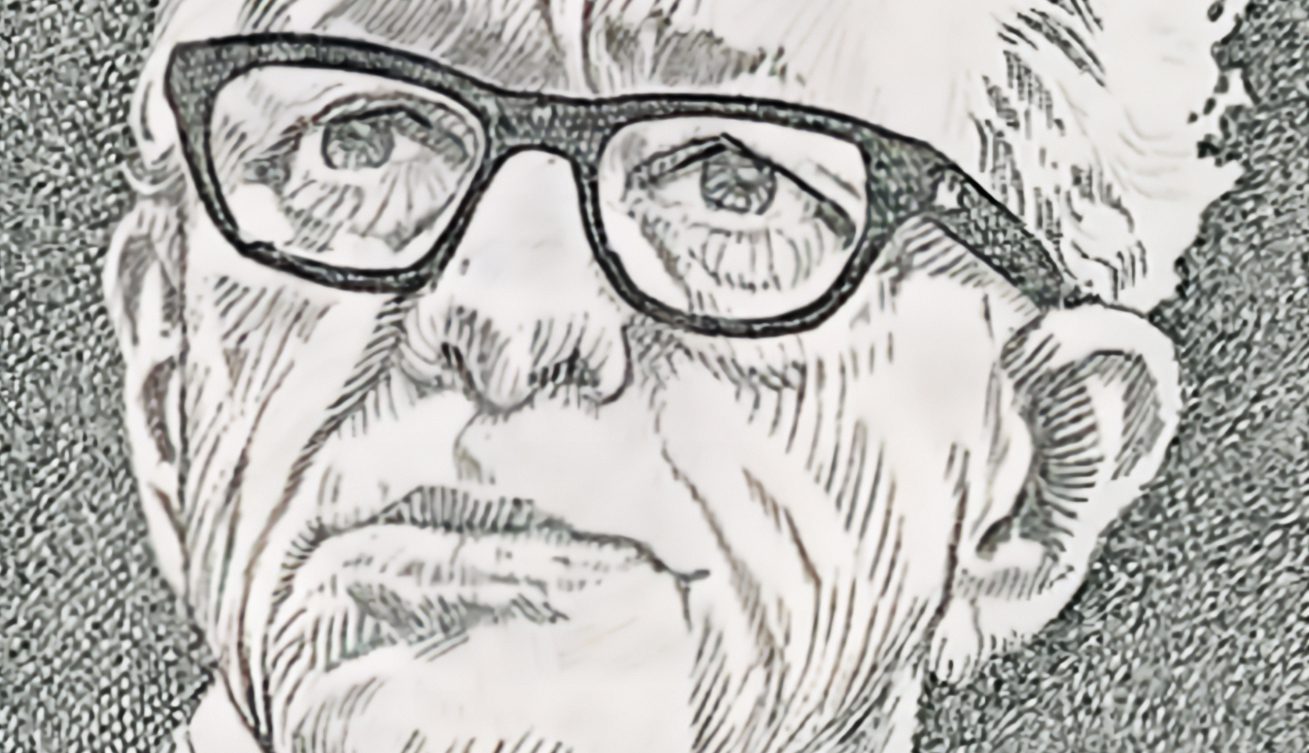
Statesman Everett McKinley Dirksen was born on January 4, 1896, in Pekin, Illinois. He later emerged as a central figure in shaping bipartisan legislation in the US Senate.

On December 26, 1972, America’s 33rd president, Harry S. Truman, died, closing the chapter on a leader who had guided the nation through the final days of World War II and the uncertain dawn of the Cold War. Plainspoken and decisive, Truman rose from humble beginnings to make some of the most consequential choices in US history—decisions that reshaped America’s role on the world stage and still spark debate today.
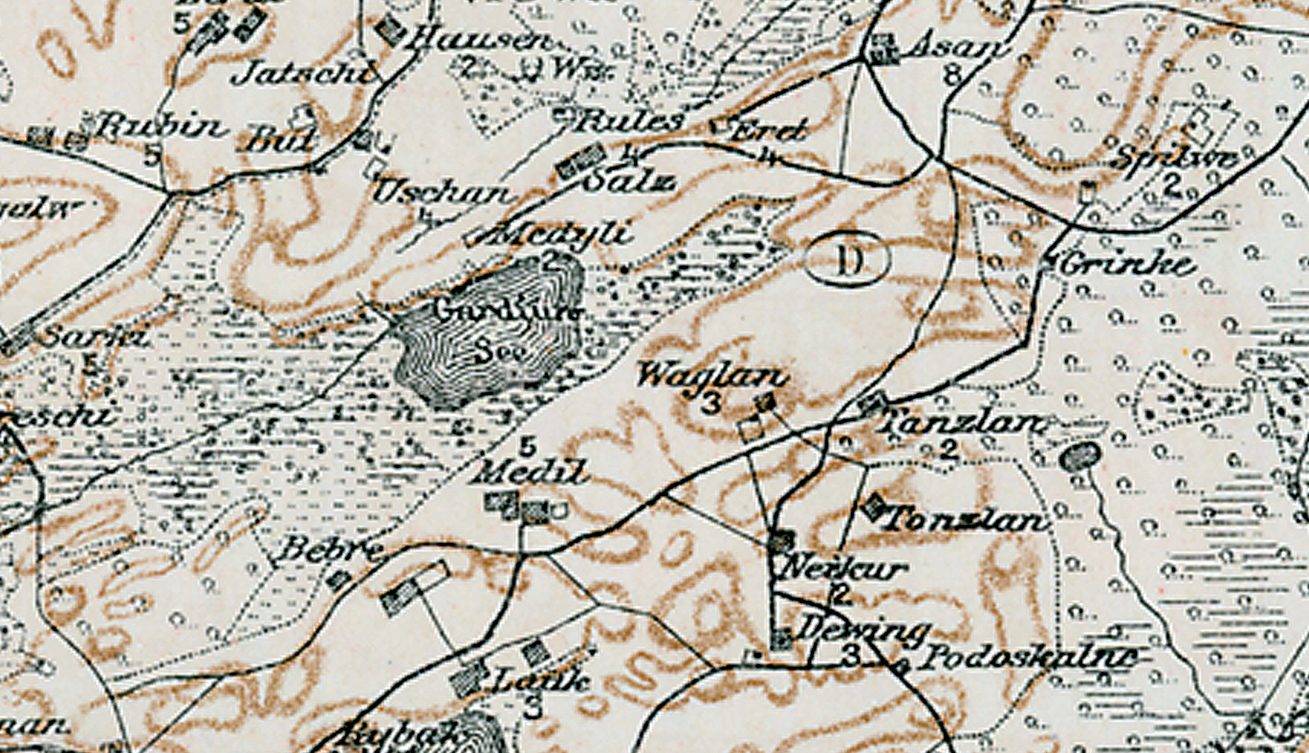
On December 18, 1918, war-torn and recently independent Latvia issued its first stamps, printed on the back of German military maps.

World War I hero Alvin Cullum York was born on December 13, 1887, in Pall Mall, Tennessee. One of America’s most decorated soldiers of World War I, York earned the Medal of Honor and Distinguished Service Cross, among others.
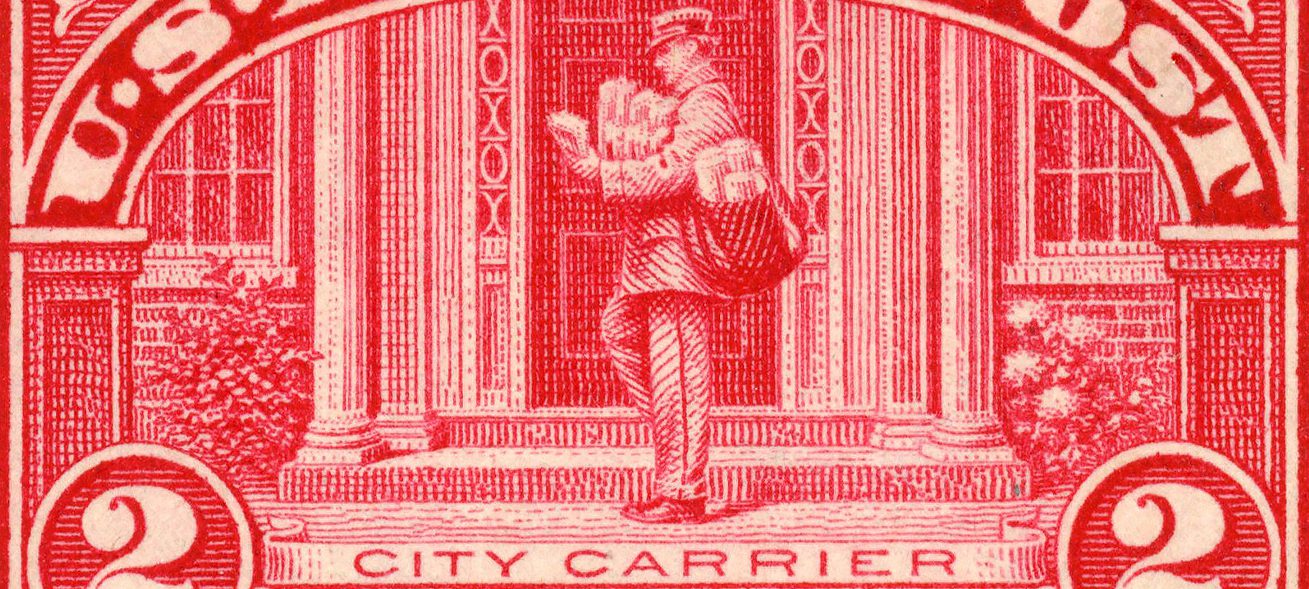
In the midst of World War I, a major change quietly began in the United States Postal Service: for the first time, women were seriously tested as city letter carriers. On November 23, 1917, First Assistant Postmaster General John C. Koons issued a call to the postmasters of eight of the largest US post offices to run 15-day trials of women serving as letter carriers in the city. This experiment was described as a potential wartime necessity, because many men were off fighting, and extra postal workers were already needed to handle the heavy Christmas mail in December.
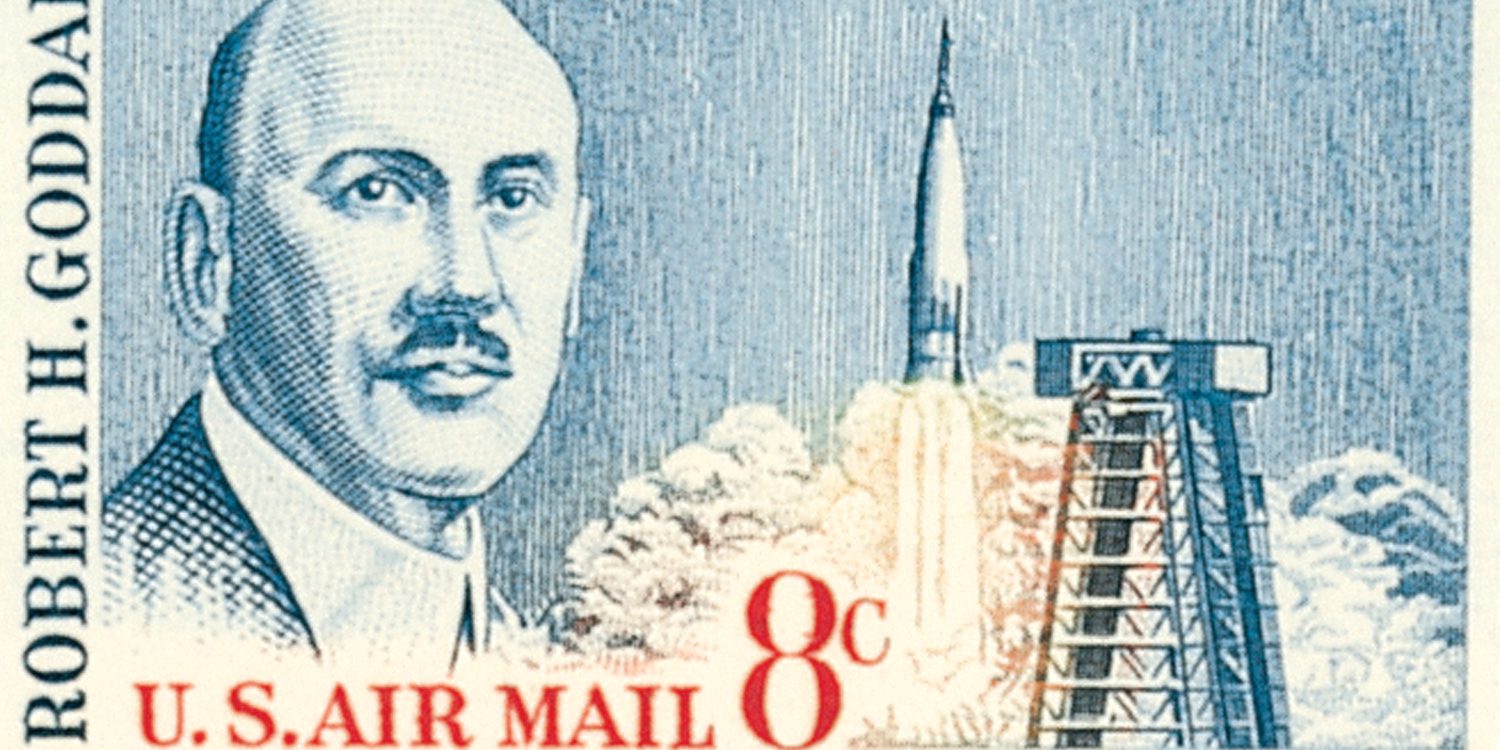
Robert Hutchings Goddard, often called the “Father of Modern Rocketry,” was born on October 5, 1882, in Worcester, Massachusetts. From an early age, Goddard showed a restless curiosity about the world around him, asking questions and performing experiments that hinted at the groundbreaking discoveries he would one day make.