

On December 10, 1901—exactly five years after the death of Alfred Nobel—the world witnessed something entirely new: a set of international awards created to honor people whose work advanced humanity itself. These first Nobel Prizes were not just a tribute to achievement; they were the fulfillment of a very unusual final wish.
Alfred Nobel was a Swedish industrialist and chemist who made his name—and his fortune—in the world of explosives. His early work focused on stabilizing nitroglycerin, a dangerous but powerful substance, and ultimately led to patents for dynamite, blasting gelatin, and ballistite, a smokeless powder propellant. These innovations fueled massive industrial growth in Europe and the United States and made Nobel enormously wealthy.

Despite his success, he worried about how he would be remembered. When a French newspaper mistakenly printed his obituary and labeled him the “merchant of death,” Nobel was shaken. In response, he quietly rewrote his will. After his death on December 10, 1896, the great majority of his fortune was dedicated to establishing the Nobel Prizes. Nobel specifically instructed that his wealth be used to celebrate peace, progress, and ideas that push the world forward.
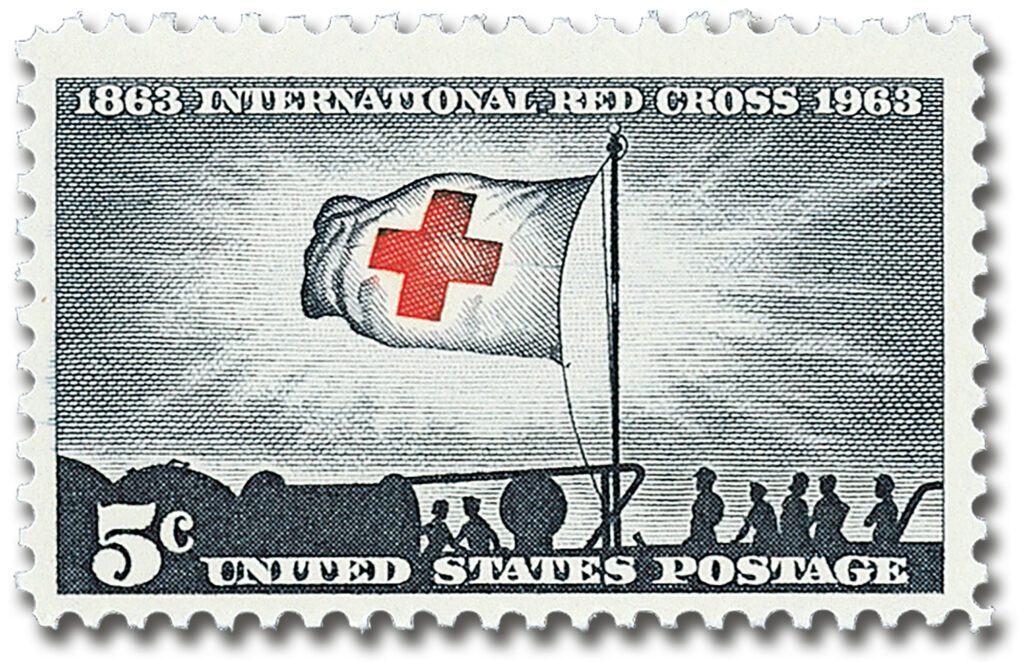
The first Nobel Peace Prize in 1901 went to Jean-Henry Dunant, the founder of the Red Cross. At the time of his award, Dunant was living in a Swiss poorhouse, having fallen into poverty after years of humanitarian work. True to his lifelong commitment to helping others, he donated his prize money to charity. The organization he founded would go on to receive the Nobel Peace Prize three more times—in 1917, 1944, and 1963—for its lifesaving efforts during global conflicts.
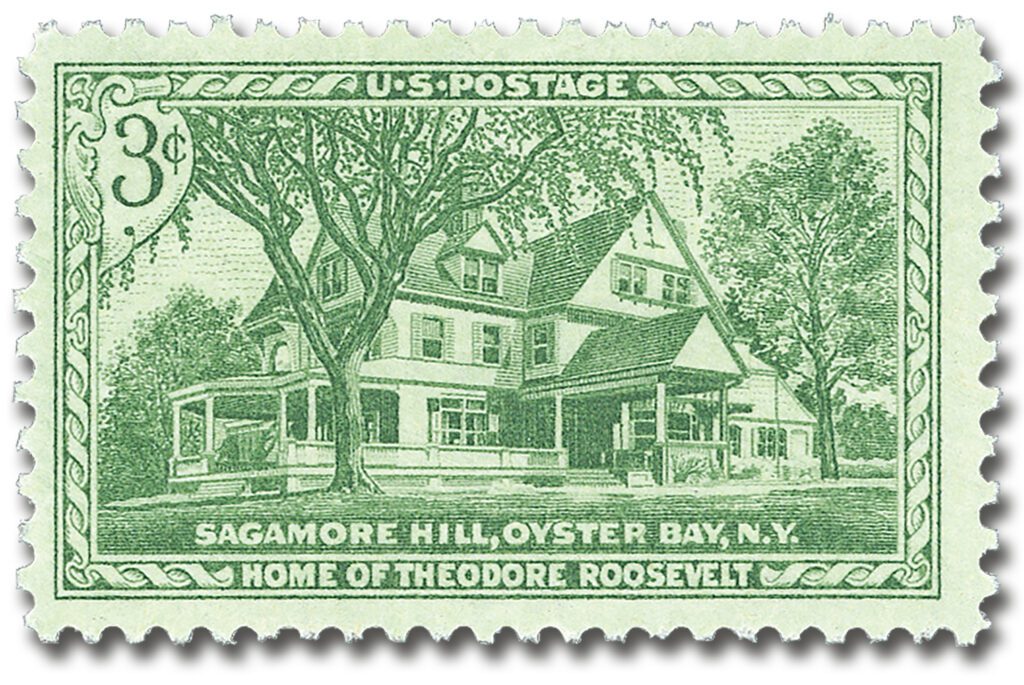
Just a few years later, the Nobel Peace Prize helped spotlight the important diplomatic work of an American president. Following the death of his Secretary of State in July 1905, President Theodore Roosevelt personally stepped in to handle negotiations to end the Russo-Japanese War. Roosevelt invited diplomats from both nations to meet at Sagamore Hill, his home in Oyster Bay, New York, and later at the naval base in Portsmouth, Virginia. These talks eventually produced the Treaty of Portsmouth, marking the end of the conflict. In 1906, Roosevelt was awarded the Nobel Peace Prize for his leadership in the negotiations, becoming the first American to receive the prestigious honor.
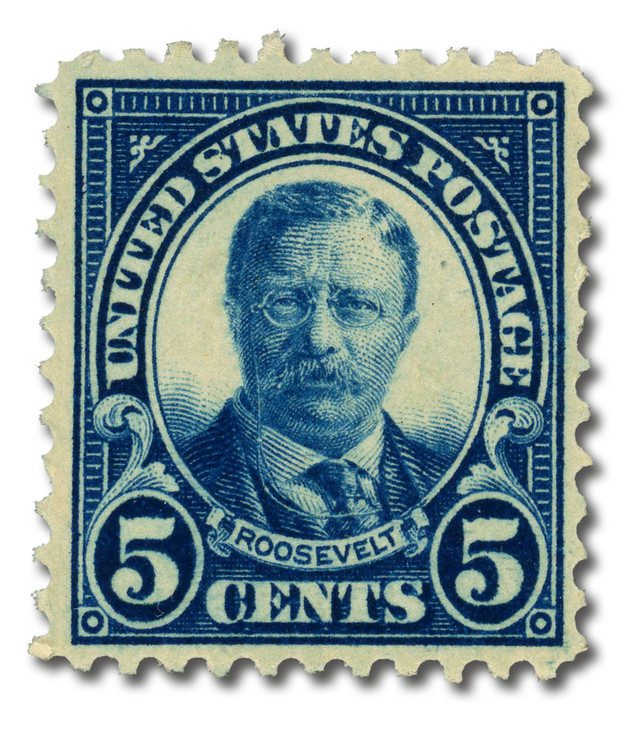
Roosevelt’s relationship with the award reflected his strong sense of duty. He refused to travel to Norway to accept the prize while still in office, believing it inappropriate for a sitting president. Instead, he accepted it in 1910 after leaving the White House. Roosevelt treasured the medal but declined to keep the prize money. Convinced that the award recognized not him personally, but the office of the presidency, he planned to use the funds to promote industrial peace in the United States. By 1918, the trust had grown to more than $45,000. Roosevelt donated the money in 28 separate gifts to support war relief efforts, including contributions to the Red Cross and the YMCA.
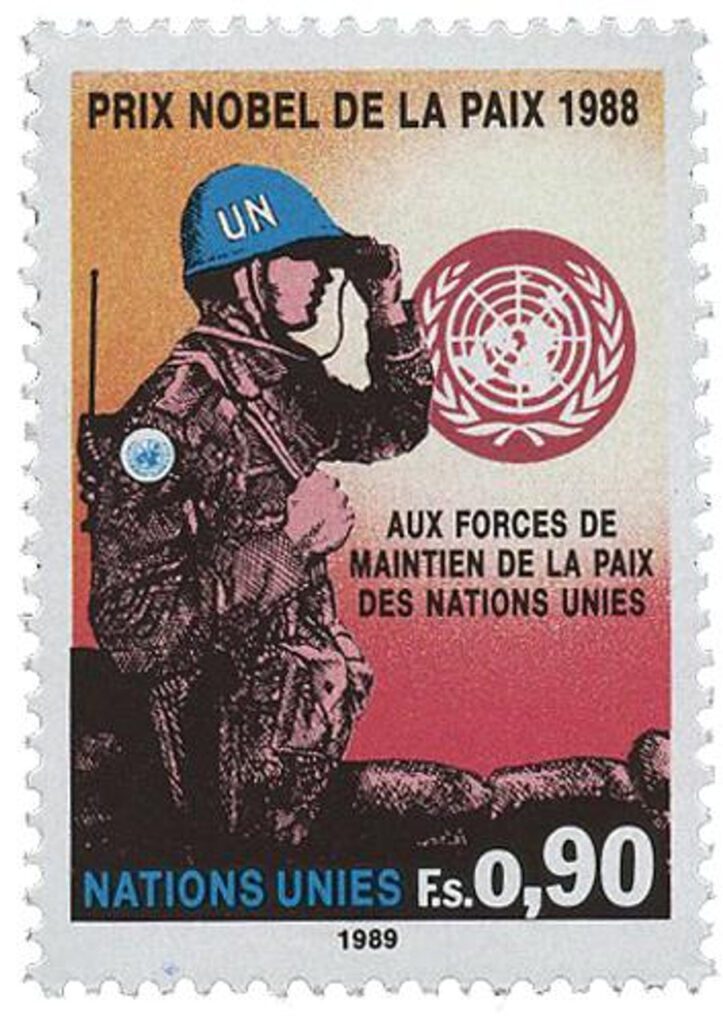
Nobel’s will established five prize categories—physics, chemistry, medicine, literature, and peace—to honor work that benefits humanity. (A sixth prize, in economic sciences, was added by the Bank of Sweden in 1968.) Two different organizations award the prizes each December 10, on the anniversary of Nobel’s death. In Stockholm, the King of Sweden presents the awards for physics, chemistry, medicine, and literature. Meanwhile, in Oslo, the Chairman of the Norwegian Nobel Committee awards the Peace Prize in a ceremony attended by the King and Queen of Norway. As of 2025, each Nobel Prize carries a monetary award of 11 million Swedish kronor (roughly US $1.0–1.2 million), along with a medal and diploma. Up to three individuals may share a single prize; if so, the money is divided among them.
To date, more than 1,000 Nobel Laureates have been recognized, including 990 individuals and over 20 organizations. Among the individual recipients, about 60 women have been honored—far more than in the early decades of the prize’s history—while Marie Curie remains one of only four people ever to receive two Nobel Prizes. The youngest laureate is Malala Yousafzai, who was just 17 when she received the Nobel Peace Prize in 2014. The oldest is John B. Goodenough, awarded the 2019 Nobel Prize in Chemistry at the age of 97.
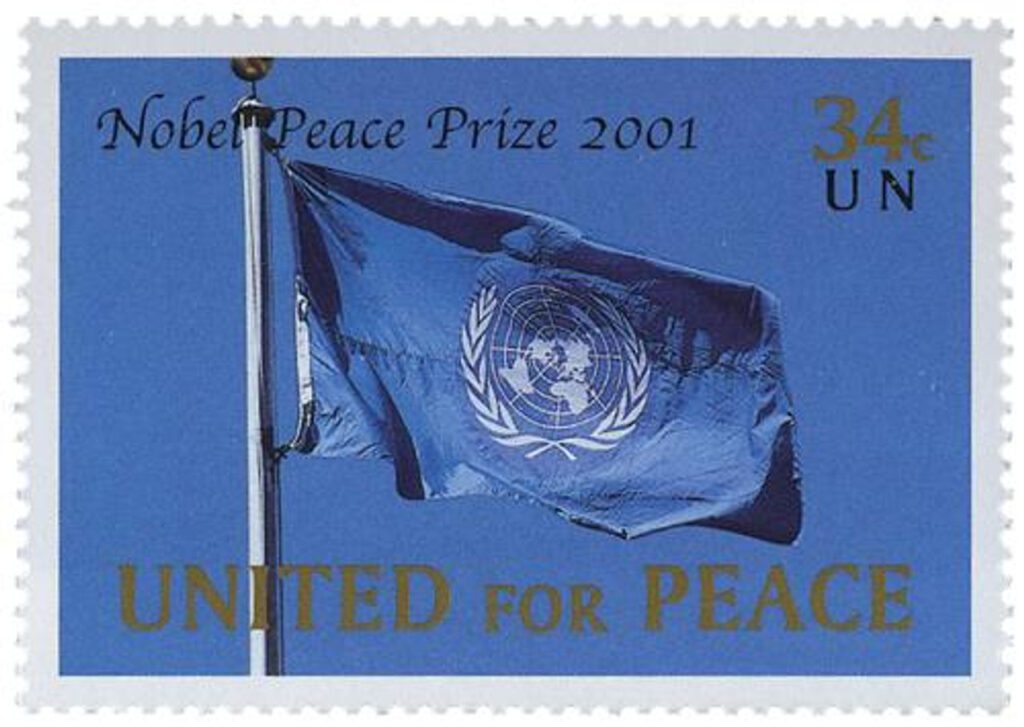
More than a century after Alfred Nobel signed his unusual will, his prizes continue to inspire discoveries, encourage peace, and remind the world that great ideas—when shared—can change everything.
| FREE printable This Day in History album pages Download a PDF of today’s article. Get a binder or other supplies to create your This Day in History album. |
Discover what else happened on This Day in History.
ONCE AGAIN, TODAY IN HISTORY OUT DID ITSELF!!!
I learn from reading stories behind stamps. They are interesting and thought provoking. The topics are very diverse. They make me question if I do own that stamp. The value of the stamp seems cheap for the content it reflects. I hope this day in history continues for ever, because the topics are endless.
I Second the motion, and agree on the comment entirely….good way to start a day positively….tk u for publishing… ray l….
I, too, wish to thank you for your research in providing an entertaining history lesson every day. I hope you never tire nor run out of great subjects to enlighten us with daily.
Jean Henry Dunant was certainly deserving and set a great example to others. I always associate Clara Barton with the Red Cross, and had not hear of Dunant. I am better informed thanks to your history Newsletter.
Informative indeed! The high values of former recipients is amazing. Who in this day would give up $1.2M for others—what values! And what President would wait until he was out of office before receiving the award–what leadership. Keep up the good work.
Thanks Mystic for another great look at World History. The 114th Anniversary of the Nobel Prizes. Outstanding! [SIDEBAR – the US stamp Scott shown 3504 is a joint issue with Sweden and the FDC showing both stamps is also noted above as Item #571167B. These stamps were engraved for both postal services by the Polish born engraver, Czeslaw Slania of the Danish Postal Service. His signature is on the FDC above. Slania engraved over 1000 stamps before his demise in 2005. There are many of us who collect the stamps, banknotes and ephemera of Slania and if you are interested in seeing more of his work, reading about him, or collecting more of his work, here is a good place to start: https://en.wikipedia.org/wiki/Czeslaw_Slania — this Wiki article gives a short history and many references and external links, including check lists for his work]. Many of his stamps and probably his banknotes are likely available from Mystic. ENOY!
Such an interesting article. These daily postings are always informative. Thank you, Jerry, for information on Czeslaw Slania. His work with postal engravings is wonderful. I have some of his stamps, and will continue collecting them.
At one time I revered the Nobel prizes. Today they are just another device by Communists, liberals and left-wingers to advance their agenda. I pay little attention to them.
Steve, I have little respect for two of the groups that you have mentioned and despise the other one. However, I have never noticed the association between the award and the aforementioned classifications. I have always revered the accomplishments that achieve this recognition but will now evaluate motivation now that it may be issue, and i’ll get back with you. In the meantime, big bang theory…….wow, among other things.
Steve and Edward: I’m sorry that you’ve been misinformed about this great award given to many different people each year for developing ideas that benefit humanity. The committee has no regard to race or ethnicity, politics of any kind or sexual and religious preference. It simply gives it award to brilliant people who accomplish brilliant things even for you. Sorry but your kind of thinking has no place in the future so I wouldn’t worry about either of you receiving the reward.
I am somewhat disappointed that Canada’s Lester Bowles Pearson was not mentioned in this articles as he is known as the “Father of the United Nations Forces and won the Nobel Peace Prize in 1957.
His intervention “peacefully” prevented a nuclear war. visit him at Nobelprize.org.
One minor correction. Roosevelt mediated the Russo-Japanese negotiations at Portsmouth Navy Yard in Kittery, Maine.