

Anthropologist Margaret Mead was born on December 16, 1901, in Philadelphia, Pennsylvania. She would go on to become one of the most influential and recognizable social scientists of the 20th century, known for bringing the study of culture and human behavior to a wide public audience.
Mead was the oldest of five children and grew up in a household that valued education, careful observation, and scientific thinking. Her father was an economist, and her mother was a sociologist who studied immigrant communities. From an early age, Mead was encouraged to observe the world around her. When she was just eight years old, she was asked to watch and record her sister’s speech patterns, an exercise that helped shape her lifelong interest in how people learn and communicate. Because her family moved frequently, Mead did not attend a traditional school for much of her childhood. Instead, her grandmother taught her at home until she was 11 years old.
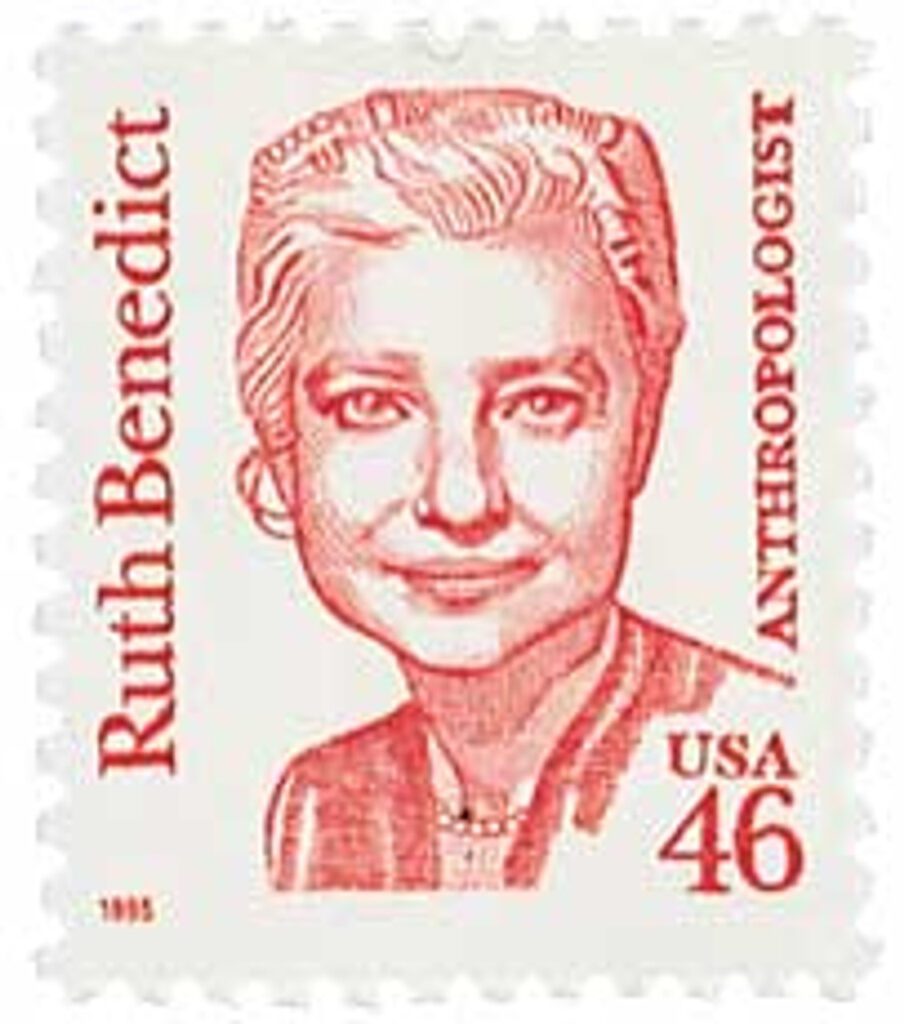
Mead began her college education at DePauw University but soon transferred to Barnard College in New York City. At Barnard, she discovered anthropology, the study of human societies and cultures. She graduated in 1923 and continued her studies at Columbia University, where she worked under two leading anthropologists of the time, Franz Boas and Ruth Benedict. Boas emphasized the importance of cultural relativism—the idea that cultures should be understood on their own terms rather than judged by outside standards. This approach would strongly influence Mead’s work. She earned her master’s degree in 1924 and soon after traveled to American Samoa to conduct fieldwork.
In Samoa, Mead studied the daily lives of adolescent girls in several coastal villages. She focused on how these young people experienced growing up, including family life, social expectations, and emotional development. Mead compared their experiences to those of American teenagers, who often faced greater stress and pressure. Her findings were published in Coming of Age in Samoa, which became her most famous book. Written in clear, accessible language, the book argued that many aspects of behavior people assumed were “natural” were actually shaped by culture. This idea challenged long-held beliefs and sparked debate, but it also made anthropology understandable and interesting to a general audience.

Mead joined the American Museum of Natural History in 1926 as an assistant curator and earned her PhD from Columbia University in 1929. Over the years, she rose to become director of research in contemporary cultures at the museum and later served as an adjunct professor of anthropology at Columbia. She wrote dozens of books and hundreds of articles. Other well-known works include Growing Up in New Guinea, Male and Female, and Soviet Attitudes Toward Authority. One of her final studies examined aging, drawing in part on her own experiences later in life.
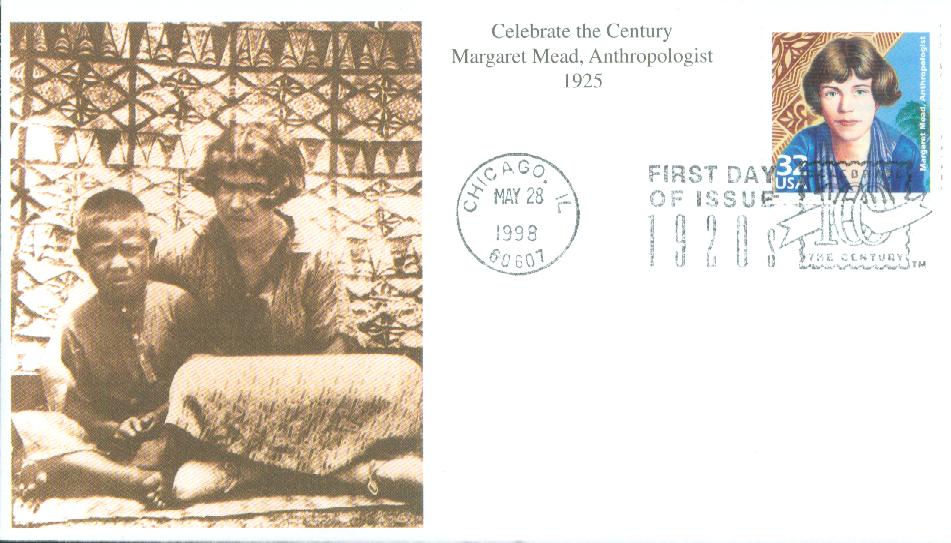
During World War II, Mead applied her knowledge to real-world problems. She served as executive secretary of the National Research Council’s Committee on Food Habits, helping the government understand how cultural traditions affected nutrition and food use during wartime shortages. Throughout her career, she taught at several colleges and received many honors, including election to the American Academy of Arts and Sciences. She also served as president of both the Society for Applied Anthropology and the American Anthropological Association.
In the 1960s, Mead helped establish Glyphs, Inc., an organization that aimed to create a universal system of graphic symbols that could be understood across cultures. In the 1970s, she served as president of the American Association for the Advancement of Science. Mead also took part in the United Nations Habitat I conference, the UN’s first major forum on human settlements. She is often credited with popularizing the study of symbols and meaning, known as semiotics.
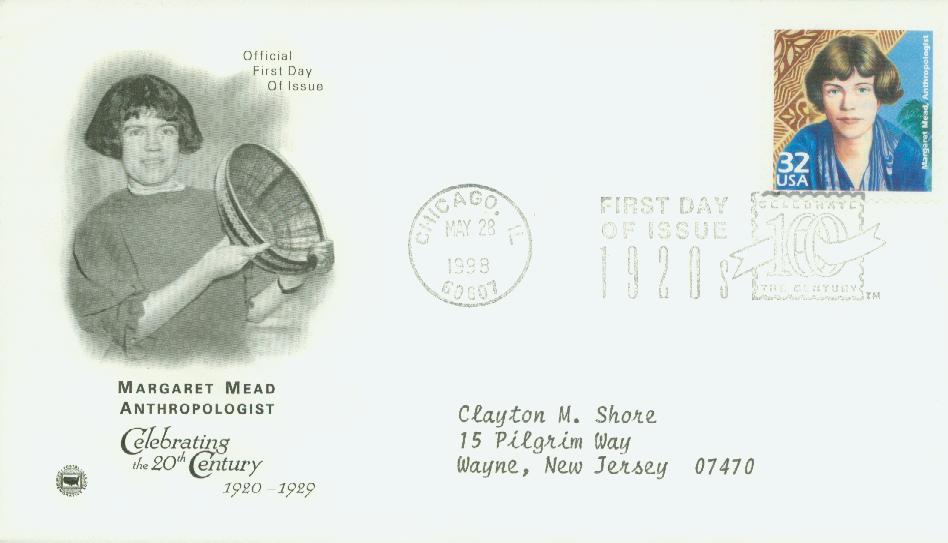
Margaret Mead died of pancreatic cancer on November 15, 1978. In recognition of her lasting impact on science, education, and public life, she was posthumously awarded the Presidential Medal of Freedom in 1979. Her work continues to influence how people think about culture, human development, and the diversity of human experience.
| FREE printable This Day in History album pages Download a PDF of today’s article. Get a binder or other supplies to create your This Day in History album. |
Discover what else happened on This Day in History.
I am an old man now, 84. However, when I was at the University of Rochester, NY in the mid-1960’s, I had a chance to hear Margaret Mead give a lecture to grad students. Mid 1960’s as I remember. She walked in with a “thumb stick” as she called it This was a wooden walking stick with a little Y-fork at the top. A very plain looking older woman but charming and insightful. Had a chance to shake her hand. Read her writings in Anthropology 101.