

On December 22, 1910, the US Post Office Department issued its first Postal Savings Official Mail stamp. These stamps were part of an innovative effort to help everyday Americans save money safely, especially in rural areas and among working-class citizens. Though the stamps were short-lived, they remain a fascinating glimpse into early 20th-century financial history.
The Postal Savings System itself was created by Congress on June 25, 1910, when an act was passed to provide a secure and accessible place for small investors to deposit their money. The system was designed primarily to serve lower- and middle-income citizens, particularly those living in rural communities who had limited access to traditional banks. At the time, public distrust of private banks was widespread, and many Americans either did not have checking accounts or were reluctant to entrust their savings to commercial banks. President Theodore Roosevelt strongly supported the idea, viewing it as a practical solution to this lack of trust.

Under the Postal Savings System, individuals could deposit money at their local post office and receive a receipt in the form of Postal Savings stamps. These stamps acted as proof of deposit and could later be credited to the depositor’s Postal Savings account. Accounts earned a modest but guaranteed interest rate of two percent per year. The system initially allowed deposits ranging from a minimum of $1.00 to a maximum of $500, later increased to $2,500 to accommodate larger savers.
To manage the program, the act directed the Postmaster General to issue a series of official stamps in five denominations. These stamps were intended to replace traditional Official Mail envelopes for correspondence specifically related to Postal Savings business. The first of these stamps appeared on December 22, 1910, and were required on all official Postal Savings mail, including communications with depositors and internal administrative documents. Their purpose was both practical and symbolic: they represented the federal government’s commitment to providing a secure, regulated alternative to private banking.
The Postal Savings System proved enormously popular, especially among rural Americans, immigrants familiar with similar systems in Europe, and working-class citizens who could not visit banks during their limited hours. Post offices offered six-day service, from 8 a.m. to 6 p.m., allowing for convenient deposits and withdrawals. The system eventually expanded to more than 5,000 post offices in 48 states, demonstrating its broad appeal and effectiveness.
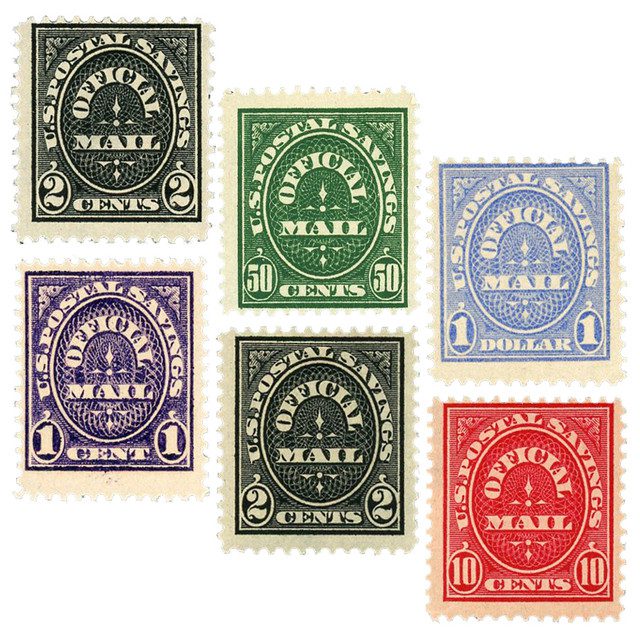
Despite its popularity, the Postal Savings Official Mail stamps were relatively short-lived. By 1914, the Post Office Department discontinued the use of these stamps. Unused stamps were recalled from post offices and destroyed, making surviving examples quite rare today. While the broader Postal Savings System continued for decades, eventually winding down in the mid-20th century, the official stamps remain a tangible reminder of the government’s early efforts to democratize savings and financial security.
Click here for more about Postal Savings stamps.
| FREE printable This Day in History album pages Download a PDF of today’s article. Get a binder or other supplies to create your This Day in History album. |
Discover what else happened on This Day in History.
I clicked on more from 2017 & learned by 1947 more than $3.4 billion had come out of those cookie jars. Thanks for bring history to light once again
Interesting distinction between later postal savings stamps and these official postal savings stamps.