Death of Hollow Horn Bear
Hollow Horn Bear died on March 15, 1913. A Brulé Lakota chief, he fought during the Sioux Wars, including the Battle of Little Big Horn, and became a spokesman for his tribe.

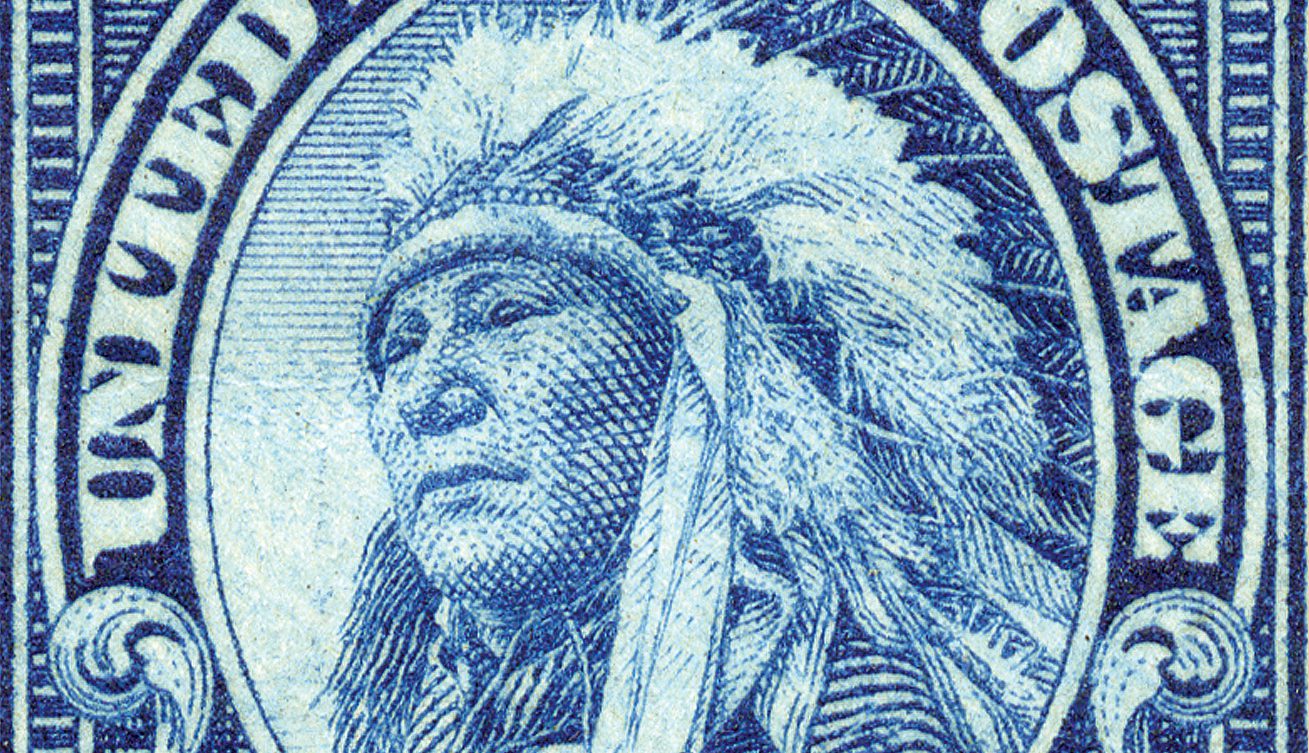
Hollow Horn Bear died on March 15, 1913. A Brulé Lakota chief, he fought during the Sioux Wars, including the Battle of Little Big Horn, and became a spokesman for his tribe.
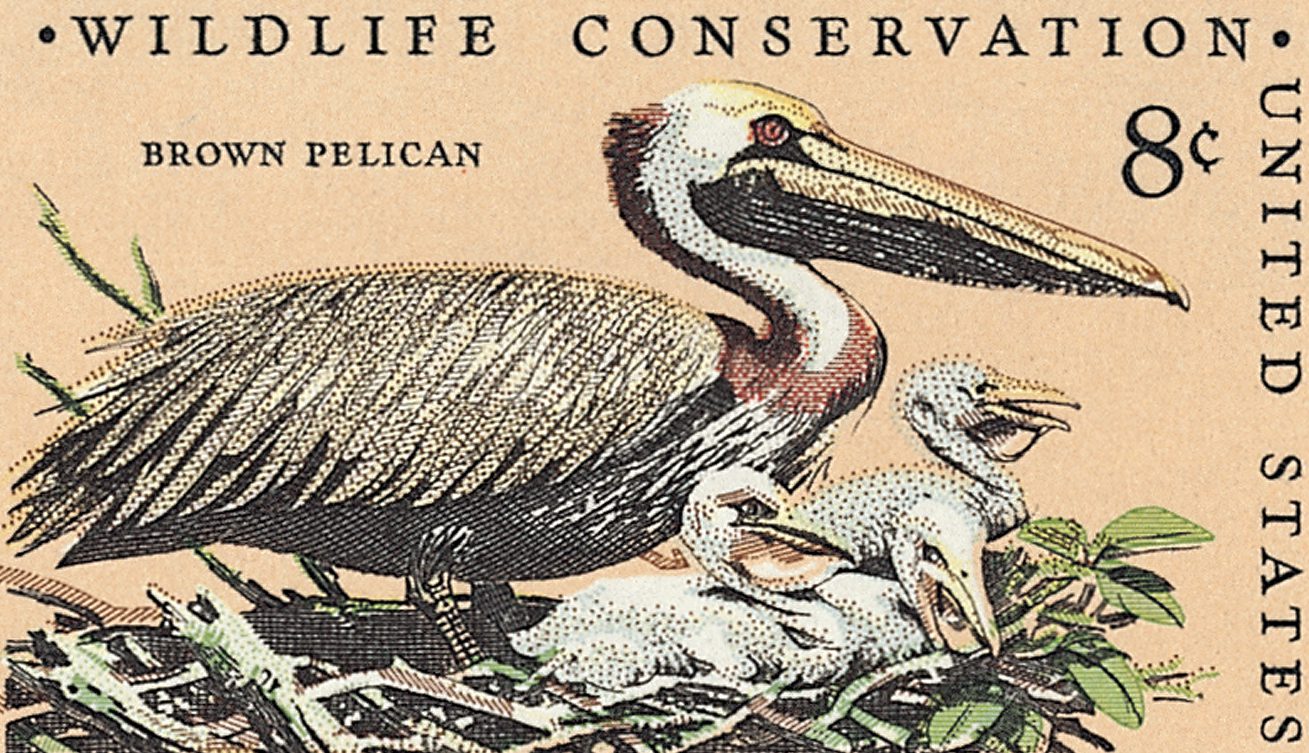
On March 14, 1903, President Theodore Roosevelt signed legislation creating Pelican Island National Wildlife Refuge, the first such protective area in America. Today, the National Wildlife Refuge System contains more than 560 protected areas, covering over 150 million acres.
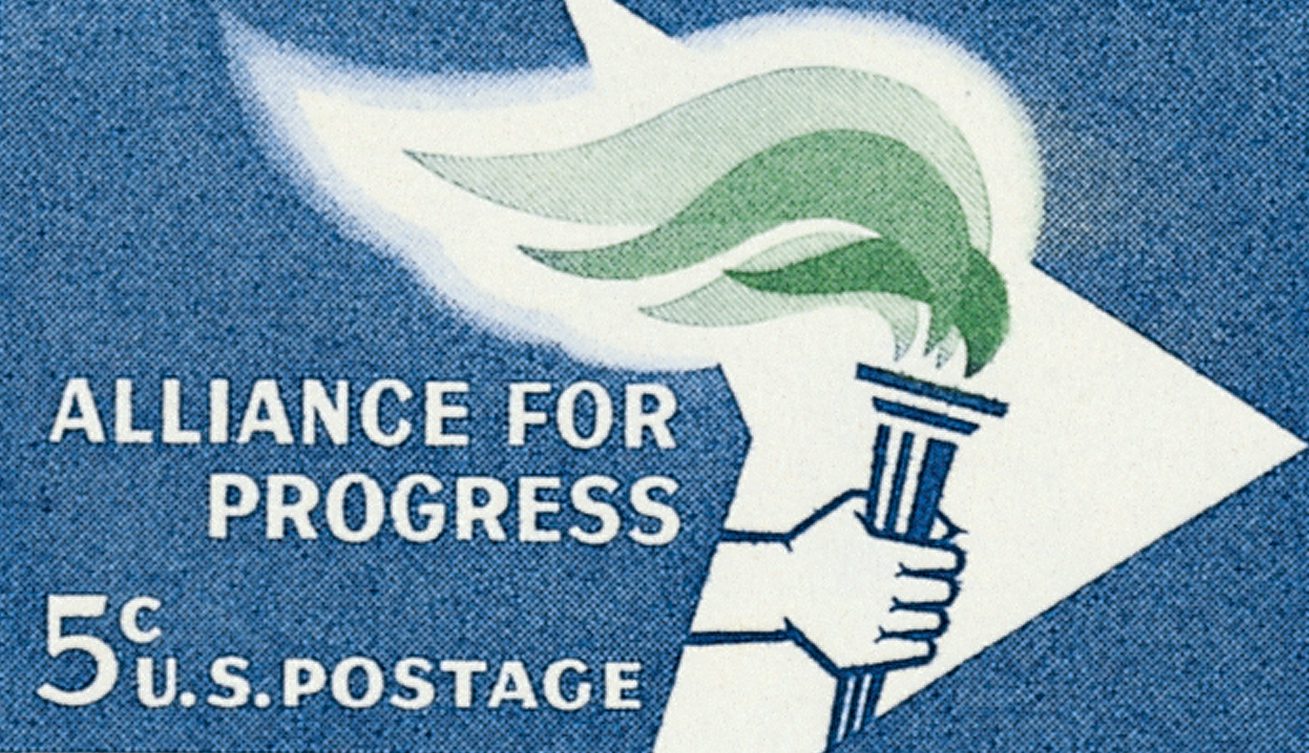
On March 13, 1961, President John F. Kennedy announced the Alliance for Progress to provide economic and social aid to Latin America.
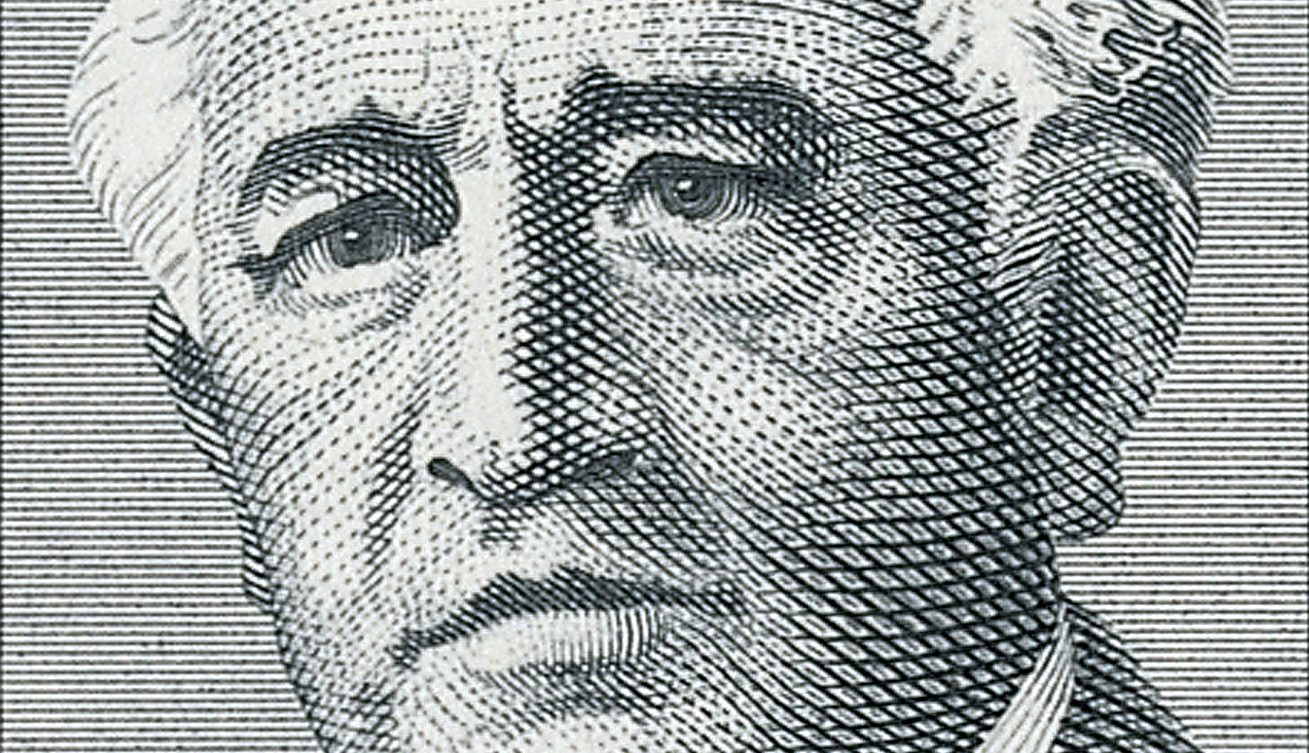
Newspaper publisher Adolph Simon Ochs was born on March 12, 1858, in Cincinnati, Ohio. Ochs had a reputation for running high-quality, trustworthy newspapers and coined the phrase, “All the News That’s Fit to Print.”
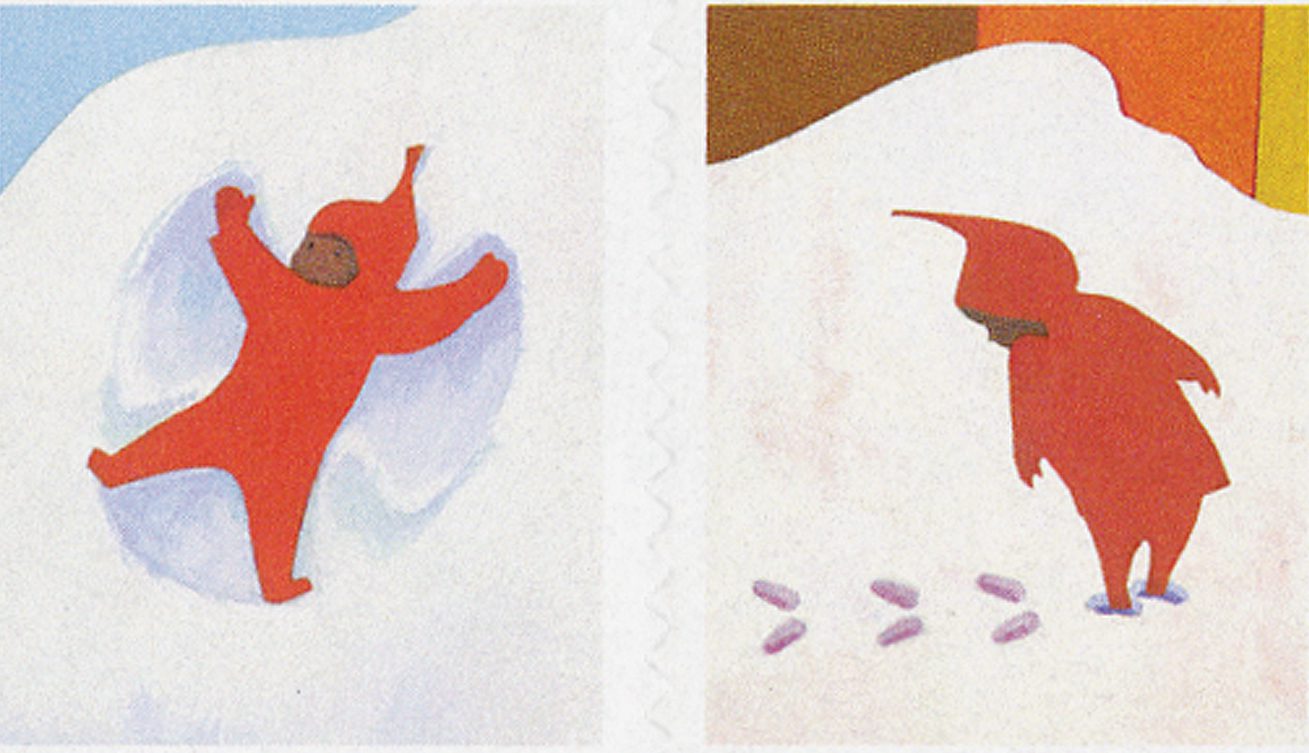
Ezra Jack Keats was born on March 11, 1916, in Brooklyn, New York. Keats was a writer and illustrator of children’s books, most famously, The Snowy Day.
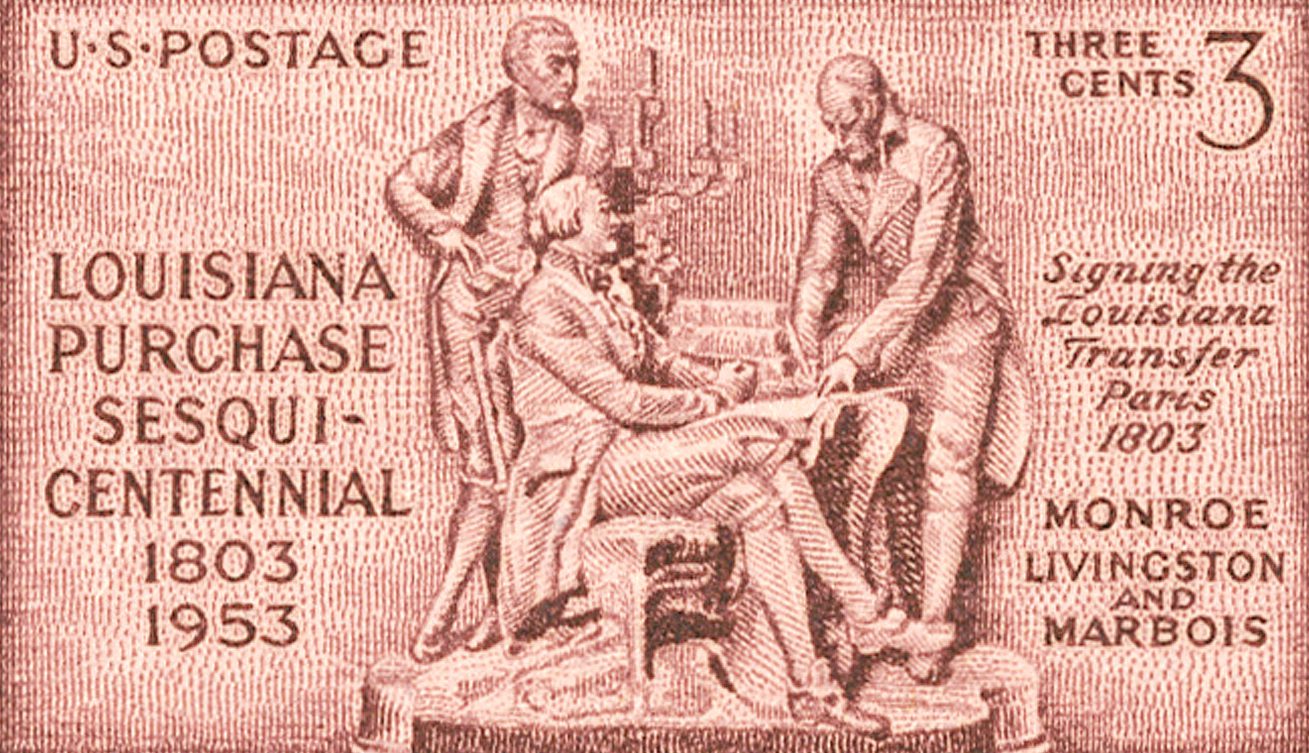
On March 10, 1804, the US flag was raised over St. Louis, marking the completion of the Louisiana Purchase. This day, along with March 9, is known as Three Flags Day.
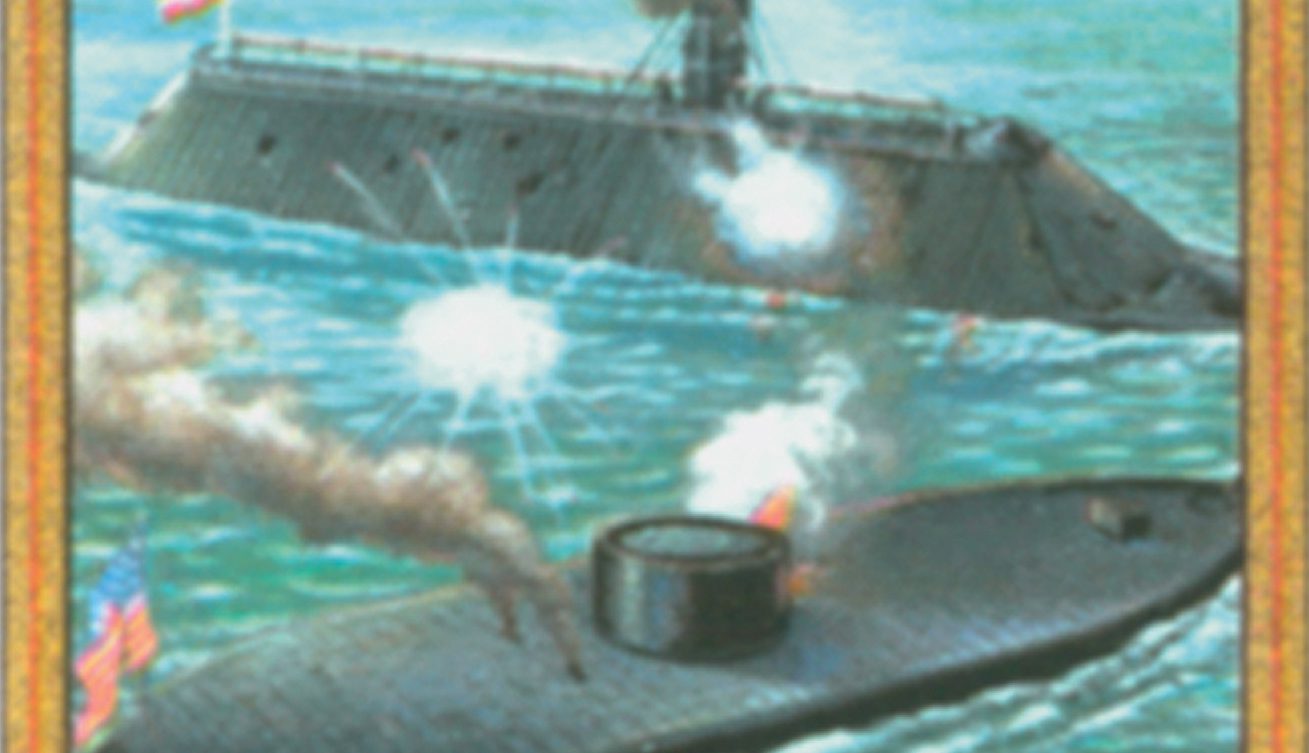
On March 9, 1862, the USS Monitor and CSS Virginia (formerly USS Merrimack) fought in the first battle between two ironclad warships. The battle changed naval warfare around the world, as major navies halted construction of wooden ships to build iron monitors.
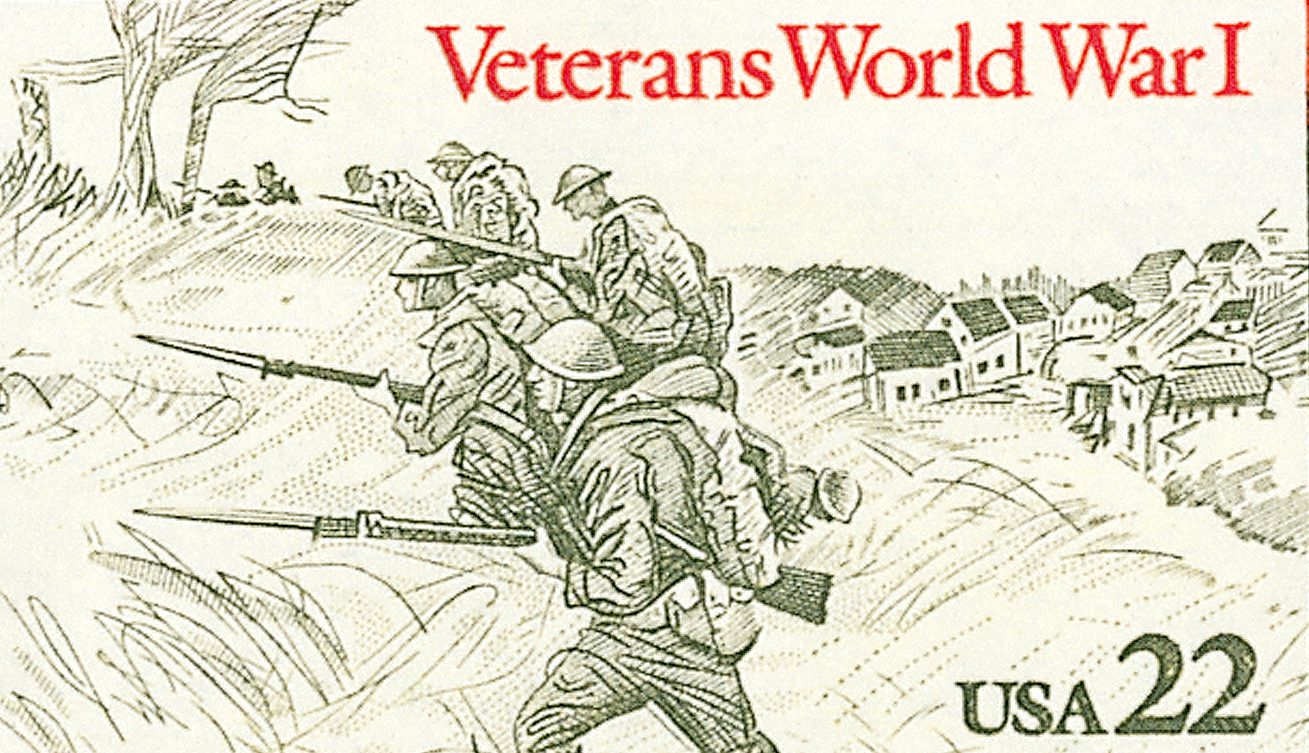
Harvey Thomas Dunn was born on March 8, 1884, near Manchester, South Dakota. Dunn was influenced all his life by the South Dakota prairie where he was born. He once said that he preferred painting pictures of early South Dakota life to any other subject.
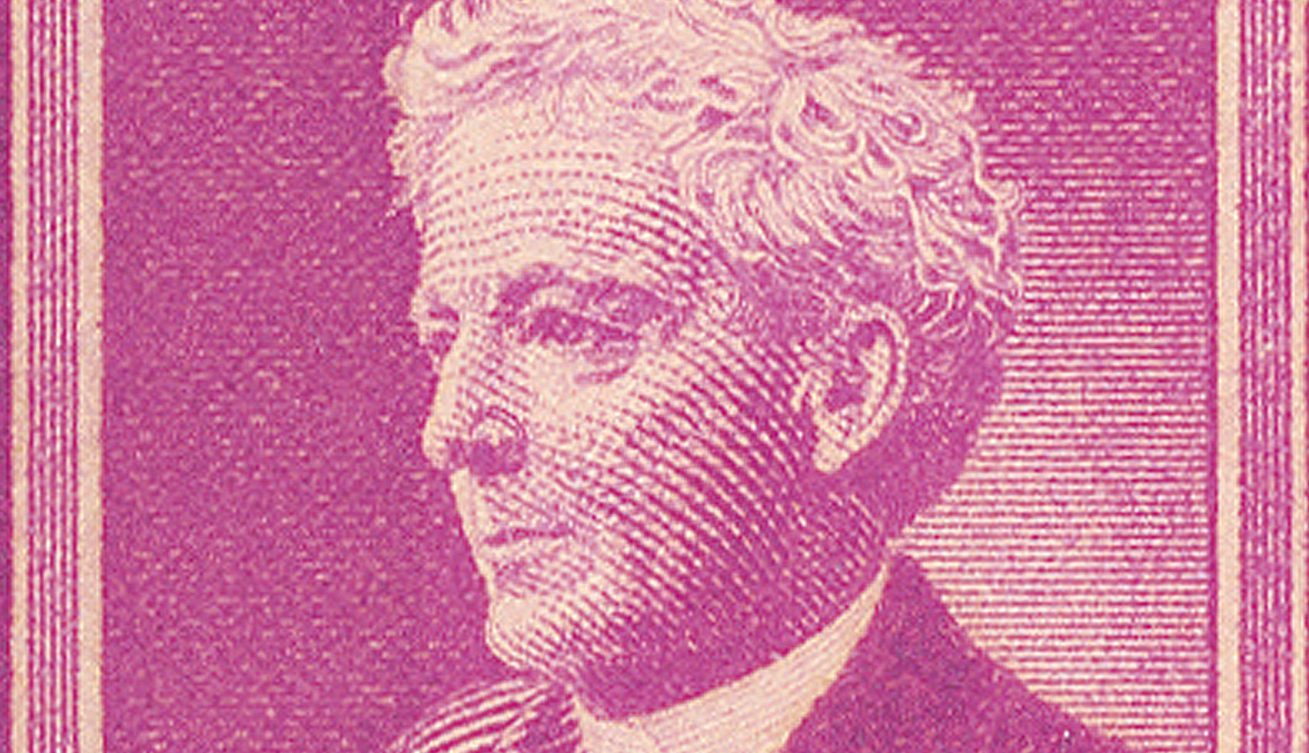
Luther A. Burbank was born on March 7, 1849, in Lancaster, Massachusetts. A largely self-trained horticulturalist, Burbank developed more than 800 strains and varieties of flowers, fruits, vegetables, grasses, and more. He’s been called the “high priest of horticulture” and the “plant wizard.”