First National Thanksgiving
On December 18, 1777, the United States celebrated its first national Thanksgiving. The celebration was in reaction to the recent victory at the Battle of Saratoga.


On December 18, 1777, the United States celebrated its first national Thanksgiving. The celebration was in reaction to the recent victory at the Battle of Saratoga.
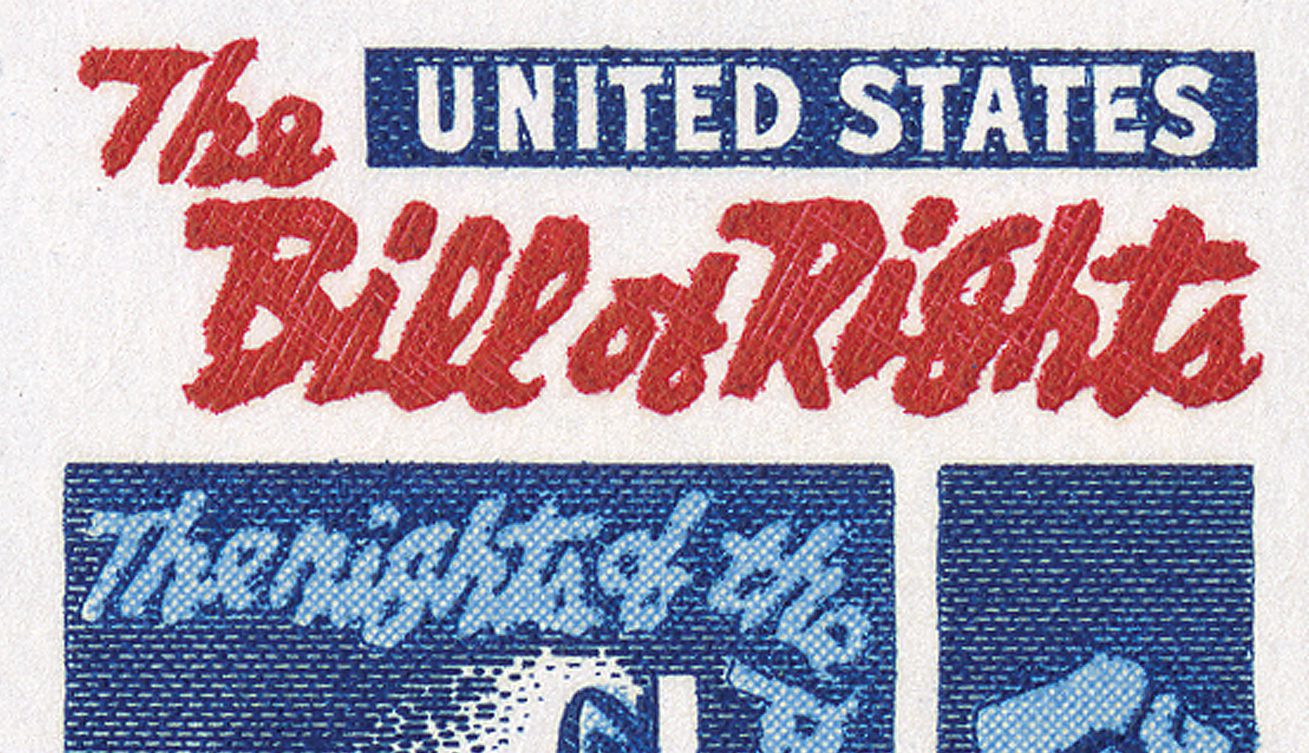
On December 15, 1791, Virginia became the 11th state to ratify the Bill of Rights, earning the three-fourths majority needed to add the first 10 amendments to the Constitution.
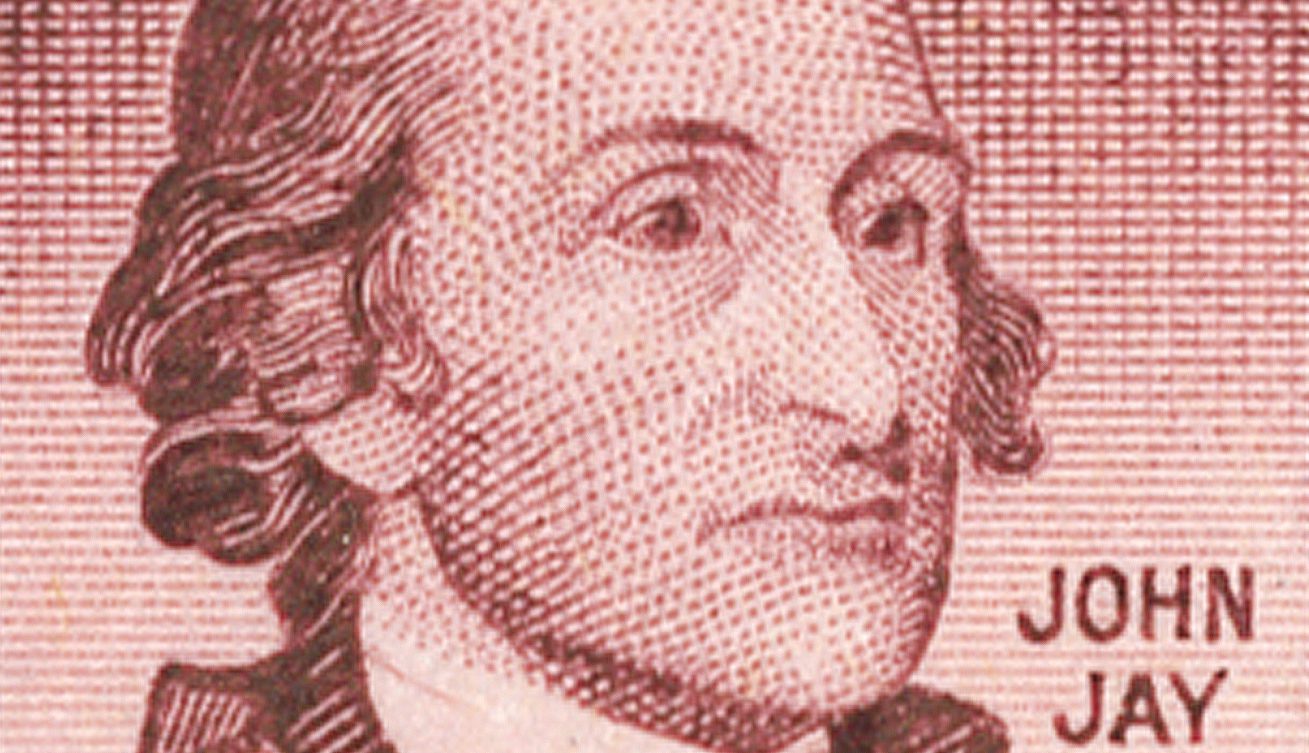
Founding Father John Jay was born on December 12, 1745, in New York City, Province of New York.
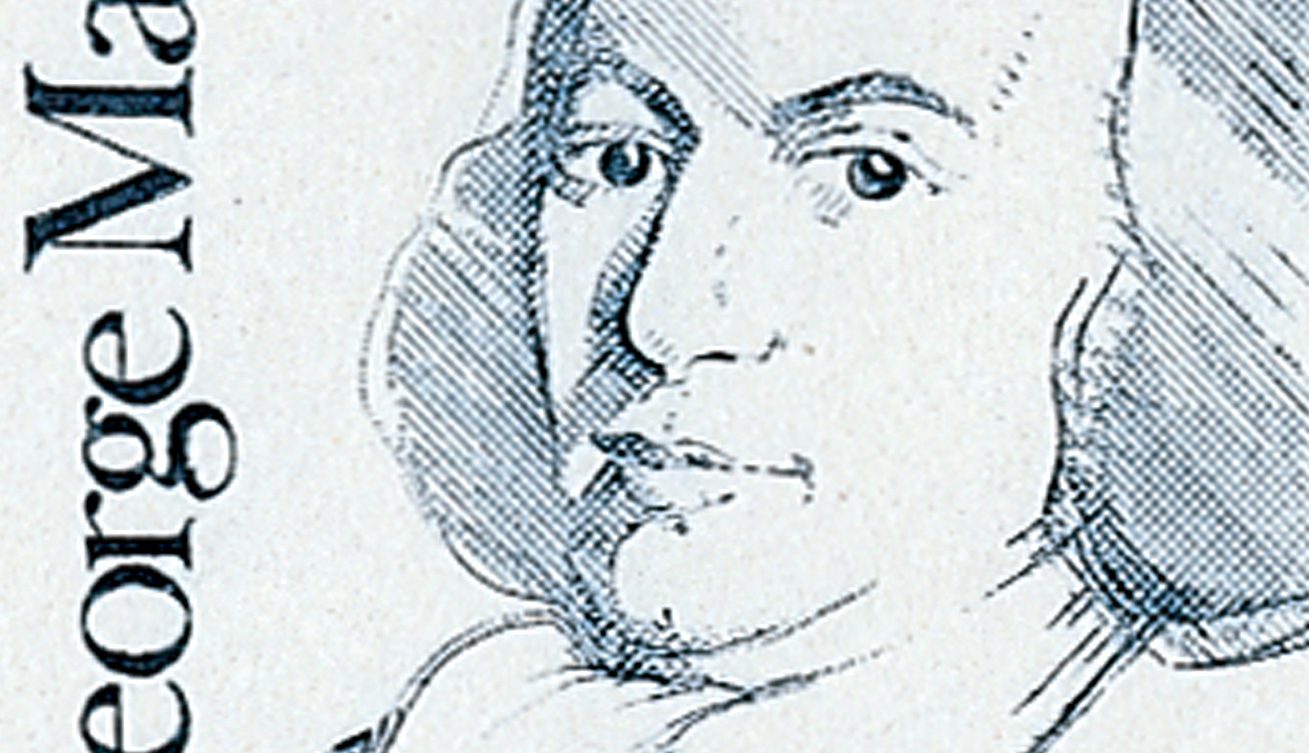
Founding Father George Mason IV was born on December 11, 1725, in Fairfax County, Virginia.
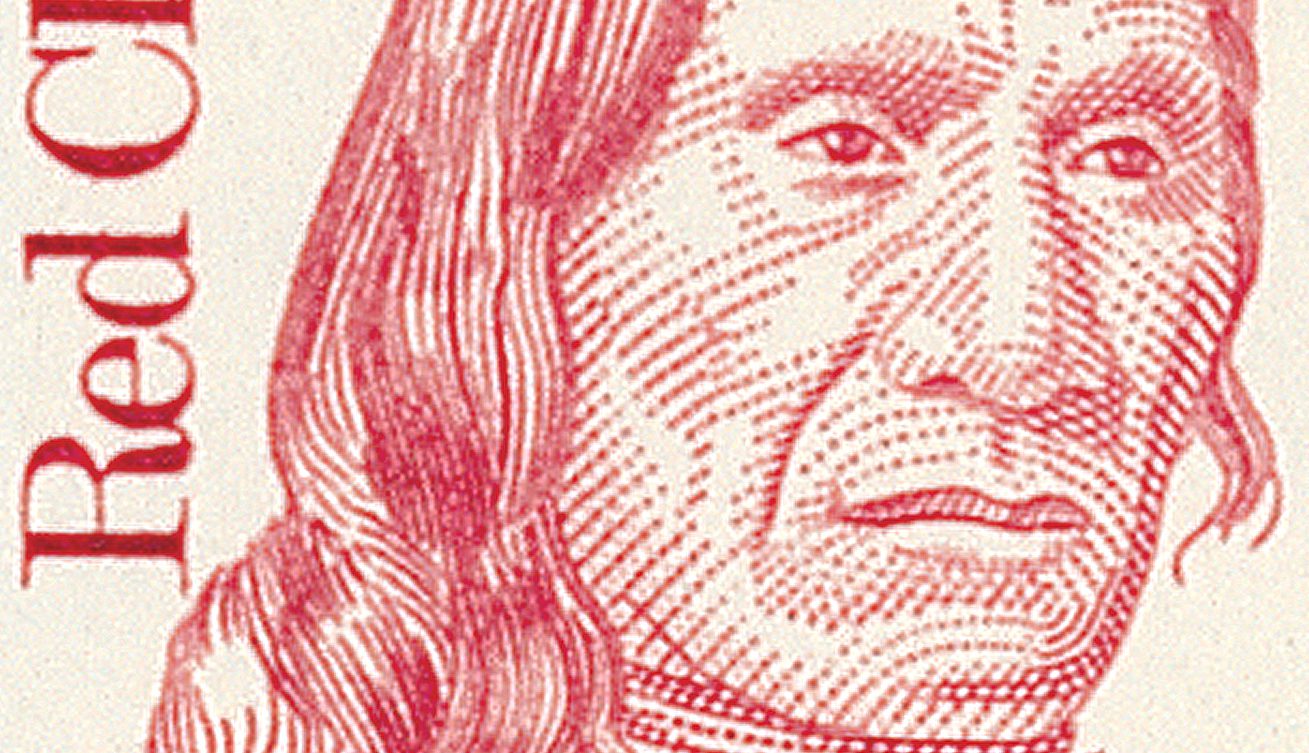
Oglala Lakota Indian warrior Red Cloud died on December 10, 1909.

Author Willa Sibert Cather was born on December 7, 1873, in Gore, Virginia.
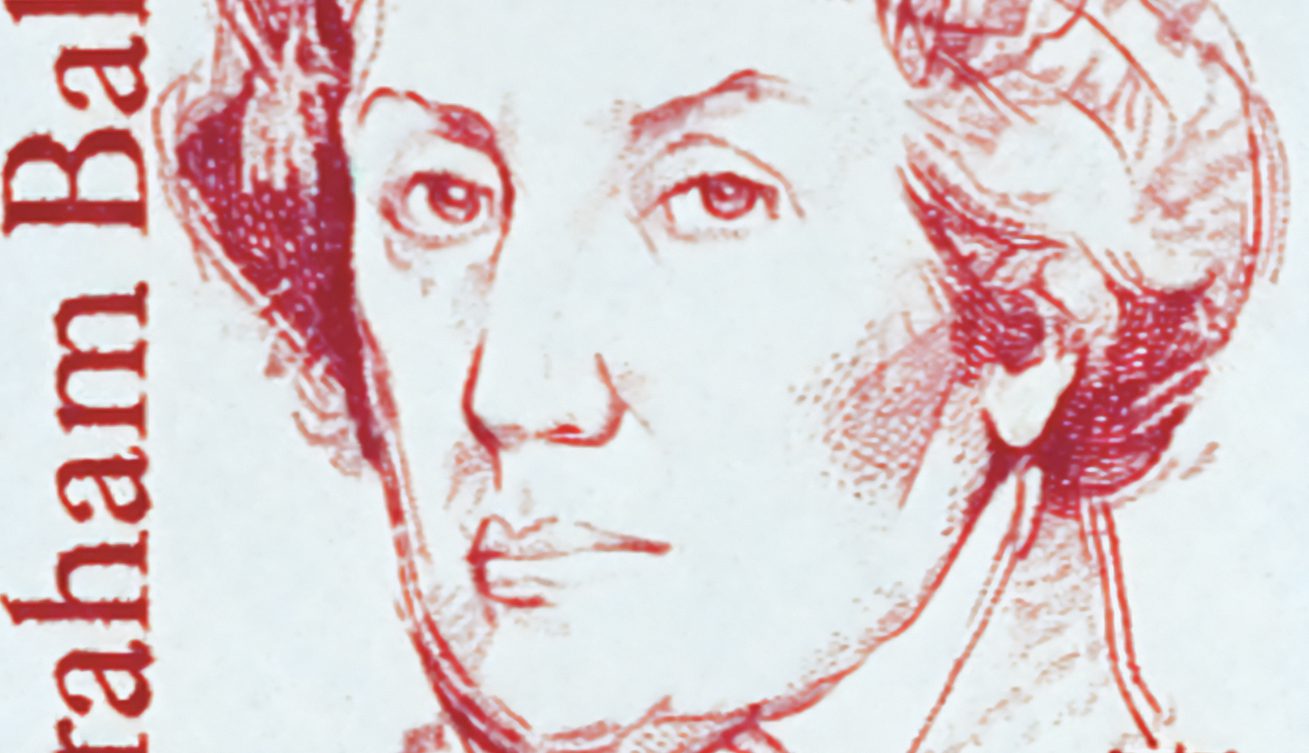
Founding Father Abraham Baldwin was born on November 22, 1754, in Guilford, Connecticut Colony.

Zion National Park was established on November 19, 1919.
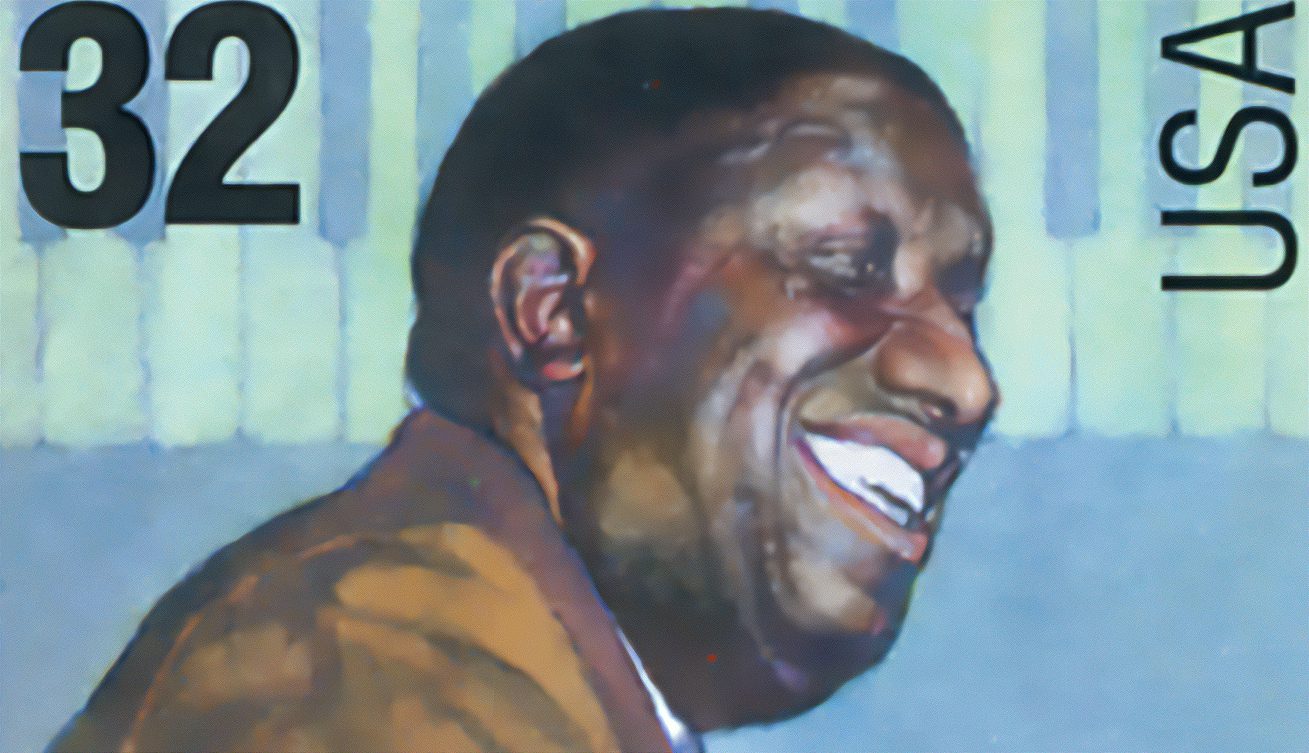
Noted pianist and jazz artist James Price Johnson died on November 17, 1955.