Dolley Madison Saves Famous Washington Portrait
On August 24, 1814, as British troops approached the American capital, First Lady Dolley Madison insisted on saving important historical relics, including a portrait of our first president.

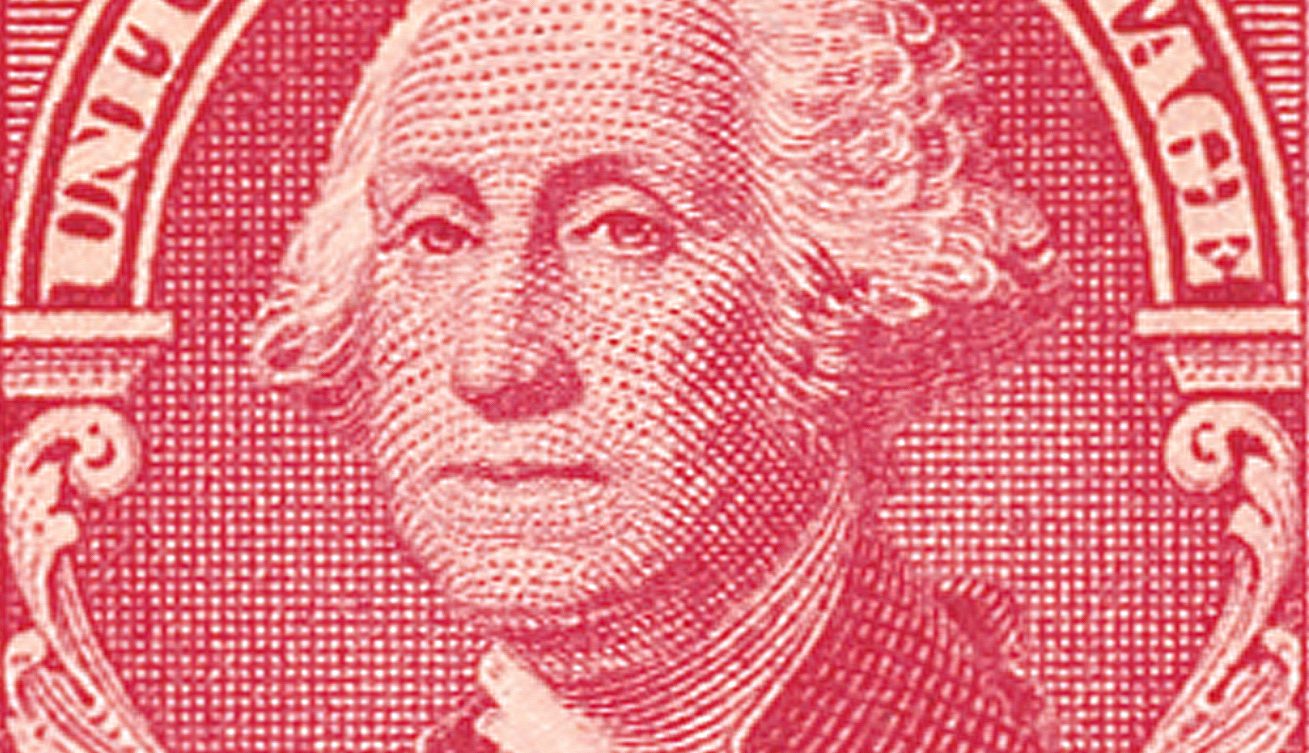
On August 24, 1814, as British troops approached the American capital, First Lady Dolley Madison insisted on saving important historical relics, including a portrait of our first president.
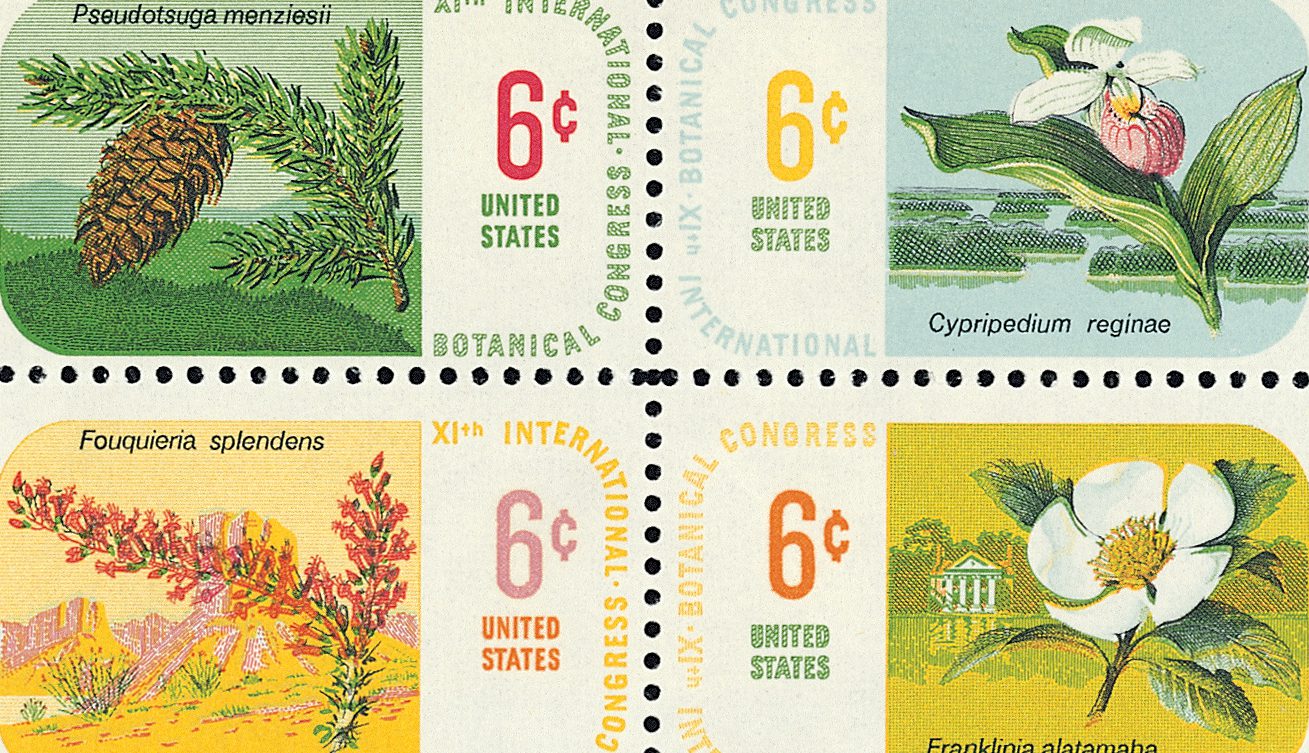
On August 23, 1969, the US Post Office issued a set of four stamps for the 11th International Botanical Congress (IBC). They were the first US stamps that honored flora from each of the four corners of the United States and the first to include Latin names.

Touring New England on August 22, 1902, Theodore Roosevelt became the first sitting president to publicly ride in an electric automobile accompanied by security. This was the first modern presidential motorcade.
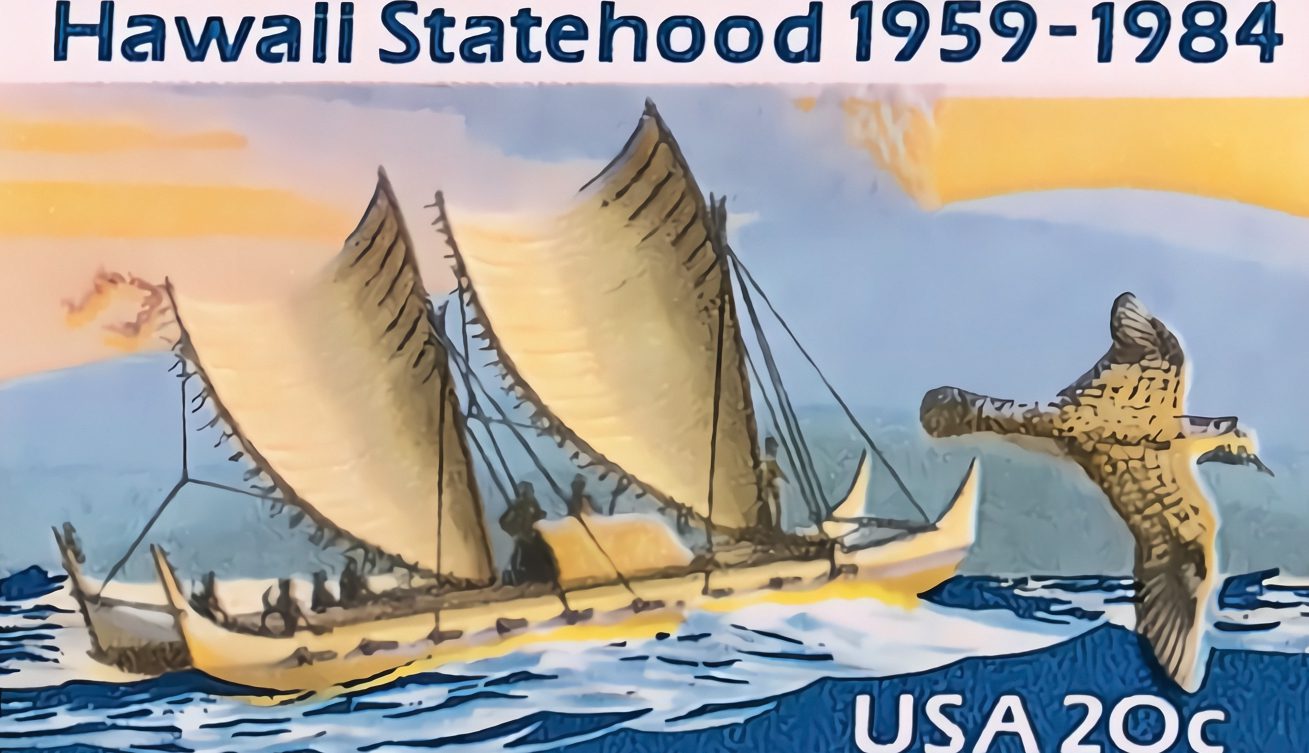
On August 21, 1959, America became the 50-state country we know today with the addition of Hawaii. Hawaii’s path to becoming the 50th state was long, complicated, and sometimes controversial.
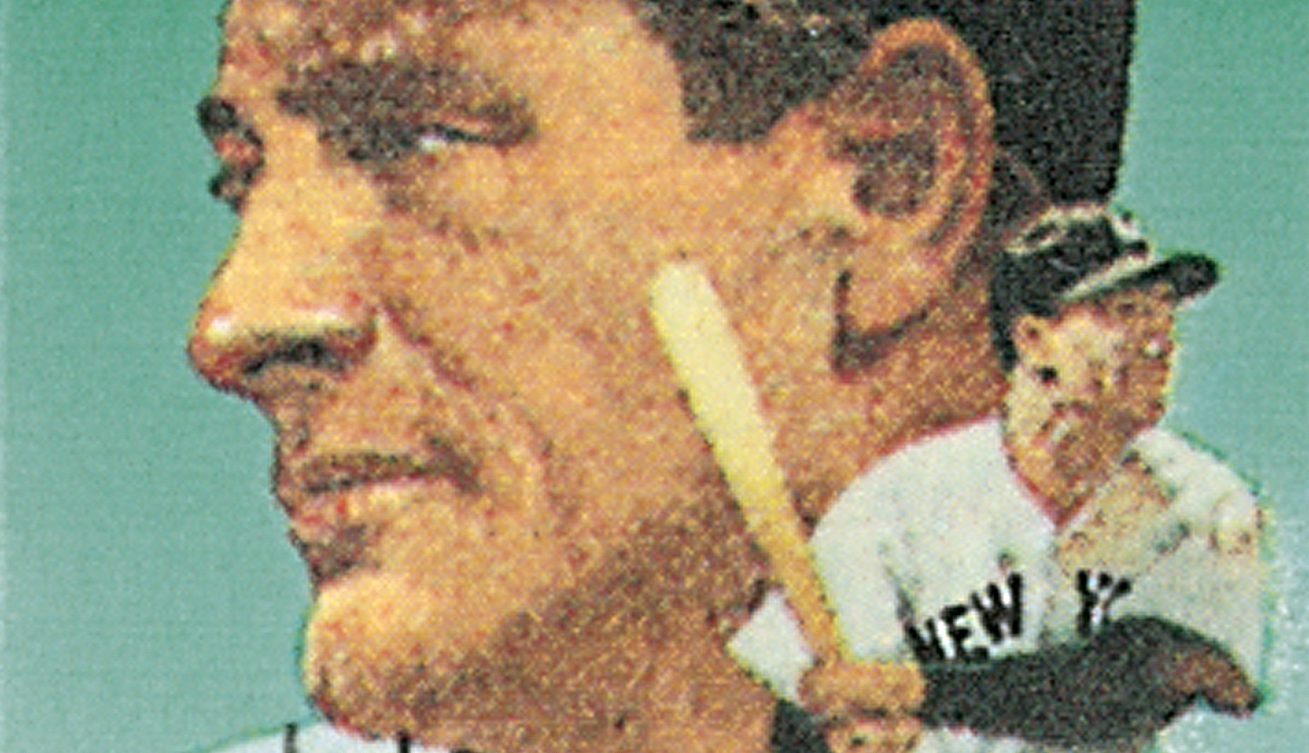
Stepping up to bat in the first inning with the bases loaded, Lou Gehrig hit the 23rd grand slam of his career on August 20, 1938. The Yankees’ “Iron Horse,” his record went unbroken for 75 years.

On August 19, 1940, the B-25 Mitchell bomber made its first flight. One of the most famous medium bombers of World War II, its combination…

Explorer, soldier, and politician Meriwether Lewis was born on August 18, 1774, in Ivy, Albemarle County, Virginia. Best known for the Lewis and Clark Expedition, he went on to serve as governor of the Louisiana Territory.
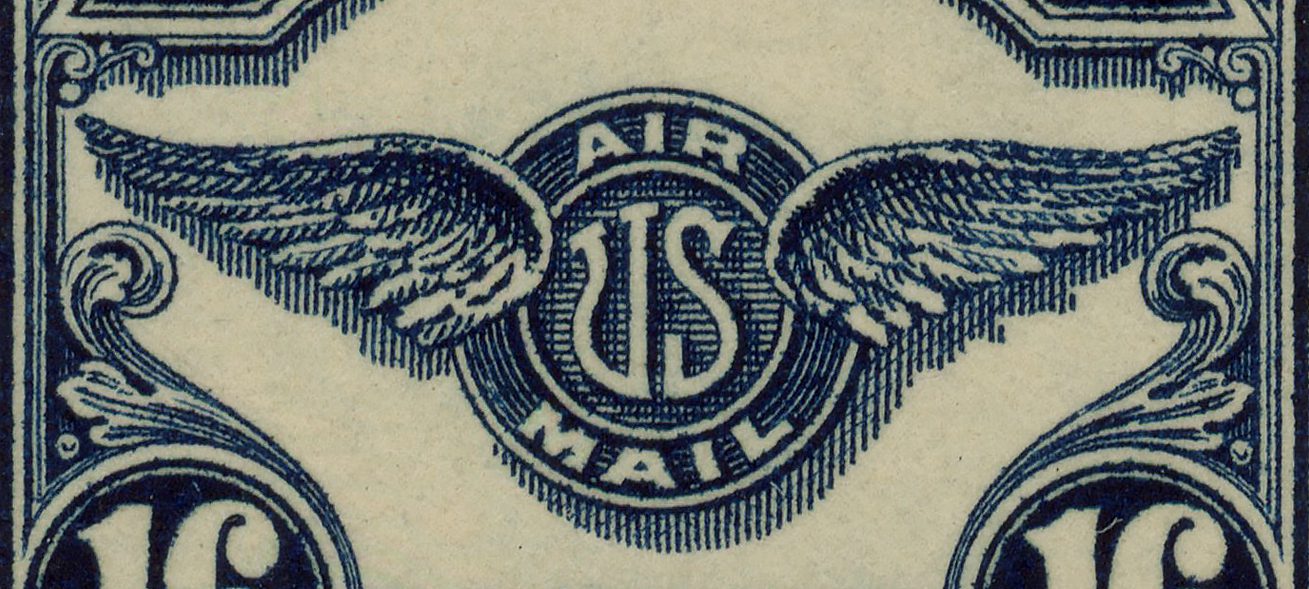
On August 17, 1923, the US Post Office issued its fifth Airmail stamp, #C5. Picturing the Air Service emblem, it was also the first US…
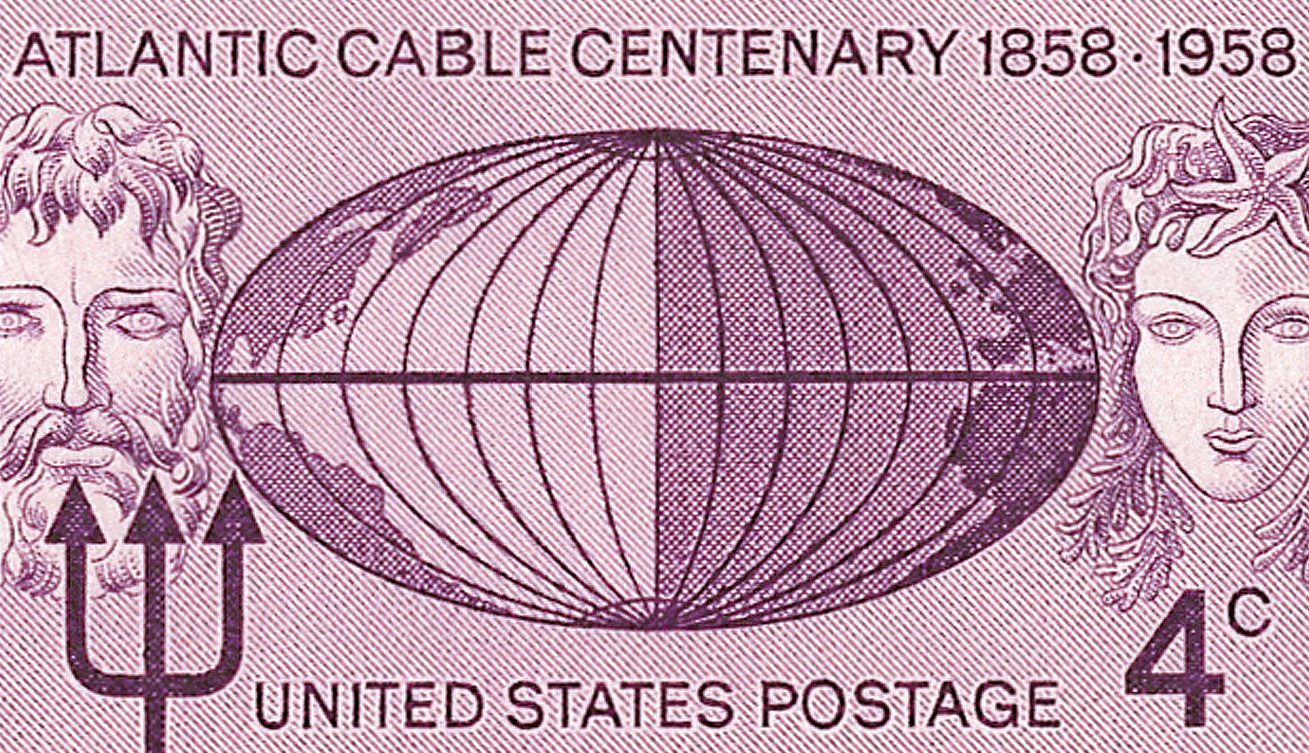
On August 16, 1858, the first message was sent via the transatlantic cable. The message read, “Europe and America are united by telegraphy. Glory to God in the highest; on earth, peace and good will towards men.”