Battle of Verdun
On February 21, 1916, one of the longest battles on the Western Front began at Verdun. The nearly 10-month battle ended in a French victory, but at a high cost of lives on both sides.

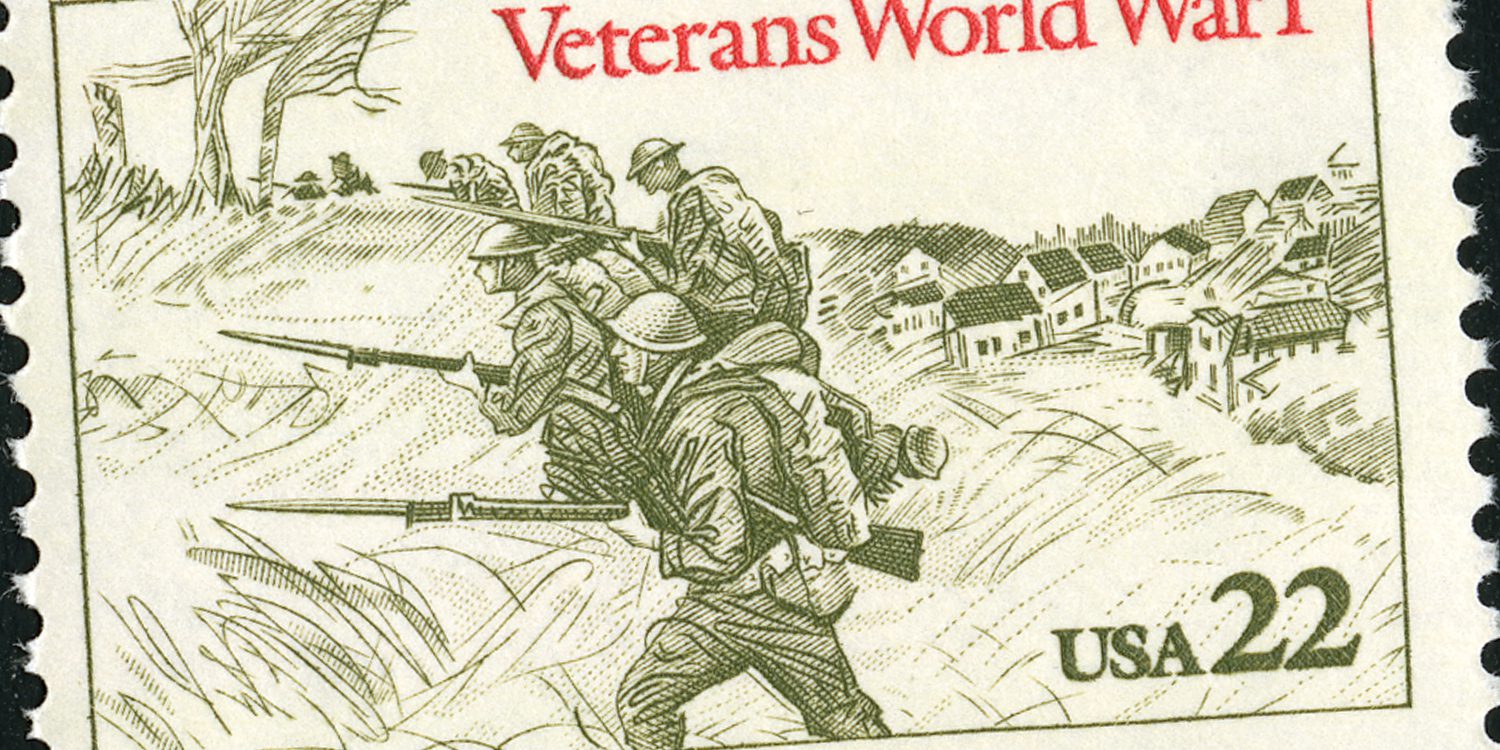
On February 21, 1916, one of the longest battles on the Western Front began at Verdun. The nearly 10-month battle ended in a French victory, but at a high cost of lives on both sides.
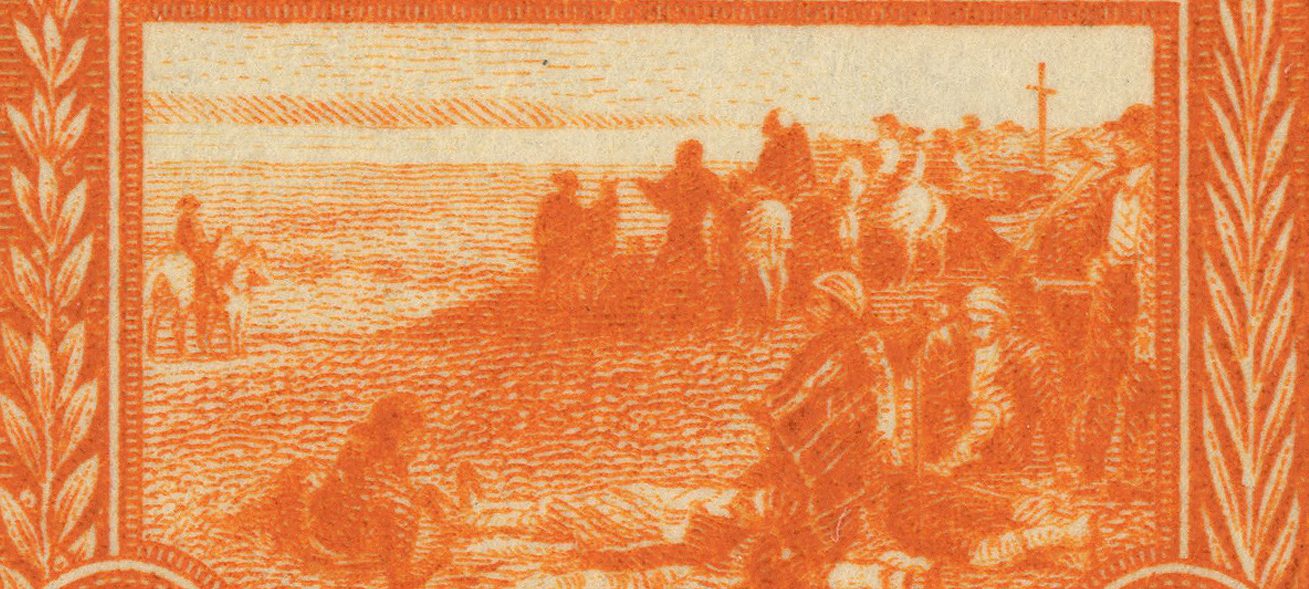
On February 20, 1931, Congress approved the San-Francisco-Oakland Bay Bridge project, setting in motion construction of a permanent crossing that would reshape travel across San Francisco Bay. That decision launched one of the most complex bridge systems ever attempted in the United States and created a transportation link that millions would rely on every year.
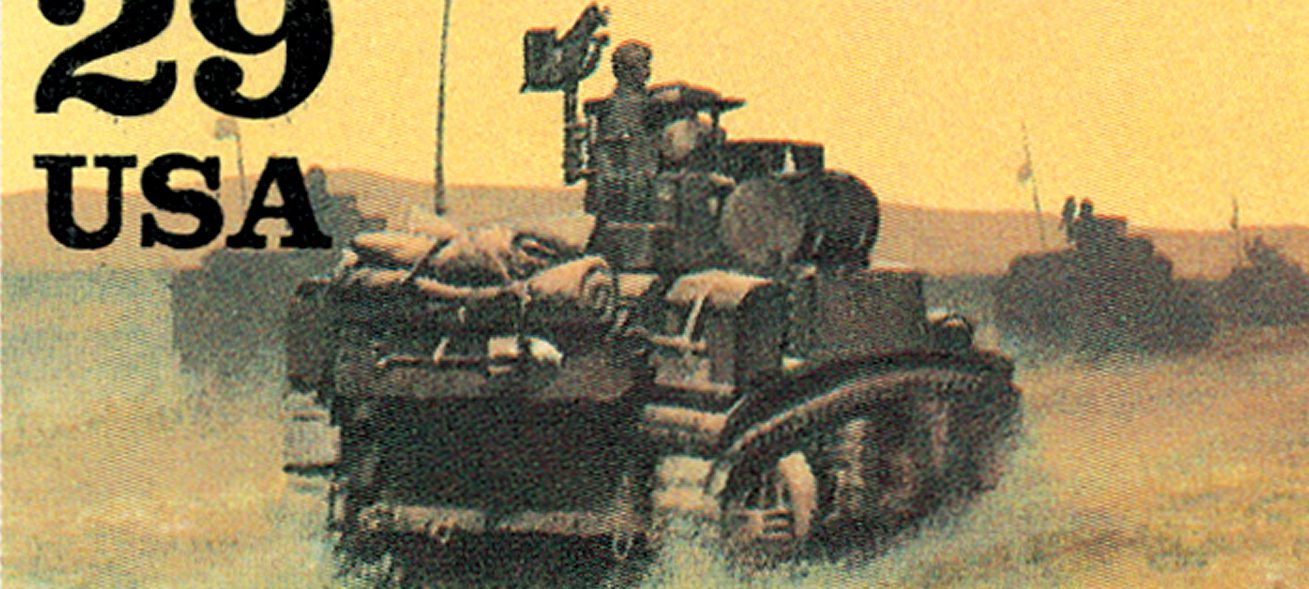
On February 19, 1943, the Battle of Kasserine Pass began, marking the first major clash between American and German forces in North Africa. The fight quickly tested the strength, training, and leadership of US troops as they faced experienced Axis armored units in the rugged mountains of Tunisia.
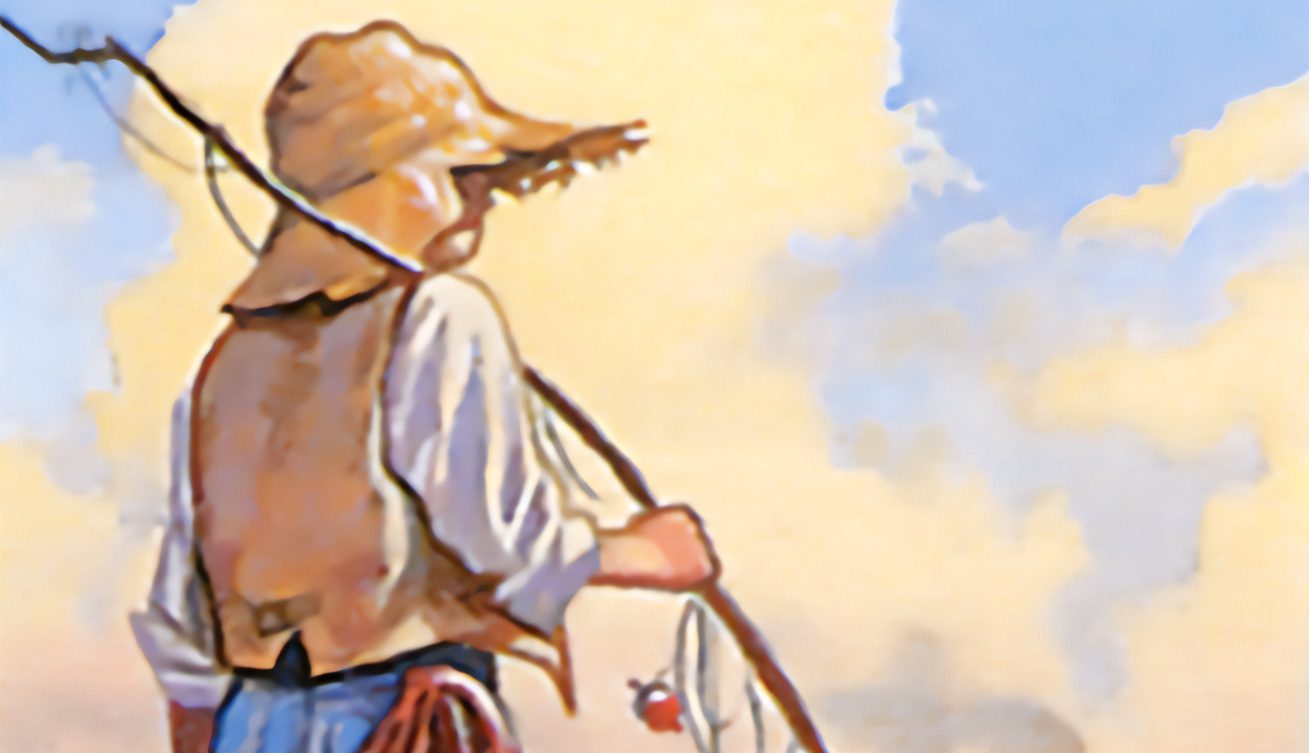
On February 18, 1885, American readers finally got their hands on a novel that captured the raw voice and restless spirit of life along the river. The long-awaited US release of Huckleberry Finn introduced a bold storytelling style that reflected real speech, real conflict, and a complicated nation still wrestling with its past.
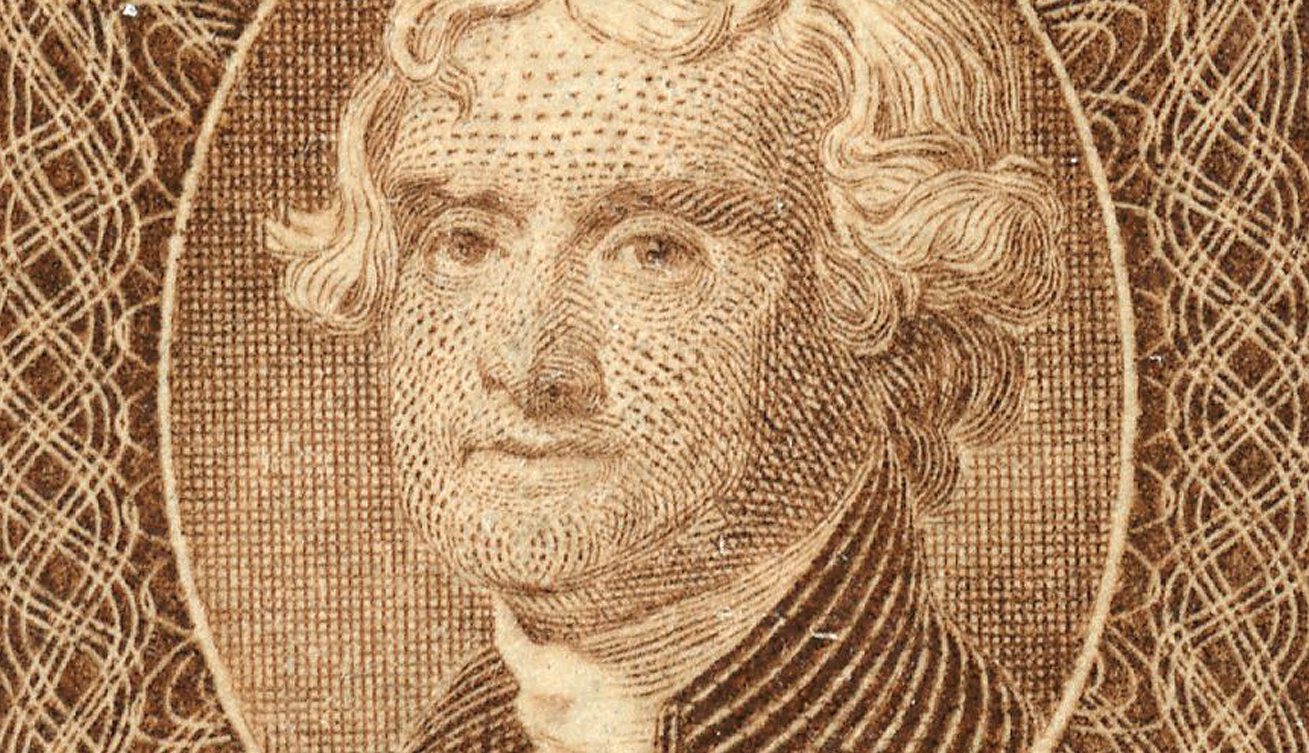
On February 17, 1801, the young United States faced a constitutional crisis that tested whether its new government could transfer power peacefully. That day, after weeks of deadlock, the House of Representatives finally chose a president, proving that the nation’s system—though imperfect—could still function under pressure.

On February 16, 1909, stamps printed on an experimental bluish paper were issued. These stamps were part of an effort to prevent paper shrinkage.
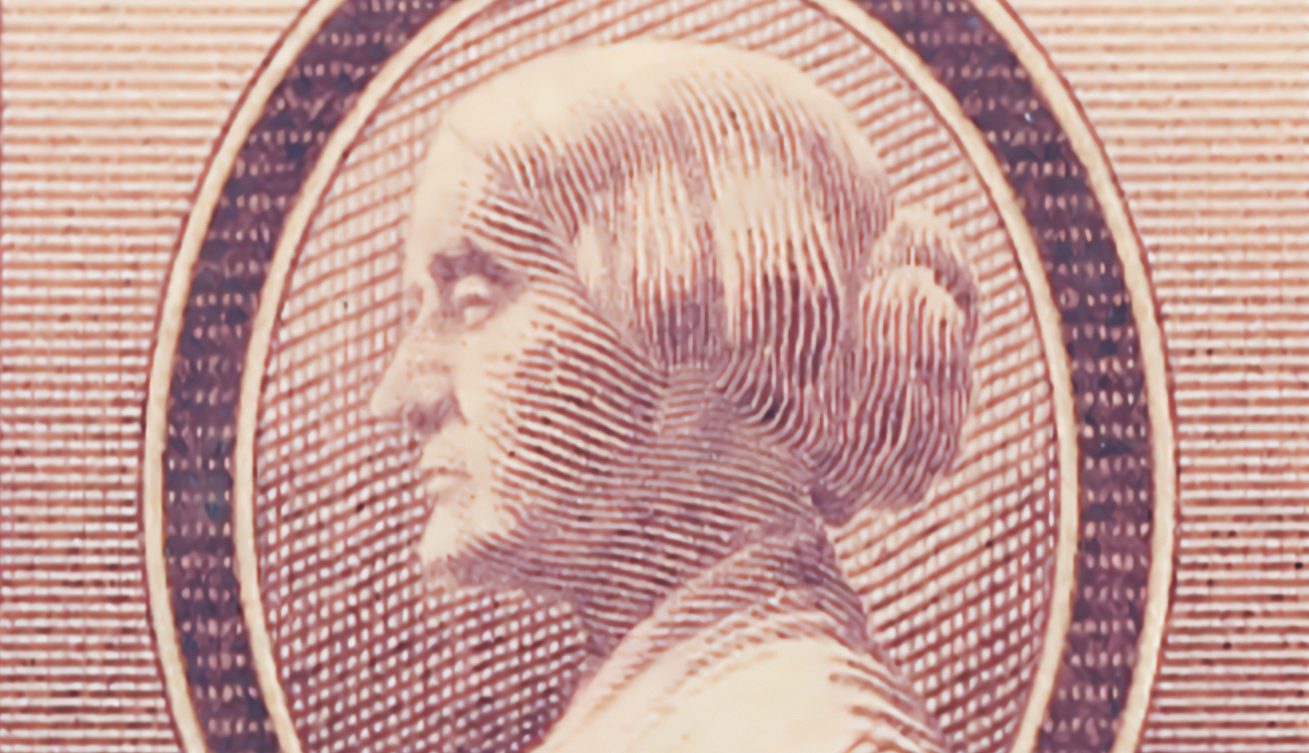
Susan B. Anthony was born on February 15, 1820, in Adams, Massachusetts. Born into a Quaker family that believed deeply in equality and moral responsibility, she would grow into one of the most persistent and recognizable leaders of the fight for women’s voting rights in the United States.
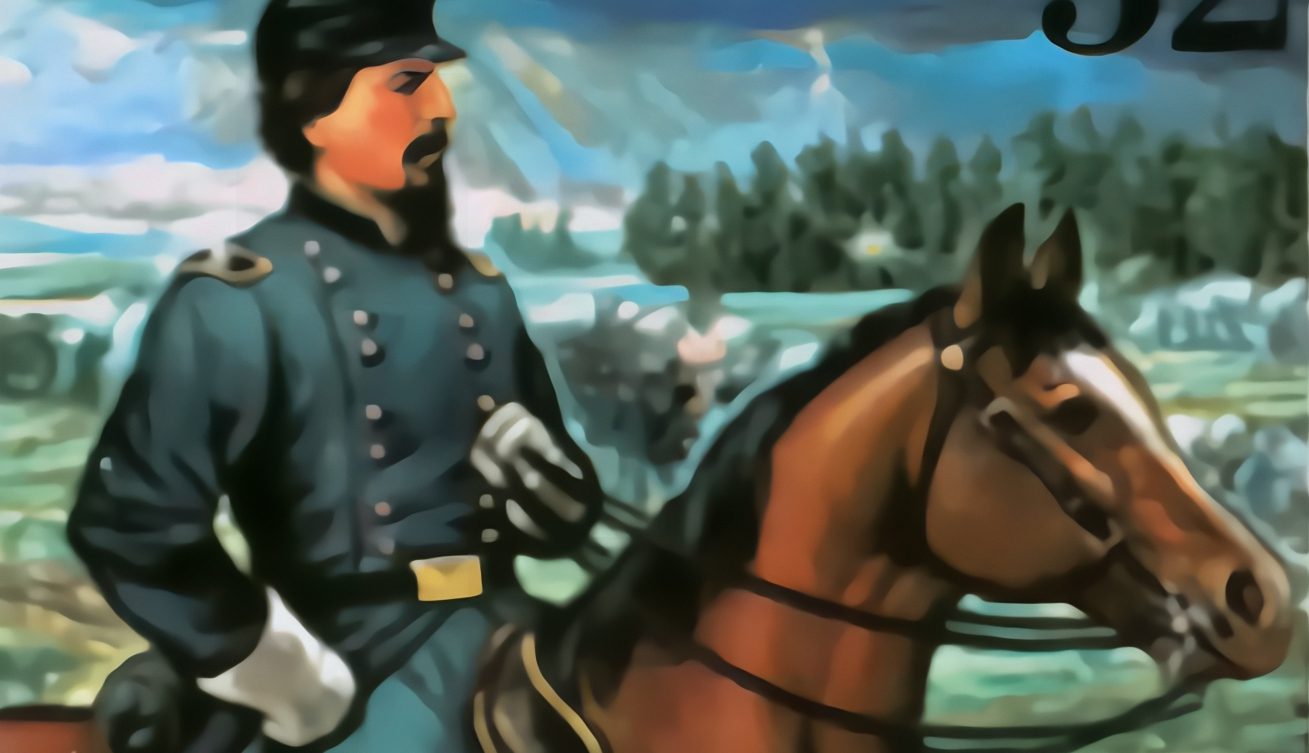
Winfield Scott Hancock was born on February 14, 1824, in Montgomeryville, Pennsylvania, and would grow into one of the Union Army’s most respected battlefield commanders. Known later as “Hancock the Superb,” he built his reputation not through legend, but through steady leadership in some of the Civil War’s hardest fights.

On February 13, 1988, the Winter Olympics opened in Calgary, Alberta, Canada. They were the first Winter Olympics held in Canada and a record number of nations participated for the time.