Nebraska Joins the Union
On March 1, 1867, Congress admitted Nebraska to the Union. The decision came after months of political conflict and even a presidential veto, placing the prairie state at the center of national debate during Reconstruction.

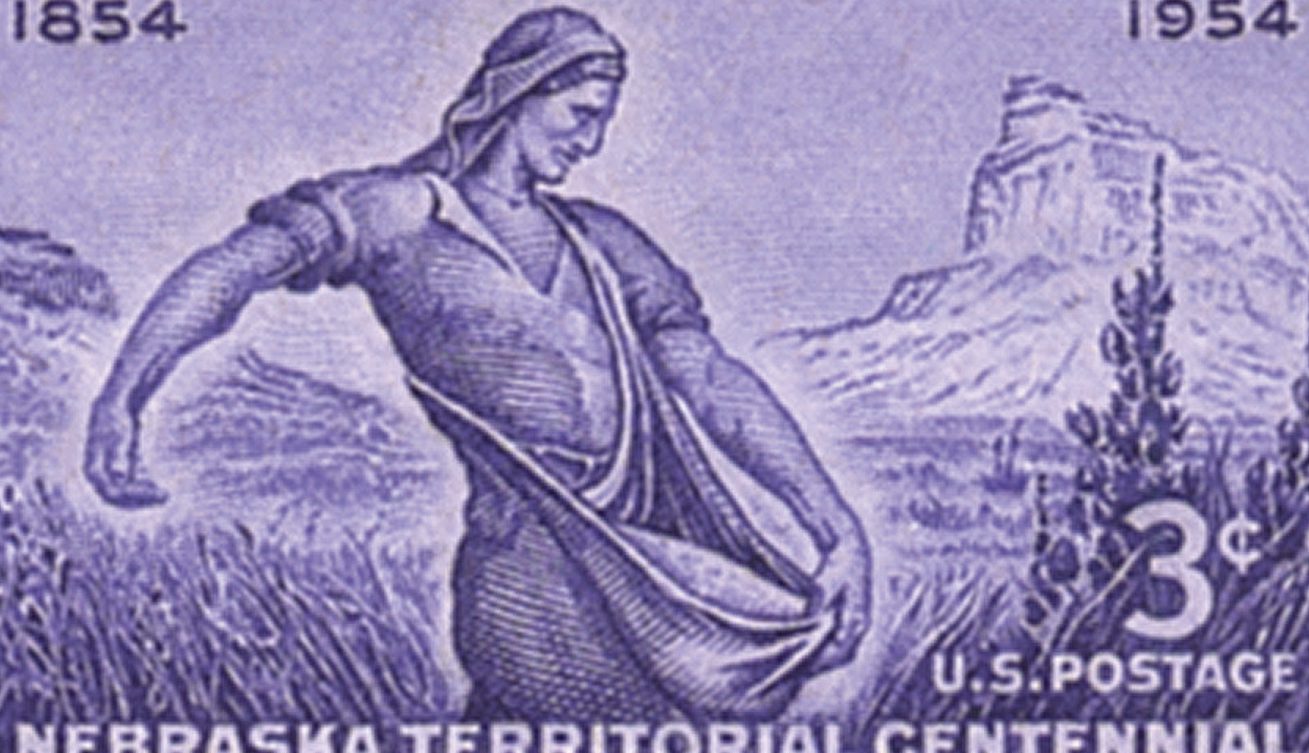
On March 1, 1867, Congress admitted Nebraska to the Union. The decision came after months of political conflict and even a presidential veto, placing the prairie state at the center of national debate during Reconstruction.
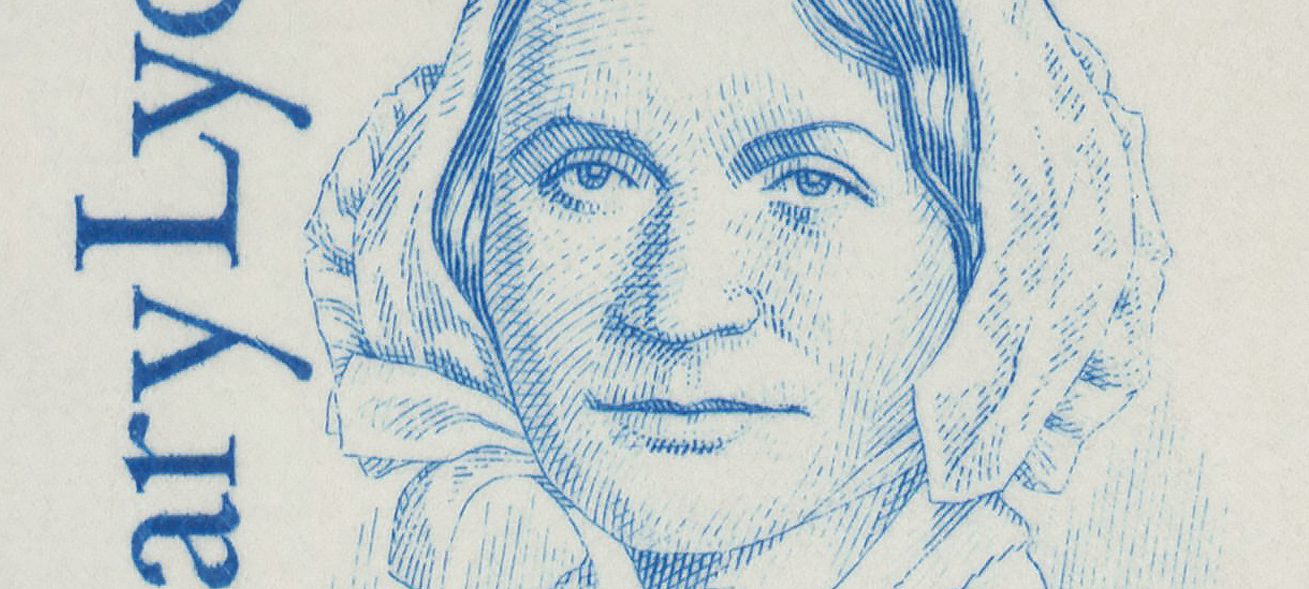
On February 28, 1797, Mary Lyon was born in Buckland, Massachusetts. From a modest New England farm, she would go on to found one of the first institutions in the United States devoted to the higher education of women.
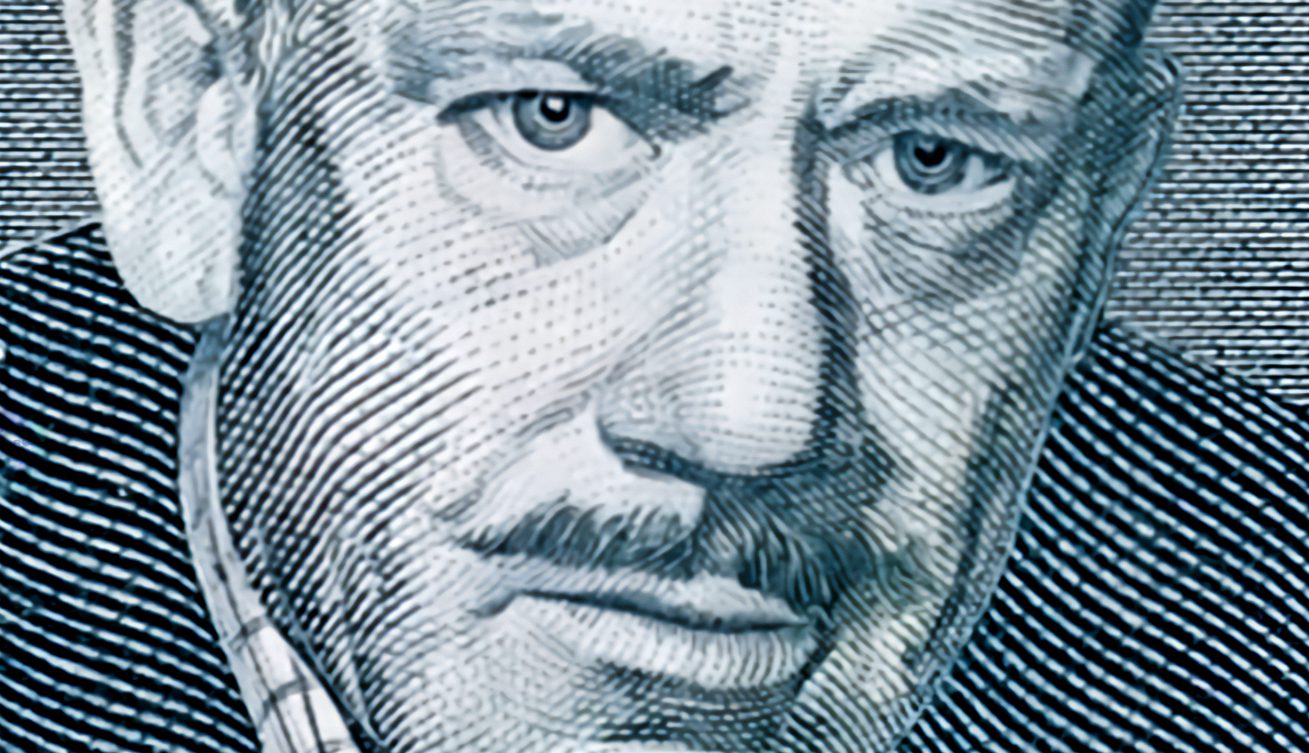
Acclaimed author John Steinbeck was born on February 27, 1902, in Salinas, California. From that small farming town would come a writer whose novels captured the struggles of migrant workers, ranch hands, and families uprooted by the Great Depression.
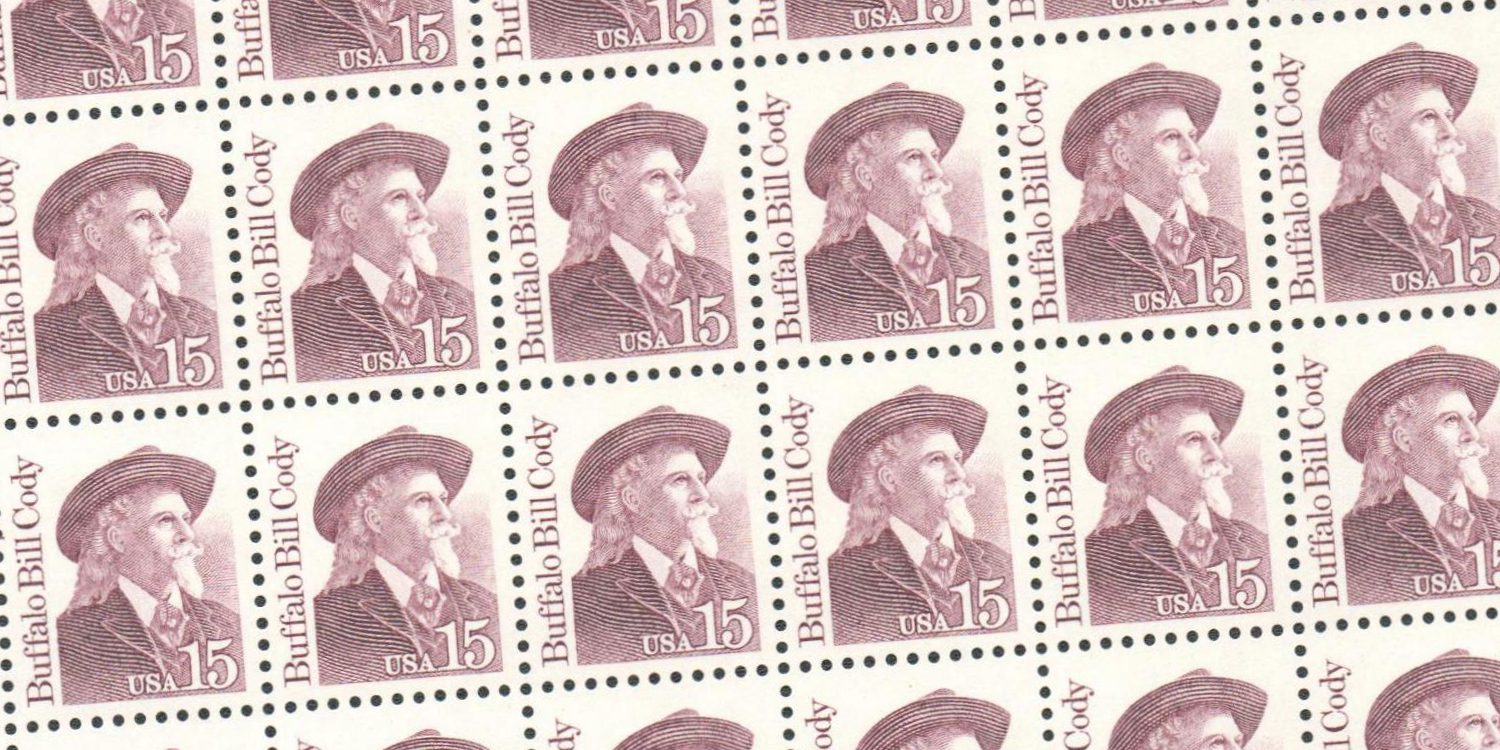
Soldier and showman William Frederick “Buffalo Bill” Cody, was born on February 26, 1846, in LeClaire, Iowa. “Buffalo Bill” was one of the most famous figures of the Old West, gaining increased prominence and popularity for his Wild West shows.
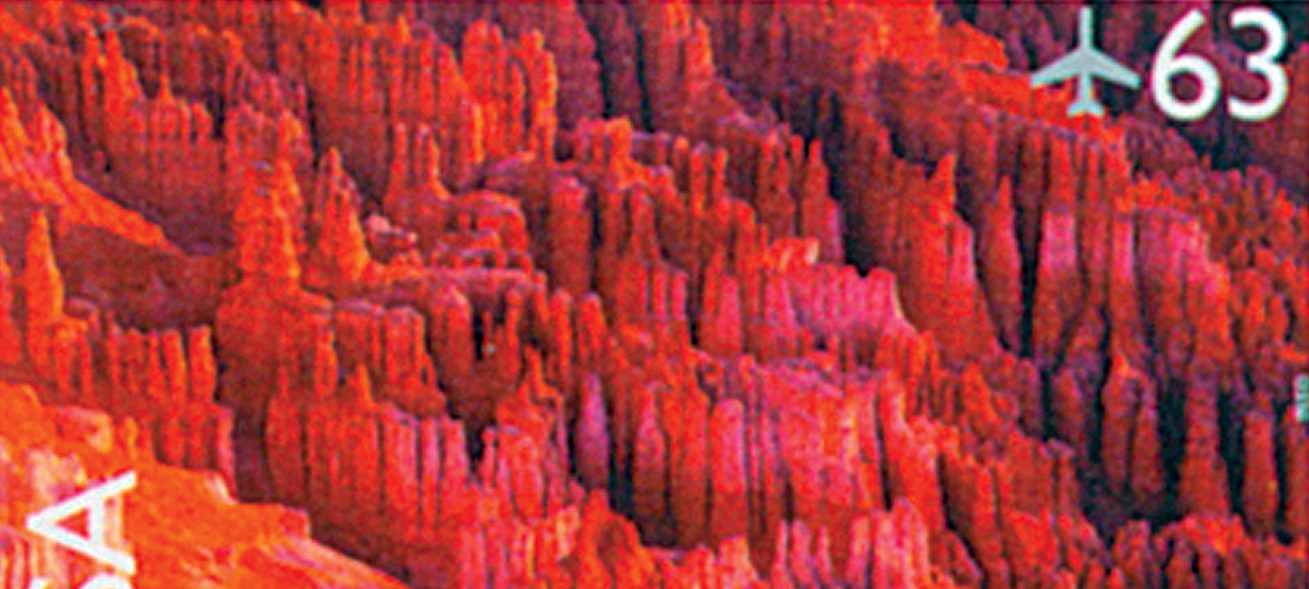
On February 25, 1928, Bryce Canyon officially became Bryce Canyon National Park, securing permanent federal protection for one of America’s most unusual landscapes. What began as a remote stretch of pink cliffs and strange rock spires in southern Utah had become important enough to earn the highest level of preservation in the National Park System.
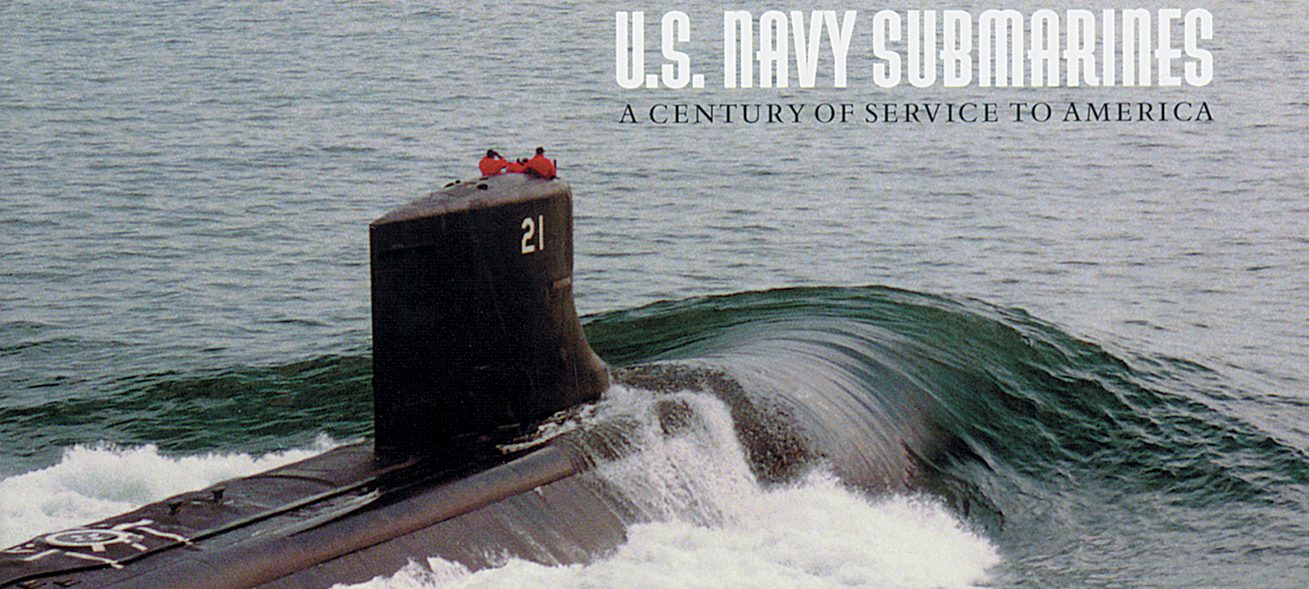
On February 24, 1960, the US Navy submarine USS Triton slipped beneath the surface to begin the first fully submerged circumnavigation of the globe. The daring departure marked the start of a 60-day underwater journey that would prove just how far nuclear submarine technology had advanced during the tense years of the Cold War.
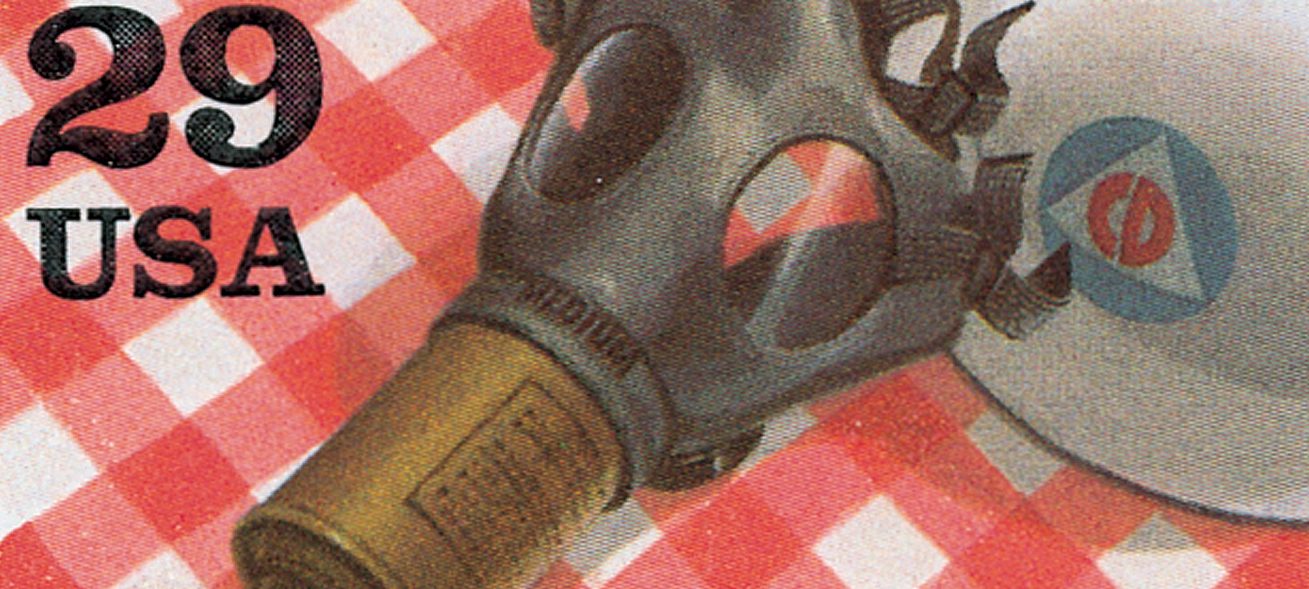
On February 23, 1942, millions of Americans were gathered around their radios listening to President Franklin D. Roosevelt’s fireside chat. At almost the same moment — 7:15 p.m. Pacific time — a Japanese submarine surfaced one mile off the California coast and began shelling an oil field near Santa Barbara. The war had just arrived on the American mainland.

On February 22, 1855, Governor James Pollock put his signature on a document that changed Pennsylvania’s future. It created The Farmers’ High School of Pennsylvania — the seed of what would eventually become Penn State — and set in motion a struggle to fulfill the promise of the Morrill Land-Grant Act of 1862.
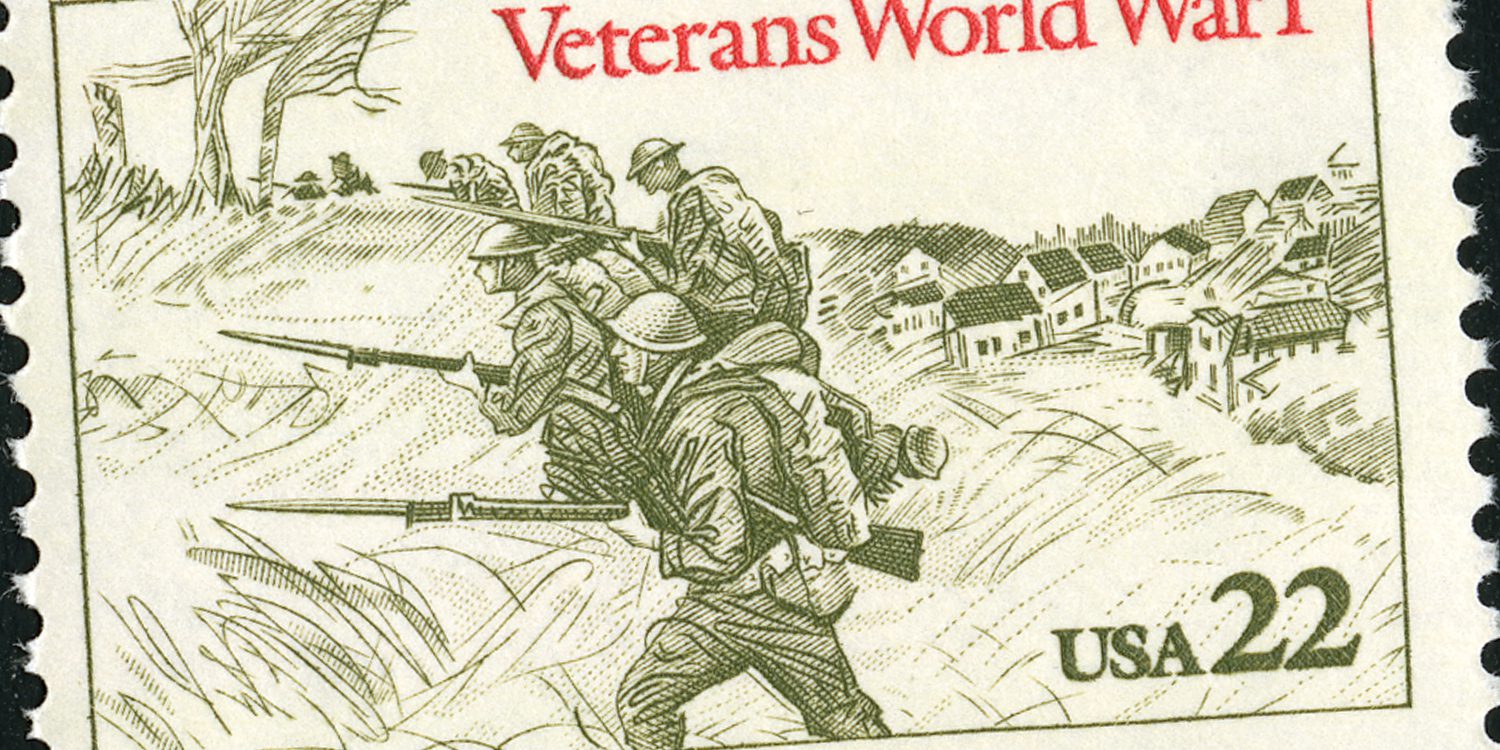
On February 21, 1916, one of the longest battles on the Western Front began at Verdun. The nearly 10-month battle ended in a French victory, but at a high cost of lives on both sides.