Birth of Coles Phillips
Clarence Coles Phillips was born on October 3, 1880, in Springfield, Ohio. Considered one of the leaders of the Golden Age of Illustration, he’s most well-known for his “fadeaway” girls, as pictured on his 2001 stamp.

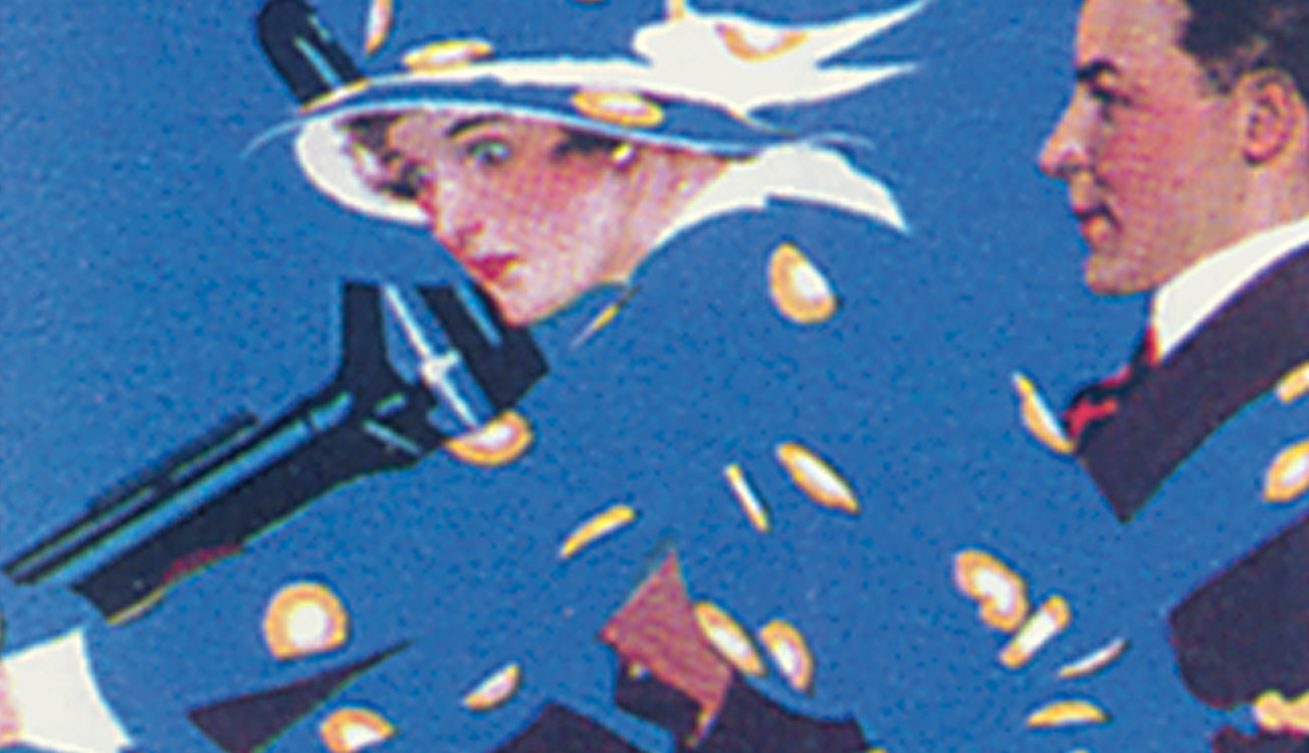
Clarence Coles Phillips was born on October 3, 1880, in Springfield, Ohio. Considered one of the leaders of the Golden Age of Illustration, he’s most well-known for his “fadeaway” girls, as pictured on his 2001 stamp.

On October 2, 1835, a dispute over a small cannon brought armed Texian settlers and Mexican soldiers into conflict near Gonzales. The brief Battle of Gonzales caused few casualties, but it marked the open break that became the Texas Revolution.
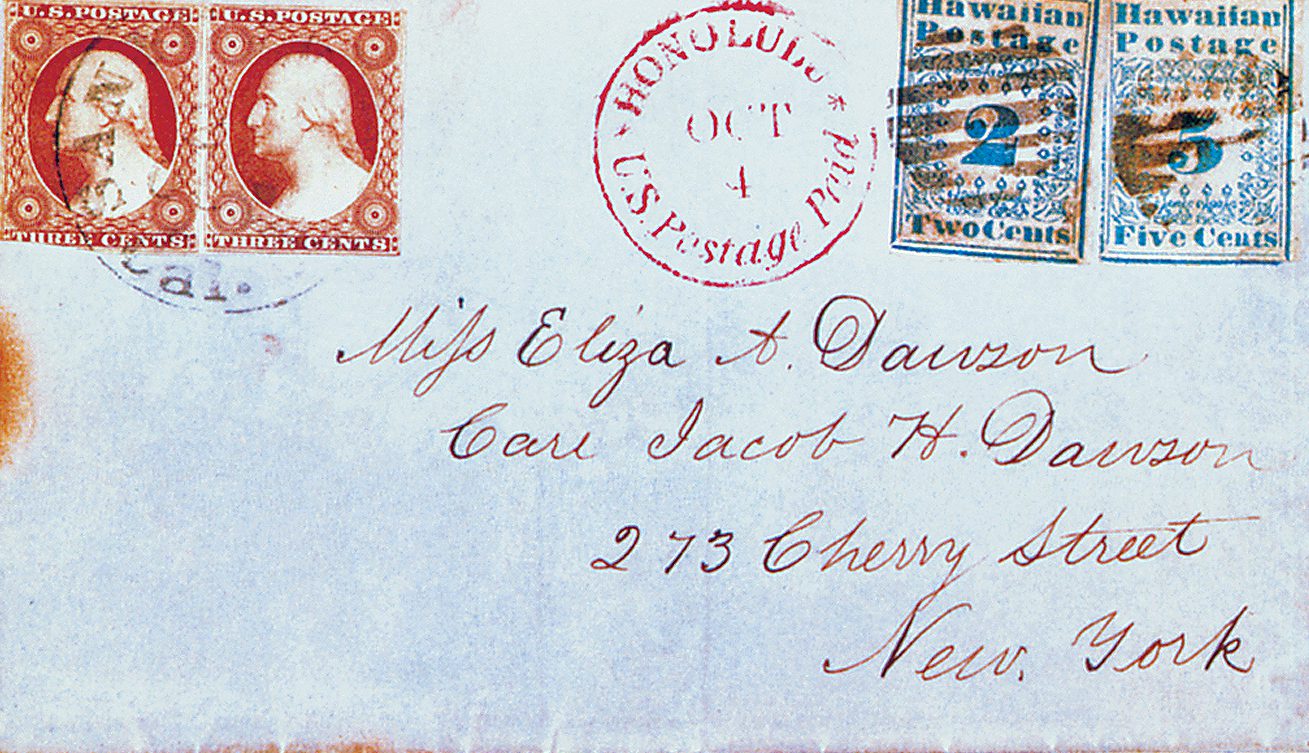
On October 1, 1851, Hawaiʻi placed its first postage stamps on sale—tiny blue labels that are now among the world’s rarest and most sought-after stamps. Called the Hawaiian Missionaries, they were created to bring dependable postage to islands whose overseas mail had long traveled by chance.
On September 30, 1889, the first building of the Mayo Clinic opened to the public. Today its one of the world’s largest medical centers and the top-ranked hospital in the US.
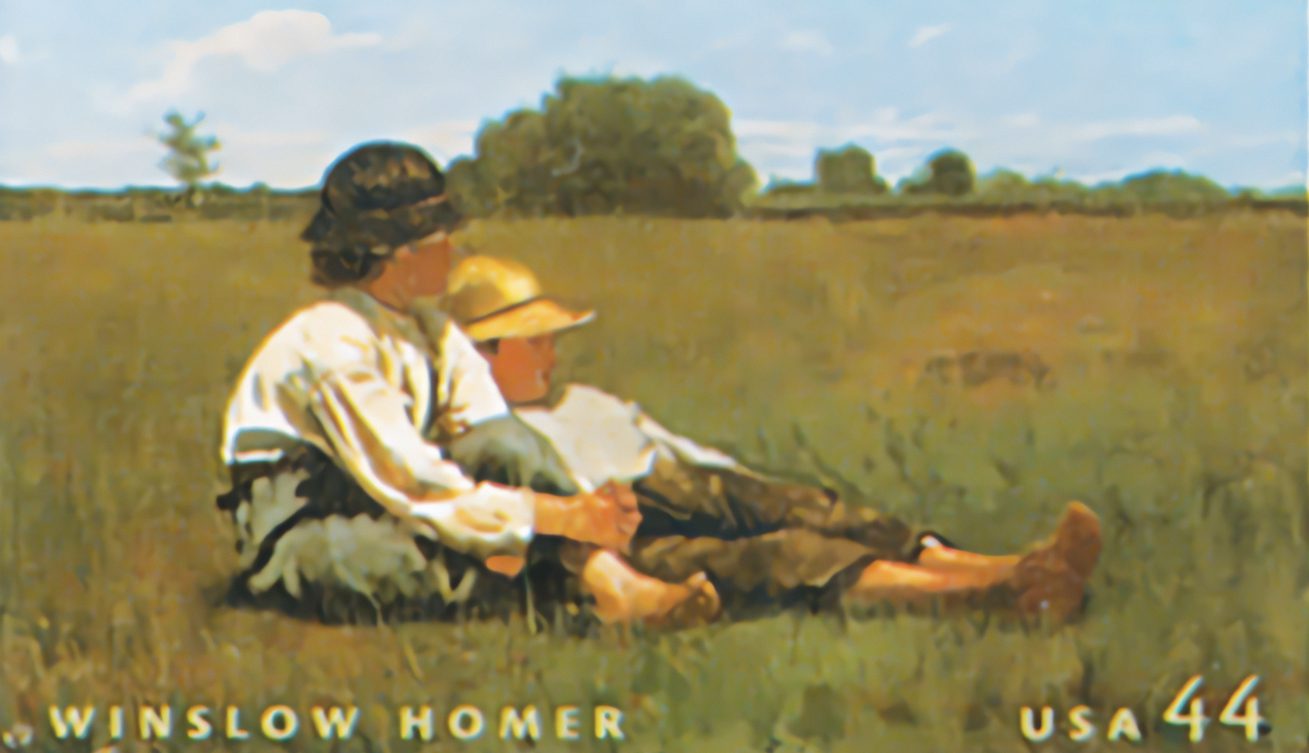
On September 29, 1910, Winslow Homer died at Prouts Neck, Maine, after a career that helped define American art. He began as a magazine illustrator, but his paintings and watercolors came to portray war, work, childhood, and the sea with unusual clarity and force.

On September 28, 1990, the US Postal Service issued two stamps commemorating the Compacts of Free Association with the Federated States of Micronesia and the Republic of the Marshall Islands. The stamps marked a relationship that recognized the two Pacific territories as self-governing and sovereign while maintaining close ties with the United States.
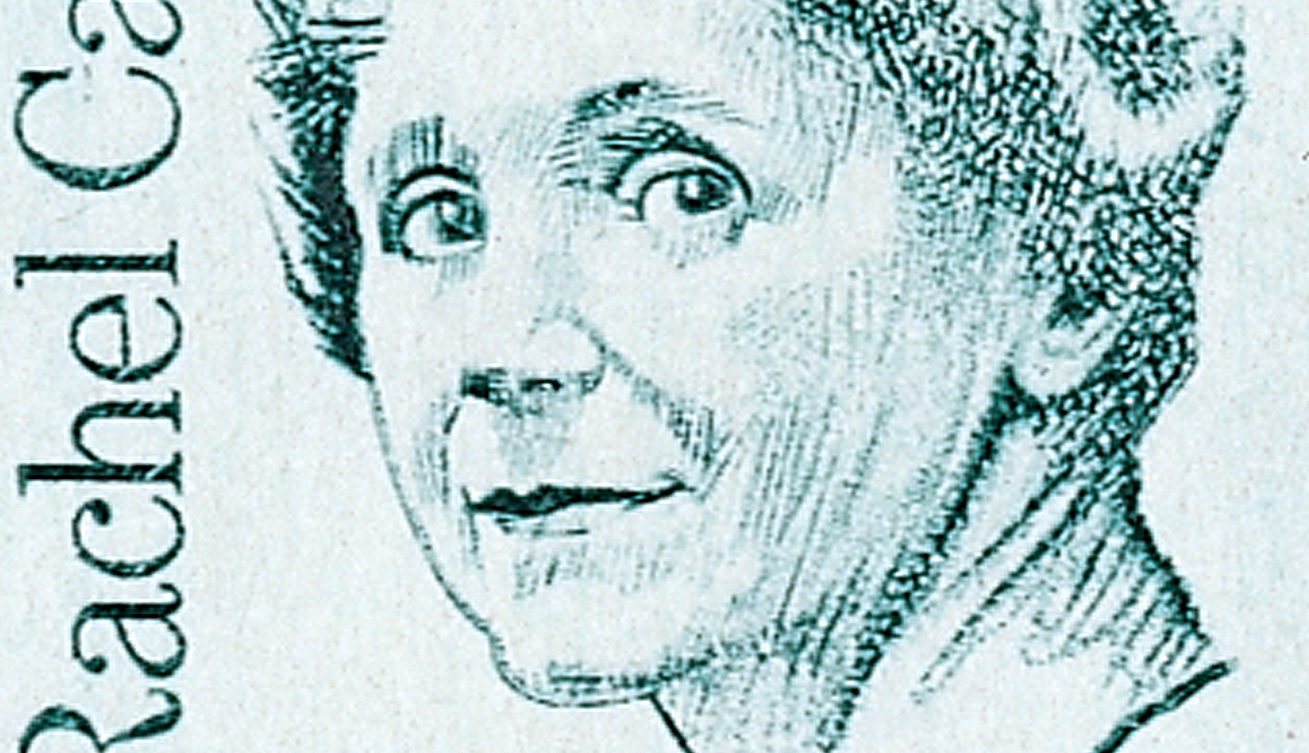
On September 27, 1962, Rachel Carson published Silent Spring, a book that challenged Americans to consider what happened after pesticides were sprayed. Drawing on scientific studies, government records, and reports from affected communities, Carson argued that chemicals meant to kill insects could also disrupt entire ecosystems.

George Gershwin was born Jacob Gershwine on September 26, 1898, in Brooklyn, New York. A successful composer and pianist, he created beloved orchestral compositions, popular jazz standards, as well as Broadway and Hollywood hits.
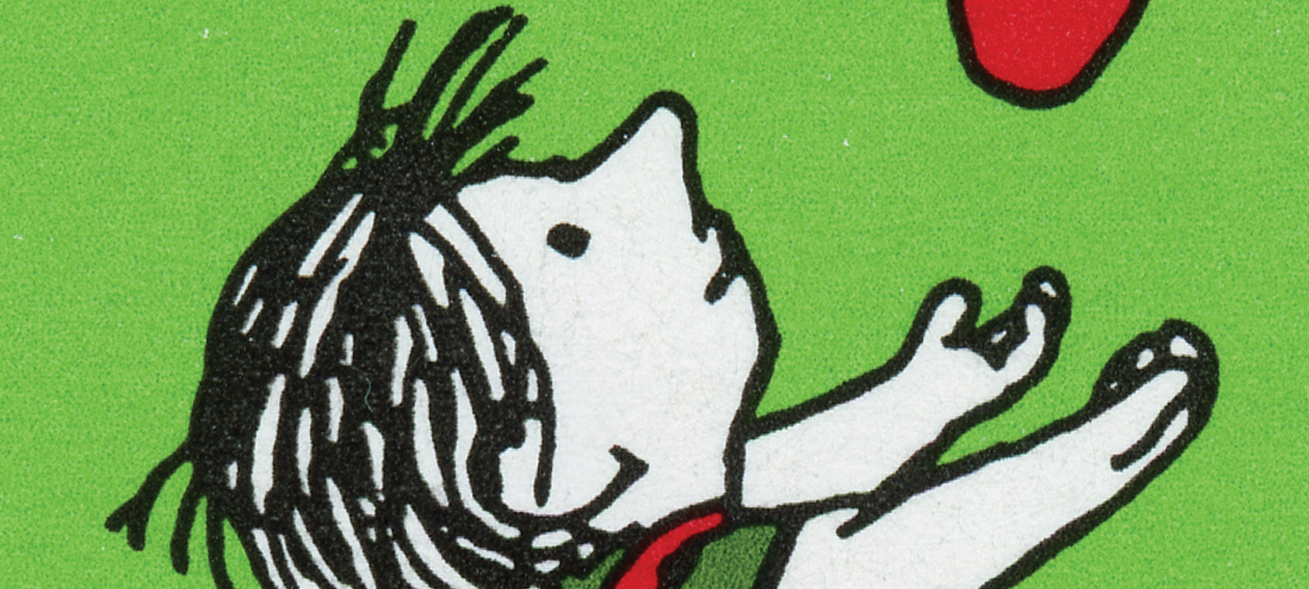
Shel Silverstein was born Sheldon Allan Silverstein on September 25, 1930, in Chicago, Illinois. Before he became known for children’s poetry, he had worked as a military cartoonist, a magazine illustrator, a playwright, a recording artist, and a songwriter.