

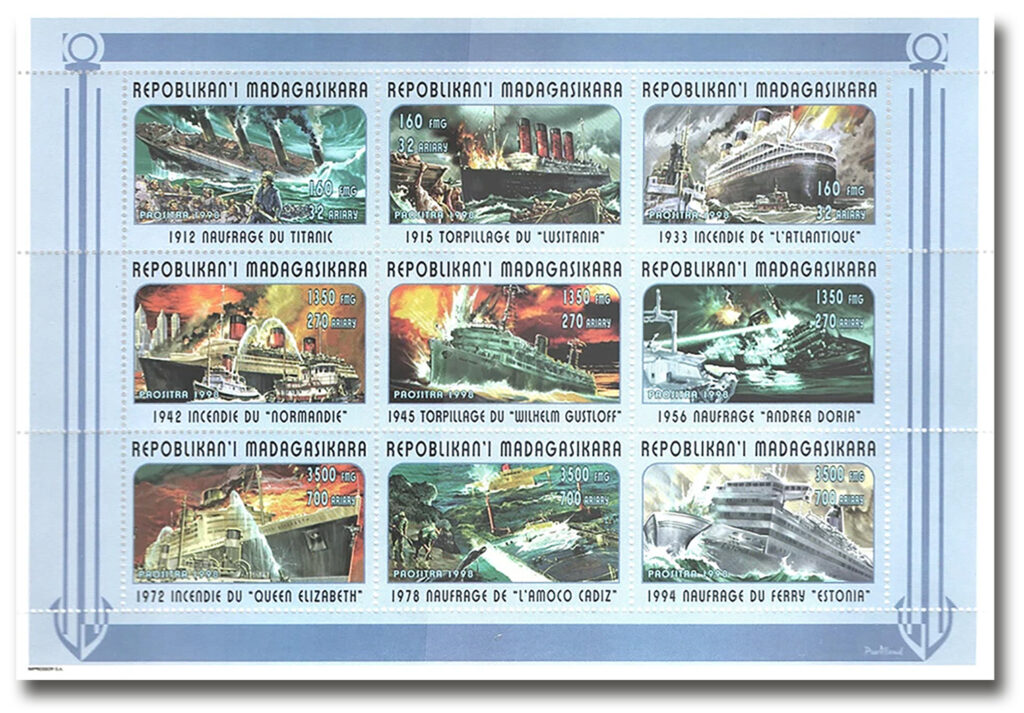
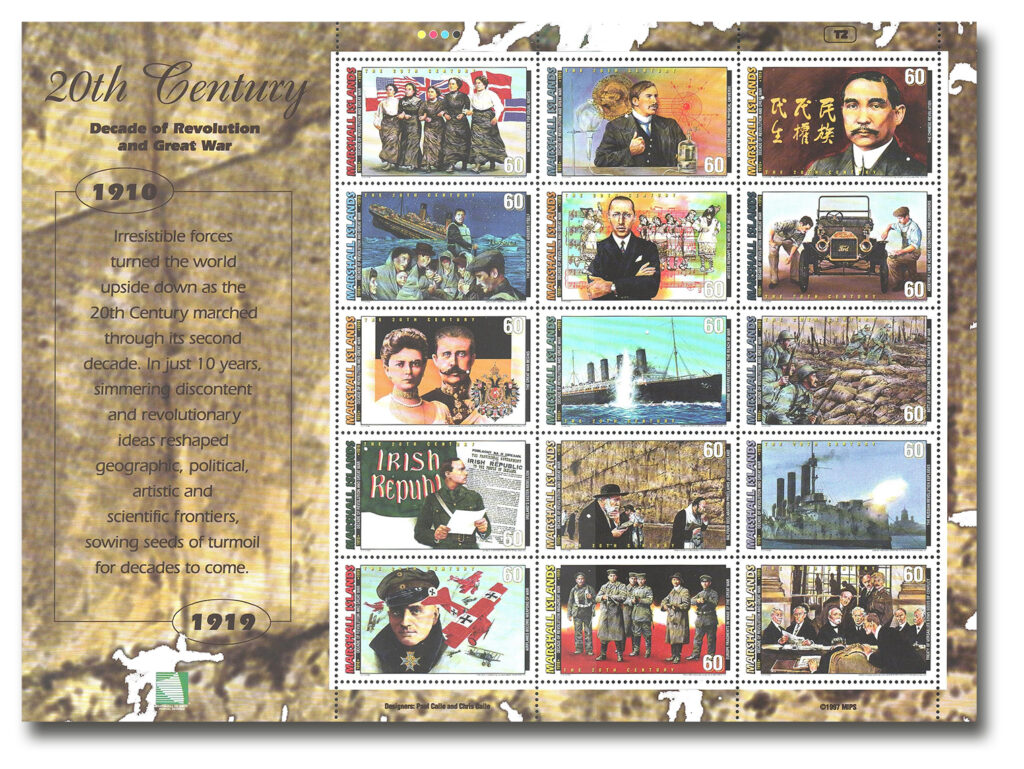
On May 7, 1915, a German U-boat torpedoed the British ocean liner Lusitania off the coast of Ireland. The ship sank in about 18 minutes, killing nearly 1,200 people and pushing the United States closer to World War I.
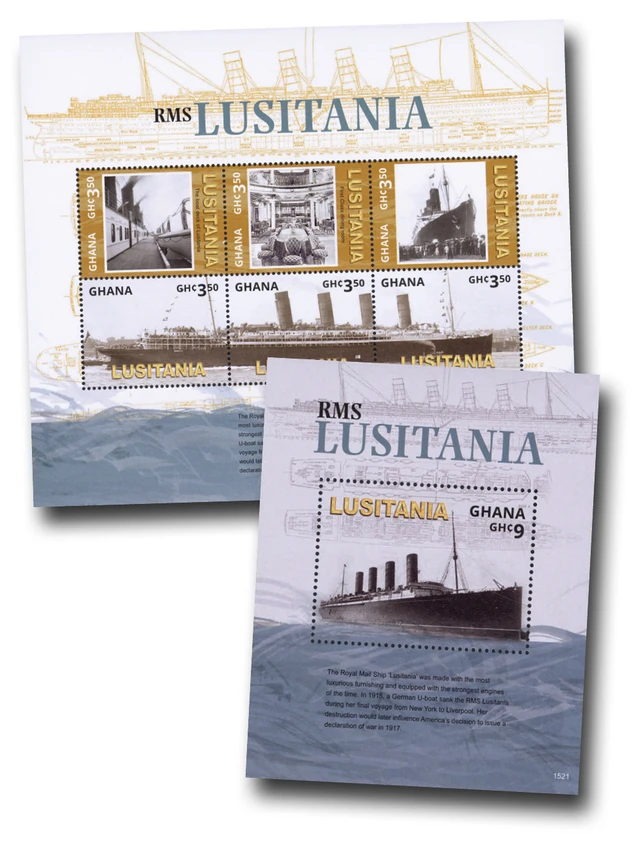
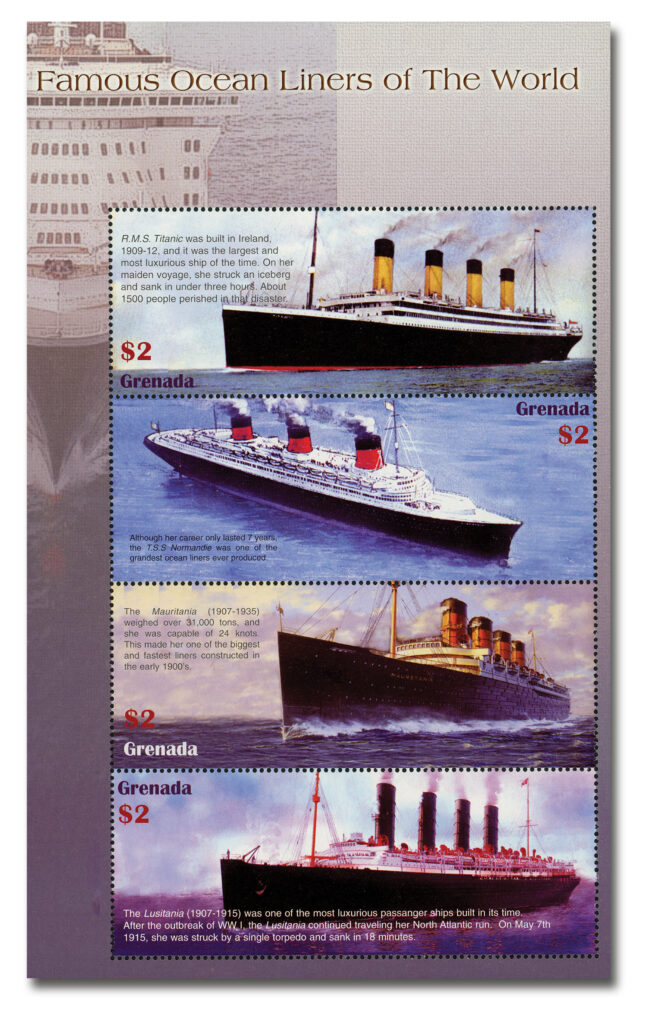
The RMS Lusitania was built for speed, size, and prestige. The Cunard Line ordered it during an age when steamship companies competed fiercely for Atlantic passengers. Built by John Brown & Company in Scotland, the ship was launched in 1906 and entered service in 1907. For a short time, it was the largest passenger ship in the world. It was also one of the fastest.
The Lusitania began its maiden voyage from Liverpool to New York in September 1907. Huge crowds came to see the new liner. With four funnels, turbine engines, and elegant passenger spaces, it represented the latest in ocean travel. That October, it won the Blue Riband for the fastest Atlantic crossing, averaging about 24 knots. Its speed helped earn it the nickname “Greyhound of the Seas.”
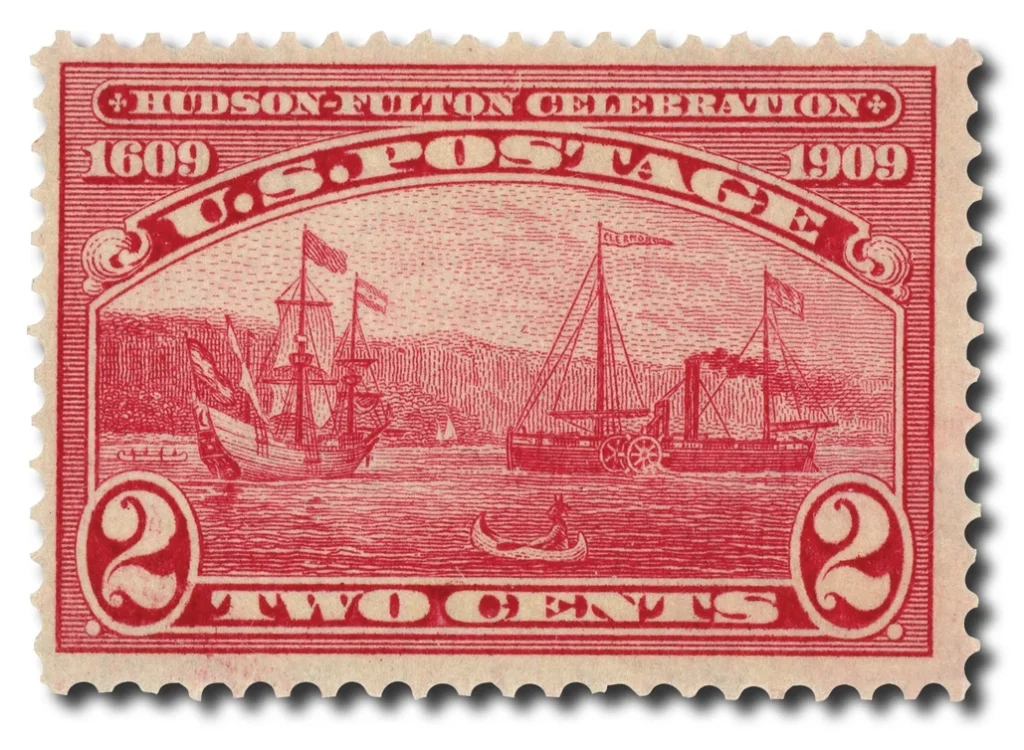
In 1909, the Lusitania appeared in New York during the Hudson-Fulton Celebration. The event marked 300 years since Henry Hudson’s voyage up the river later named for him. It also honored the 100th anniversary of Robert Fulton’s steamboat, the Clermont. The celebration included ships, parades, and new technology. The Lusitania fit the theme well. It showed how far steam-powered travel had advanced in a century.
World War I changed the meaning of ocean travel. Britain and Germany were at war by August 1914, and passenger ships now crossed dangerous waters. The Lusitania had been built with the possibility of wartime use in mind, but it was not serving as an armed merchant cruiser when it made its final voyage. It did carry war-related cargo, including ammunition, along with ordinary passengers and mail.
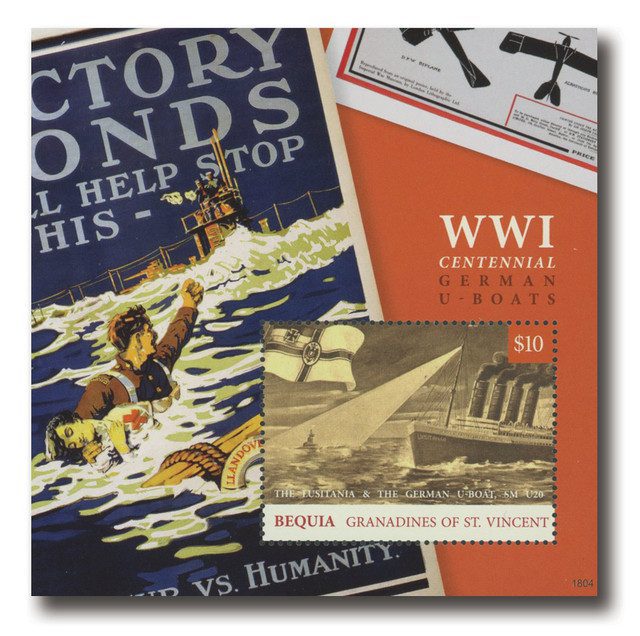
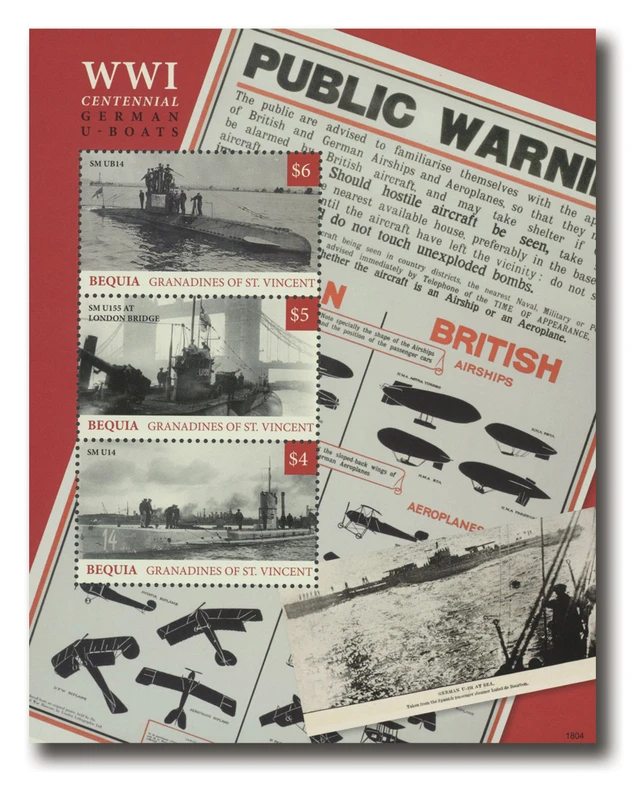
Germany believed Britain was using passenger liners to support the war effort. Britain, meanwhile, relied on its navy and merchant ships to move supplies across the Atlantic. German submarines, called U-boats, became a serious threat. In February 1915, Germany declared the waters around the British Isles a war zone. Ships entering that area could be attacked.
In late April 1915, the German embassy in Washington issued a public warning. It said travelers sailing on British or Allied ships in the war zone did so at their own risk. Several American newspapers printed the notice. In some papers, it appeared near advertisements for the Lusitania’s upcoming voyage from New York to Liverpool. Click here to view one of these notices.
The Lusitania left New York on May 1, 1915. Captain William Turner commanded the ship. It carried 1,959 passengers and crew, including many Americans, along with 4.2 million rounds of rifle cartridges, 18 cases of non-explosive fuses, and 4,992 3-inch shells. Some passengers had heard the warnings, but most believed a large civilian liner would not be attacked without notice. Others trusted the ship’s speed.

On May 7, the Lusitania was nearing the end of its crossing. It was off the southern coast of Ireland, near the Old Head of Kinsale. At 2:10 p.m., the German submarine U-20, commanded by Walther Schwieger, fired one torpedo. It struck the ship on the starboard side. A second explosion followed from inside the hull. The cause of that second blast has been debated ever since. Possible explanations include steam line damage, coal dust, or the ammunition cargo.

The ship listed badly, making it difficult to launch lifeboats. Only a few were lowered successfully. Many passengers jumped into the cold water. Others were trapped as the ship went down. In about 18 minutes, the Lusitania disappeared beneath the sea.

The disaster killed 1,198 people, including 128 Americans. News of the sinking caused outrage in the United States. Many Americans viewed the attack as murder because civilians had been killed without warning. Germany argued that the ship was a legitimate target because it carried war supplies.

President Woodrow Wilson did not ask Congress for war in 1915. He still hoped to keep the United States neutral. His government protested strongly, and Germany later limited submarine attacks for a time. But the issue did not disappear. In 1917, Germany resumed unrestricted submarine warfare. Wilson broke diplomatic relations in February. In April, the United States declared war on Germany. The sinking of the Lusitania was not the single cause of American entry, but it became one of the clearest symbols of why neutrality was becoming harder to maintain.

Click here to see photos of the Lusitania.
Additional stamp images courtesy www.anpost.com, shipstamps.co.uk, and www.delcampe.net
| FREE printable This Day in History album pages Download a PDF of today’s article. Get a binder or other supplies to create your This Day in History album. |
Discover what else happened on This Day in History.
When you carry war supplies in a war zone during a war bad things can happen.
Thank you for the wonderful pictures of the Lucitania!
Wish you could sell propaganda stamp and Cinderella.
Broken link on pictures of the ship
Devious British politicians would appear to be responsible for the death of so many innocent lives…