
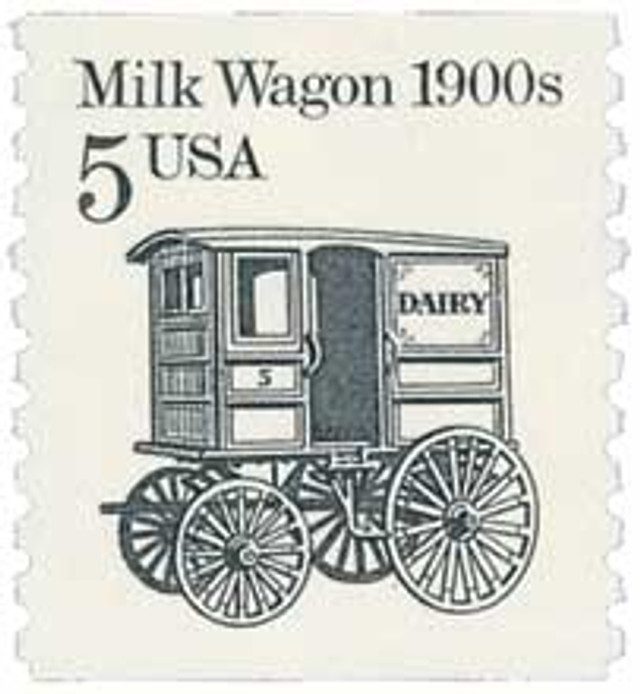
National Milk Day, celebrated each year on January 11, honors a simple innovation that changed daily life in America: the first home delivery of milk in glass bottles. On January 11, 1878, milk was delivered to homes in the United States in sealed glass bottles for the first time, marking a major step forward in food safety, convenience, and nutrition. What seems ordinary today was once a breakthrough that helped build the modern dairy industry.
Before the late 1800s, getting milk was risky and inconvenient. Most families bought milk directly from nearby farms or local vendors. Milk was often carried in open containers, making it easy for dirt and bacteria to contaminate it. Spoilage was common, especially in growing cities where milk had to travel farther from farms to homes. Because refrigeration was limited, families had to use milk quickly or risk illness. These problems made milk both unreliable and sometimes dangerous.
That changed in 1878, when sealed glass bottles were introduced for milk delivery. The glass bottle protected milk from contamination, allowed customers to see the quality of what they were buying, and helped keep milk fresher longer. Delivered directly to the doorstep, usually early in the morning, bottled milk quickly became popular with urban families. The clink of bottles and the arrival of the milkman became a familiar and comforting part of daily life.
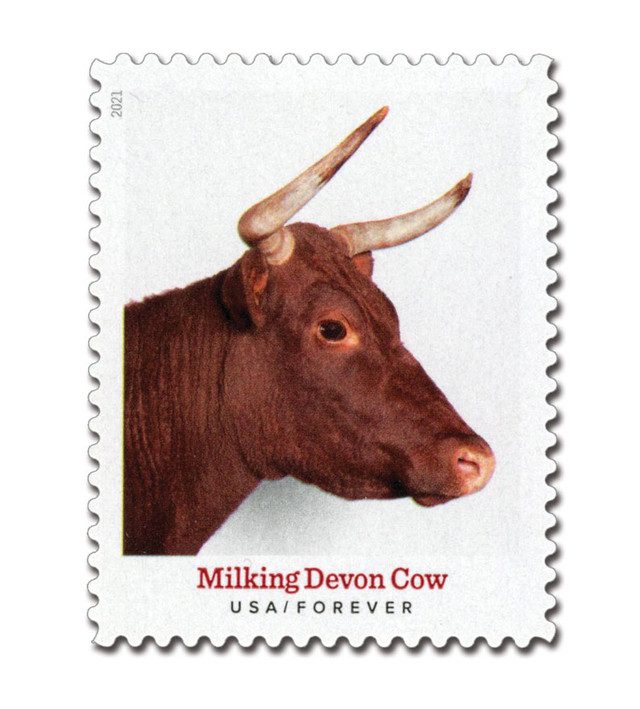
This new delivery system helped the dairy industry grow rapidly. As cities expanded during the late 19th and early 20th centuries, demand for fresh milk increased. Dairy farms became more organized, and improvements in sanitation and transportation made milk safer to drink. Pasteurization—heating milk to kill harmful bacteria—became widely used in the early 1900s and further increased public trust in dairy products.
Glass bottle delivery reached its high point in the mid-20th century, especially during the 1940s and 1950s. At that time, millions of American households received milk deliveries several times a week. Milk wasn’t the only product delivered; cream, butter, cottage cheese, and even orange juice often came from the same dairy. The system worked well because bottles were reusable. Customers rinsed and returned the empty bottles, which were collected, sterilized, and refilled—a recycling system long before the word became popular.
However, changes in technology and lifestyle eventually brought milk delivery to an end. The rise of home refrigeration allowed families to store milk longer. Supermarkets expanded after World War II, offering convenience and lower prices. New packaging, especially lightweight cardboard cartons and later plastic jugs, made milk cheaper to transport and easier to sell in stores. By the late 1960s and 1970s, most traditional home milk delivery services had disappeared, though a few local dairies still offer it today as a specialty service.
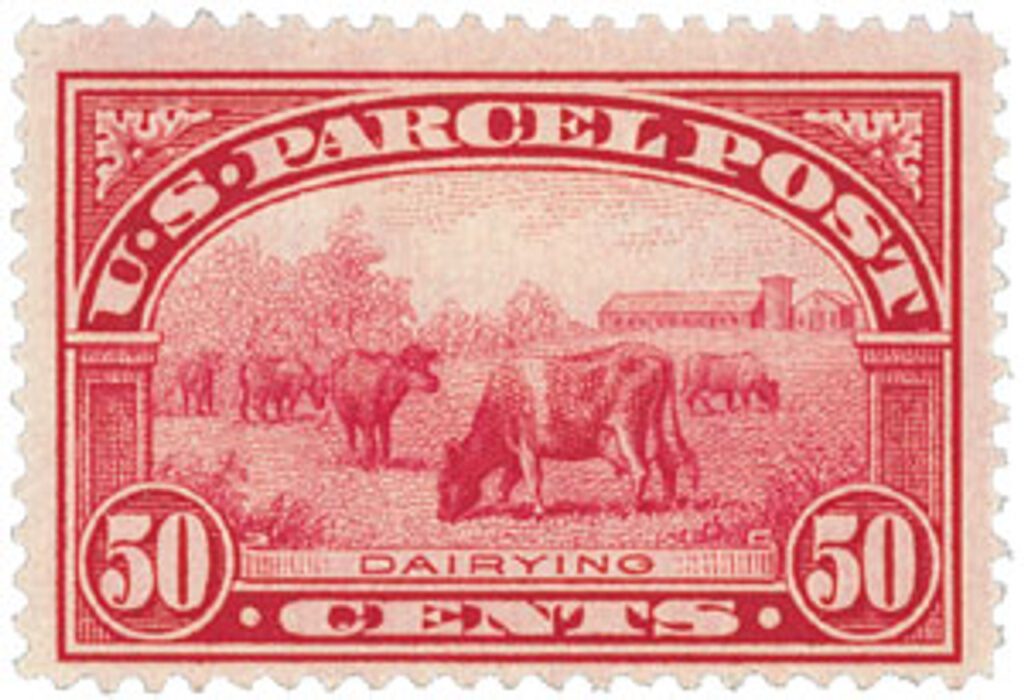
Even without doorstep delivery, the dairy industry remains an important part of American agriculture. Modern dairy farming combines advanced technology with careful animal care. Today’s farms use automated milking systems, strict health standards, and scientific nutrition plans for cows. Milk and dairy products provide essential nutrients, including calcium, protein, and vitamin D, which support bone health and growth. Beyond milk, the industry produces cheese, yogurt, butter, ice cream, and many other foods enjoyed around the world.
Promoted by the International Dairy Foods Association, National Milk Day has been observed since the early 1980s. The date was chosen to match the anniversary of that first glass bottle milk delivery in 1878. The goal of the day is to highlight milk’s role in a healthy diet and to recognize the farmers, workers, and innovations behind dairy production.
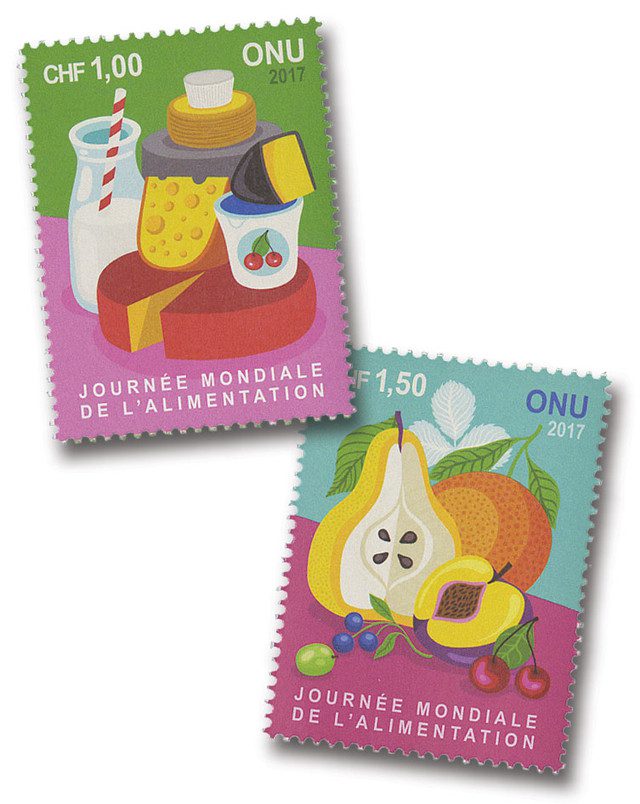
Today, milk may come from a grocery store shelf instead of a front porch, but its impact remains just as important. National Milk Day is a reminder that even small changes—like putting milk in a sealed glass bottle—can improve public health, transform industries, and shape everyday life for generations.
Milk is also celebrated globally on World Milk Day, observed each year on June 1. Established in 2001 by the Food and Agriculture Organization of the United Nations (FAO), World Milk Day highlights the importance of milk as a worldwide food source and recognizes the role of dairy farming in supporting nutrition, livelihoods, and rural economies around the globe. The day is marked by educational programs, farm events, and public celebrations in dozens of countries, emphasizing milk’s contribution to healthy diets.
| FREE printable This Day in History album pages Download a PDF of today’s article. Get a binder or other supplies to create your This Day in History album. |
Discover what else happened on This Day in History.