
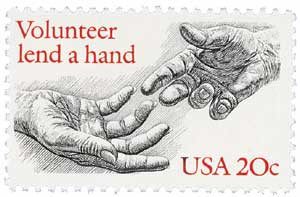
On January 21, 1915, a small meeting in Detroit, Michigan, sparked a global movement built on service and friendship. What began on that winter day would grow into Kiwanis International, an organization dedicated to improving communities and helping children around the world.

Kiwanis International was founded during a time of rapid change in American society. The early 1900s were marked by industrial growth, crowded cities, and new social challenges. Many business and community leaders believed that progress should be guided by strong moral values and a sense of responsibility to others. In Detroit, a booming industrial city fueled by the automobile industry, these ideas found fertile ground.
The organization was founded by Allen S. Browne, a Detroit businessman, and Joseph C. Prance, a tailor with strong ties to local civic groups. Browne had experience with fraternal organizations and believed that professionals and business leaders could make a positive impact if they worked together. On January 21, 1915, Browne and Prance gathered a group of men who shared similar goals: to form an organization that combined fellowship, ethical conduct, and service to the community.
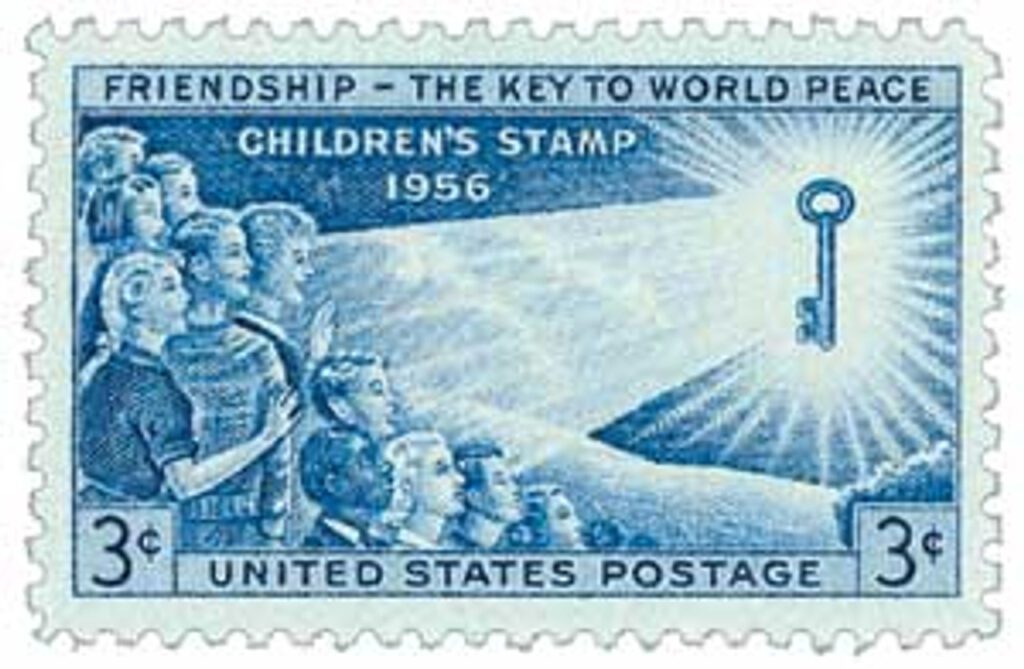
Originally, the group was focused on mutual support among members, similar to other clubs of the era. Early Kiwanis meetings emphasized networking, business cooperation, and social connection. However, as the organization grew, its leaders began to rethink its purpose. They asked an important question: should Kiwanis exist mainly for the benefit of its members, or should it serve the broader public?

This debate led to a defining moment in Kiwanis history. In 1919, just a few years after its founding, Kiwanis officially adopted a service-based mission. The organization committed itself to community improvement and helping those in need, especially children. This shift transformed Kiwanis from a social club into a service organization with a clear moral focus. The name “Kiwanis,” which they believed to come from an Algonquin phrase meaning “we build,” reflected this new emphasis on cooperation and service.

Detroit remained central to Kiwanis in its early years, but the idea spread quickly. New Kiwanis clubs formed across the United States and Canada, as people recognized the value of organized volunteerism. By 1916, just one year after its founding, Kiwanis had expanded beyond Michigan. In 1916, it officially became Kiwanis International, signaling its growing reach and ambition.
A key part of Kiwanis’s identity is its guiding principles. The organization developed a set of values that encouraged honesty, respect, and service. One of its most well-known statements, the “Objects of Kiwanis,” emphasizes helping the needy, promoting high standards, and building better communities. These ideals helped unite members from different backgrounds around a shared purpose.
Throughout the 20th century, Kiwanis International continued to grow and adapt. It expanded into new countries and supported a wide range of service projects, from building playgrounds to funding health programs. A major focus became helping children succeed, whether through education, nutrition, or safety initiatives. Programs like Key Club, Circle K, and Builders Club were created to involve young people in service and leadership, ensuring that the spirit of Kiwanis would continue into future generations.

Today, Kiwanis International operates in dozens of countries and includes hundreds of thousands of members. Despite its size, the organization still reflects the values set in motion in 1915. Local clubs remain the heart of Kiwanis, identifying needs in their communities and responding with hands-on service.
The founding of Kiwanis International in Detroit represented a belief that ordinary people, working together, could make a lasting difference.
Click here for more from the Kiwanis website.
| FREE printable This Day in History album pages Download a PDF of today’s article. Get a binder or other supplies to create your This Day in History album. |
Discover what else happened on This Day in History.