

On February 19, 1943, the Battle of Kasserine Pass began, marking the first major clash between American and German forces in North Africa. The fight quickly tested the strength, training, and leadership of US troops as they faced experienced Axis armored units in the rugged mountains of Tunisia.
The battle unfolded during the larger North African campaign of World War II. Allied success in late 1942 had pushed Axis forces into Tunisia. The British victory at El Alamein and Allied landings during Operation Torch squeezed German and Italian forces from two directions. By early 1943, Axis commanders hoped a strong counterattack could disrupt Allied momentum and protect key supply routes and positions near Tunis.
The fighting centered on the Kasserine Pass, a narrow gap in Tunisia’s Atlas Mountains. It was defended mainly by inexperienced American troops, along with smaller British and French units. Axis forces, led by Erwin Rommel, launched a coordinated assault designed to break through Allied lines and drive west into Algeria.
On February 19, German and Italian armored units attacked American positions. German Panzer IV and Tiger tanks were superior to many US tanks and anti-tank weapons. American units soon began retreating through the pass. Confusion spread as communication problems slowed requests for artillery fire and reinforcements. US II Corps commander Lloyd Fredendall had placed units too far apart, making coordinated defense difficult.
Axis forces pushed Allied troops back nearly 50 miles in some areas. Equipment losses were heavy. American forces lost tanks, vehicles, and artillery pieces. Thousands of Allied soldiers were killed, wounded, or captured during the fighting.
Despite early success, the German advance slowed. Terrain became rougher. Supply lines stretched thin. Allied resistance stiffened, especially from artillery units. Heavy Allied air attacks also made Axis resupply harder. By February 22, Rommel decided to end the offensive and withdraw. Allied troops reoccupied the pass soon after.
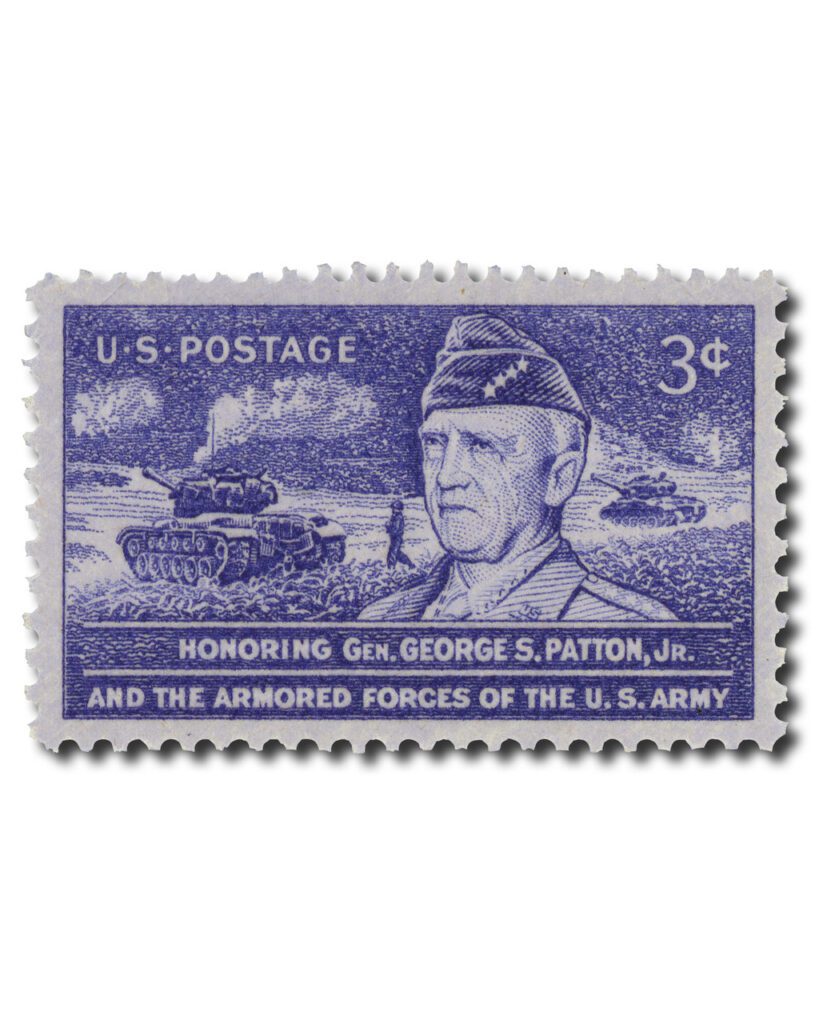
The battle shocked American leaders. It exposed weaknesses in leadership, training, coordination, and communication. However, it also forced rapid reform. Fredendall was removed from command. He was replaced by George S. Patton in early March 1943. American commanders also improved coordination between infantry, armor, artillery, and air support. New doctrine emphasized stronger combined-arms operations backed by air power. These changes proved important in later battles across North Africa and Europe.

After reorganizing, American forces soon returned to combat. In March 1943, US units fought German forces near El Guettar. German armored attacks initially broke through front-line defenses. However, the attackers soon hit American minefields. As German units slowed to clear mines, US artillery and anti-tank guns opened fire. American gunners destroyed dozens of German tanks during the fighting. German forces eventually withdrew after repeated failed attacks.
American troops then spent days strengthening defensive positions. Fighting continued across hills and plains held by German and Italian forces. Progress was slow and costly.
By early April 1943, British and American pressure continued building. British troops eventually broke through German defenses, forcing Axis units to retreat again. Allied forces then advanced toward Tunis, the capital of Tunisia.
The campaign ended in May 1943 with the surrender of Axis forces in North Africa. While Kasserine Pass was not a victory for the United States, it did not stop the overall Allied advance. Instead, it forced the US Army to adapt quickly to modern mechanized warfare. The battle showed the need for better coordination, stronger leadership, and more realistic combat preparation. Those lessons helped shape later Allied victories in Italy, France, and Germany.
| FREE printable This Day in History album pages Download a PDF of today’s article. Get a binder or other supplies to create your This Day in History album. |
Discover what else happened on This Day in History.
Very interesting, being honest about weaknesses on both sides both mostly American. I like truthful Hx.
Another intersting World War 2 story that would probably fade away into obscurity if not for Mystic Stamp keeping the tale alive in 2026. Thanks Mystic stamp, especially for the honest assessment of the facts.