
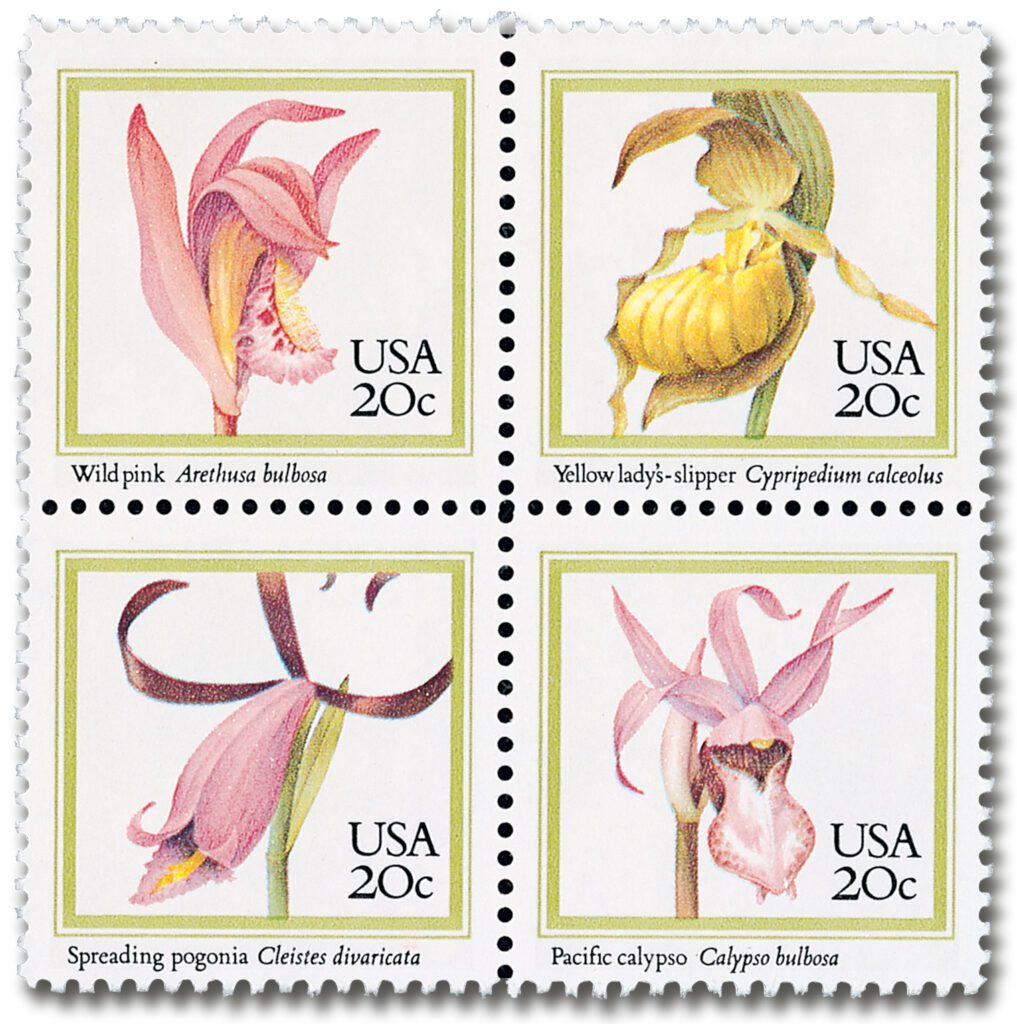
On April 16, 2015, National Orchid Day was created to celebrate one of the most diverse and fascinating families of flowering plants. The date honors orchids not only for their beauty, but also for the personal story behind the day’s founding.
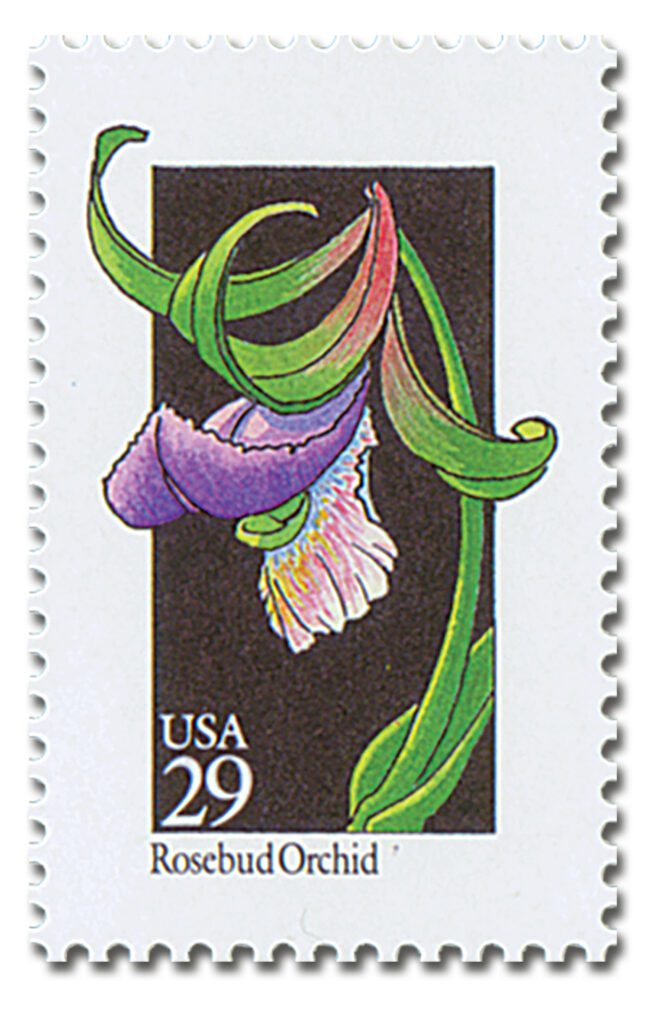
National Orchid Day was established by Mike and Faith Young, a couple from South Carolina. Their connection to orchids began years earlier while volunteering at an orchid reserve in Mexico. During that time, they developed a strong appreciation for the plants and even decided that if they had a daughter, they would name her Orchid. Although their daughter did not survive childbirth, the couple chose to honor her memory in a positive and lasting way.
Rather than focusing on loss, they created a day that would celebrate life, beauty, and resilience through orchids. In 2015, they launched a small crowdfunding campaign to formally establish National Orchid Day. They raised about $1,500 in a short time by offering pre-orders of their backyard honey, known as “The Humble Bumbles Honey.” With that support, April 16 was officially recognized as National Orchid Day. Since then, the observance has gained attention among growers, botanical gardens, and plant enthusiasts across the United States.
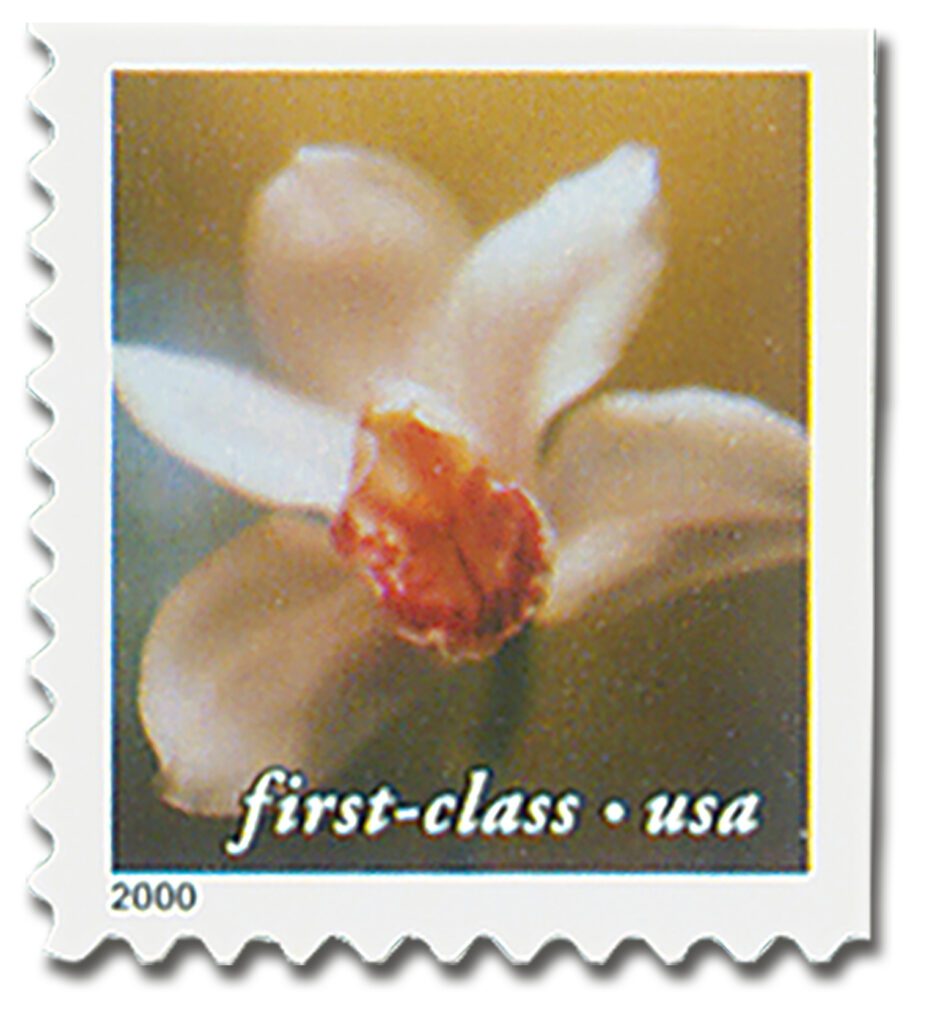
Orchids belong to the plant family Orchidaceae, one of the largest families of flowering plants. Scientists estimate there are more than 25,000 species in the wild. In addition, horticulturists have created over 100,000 hybrids. These plants grow on every continent except Antarctica. They thrive in a wide range of environments, from tropical rainforests to mountain regions and temperate woodlands.
Many orchids are epiphytes, meaning they grow on trees rather than in soil. They use their roots to attach to bark and absorb moisture from the air. This allows them to live high in forest canopies where sunlight is more available. Other orchids grow in the ground and are adapted to cooler climates. Native North American species, such as lady’s slipper orchids, can survive freezing winters.
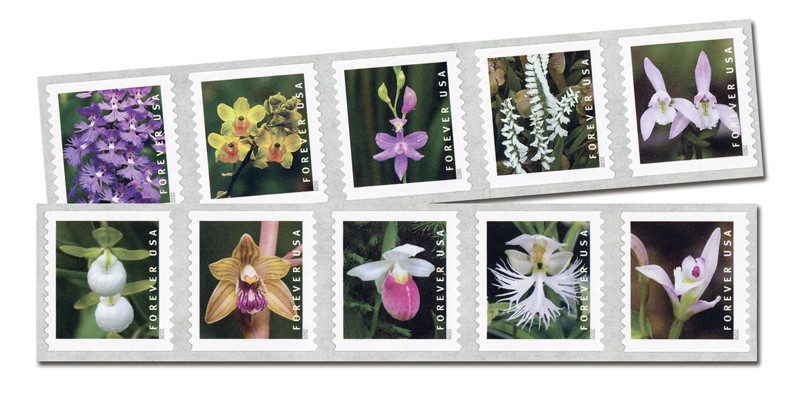
Orchids have been valued for thousands of years. In ancient China, they were associated with elegance, integrity, and friendship. Writings from more than 2,000 years ago describe their fragrance as refined and noble. In ancient Greece, orchids were linked to fertility. The name “orchid” comes from the Greek word “orchis,” referring to the shape of certain root structures.
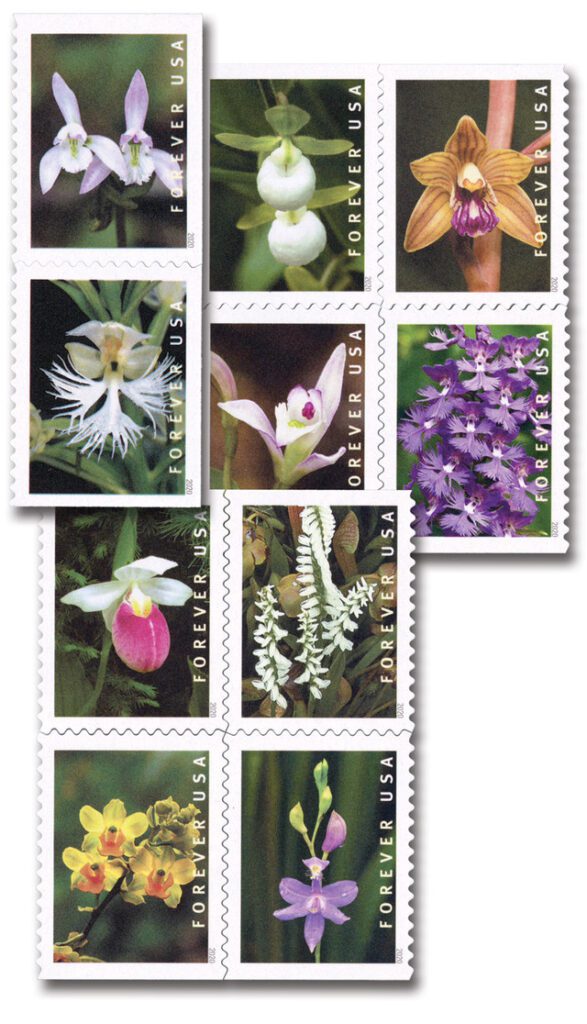
Interest in orchids expanded greatly in Europe during the 18th and 19th centuries. Wealthy collectors funded expeditions to tropical regions to gather rare species. This period became known as “orchid mania.” Many plants were difficult to transport and care for, which made successful specimens highly valuable. Advances in greenhouse design and plant breeding later made orchids more accessible to the public.
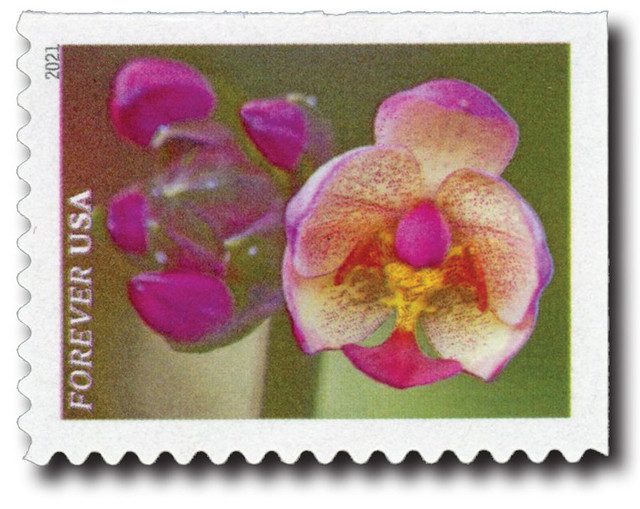
Today, some orchids are among the most popular houseplants. The Phalaenopsis, or moth orchid, is especially common because it adapts well to indoor environments and produces long-lasting blooms. Other types, such as Cattleya and Dendrobium, are also widely grown. Each genus has distinct shapes, colors, and care requirements.
Orchids are also known for their specialized pollination methods. Some species attract specific insects by mimicking their appearance or scent. In certain cases, flowers resemble female insects, drawing in males that unknowingly transfer pollen. Other orchids release fragrance at precise times of day to match the activity of their pollinators. These strategies show a high level of adaptation within the plant family.
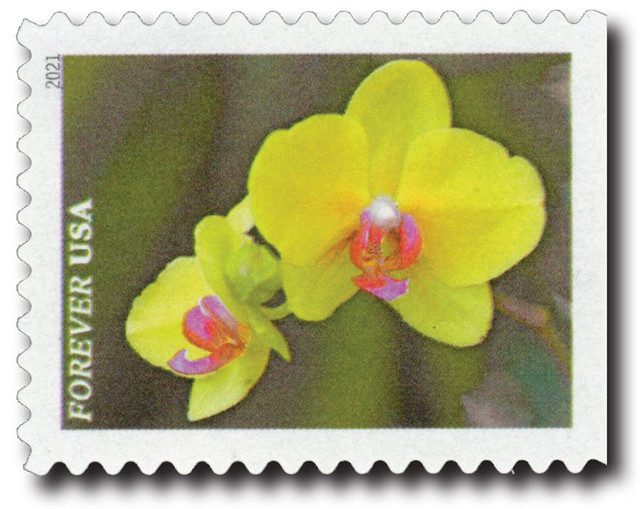
Beyond their appearance, orchids have practical uses. The most familiar example is vanilla, which comes from the seed pods of the orchid species Vanilla planifolia. Vanilla production requires careful cultivation and, in many regions, hand pollination. Orchids have also been used in traditional herbal practices, particularly in parts of Asia.
National Orchid Day encourages people to learn more about these plants and, if possible, grow them at home. Modern hybrids are often easier to care for than wild species. They require indirect light, good air circulation, and well-draining growing material rather than standard soil. With proper care, some orchids can bloom for months and live for many years.
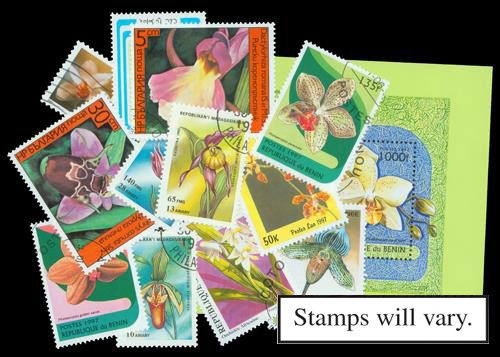
Botanical gardens and orchid societies often mark April 16 with exhibits, workshops, and educational programs. These events highlight both cultivation and conservation. Many wild orchid species face threats from habitat loss and illegal collection. Conservation efforts now focus on seed preservation and responsible propagation.
Click here for more Orchid stamps.
| FREE printable This Day in History album pages Download a PDF of today’s article. Get a binder or other supplies to create your This Day in History album. |
Discover what else happened on This Day in History.