
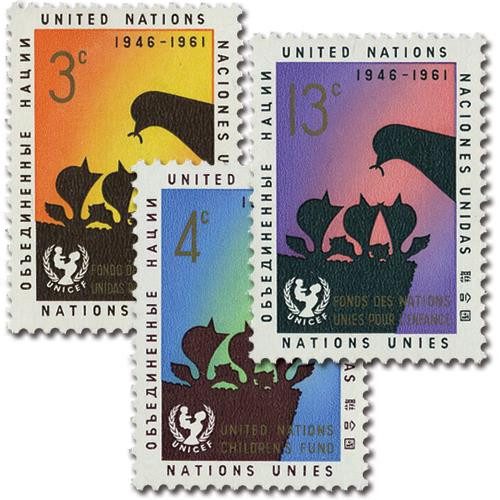
On December 11, 1946, the United Nations created UNICEF, originally known as the United Nations International Children’s Emergency Fund. The world was still reeling from the destruction of World War II, and millions of children were suffering from hunger, disease, and homelessness. UNICEF was founded to bring relief to these young victims and to ensure that the world did not overlook its most vulnerable population during the long road to recovery.

The United Nations itself had been established only a year earlier, in October 1945, with the major goal of preventing another global conflict. One of the UN’s first actions was to create the United Nations Relief and Rehabilitation Administration (UNRRA). This agency was responsible for providing emergency support to countries devastated by the war. UNRRA supplied food, clothing, shelter, and medical aid to millions of people across Europe and Asia who faced famine, destroyed cities, and widespread disease.

By late 1946, many nations had begun to stabilize, and the UN planned to close UNRRA. However, two major concerns arose. First, there was still money left in UNRRA’s budget, and second, countless people—including children—remained in desperate need, especially with a harsh winter approaching. Aid workers feared that closing the agency too soon would leave survivors without the support they needed to make it through the cold months ahead.
Around the same time, US Army filmmakers produced a 19-minute documentary called Seeds of Destiny. The film showed the bleak reality faced by children in war-torn countries: begging for scraps, digging through garbage for food, or lying weak in overcrowded hospitals and orphanages. The documentary shocked audiences and raised an impressive $200 million for children’s relief. When it was shown at UNRRA’s final meeting, delegates were moved to action. They decided that the remaining funds should be used to create a new organization dedicated entirely to children’s welfare. Their decision was also influenced by the earlier work of the Save the Children International Union, an organization founded during World War I and later supported by the League of Nations.
The proposal for this new children’s agency was sent to the United Nations General Assembly, which approved it on December 11, 1946. With that decision, UNICEF was born. Its mission was simple yet urgent: provide children with the basic necessities of life. This meant delivering emergency supplies such as food, clothing, vaccines, and medicines to areas where the need was greatest. Although the immediate focus was on post-war recovery, UNICEF’s early efforts helped shape a broader understanding that children everywhere deserved protection, health care, and opportunities to thrive.

As the world recovered from World War II, UNICEF’s purpose evolved. The organization shifted from short-term emergency aid to long-term development work. Recognizing the ongoing need for global child welfare programs, the UN made UNICEF a permanent agency in 1953. While its official name changed to the United Nations Children’s Fund, the familiar acronym “UNICEF” remained.
In 1965, UNICEF received one of the highest international honors: the Nobel Peace Prize. The Nobel Committee praised UNICEF for promoting cooperation among nations and for its role as “a peace-factor of great importance.”
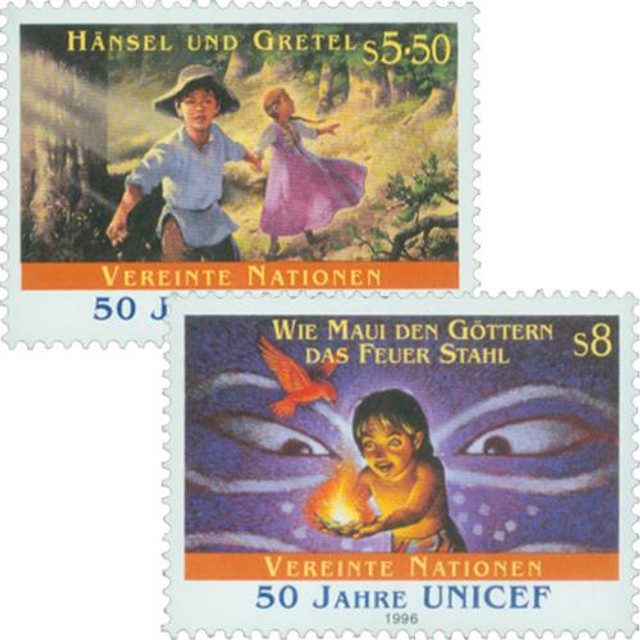
Today, UNICEF is the largest international agency focused solely on helping children. It is guided by an executive board of representatives from thirty nations, who meet each year to establish priorities and policies. The agency is led by an executive director, and its headquarters are located in New York City. Volunteer groups and partner organizations provide additional support to carry out its mission.
Funding for UNICEF comes from many sources. About three-quarters of its budget is provided by participating governments, while the rest is raised through charities, private donors, and community fundraisers. In the United States, children often support UNICEF by selling calendars, greeting cards, or participating in the famous Trick-or-Treat for UNICEF program. This tradition began in 1950, when a group of children in Philadelphia raised $17 for war relief. Since then, American participants alone have raised more than $132 million.

UNICEF offers aid wherever it is needed, without regard to race, religion, or geography. The organization focuses on programs that bring long-term, cost-effective benefits to large numbers of children. Vaccines, antibiotics, and basic medical tools help prevent deadly diseases. Powdered milk and food equipment fight malnutrition. Cash grants support schools, day care centers, and teacher training. Often, just a few pennies’ worth of medicine or supplies can save a child’s life—an idea that remains at the heart of UNICEF’s mission.
| FREE printable This Day in History album pages Download a PDF of today’s article. Get a binder or other supplies to create your This Day in History album. |
Discover what else happened on This Day in History.
Good information
Nicely done! I just LOVE these daily historical insights.
Thanks To All Who Created This Wonderful Project.
When I was a child I became aware of what was a seasonal plea for funds from UNICEF and some kids that were from my neighborhood became involved in promotion of the cause and collection of donations. Sister Mary Brian, my teacher, acted as coordinator of collected funds and assured that they were properly appropriated. I, who was not involved in the program, selfishly stated to my parents that they would have more money for our Christmas if they didn’t just give money away. My father, in his infinite wisdom, volunteered my services to a girl who was going door to door for donations. I was appalled by what I had to do. Her sincerity won me over and I became proud to be an advocate for such a program. My father was so impressed with what he had achieved that he signed me up for an annual donation to Father Flannigan’s Boys Town. A dollar a year ,when your allowance is 50 cents a week and 11 years old really cut into the Christmas present budget. I hope my benefactors from UNICEF and Boys Town feel as good as I did for getting involved.
I really enjoy reading these daily history postings.
Sorry to burst your bubble. Much of the UNICEF funding ad support has been siphoned away by corrupt governments and never reached the people who need it. Why do I say this? Because I have seen it personally, especially in Africa.
Sorry for the late reply, Anthony. I have seen the same abuse by UNICEF in Africa during my eight year stay there. Many of the UNICEF personnel ride in chauffeured vehicles and the organization is filled with careerists with high paying jobs. Money can best be given to various missionary projects in you house of worship or the Peace Corps (I was a Peace Corps Volunteer). One can also “adopt” a child in a developing country to meet his/her personal and family needs with a modest monthly support via an organization. I support a child in the Philippines and hope to see him complete high school. Helping people on a person-to-person is much more effective!
I am watching a past episode of Criminal Minds and the quote as they were flying to their new crime scene (paraphrase) “Nothing is so painful as a dream, fantasy, or ideal being dispelled for the sake of reality”. I would speak of intentions at the time but I already know where they lead. Can’t blame Anthony and Hans for the truth, in fact I thank them for their service. The words charity and defile should never appear in the same sentence. It’s obviously upsetting to realize one’s naivete, so I’ll have to find comfort in tax deductible. Damn it man!