
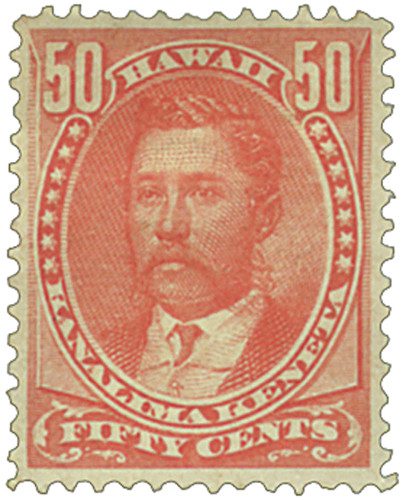
On January 31, 1835, William Charles Lunalilo was born in Honolulu, a future ruler whose path to the throne would be decided by the people themselves. Known as “the People’s King,” Lunalilo became Hawaii’s first elected monarch and left a lasting mark on the kingdom through his commitment to popular rule and public welfare.
William Charles Lunalilo was born to High Chief Charles Kanaʻina and High Chieftess Miriam Auhea Kekāuluohi. Both parents were members of the highest ranks of Hawaiian nobility. Through them, Lunalilo was closely related to the ruling Kamehameha dynasty. From birth, he was considered a possible future ruler.
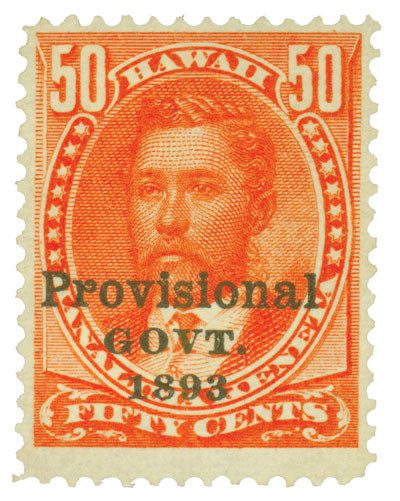
As a boy, Lunalilo attended the Chiefs’ Children’s School, later called the Royal School. The school was created by King Kamehameha III to educate children eligible for the throne. Instruction was conducted in English and Hawaiian. Students studied reading, writing, history, and Christian teachings. His classmates included future kings and queens, such as Kalākaua and Liliʻuokalani. This education prepared Lunalilo for leadership in a changing world.
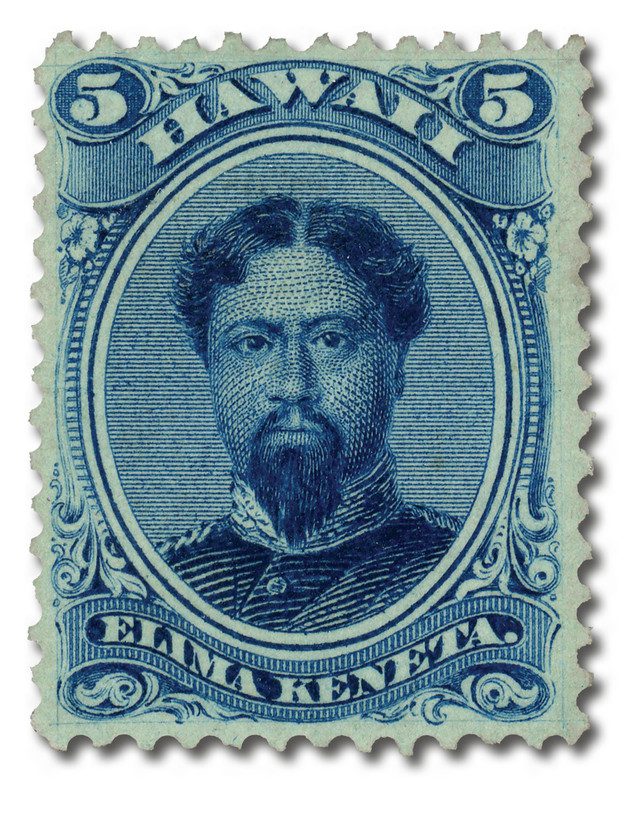
Lunalilo grew into a popular and approachable young man. He was known for speaking plainly and listening carefully. He supported constitutional government and believed the monarch should serve the people. These views mattered greatly after the death of King Kamehameha V in December 1872. Kamehameha V died without naming an heir, which triggered a constitutional process to choose the next king.
Under the 1852 constitution, the legislature could elect the monarch if no heir was named. Lunalilo was the clear favorite. To remove any doubt, he asked that the people be allowed to vote directly. In January 1873, Hawaii held its first popular election for king. Lunalilo won by an overwhelming margin. The legislature then confirmed the result unanimously. He was proclaimed king on January 8, 1873.
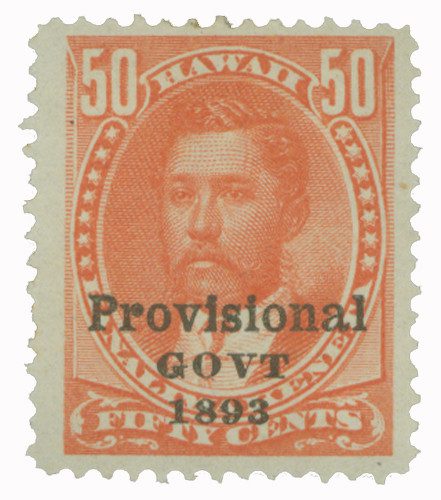
As king, Lunalilo moved quickly. He supported restoring the 1852 Constitution, which expanded voting rights and limited royal power. This reversed changes made by Kamehameha V that had restricted suffrage. Lunalilo believed more Native Hawaiians should have a voice in government. He also pardoned several political prisoners who had opposed the previous king’s policies.
Foreign relations were a major issue during his reign. The sugar industry wanted a reciprocity treaty with the United States to allow Hawaiian sugar to enter US ports without tariffs. Lunalilo supported the idea in principle. However, when US officials suggested that Hawaii give up control of Pearl Harbor in exchange, he refused. He stated clearly that no part of Hawaiian territory was for sale.
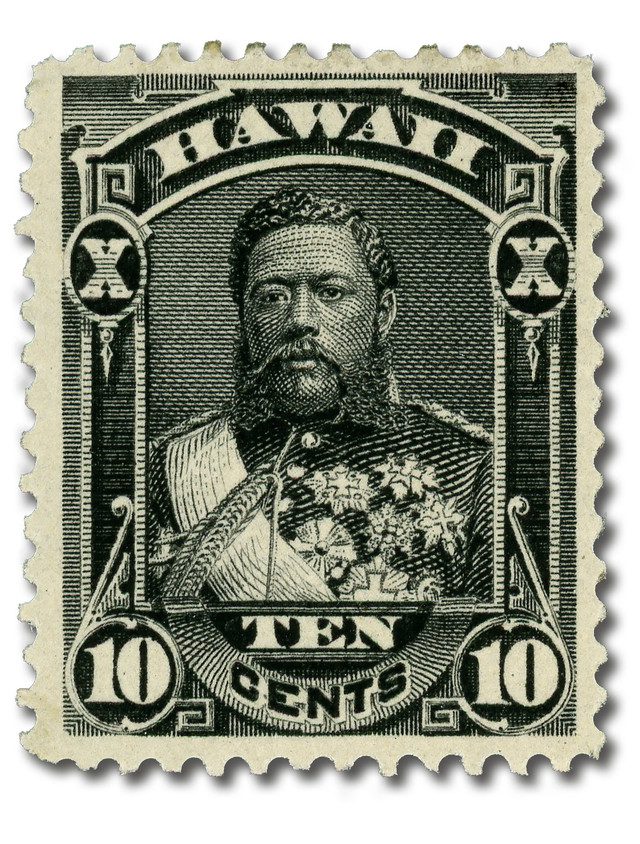
Lunalilo’s health was fragile throughout his reign. He suffered from tuberculosis and other complications, worsened by heavy drinking. Public duties became difficult. By late 1873, he was often confined to his residence. Despite this, he continued to meet with advisors and follow government affairs as closely as he could.
King Lunalilo died on February 3, 1874, after reigning just over one year. He was only 38 years old. In death, he made another powerful statement. Instead of being buried in the Royal Mausoleum with other monarchs, he asked to be buried on the grounds of Kawaiahaʻo Church, among the people. His tomb, now known as the Lunalilo Mausoleum, reflects that choice.
Lunalilo left much of his personal estate to establish the Lunalilo Home. The home was created to care for elderly and disabled Native Hawaiians. It still operates today. This decision reinforced his reputation as “the People’s King.”
Click here for more Hawaii stamps.
| FREE printable This Day in History album pages Download a PDF of today’s article. Get a binder or other supplies to create your This Day in History album. |
Discover what else happened on This Day in History.
I like the stories and the stamps of history . Thank you please keep it up.Mark
Wonderful article on the royal history of Hawaii.