Discovery of King Tut’s Tomb
On November 4, 1922, one of the greatest archaeological discoveries in history began with a single step buried beneath the sands of Egypt’s Valley of the Kings. After years of searching, British archaeologist Howard Carter and his team uncovered a stone staircase leading to the long-lost tomb of Pharaoh Tutankhamun, better known as King Tut. The discovery would capture the world’s imagination and reveal extraordinary treasures hidden for more than 3,000 years.
The Boy King of Ancient Egypt
Tutankhamun became pharaoh around the age of nine and ruled ancient Egypt during the 14th century BC. His reign lasted approximately ten years before his death as a teenager. Although he was a relatively minor ruler in Egyptian history, the remarkable preservation of his tomb would eventually make him one of the most famous pharaohs of all time.
Carter had spent years searching for the young king’s burial place, supported financially by Lord Carnarvon, a wealthy British aristocrat. By 1922, funding was running out, and Carter had been granted one final excavation season. On November 4, his team discovered the first step of a buried staircase. Further digging revealed a sealed doorway, raising hopes that an ancient royal tomb lay beyond it.
Treasures Hidden for 3,000 Years
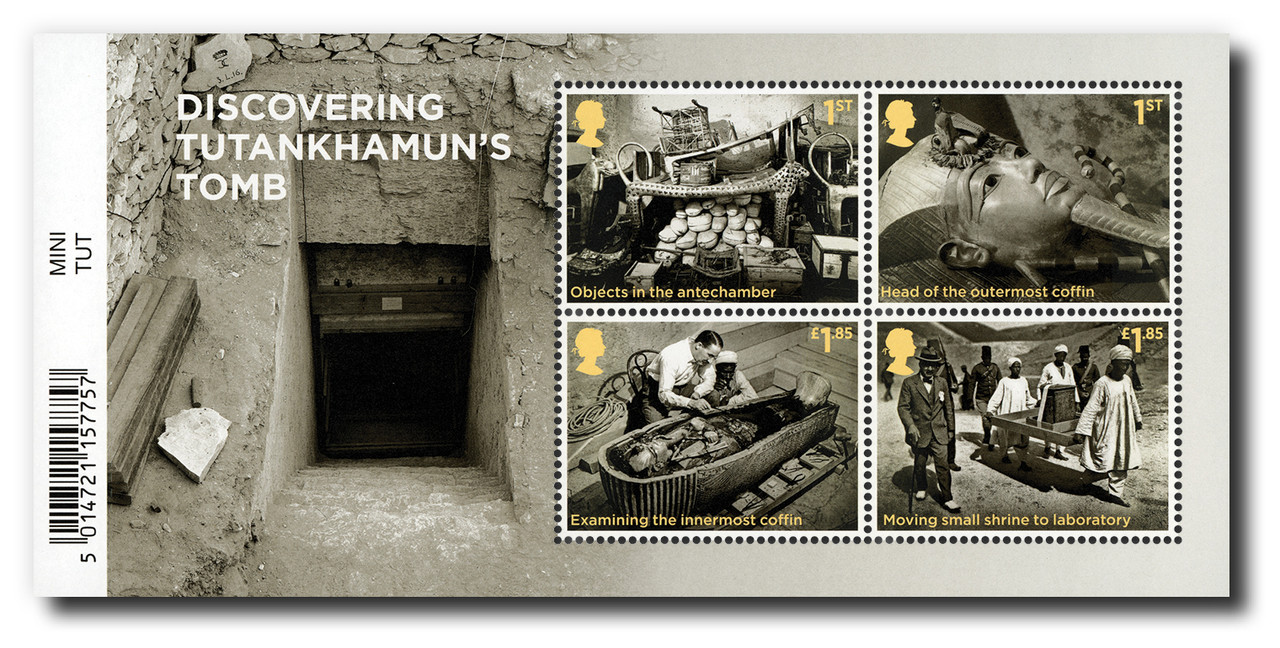
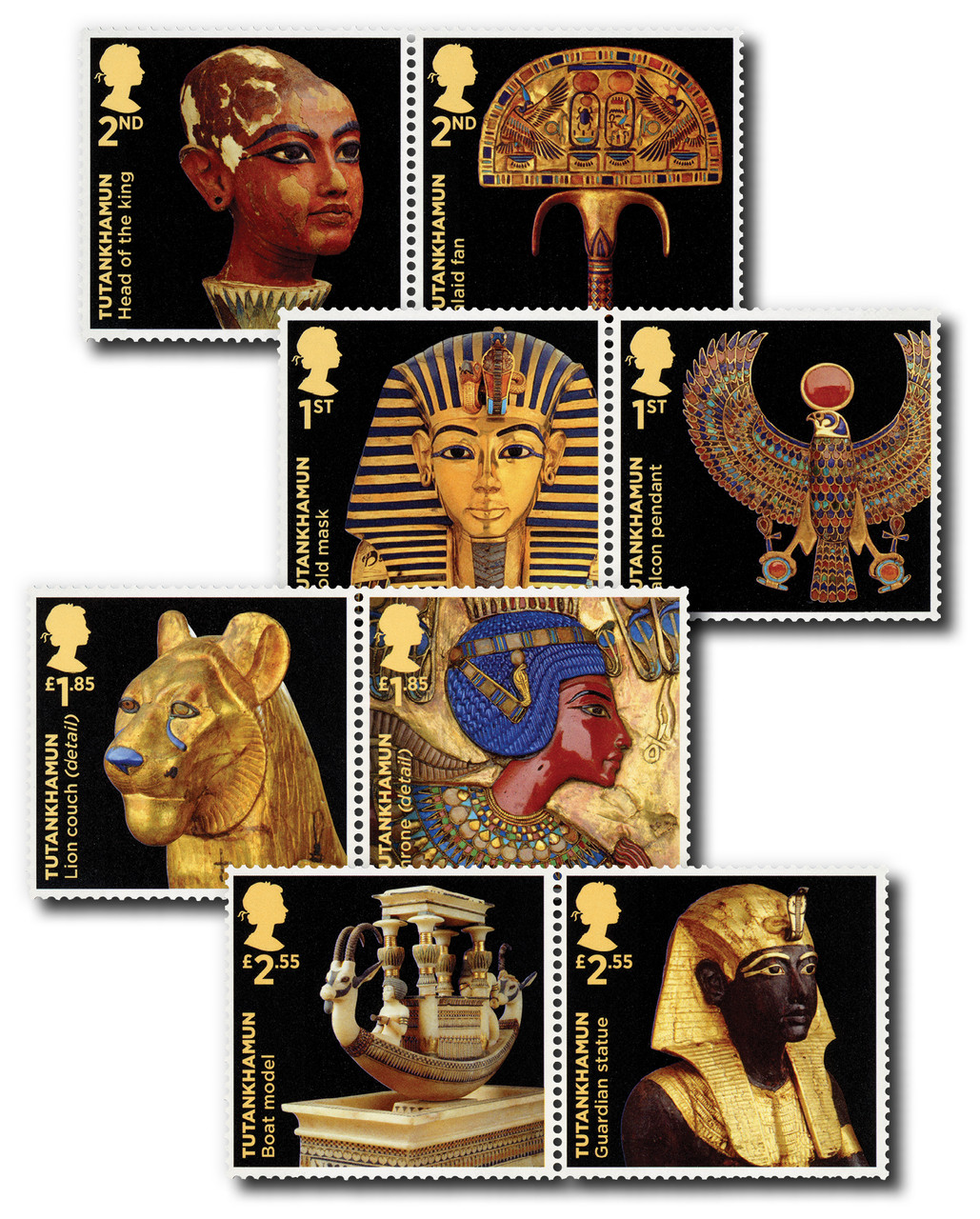
On November 26, Carter finally peered through an opening into the tomb’s antechamber. By candlelight, he saw an astonishing collection of golden furniture, statues, chariots, and other treasures. Among the more than 5,000 objects eventually discovered were elaborate jewelry, ceremonial items, and the young pharaoh’s famous golden burial mask.
The discovery sparked worldwide fascination with ancient Egypt. Newspapers followed the excavation, and King Tut’s treasures inspired everything from fashion and jewelry to art and popular culture. More importantly, the tomb provided an extraordinary glimpse into the religious beliefs, burial customs, and daily life of ancient Egyptian royalty.
More than a century later, the discovery of King Tut’s tomb remains one of archaeology’s most celebrated achievements. What began with a single buried step on November 4, 1922, brought the story of a nearly forgotten young pharaoh back to life and introduced millions of people to the wonders of ancient Egypt.