
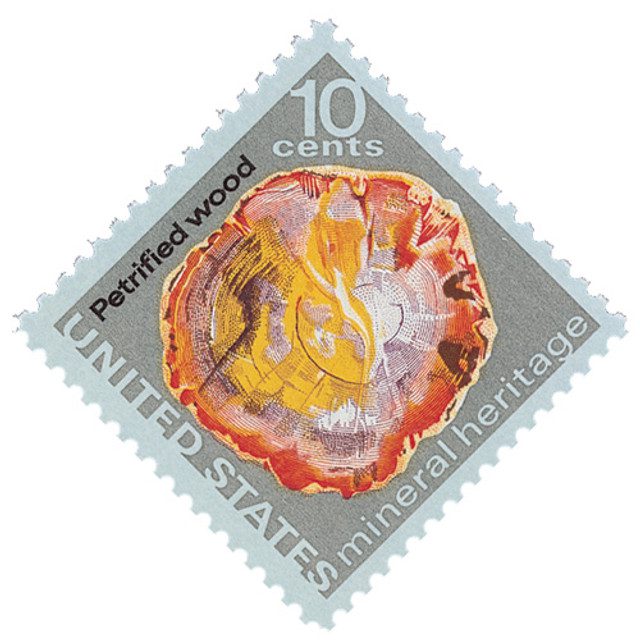
On December 9, 1962, Petrified Forest National Park in Arizona was officially established, upgrading an already protected landscape into a full national park. The designation ensured stronger protection for its fossil-rich badlands, archaeological sites, and striking deposits of petrified wood, and it marked a major milestone in decades of preservation efforts.
Long before it became a scientific landmark, the region was a thriving ecosystem during the Late Triassic Period. Around 225 million years ago, this land was a lush floodplain filled with tall conifers, ferns, and early dinosaurs. When the ancient trees fell, they were buried by sediment and volcanic ash. Over millions of years, minerals slowly replaced the organic material, creating the brilliantly colored fossilized logs that now define the park.
Indigenous peoples lived, traded, and built communities throughout what is now the park for hundreds of years. Archaeological sites reveal the presence of the Ancestral Puebloan people, who built structures such as Puerco Pueblo between 1250 and 1380 CE. Petroglyphs at places like Newspaper Rock record stories, symbols, and communication from centuries past. These sites show how the region functioned as an important cultural corridor long before modern researchers arrived.
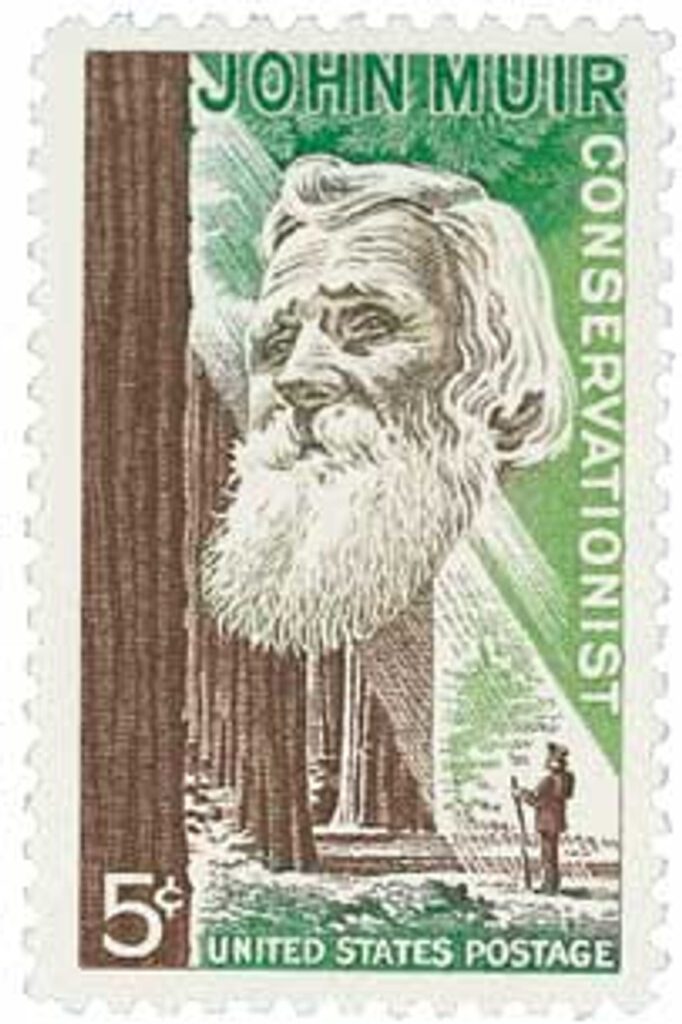
Wider scientific interest grew in the late 1800s, when explorers, geologists, and naturalists began documenting the area’s unusual fossil deposits. Among them was famed conservationist John Muir, who visited the region in the early 1900s. Muir wrote about the petrified logs and the need to protect them, helping raise national awareness. At the same time, widespread removal of petrified wood by visitors and commercial collectors threatened to strip the landscape of its scientific value. Articles, scientific surveys, and early conservation groups pushed the federal government to act.

President Theodore Roosevelt responded by establishing Petrified Forest National Monument on December 8, 1906, under the Antiquities Act. This was a crucial early step, but researchers soon realized the boundaries left many important fossil beds outside federal protection. Over the next several decades, paleontologists uncovered additional woodlands turned to stone, fossils of early reptiles and dinosaur relatives, and rare Triassic plant remains. Archaeologists also mapped new cultural sites, reinforcing the monument’s importance.
In the early 20th century, the region also became tied to American travel history. The Painted Desert Inn, redesigned in the 1940s by architect Mary Colter, became a popular stop on Route 66, drawing visitors who wanted to see the vivid badlands and fossilized logs. Increased tourism and continued scientific study strengthened arguments for expanding the monument and elevating it to national park status.

After years of proposals and public support, Petrified Forest officially became a national park on December 9, 1962. This new status offered stronger protection, broader boundaries, and increased research opportunities. Later expansions in 2004 and 2011 more than doubled the park’s size, adding fossil-rich areas of the Painted Desert and new archaeological landscapes.
Today, Petrified Forest National Park attracts hundreds of thousands of visitors annually. People come to hike among bright bands of badlands, explore ancient Puebloan sites, see preserved pieces of Route 66, and walk past logs that turned to stone more than 200 million years ago. Ongoing research continues to reveal new species and deeper insights into both prehistoric ecosystems and ancient cultures, while expanded trails and visitor facilities help more people experience one of the most scientifically important landscapes in the national park system.
Click here for more from the National Park’s website
| FREE printable This Day in History album pages Download a PDF of today’s article. Get a binder or other supplies to create your This Day in History album. |
Discover what else happened on This Day in History.
Interesting the location of the park isn’t mention. Petrified Forest National Park is located in northeastern Arizona, with the nearest town being Holbrook.
Thank you for your comment. I read the entire article looking for the location of the park.
Trying to print out article and it says OOPS CAN NOT FIND PAGE
Thanks for pointing that out, you can try again now 🙂
Same here. It worked today 23/12/25
When I was 14 in 1955 my family visited the Petrified Forest. Everyone should see the park to realize how important it is to save this treasures. Too bad our current government doesn’t give a damn!