Birth of Fiorello La Guardia
Fiorello La Guardia, was born December 11, 1882, in Greenwich Village, New York. He was voted the best former mayor in America for his 12 years of leadership of New York City.

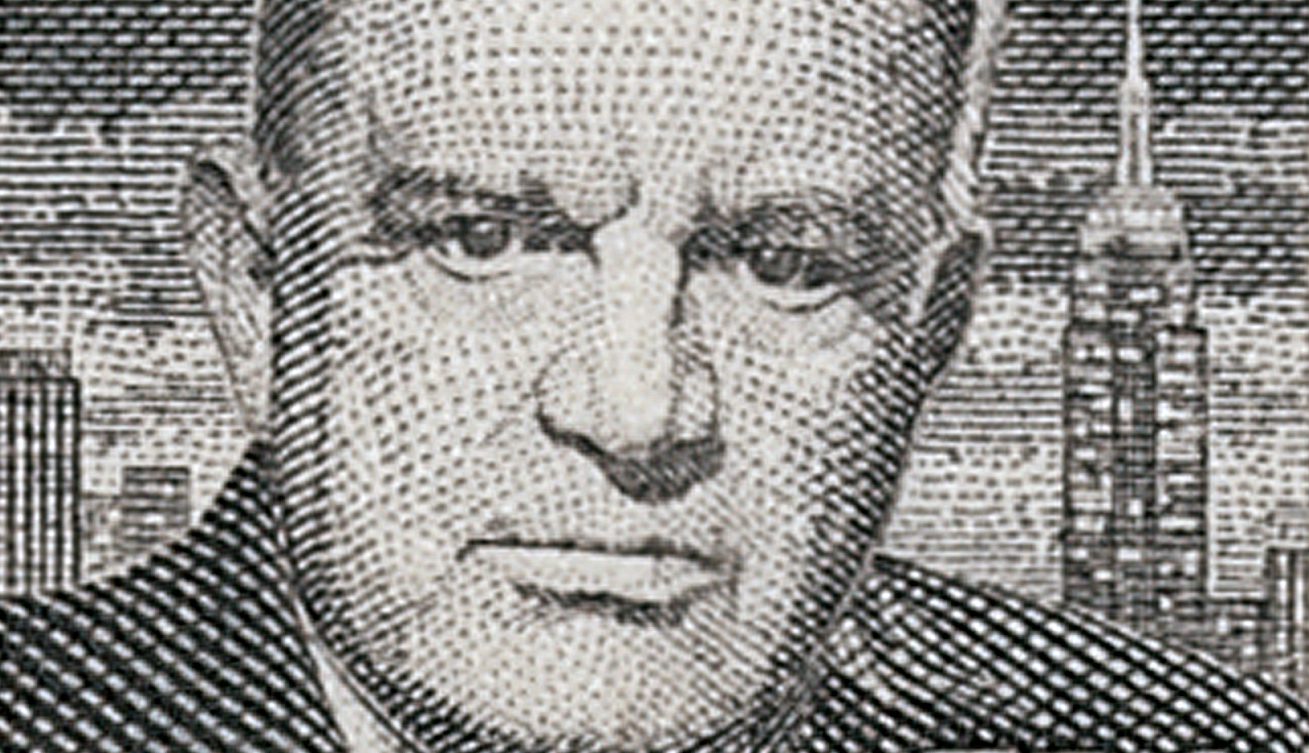
Fiorello La Guardia, was born December 11, 1882, in Greenwich Village, New York. He was voted the best former mayor in America for his 12 years of leadership of New York City.

On December 6, 1917, Finland declared its independence. This was a major victory following centuries of foreign rule.
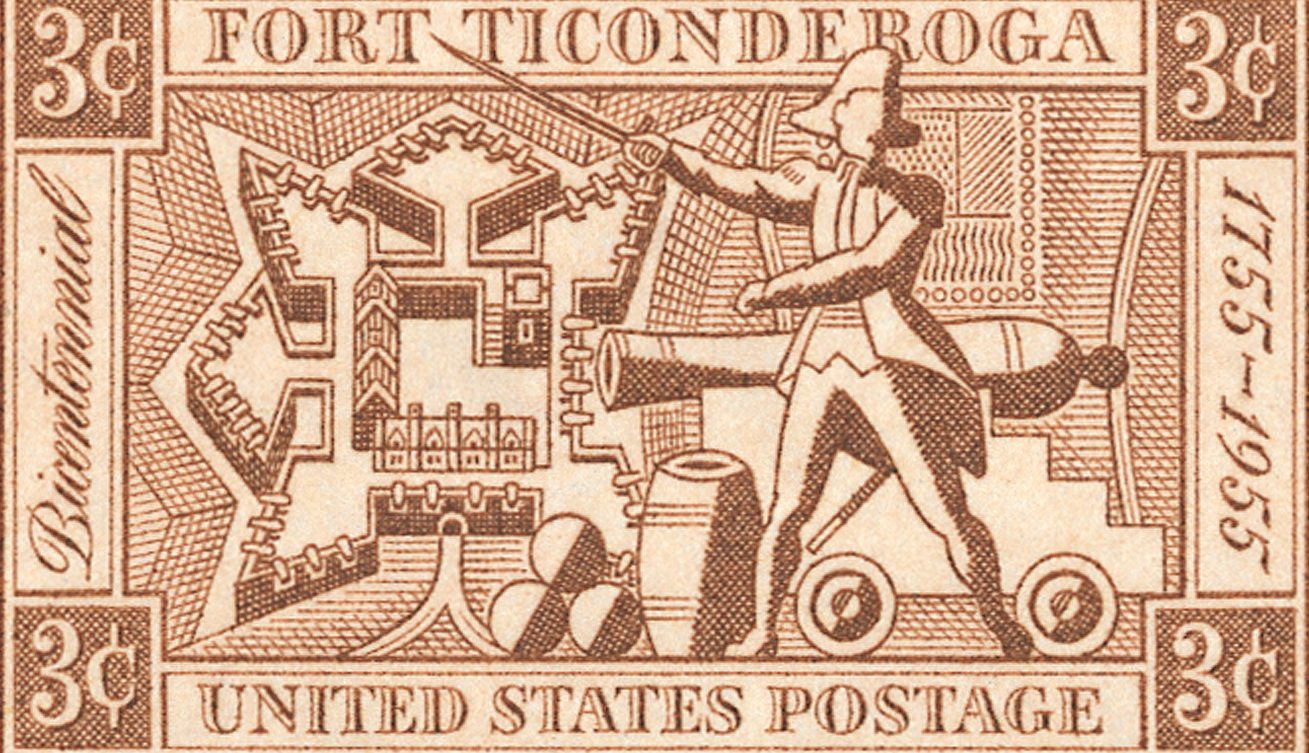
On December 5, 1775, Continental Army Colonel Henry Knox reached Fort Ticonderoga in preparation for his “noble train of artillery.” Arriving in Boston 10 weeks later, he delivered much-needed weapons to George Washington.
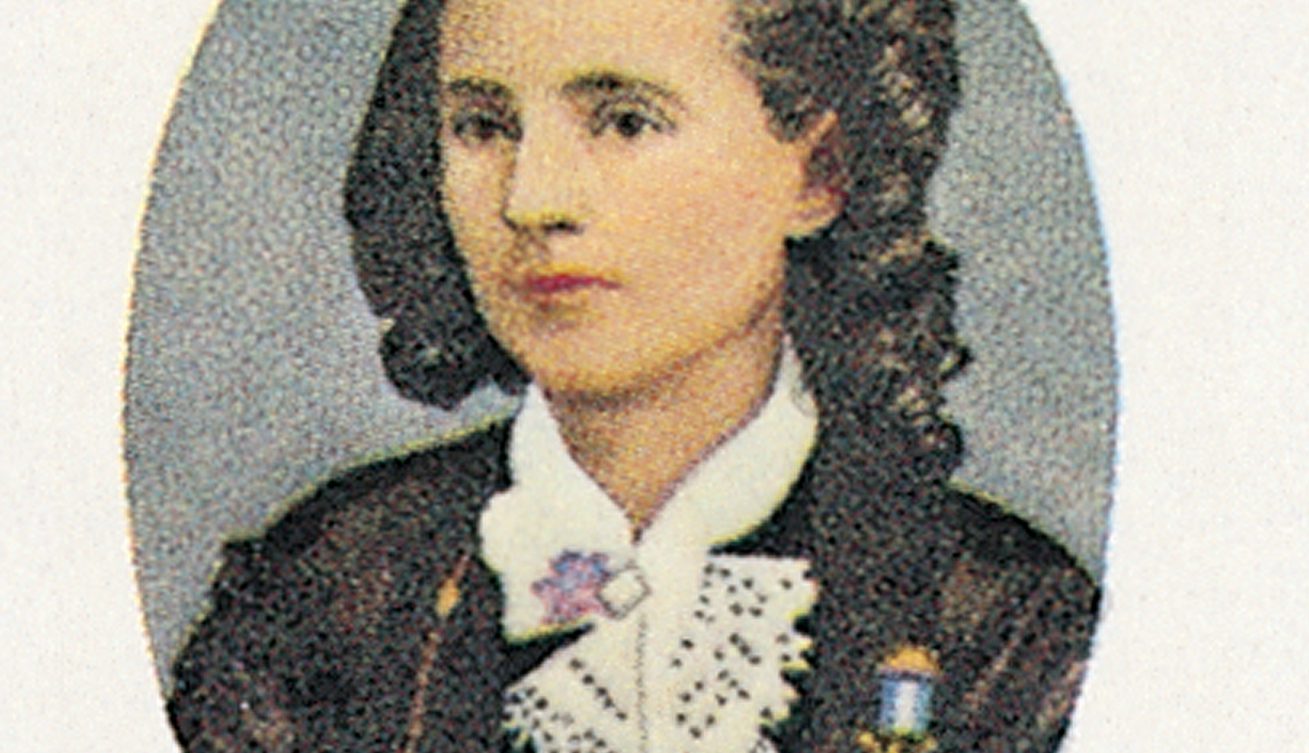
Civil War surgeon Mary Edwards Walker was born on November 26, 1832, in Oswego, New York, about 40 miles from Mystic’s home in Camden. She was the Army’s first female surgeon and earned the Medal of Honor for her work during the Civil War.

On November 13, 1982, the Vietnam Veterans Memorial was officially dedicated in Washington, DC. It stands as a tribute to the thousands of Americans who gave their lives in the conflict.

George Smith Patton Jr. was born on November 11, 1885, in San Gabriel, California. Nicknamed, “Old Blood and Guts,” he led US troops to several important WWII victories.

On November 7, 1811, future president William Henry Harrison clashed with Tecumseh’s warriors at the Battle of Tippecanoe, a precursor to the War of 1812. Harrison claimed victory and became known as “Old Tippecanoe.”

Marine Corps Gunnery Sergeant John Basilone was born on November 4, 1916, in Buffalo, New York. Basilone earned the Medal of Honor for his heroics at Guadalcanal and a Navy Cross for actions at Iwo Jima.

On October 12, 1870, Confederate General Robert E. Lee died in Lexington, Virginia. Lee had a distinguished 32-year career with the US military before joining the Confederacy in the Civil War. After the war, he stood as a symbol of reconciliation.