Wounded Knee Massacre
On December 29, 1890, one of the last major American Indian battles occurred at Wounded Knee Creek, South Dakota. The Wounded Knee Massacre saw the deaths of over 200 Lakota men, women, and children.

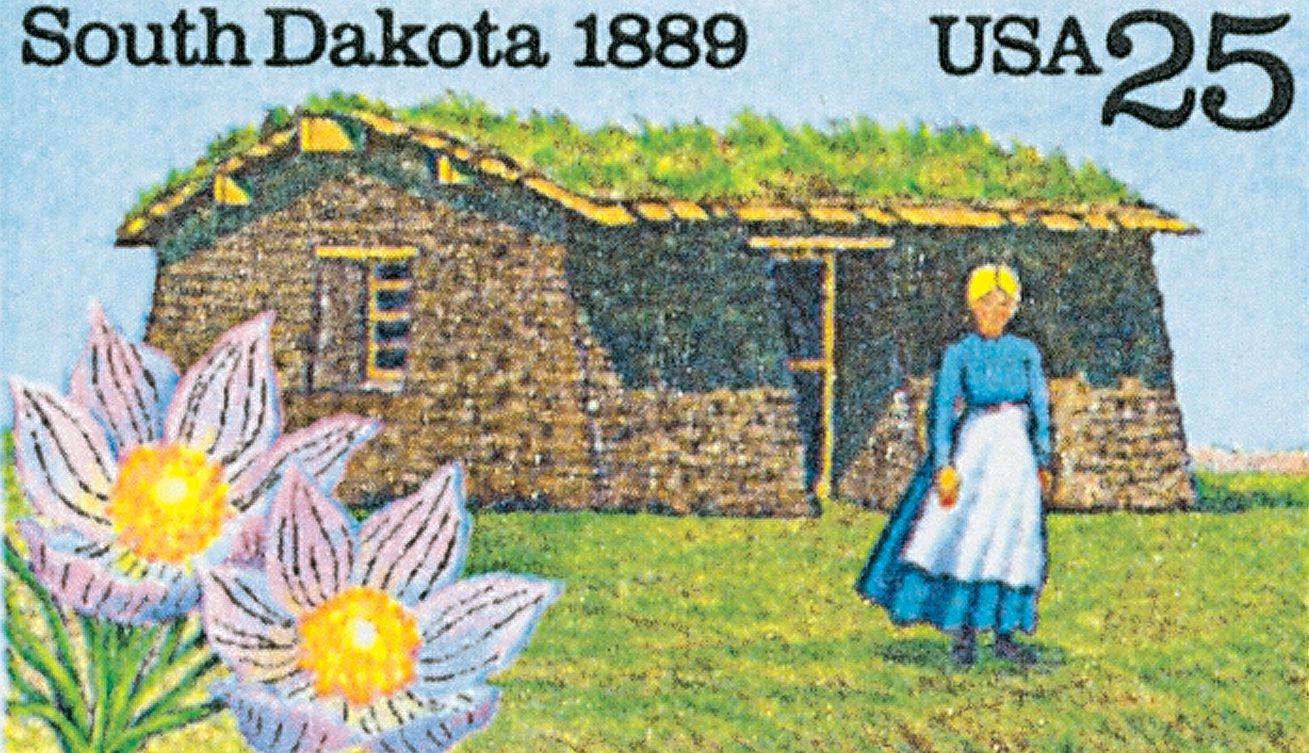
On December 29, 1890, one of the last major American Indian battles occurred at Wounded Knee Creek, South Dakota. The Wounded Knee Massacre saw the deaths of over 200 Lakota men, women, and children.

On December 17, 1925, the seven-week court-martial of World War I aviation pioneer Billy Mitchell came to an end. He was charged for his public criticism of the military in its rejection of the importance of air power.

On December 16, 1944, the Battle of the Bulge began. It was one of the largest and bloodiest battles of the war to involve the United States.

On December 15, 1944, big band leader and composer Glenn Miller was aboard a plane that disappeared over the English Channel. Miller had put his successful civilian music career on hold to serve in the US Army during World War II.

On November 25, 1783, the British Army left New York City following the American Revolutionary War. The date was celebrated for over a century as Evacuation Day, with celebrations rivaling those held on the Fourth of July.

On November 19, 1752, George Rogers Clark was born in Albemarle County, Virginia. A hero of the American Revolution, he’s most famous for his captures of Kaskaskia, Vincennes, and Fort Sackville.
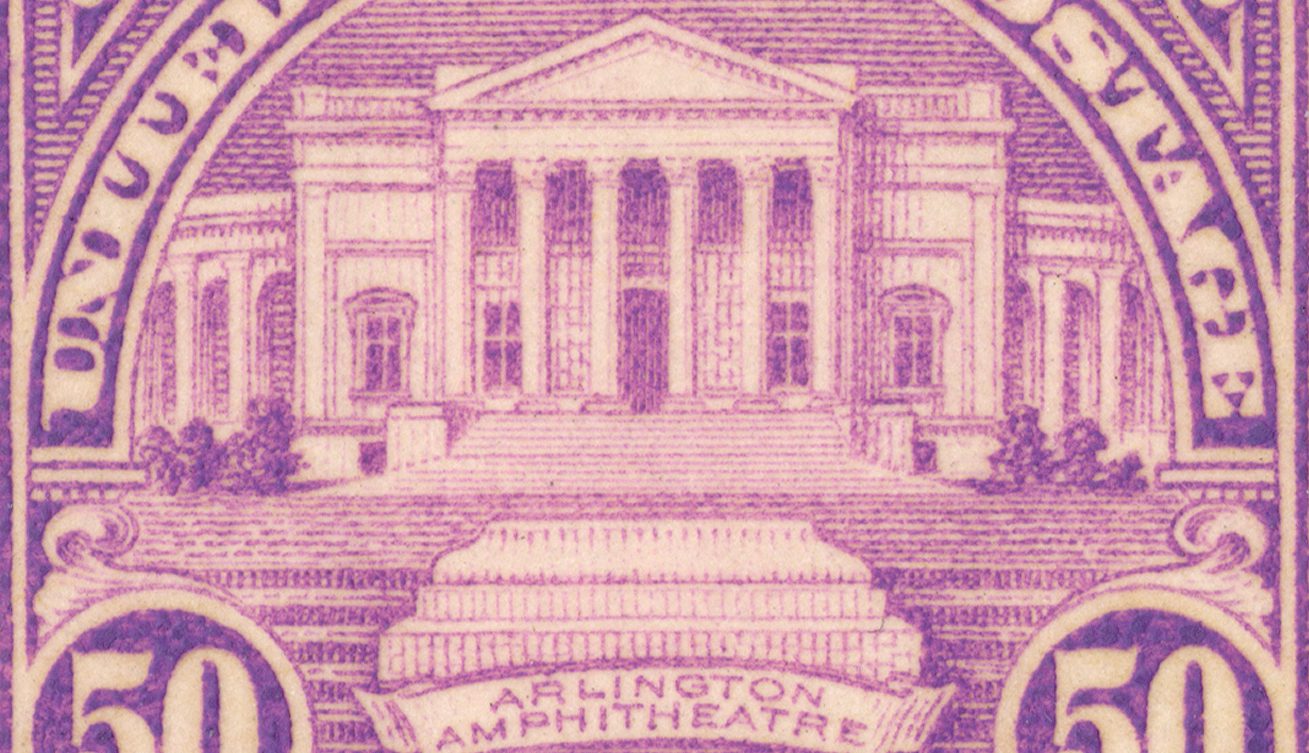
On November 11, 1921, President Warren G. Harding dedicated the Tomb of the Unknown Soldier at Arlington National Cemetery. Now the final resting place for three unknown soldiers, it is guarded 24 hours a day by members of the Army’s 3rd Infantry Regiment.
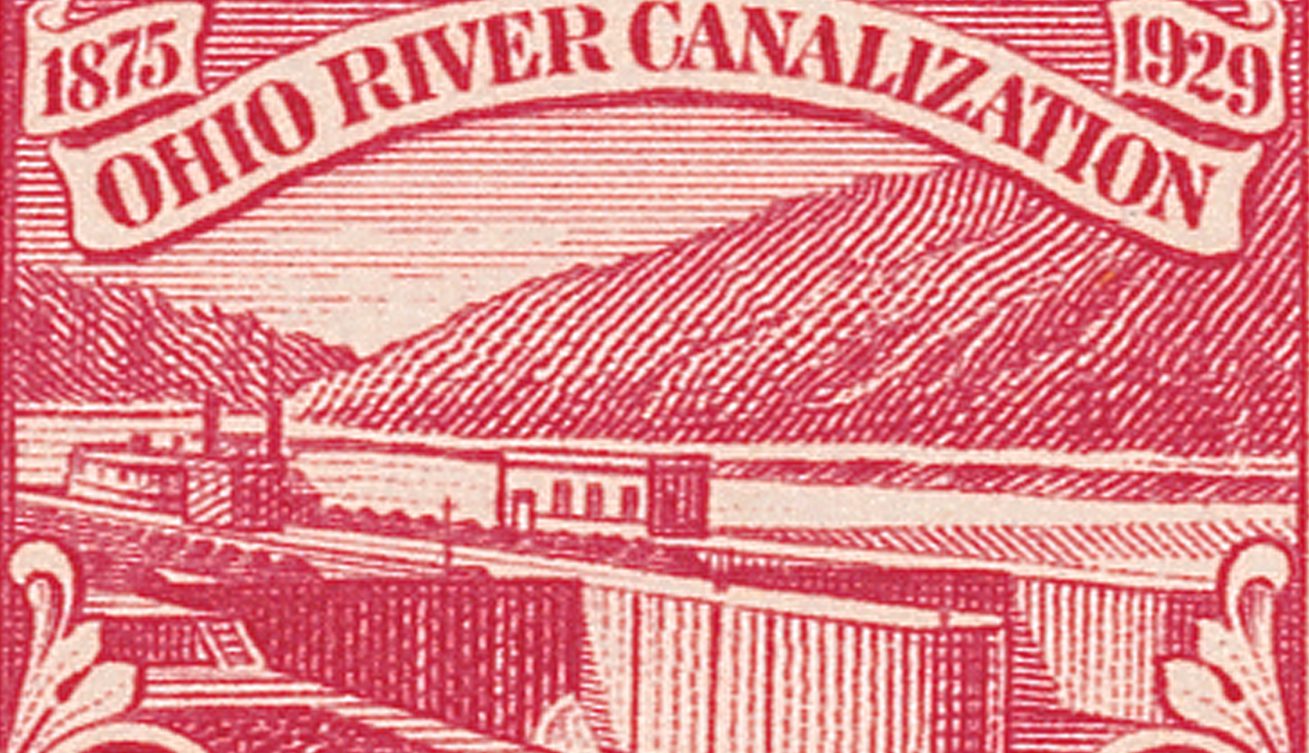
On October 19, 1929, the US Post Office issued a 2¢ commemorative honoring the canalization of the Ohio River. It came as the culmination of over 50 years of work on the project, which was a major engineering feat.
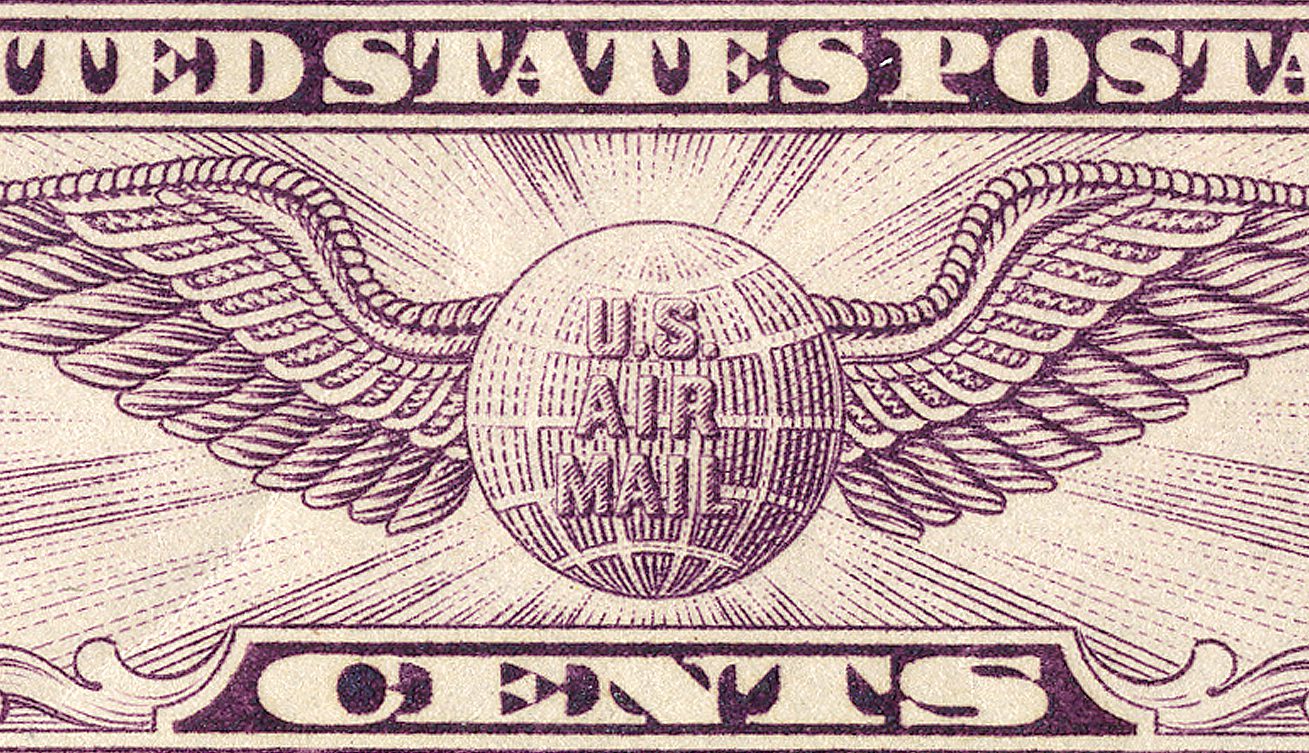
On September 28, 1933, an investigation was launched into the awarding of contracts for airmail flights. The Airmail Fiasco, as it was also known, eventually led to wide-scale improvements to the airline industry and modernization of the Army Air Corps.