Veterans Day
On November 11, 1954, America first observed Veterans Day, previously known as Armistice Day. Initially a day set aside to honor the veterans of World War I, it was expanded in 1954 to pay tribute to all veterans.

On November 11, 1954, America first observed Veterans Day, previously known as Armistice Day. Initially a day set aside to honor the veterans of World War I, it was expanded in 1954 to pay tribute to all veterans.

Since 2013, National Bison Day has been held on the first Saturday in November, which falls on November 5, 2022. Once close to extinction, bison populations have recovered due to prolonged conservation efforts and in 2016, the bison was made America’s national mammal.

On November 4, 1986, the Northern Marianas became a territory of the United States. Having previously been a UN Trust Territory of the United States, this change made eligible residents US citizens.

On November 2, 1889, North Dakota was admitted to the Union as the 39th state.

On October 24, 1861, the people of West Virginia voted to secede from the Confederate state of Virginia. They would achieve statehood less than tow years later.

On October 23, 1972, President Richard Nixon signed legislation establishing the National Marine Sanctuary Program. This program protects and manages over 783,000 square miles of aquatic areas in and around the US.
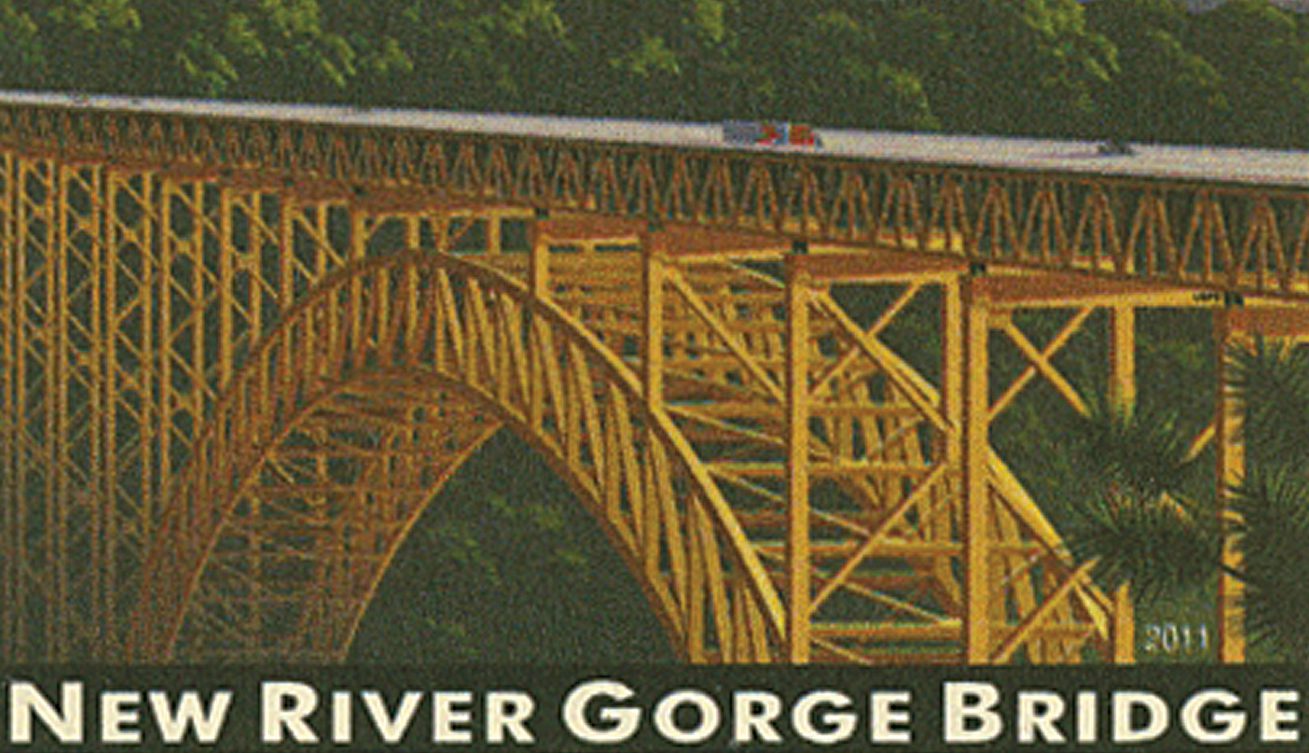
On October 22, 1977, the New River Gorge Bridge opened to motorists in West Virginia. The longest single-span arch bridge and highest roadway bridge in the world at the time of its completion, it cut a treacherous 45 minute drive down to just one minute.

On October 18, 1867, Alaska became part of America in a move dubbed “Seward’s Folly.”
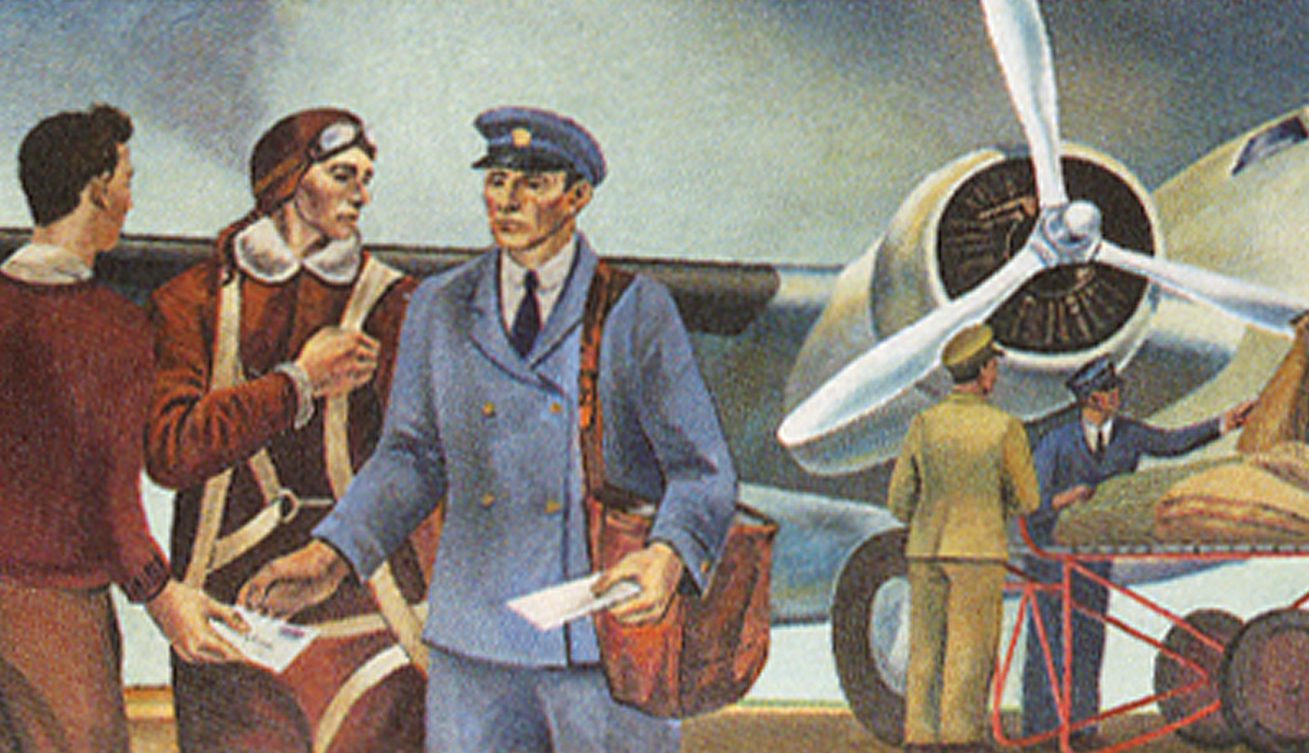
On October 16, 1934, Franklin D. Roosevelt established the Section of Panting and Sculpture (later known as the Section of Fine Arts). The Section, as it was called, invited artists across the country to beautify public buildings, including many post offices.