Birth of Edwin Stanton
Edwin McMasters Stanton was born on December 19, 1814, Steubenville, Ohio.

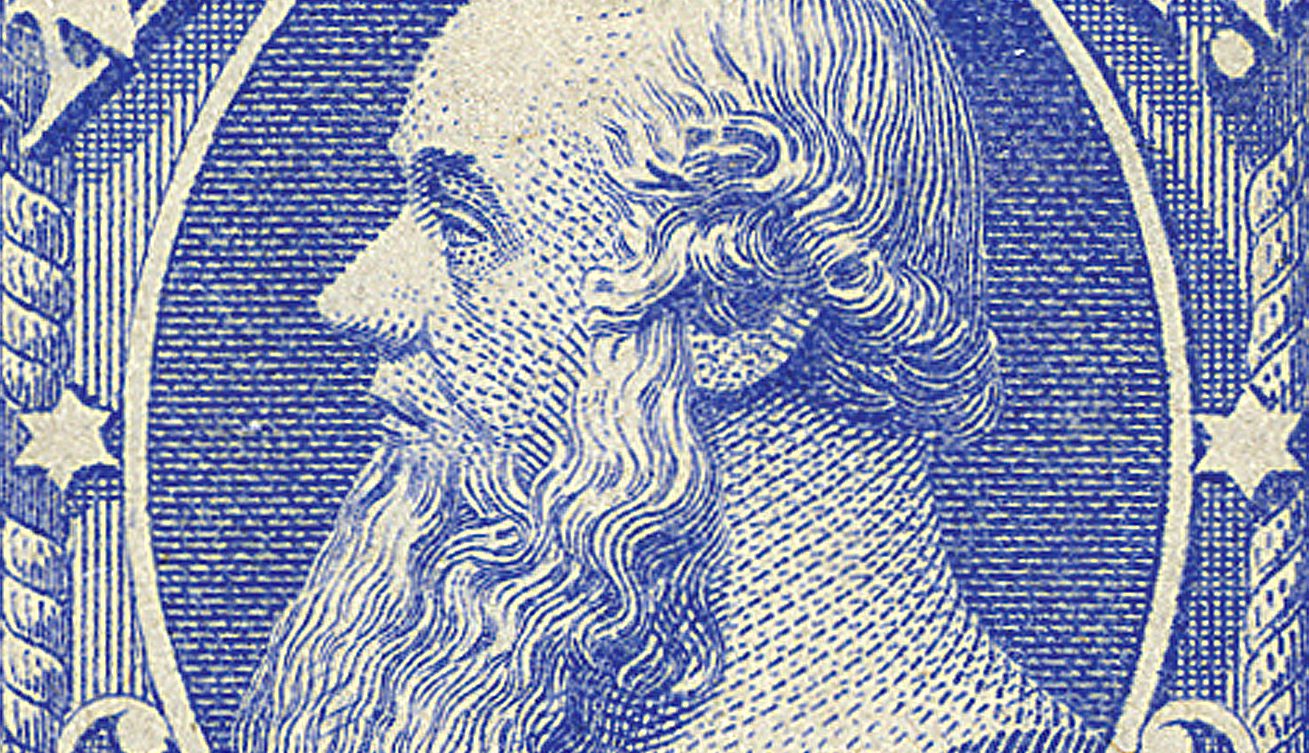
Edwin McMasters Stanton was born on December 19, 1814, Steubenville, Ohio.
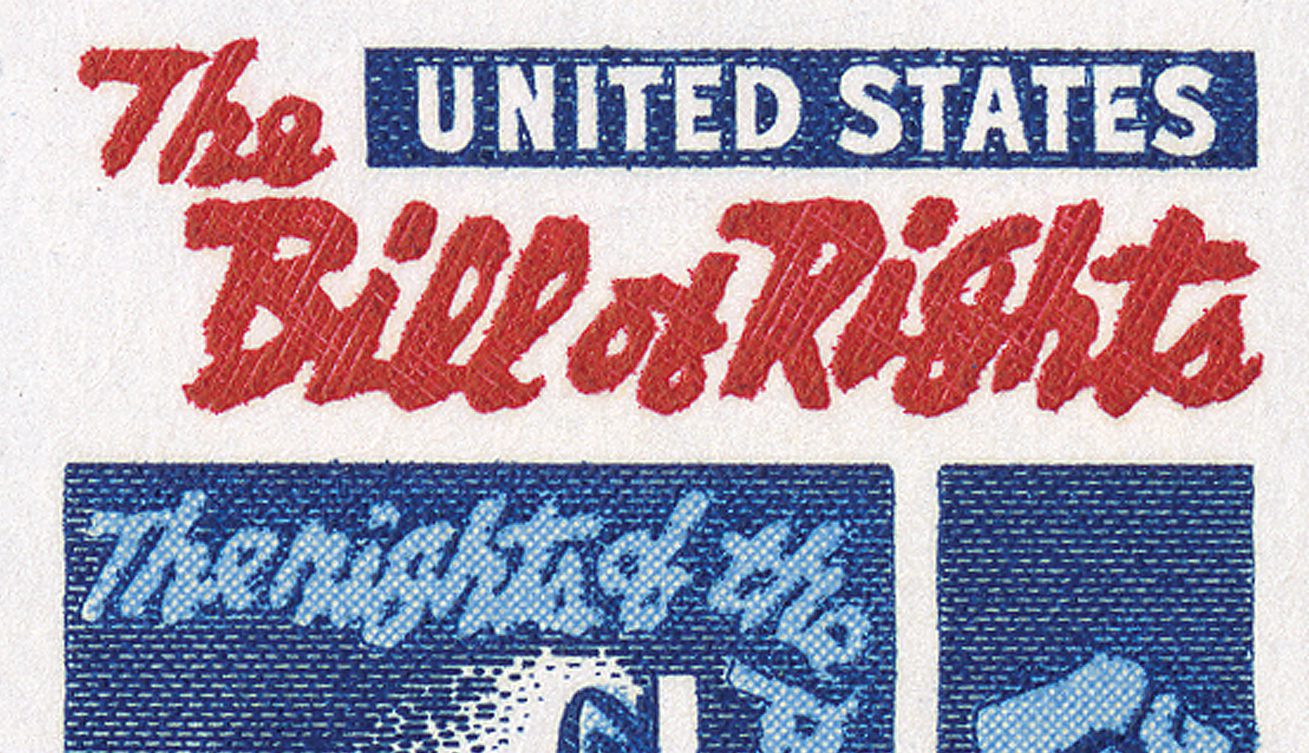
On December 15, 1791, Virginia became the 11th state to ratify the Bill of Rights, earning the three-fourths majority needed to add the first 10 amendments to the Constitution.
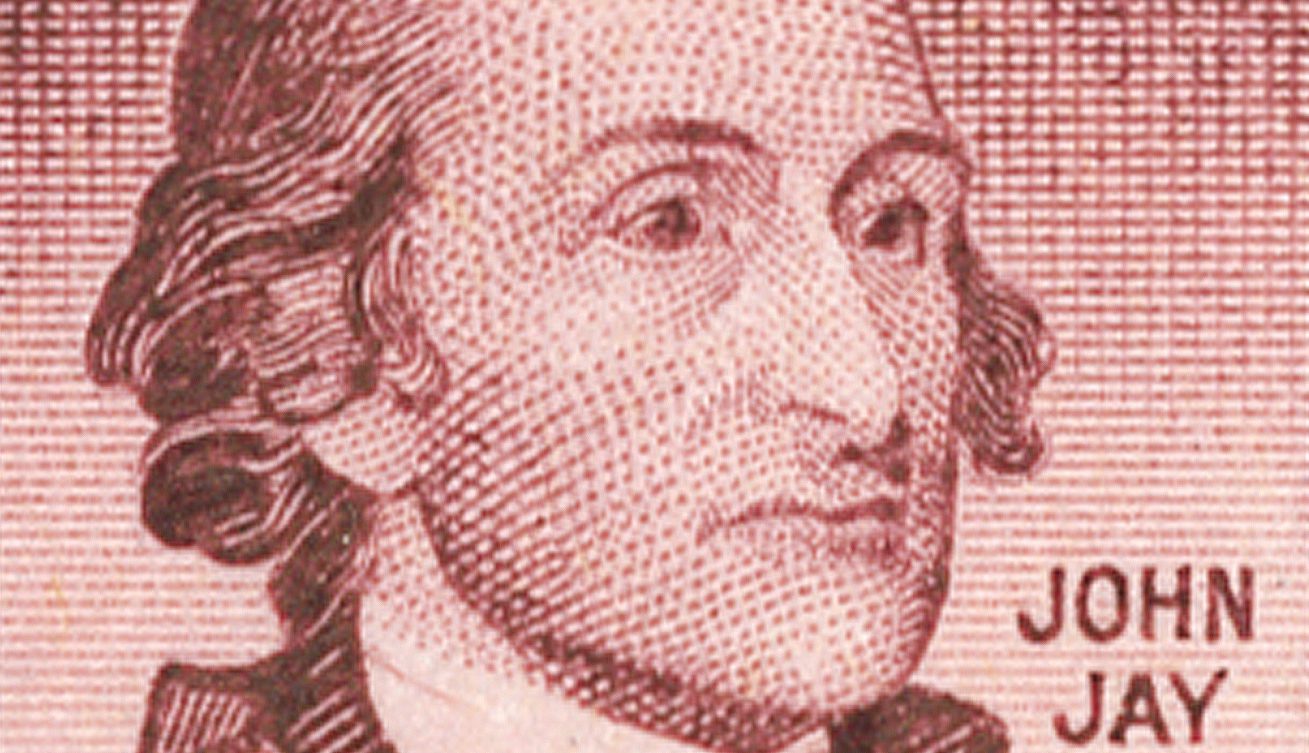
Founding Father John Jay was born on December 12, 1745, in New York City, Province of New York.
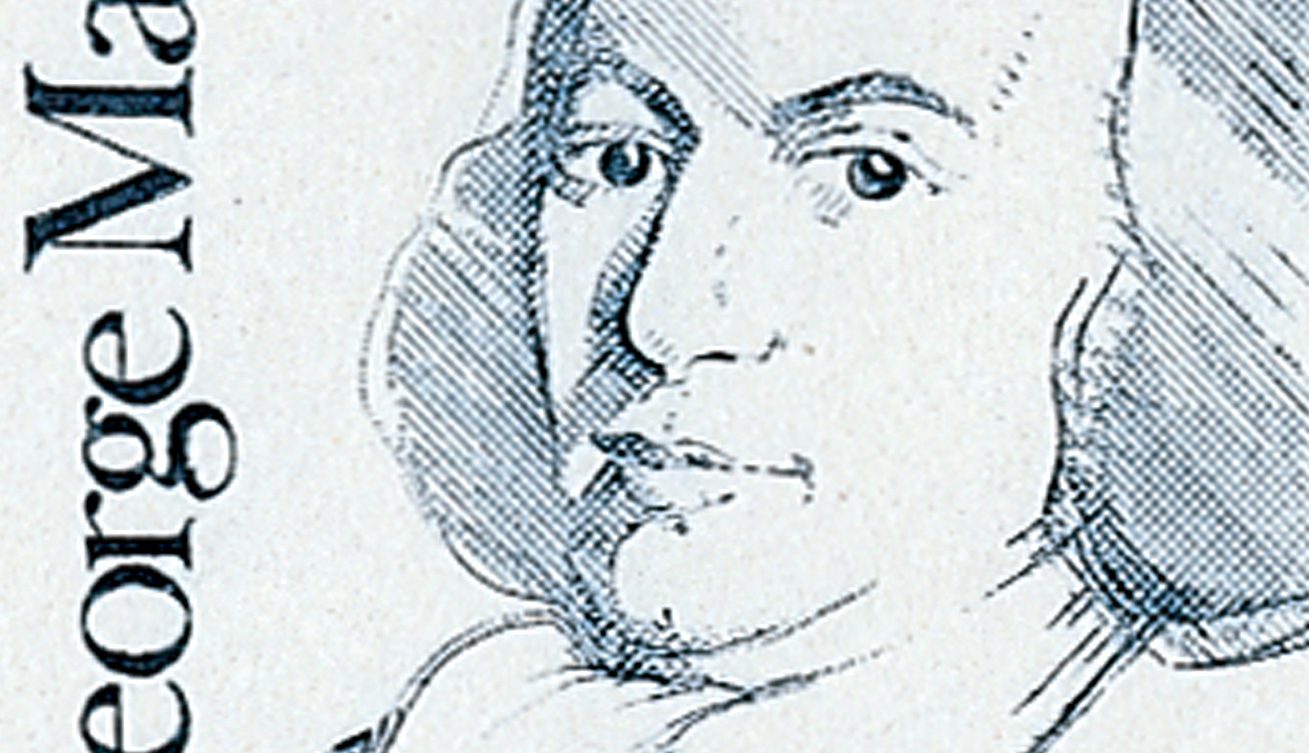
Founding Father George Mason IV was born on December 11, 1725, in Fairfax County, Virginia.
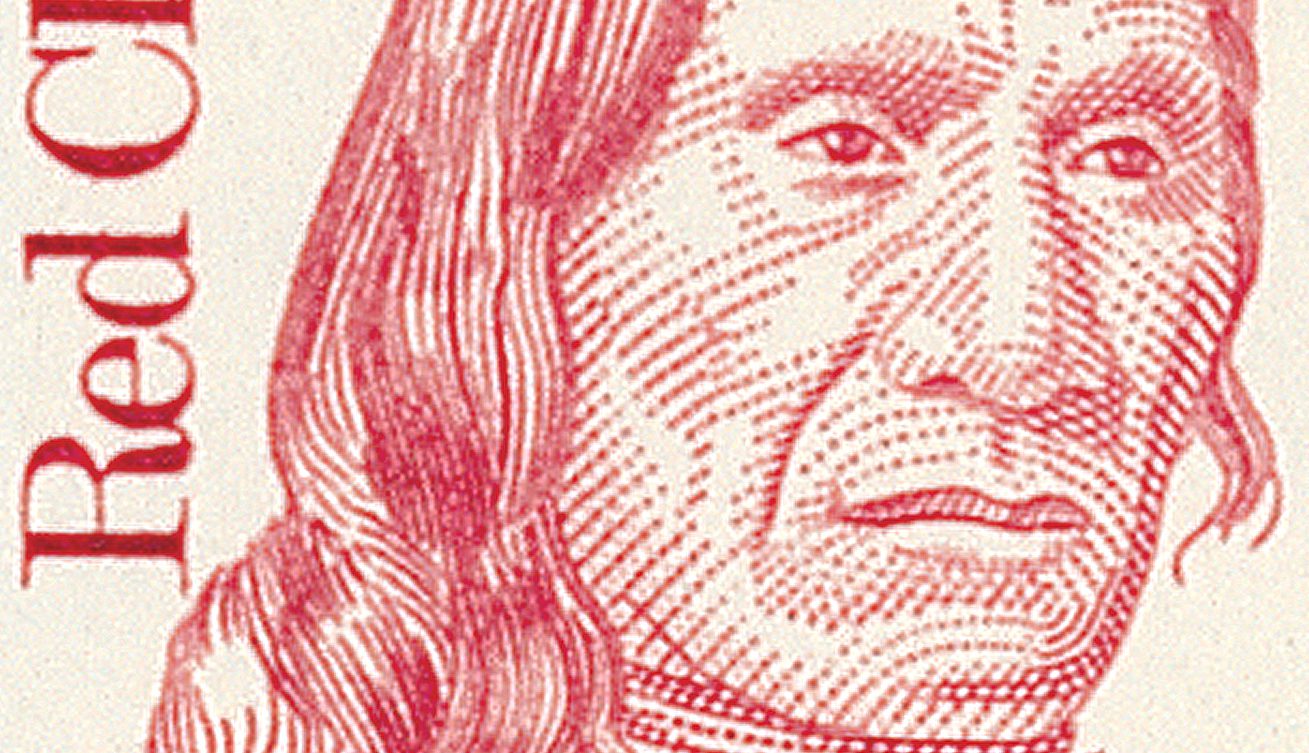
Oglala Lakota Indian warrior Red Cloud died on December 10, 1909.
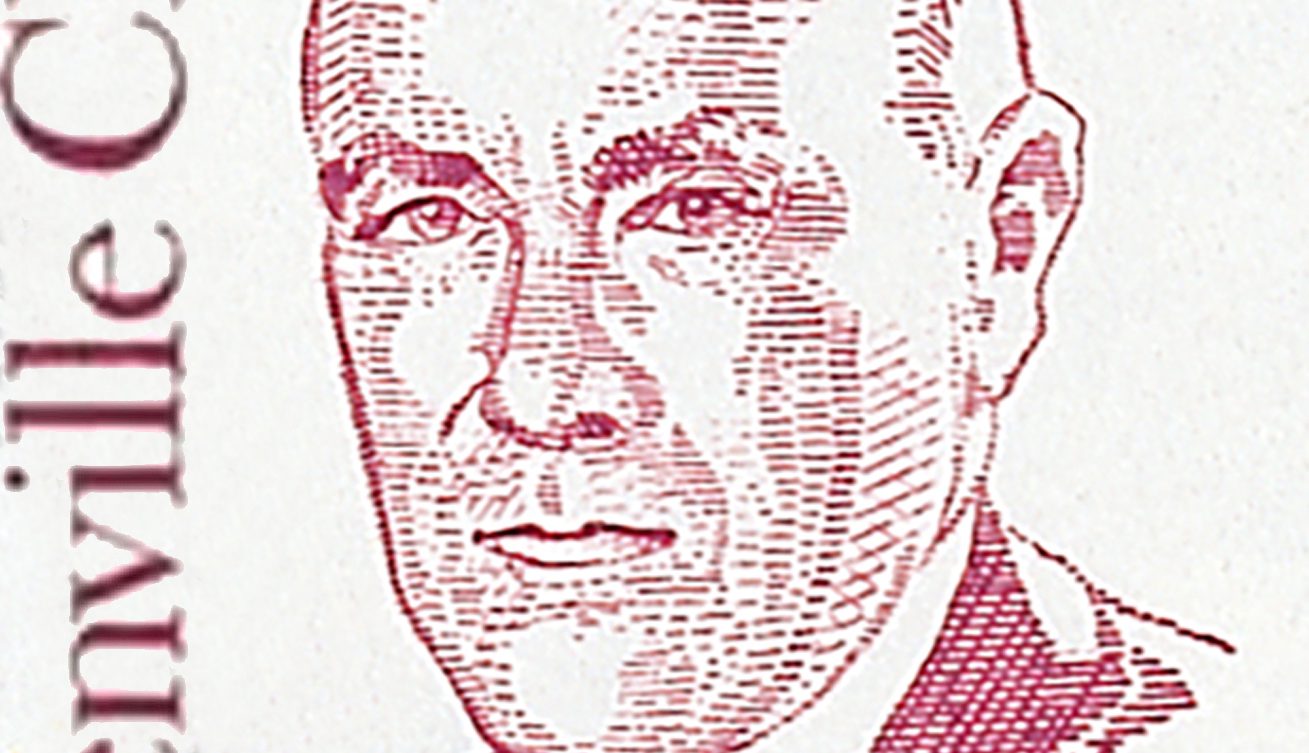
Grenville Clark was born on November 5, 1882, in New York City.
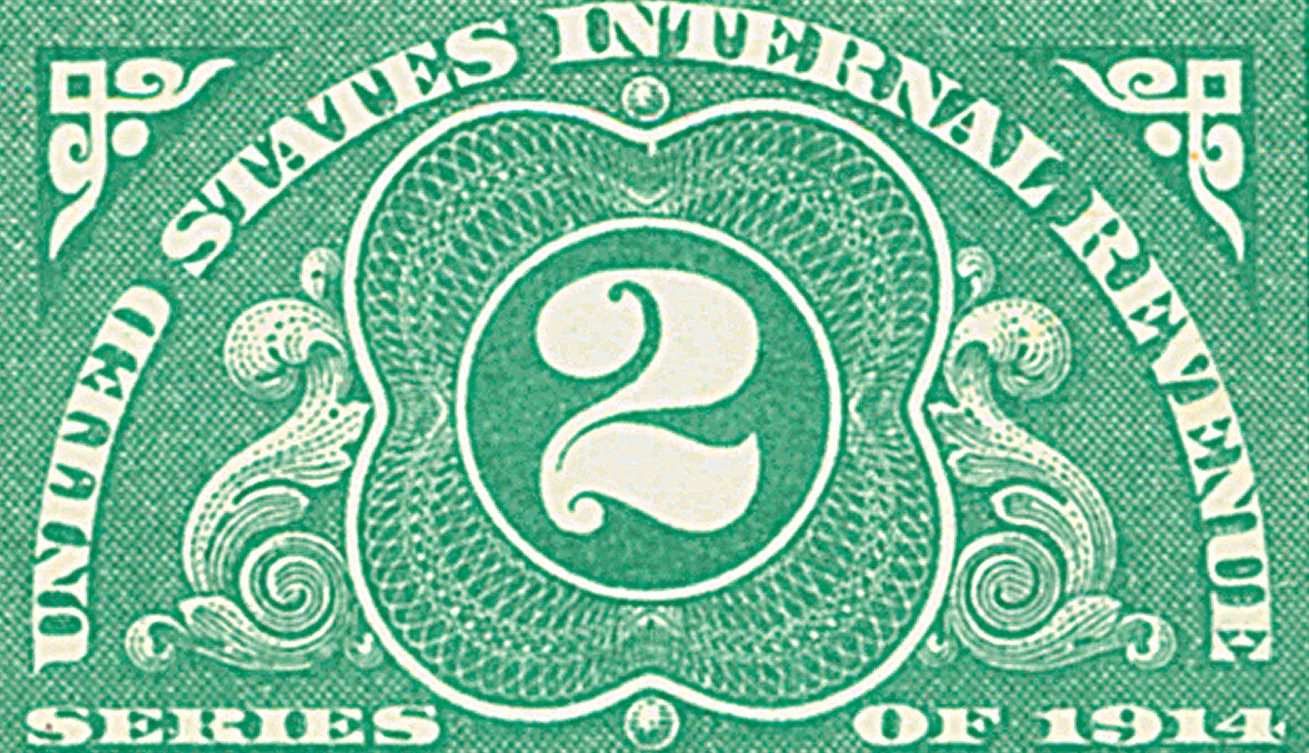
On October 22, 1914, the Emergency Revenue Act was passed, which called for the creation of Wine Revenue Stamps.
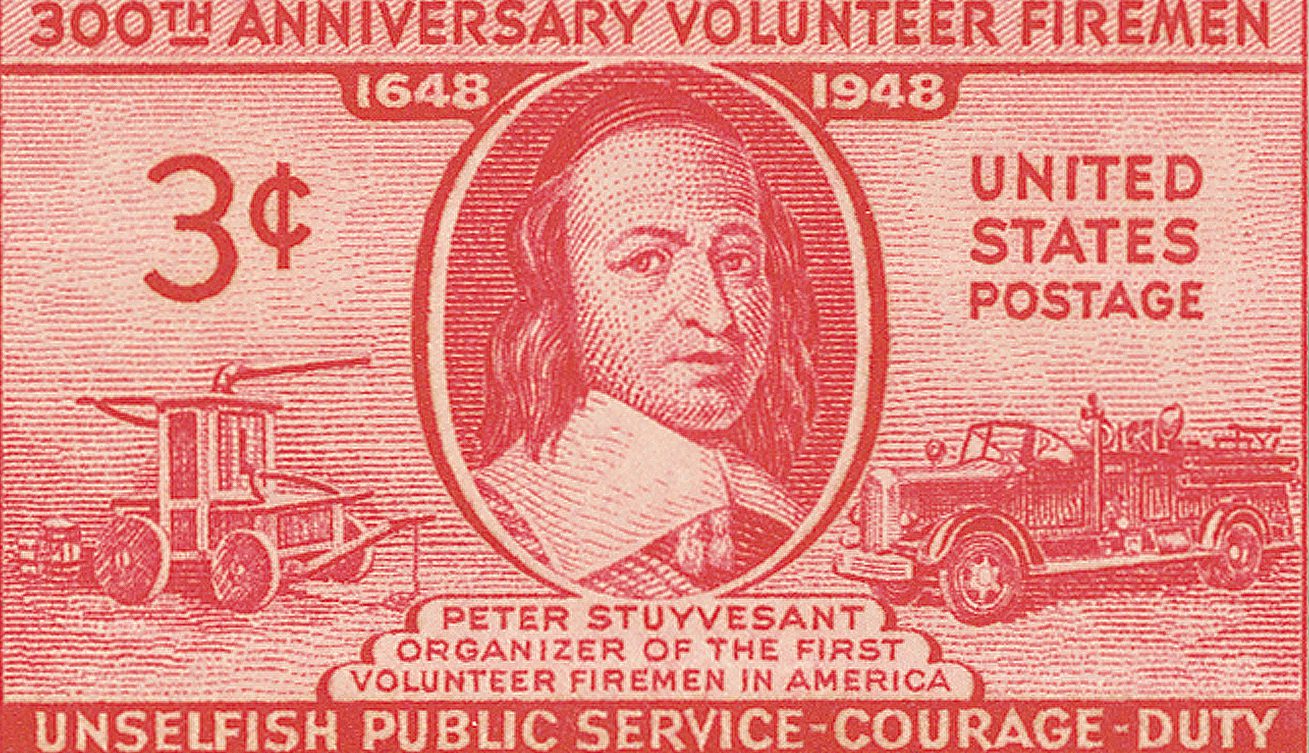
On October 4, 1648, the first volunteer fire department in North America was established in what would become New York City.

On October 1, 1890, Yosemite National Park was officially established.