Highway Beautification Act
On October 22, 1965, President Lyndon B. Johnson signed the Highway Beautification Act into law. The law had been spearheaded by his wife, and was even nicknamed after her, called “Lady Bird’s Bill.”


On October 22, 1965, President Lyndon B. Johnson signed the Highway Beautification Act into law. The law had been spearheaded by his wife, and was even nicknamed after her, called “Lady Bird’s Bill.”
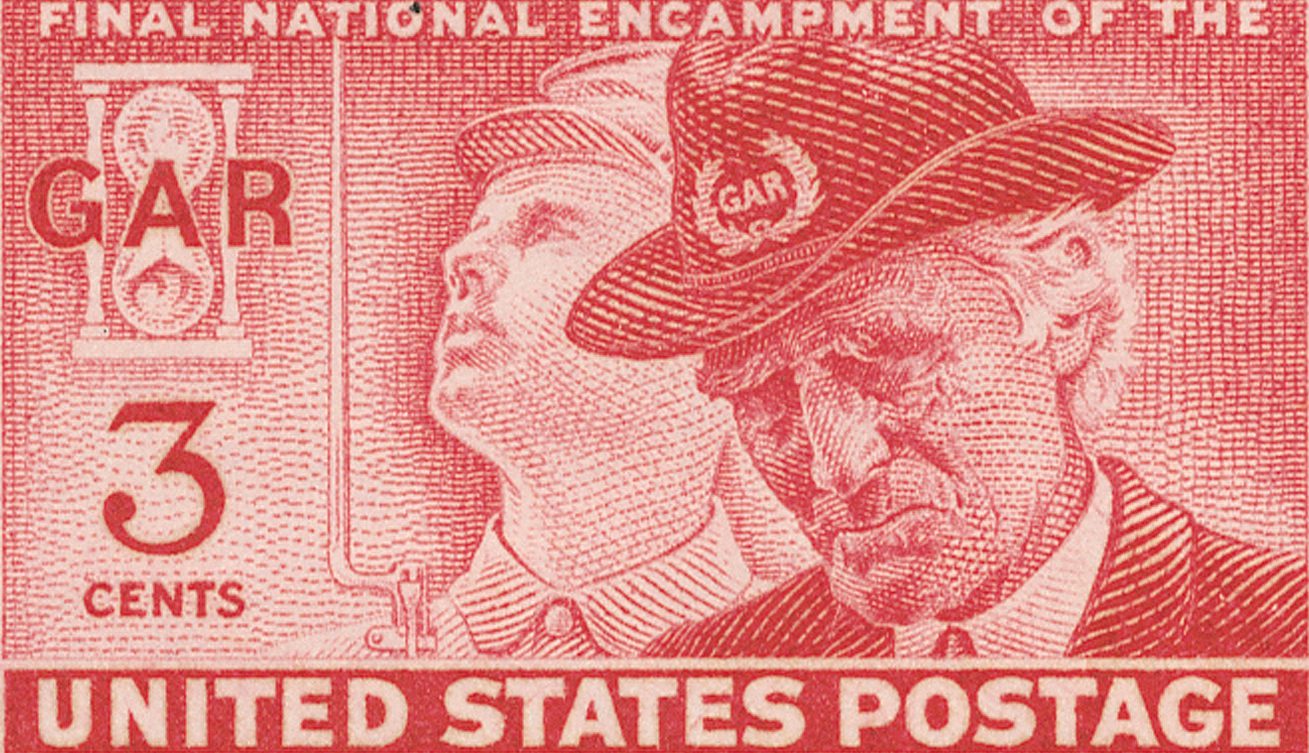
The Civil War Battle of Ball’s Bluff was fought in Loudoun County, Virginia on October 21, 1861. Though a minor battle and loss for the Union, it had some long-lasting effects on the war and some interesting historical connections.
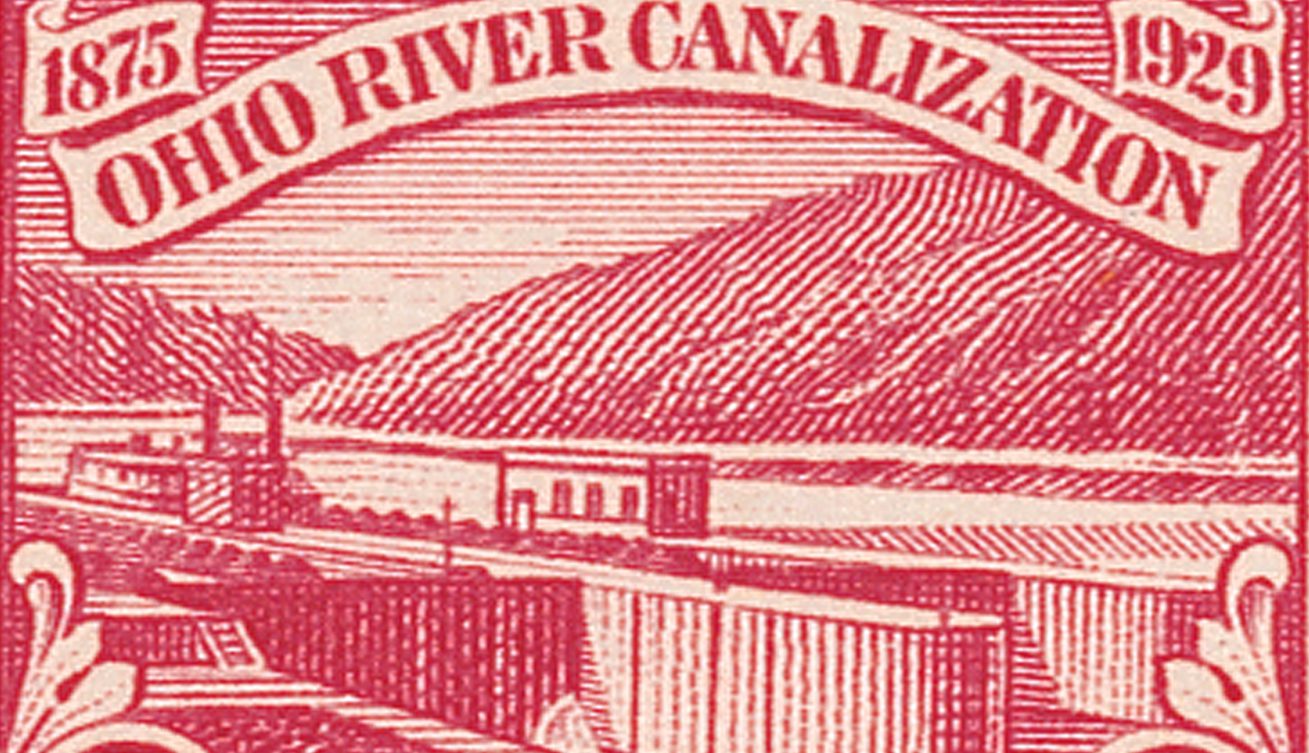
On October 19, 1929, the US Post Office issued a 2¢ commemorative honoring the canalization of the Ohio River. It came as the culmination of over 50 years of work on the project, which was a major engineering feat.

On October 16, 1945, the United Nations created the Food and Agriculture Organization (FAO). Today, this date is celebrated as World Food Day.
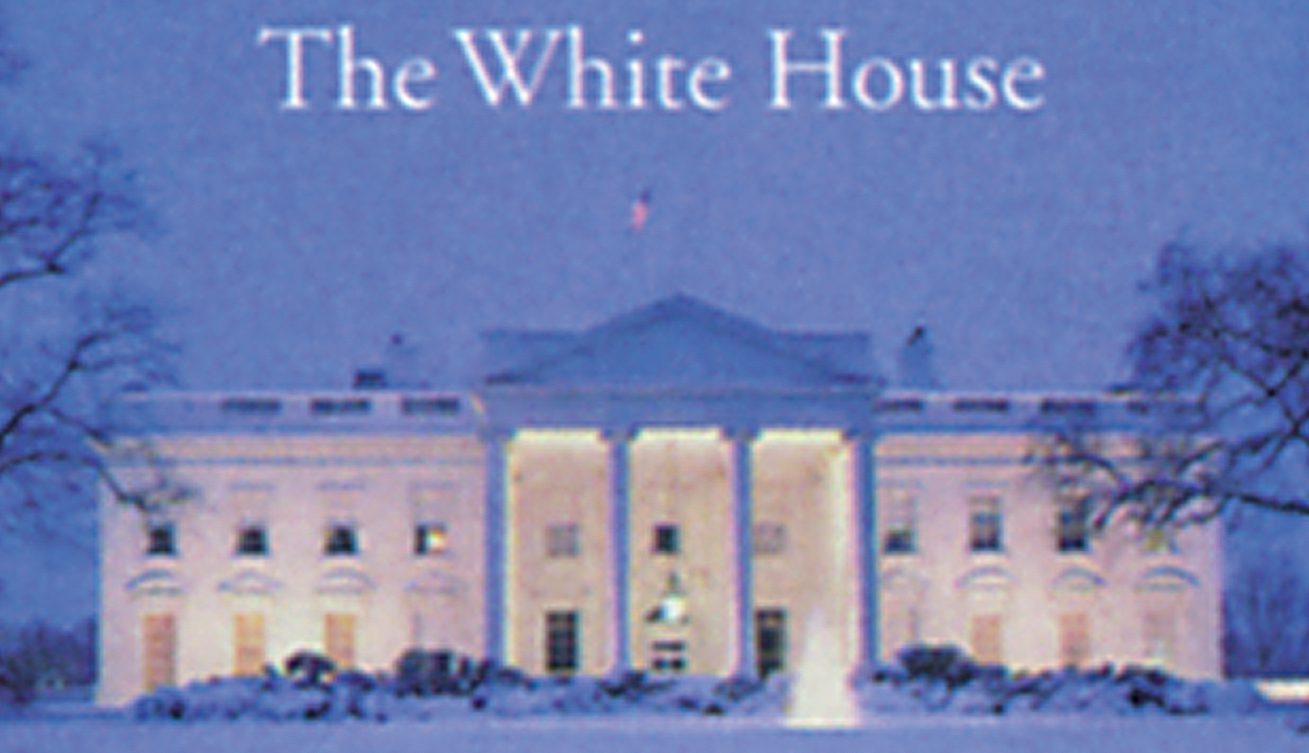
On October 12, 1901, the Executive Mansion, the president’s official residence and workplace, was renamed the White House.
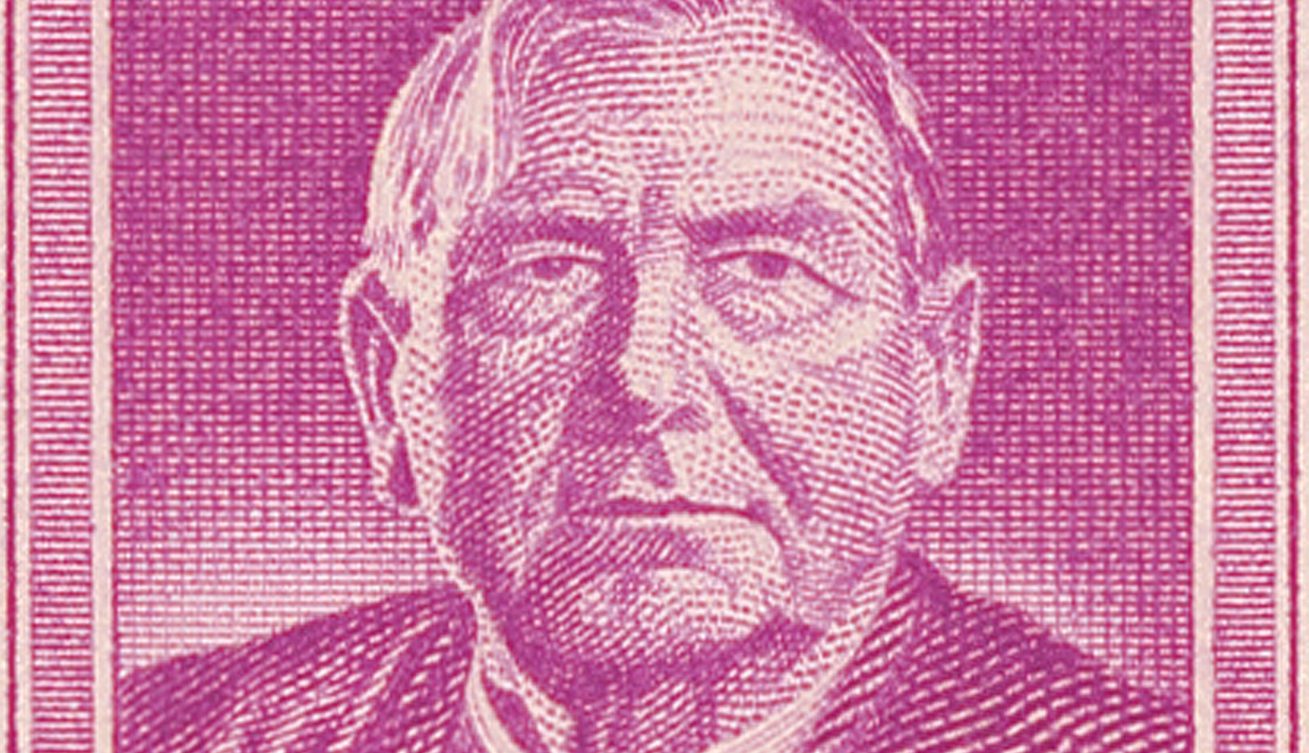
Supreme Court Justice Harlan Fiske Stone was born on October 11, 1872, in Chesterfield, New Hampshire. He served on the court for over 20 years, including over four years as chief justice.
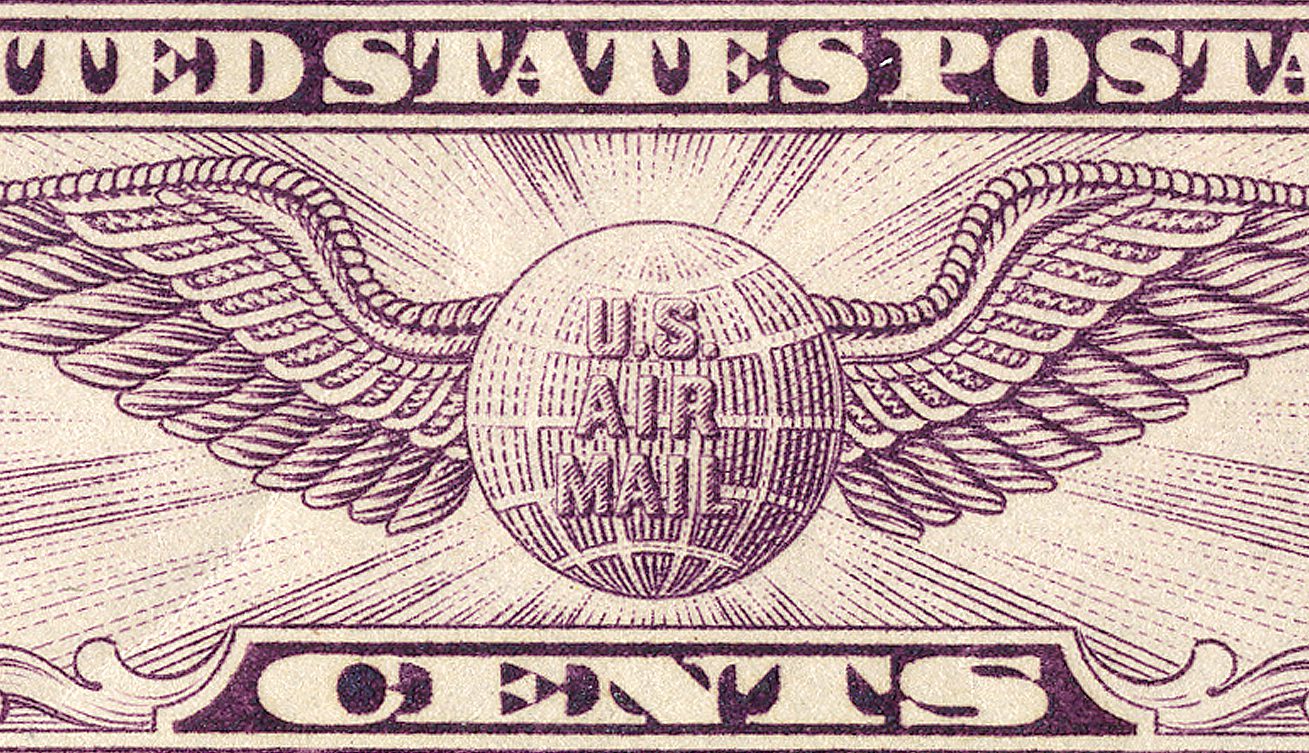
On September 28, 1933, an investigation was launched into the awarding of contracts for airmail flights. The Airmail Fiasco, as it was also known, eventually led to wide-scale improvements to the airline industry and modernization of the Army Air Corps.
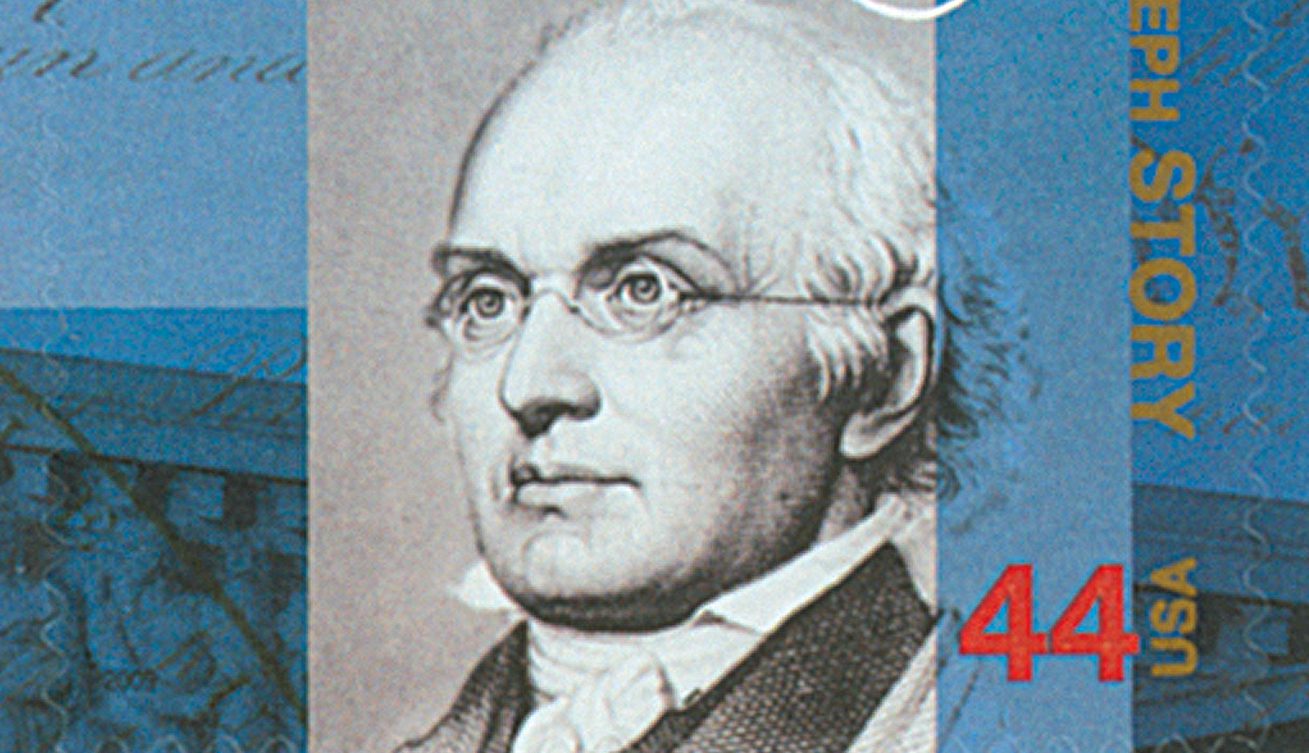
Joseph Story was born on September 18, 1779, in Marblehead, Massachusetts. He was the youngest person ever named to the Supreme Court and has been credited with reshaping American law.

On September 12, 1787, it was proposed that trial by jury in civil cases be included America’s Constitution. There was extensive debate over the topic, and it was ultimately left out of the Constitution. It was finally made law as part of the Bill of Rights in 1791.