Princess Diana’s Sudden Death
On August 31, 1997, the world was shocked when Princess Diana was involved in a car crash that took her life.

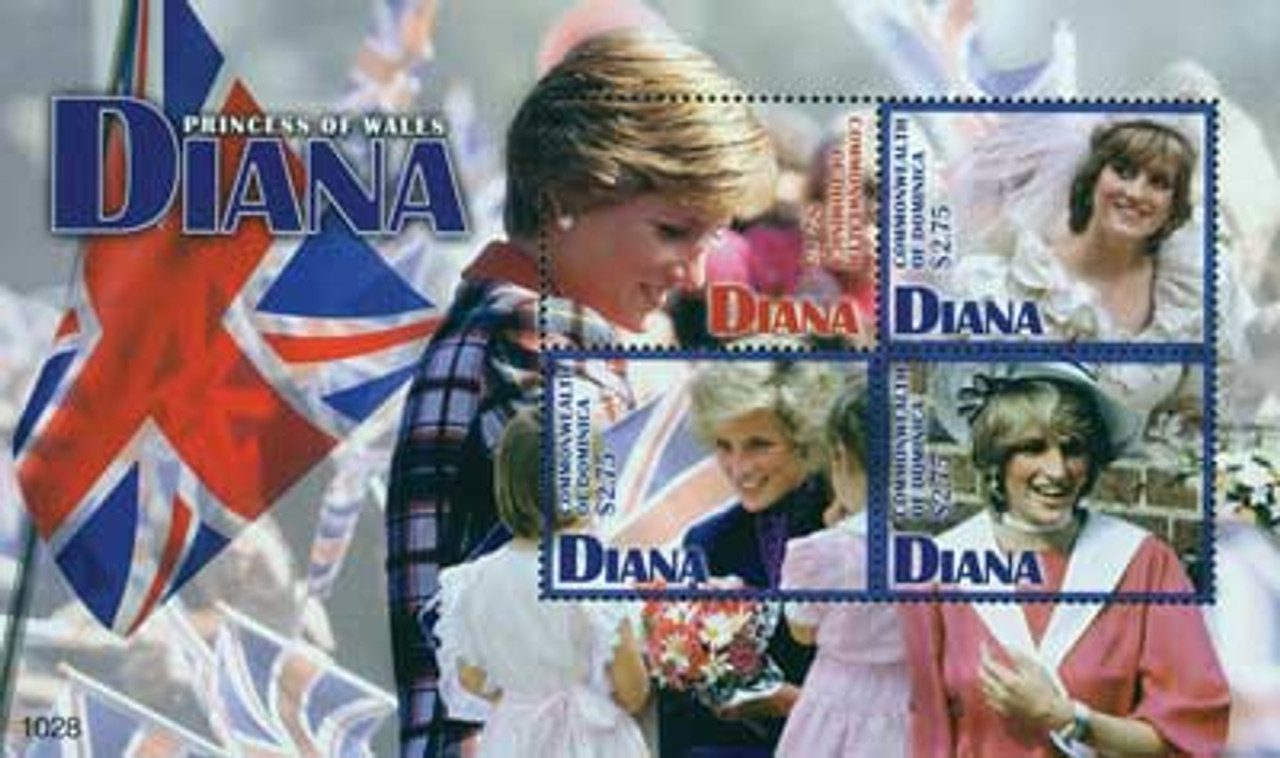
On August 31, 1997, the world was shocked when Princess Diana was involved in a car crash that took her life.

On August 23, 1784, an American merchant ship unfurled the Stars and Stripes for the first time in China. The Chinese dubbed it the “Flower Flag,” and its passengers, “flower flag countrymen,” a name that endures today.

On August 21, 1770, James Cook landed on the eastern coast of Australia and named the land New South Wales.
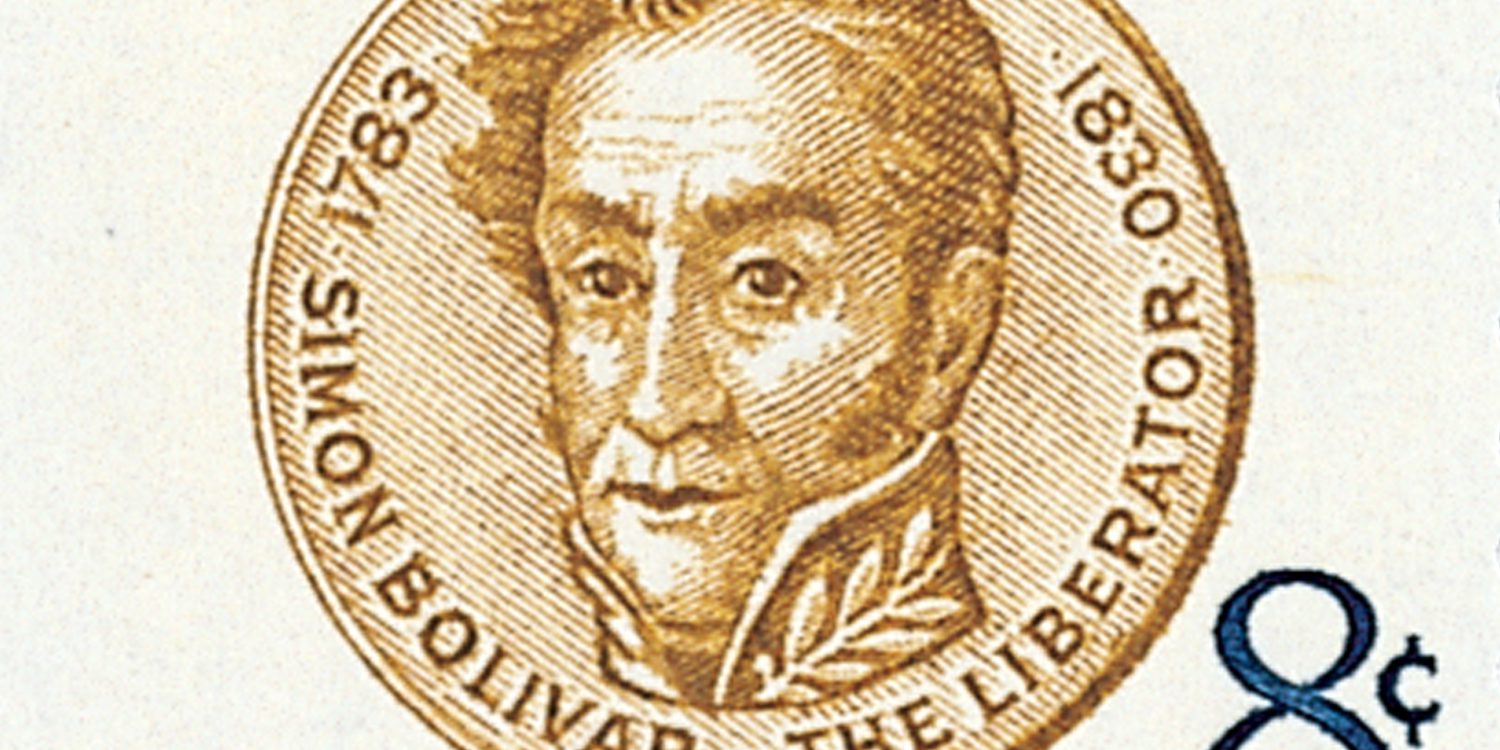
Military and political leader Simón Bolívar was born on July 24, 1783, in Caracas, New Granada (present-day Venezuela). He led a campaign that freed Venezuela, Ecuador, Bolivia, Peru and Colombia from Spanish rule, earning him the nickname El Libertador (The Liberator). His birthday is also a national holiday in Venezuela.
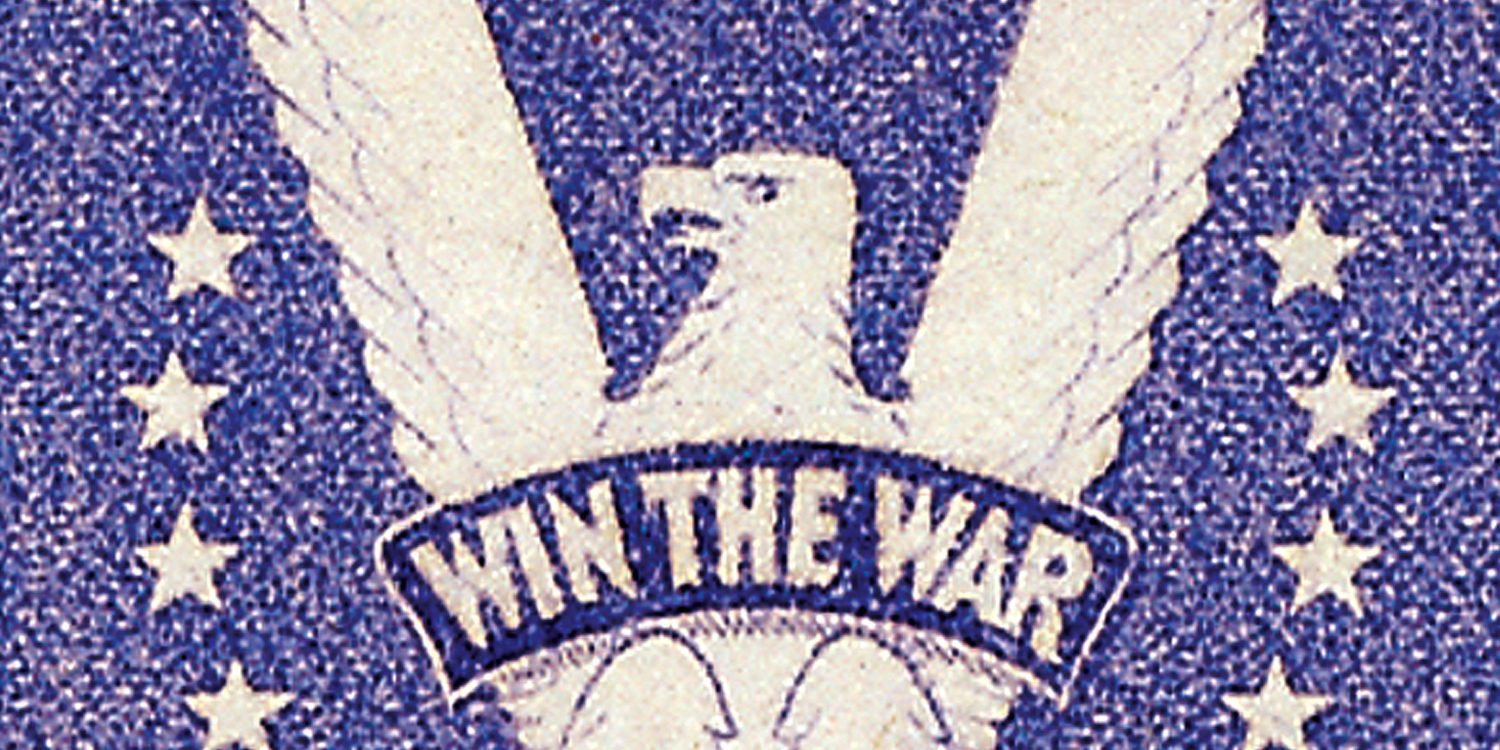
On July 19, 1941, British Prime Minister Winston Churchill officially established the “V” for Victory campaign. The letter “V” became a rallying cry for people in occupied nations as well as Germans who opposed the Nazis.
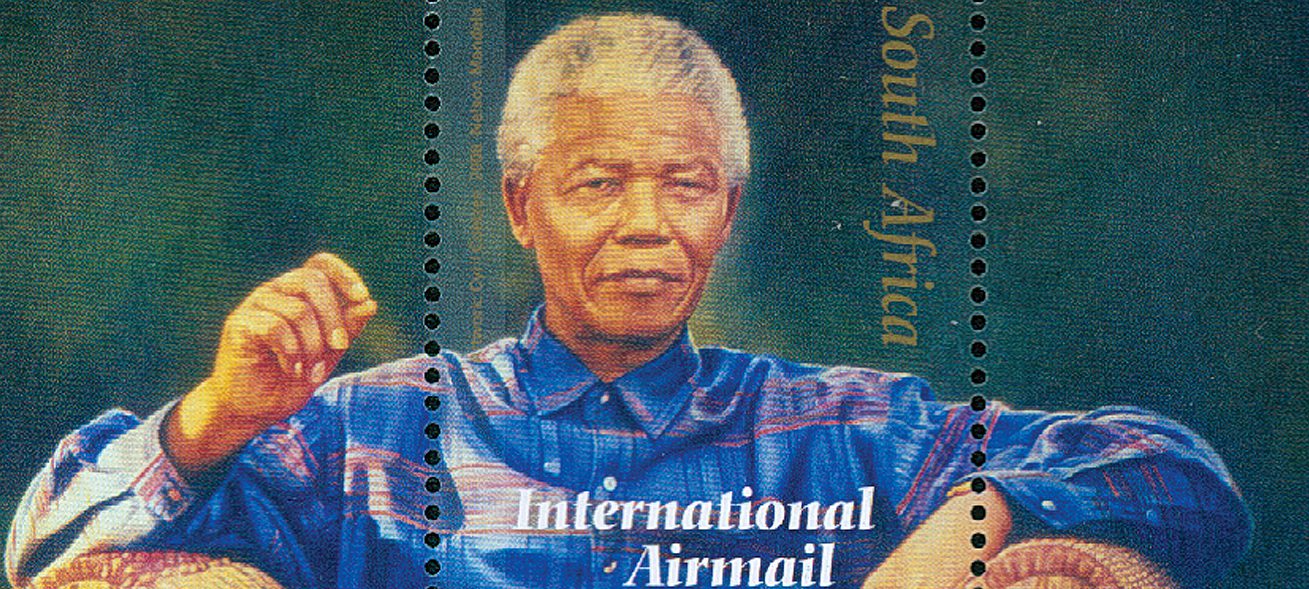
Nelson Rolihlahla Mandela was born on July 18, 1918, in Mvezo, Cape Province, South Africa. His long struggle against apartheid would carry him from prison to the presidency and make him a worldwide symbol of reconciliation and democratic change.

On July 17, 1987, the USPS issued its first joint issue with Morocco, commemorating 200 years of diplomatic relations.
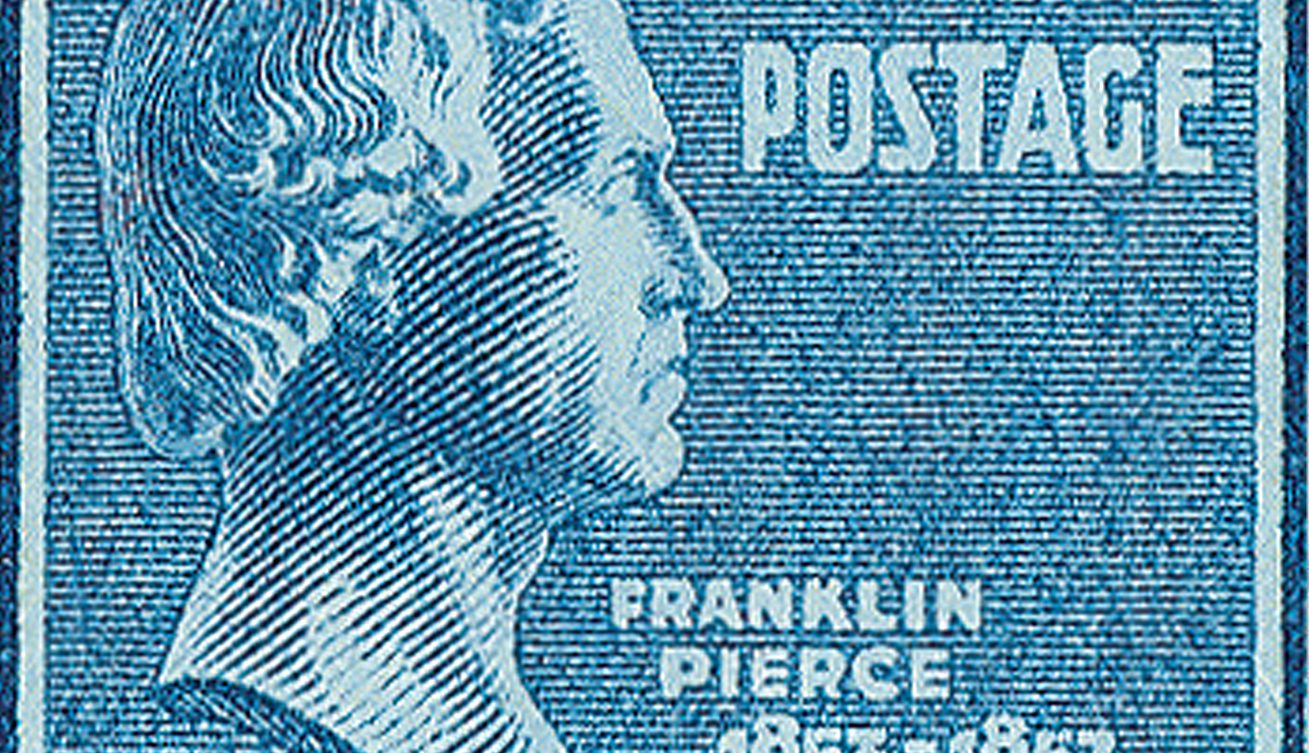
On July 14, 1853, President Franklin Pierce opened a glass-and-iron palace in New York City filled with machinery, art, and manufactured goods from around the world. The Exhibition of the Industry of All Nations became the first major world’s fair in the United States and tested whether New York could rival London as a center of industry and culture.
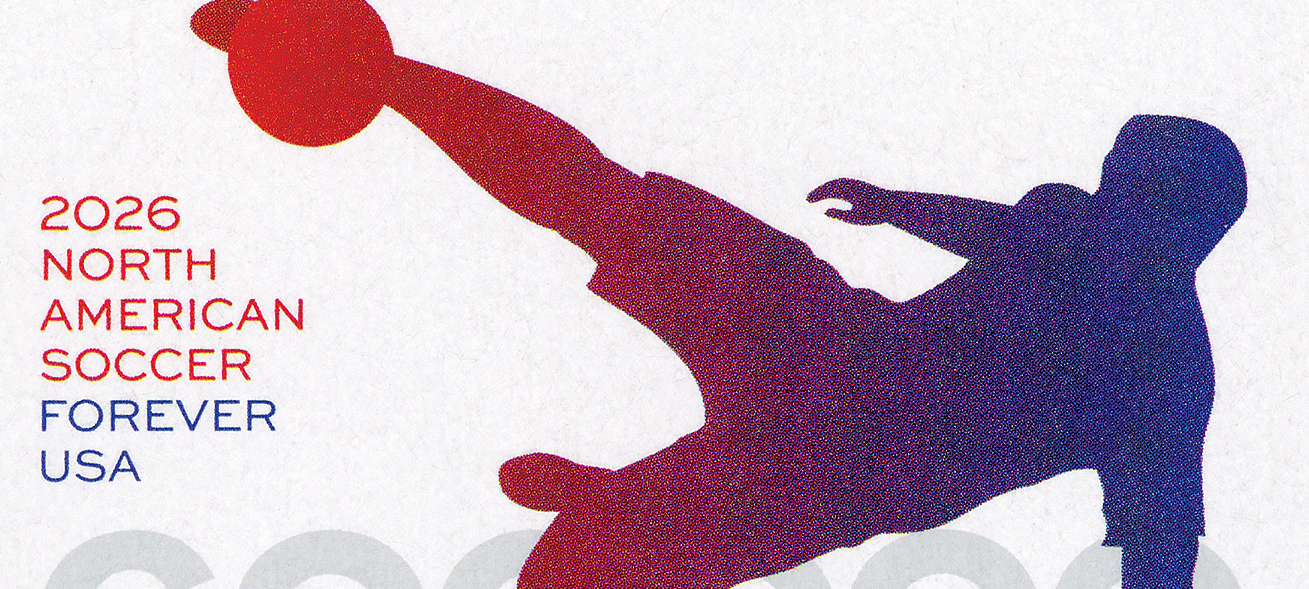
On July 13, 1930, the inaugural FIFA World Cup began in Montevideo, Uruguay. Thirteen national teams gathered for a new competition designed to determine soccer’s world champion outside the Olympic Games.