First Woman in Space
On June 16, 1963, Valentina Tereshkova became the first woman in space. The 26-year-old former textile worker circled Earth 48 times during a demanding solo flight that lasted nearly three days.


On June 16, 1963, Valentina Tereshkova became the first woman in space. The 26-year-old former textile worker circled Earth 48 times during a demanding solo flight that lasted nearly three days.

On May 12, 1820, nurse and social reformer Florence Nightingale was born in Florence, Tuscany, Italy. Her work during the Crimean War made her famous – but she’s best remembered today for her efforts to make health care safer. Her birthday later became a lasting day of recognition for health care, inspiring observances such as International Nurses Day and the original National Hospital Day.
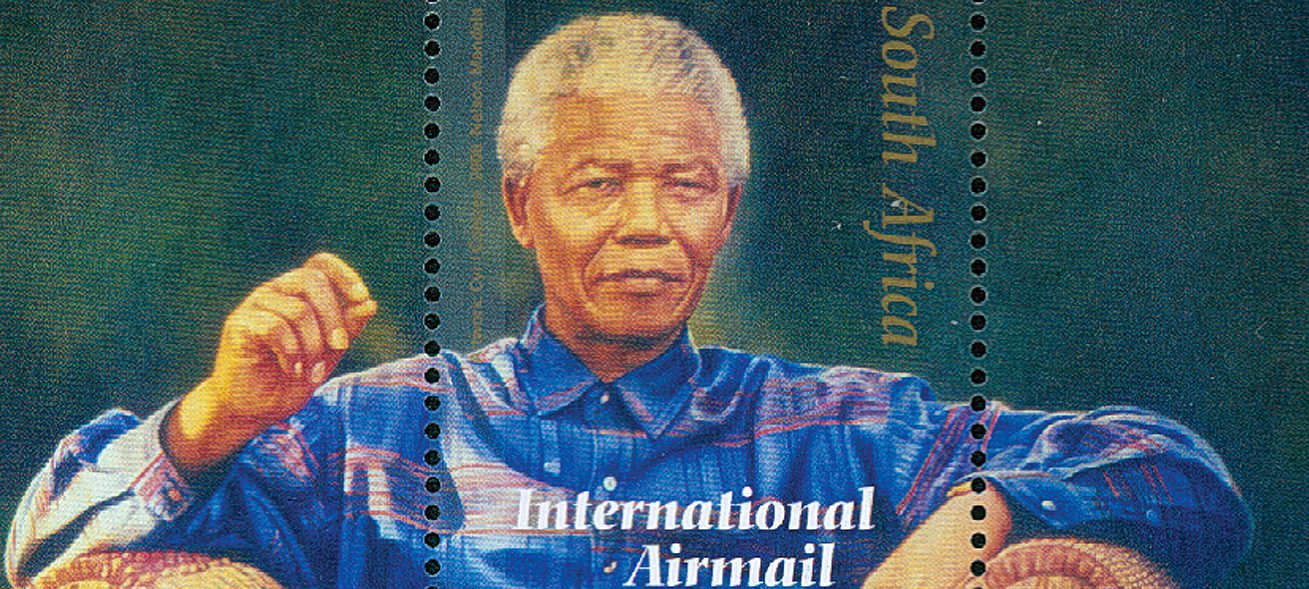
On May 9, 1994, Nelson Mandela was elected South Africa’s first black president. After decades of apartheid, prison, protest, and negotiation, the vote marked a turning point few South Africans had believed they would live to see.
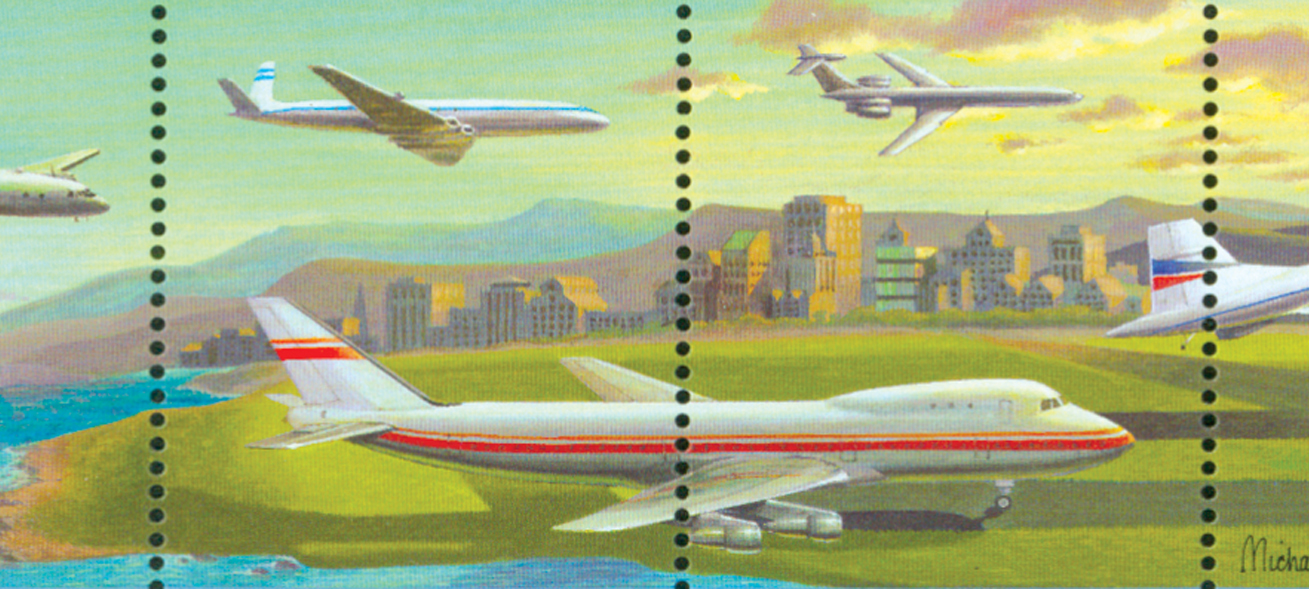
On May 2, 1952, the world’s first commercial jet airliner, the de Havilland Comet 1, began its maiden airline service from London to Johannesburg. The flight opened a new chapter in passenger travel, showing that jet power could move paying customers faster and higher than piston-engine airliners. Commercial aviation entered the jet age.

On April 28, 1971, a major new federal law took effect that changed how workplace safety was enforced in the United States. That date is now observed as Workers’ Memorial Day, a time to remember those lost at work and to renew the effort to prevent future tragedies.

On April 22, 1993, the United States Holocaust Memorial Museum opened in Washington, DC — a building so deliberately unsettling in its design that its…

On April 21, 1926, at 2:40 in the morning, a baby girl was born at 17 Bruton Street in London’s upscale Mayfair neighborhood — and almost no one expected her to ever wear a crown. That child, Princess Elizabeth Alexandra Mary, would go on to become the longest-reigning monarch in British history.
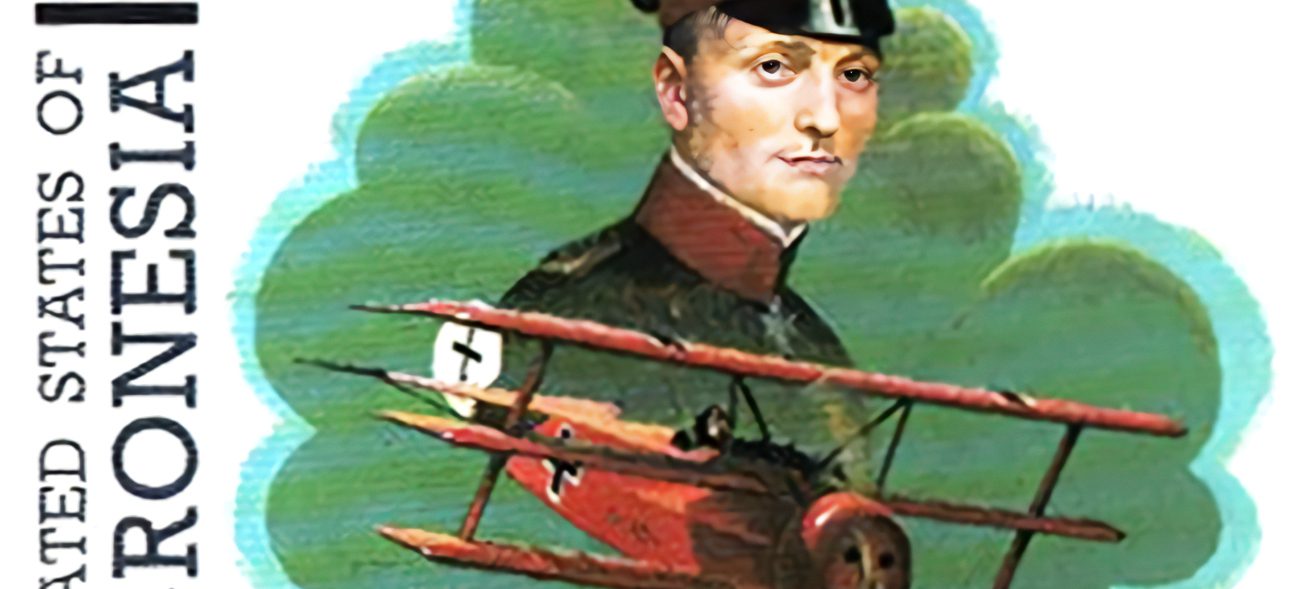
On April 20, 1918, Manfred von Richthofen—known around the world as the Red Baron—shot down his 80th enemy aircraft, setting a record for World War I. Within a day, his remarkable career would come to an abrupt end, cementing his place as the war’s most recognized flying ace.

On April 11, 1919, the International Labour Organization was created, marking a coordinated effort to improve working conditions across countries after World War I. Born out of both wartime strain and postwar planning, it introduced a new idea—that fair labor standards could support lasting peace.