
On April 28, 1971, a major new federal law took effect that changed how workplace safety was enforced in the United States. That date is now observed as Workers’ Memorial Day, a time to remember those lost at work and to renew the effort to prevent future tragedies.
For much of American history, dangerous jobs were accepted as part of daily life. In mines, mills, rail yards, factories, and construction sites, workers often faced toxic dust, unsafe machinery, falls, explosions, and fires. Employers often did not take safety seriously when it reduced profits. Before the 20th century, there were few national rules. Injured workers typically had little legal protection. Families who lost a wage earner could be left in poverty.

Industrial growth in the late 1800s and early 1900s made the problem more visible. One of the worst disasters came in 1911, when the Triangle Shirtwaist Factory Fire killed 146 garment workers in New York City, many of them young immigrant women. Locked exits, poor fire escapes, and unsafe conditions shocked the nation. The tragedy helped drive new labor and fire safety laws.
Even with reforms, workplace deaths remained high for decades. By the 1960s, the American economy had millions of workers in manufacturing, chemical plants, shipyards, farms, and construction. New machinery improved production, but hazards remained severe. Exposure to asbestos, benzene, lead, coal dust, and other substances caused chronic illness as well as sudden accidents. Safety rules differed widely from state to state, and enforcement was uneven.
Congress responded by passing the Occupational Safety and Health Act of 1970. President Richard Nixon signed it into law on December 29, 1970. The law officially went into effect on April 28, 1971.
The act declared that employers must provide workers with employment “free from recognized hazards” likely to cause death or serious physical harm. This became known as the General Duty Clause. The law also created the Occupational Safety and Health Administration, commonly called OSHA, within the US Department of Labor. OSHA was given power to inspect workplaces, issue citations, and require corrections.
The same law also created the National Institute for Occupational Safety and Health, or NIOSH. Unlike OSHA, which enforces rules, NIOSH focuses on research, hazard studies, training, and recommendations. Together, the two agencies formed a new national system for worker protection.
Early OSHA standards addressed machine guarding, ladders, scaffolds, electrical hazards, sanitation, protective equipment, and recordkeeping. Over time, rules expanded to include bloodborne pathogens, trench safety, grain handling, fall protection, respirators, and exposure limits for dangerous substances. Inspectors could enter many workplaces without advance notice, a major change from earlier practice.
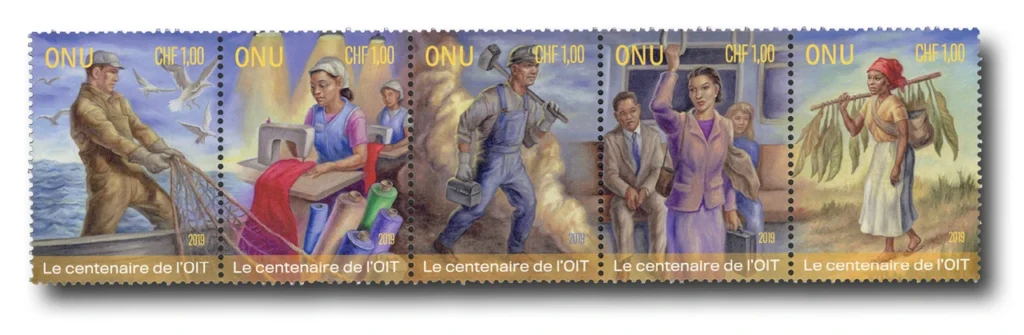
The results have been significant. In 1970, an estimated 14,000 workers were killed on the job in the United States, when the workforce was far smaller than today. In 2023, 5,283 workers died from workplace injuries, despite a labor force more than twice as large. Fatal injury rates have fallen sharply, though serious risks remain. Many experts credit safer equipment, better training, stronger standards, workers’ compensation systems, unions, and federal enforcement for the decline.
Yet danger has not disappeared. Construction falls, transportation crashes, agricultural incidents, warehouse injuries, and industrial explosions still claim lives each year. Long-term exposures can also be deadly. Diseases linked to silica dust, asbestos, chemicals, and heat stress remain serious concerns. New risks, such as repetitive strain injuries and extreme heat tied to changing climate conditions, continue to challenge employers and regulators.
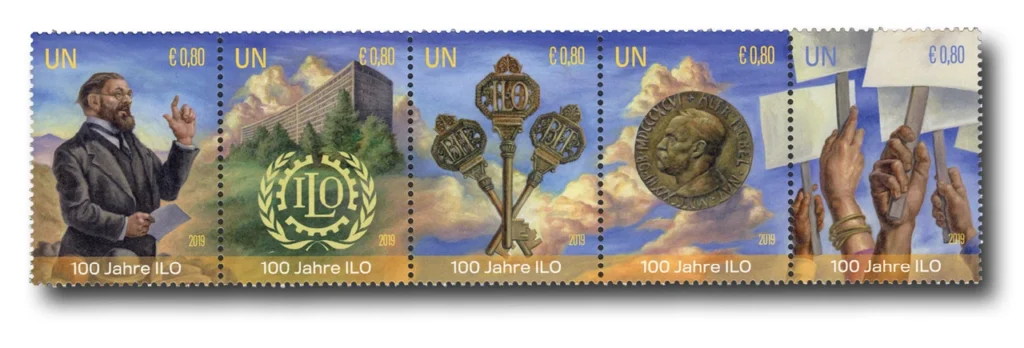
Workers’ Memorial Day was established in 1989 by the AFL-CIO. The date was chosen because it marks the day OSHA took effect. Memorial ceremonies often include reading the names of workers who died during the past year, candlelight vigils, moments of silence, and calls for stronger protections.
The observance carries two messages at once. It honors people whose lives ended while earning a living, and it reminds the public that most workplace deaths are preventable. Safety rules, proper staffing, training, protective gear, and a culture that values speaking up can save lives. It is a reminder that every worker should expect to come home alive.
| FREE printable This Day in History album pages Download a PDF of today’s article. Get a binder or other supplies to create your This Day in History album. |
Discover what else happened on This Day in History.