
Birth of Maud Lewis
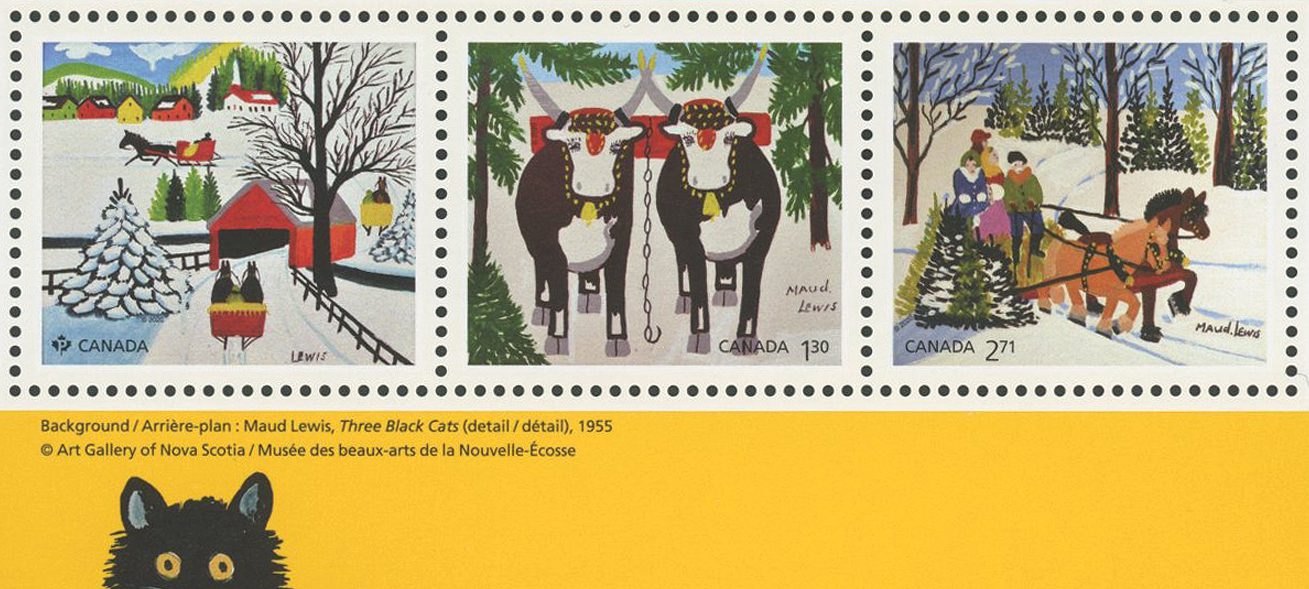
On March 7, 1903, Maud Lewis was born in South Ohio, Nova Scotia. Few could have guessed that this child, who would face lifelong physical pain and poverty, would become one of Canada’s most recognized folk artists.
On February 23, 1942, millions of Americans were gathered around their radios listening to President Franklin D. Roosevelt’s fireside chat. At almost the same moment — 7:15 p.m. Pacific time — a Japanese submarine surfaced one mile off the California coast and began shelling an oil field near Santa Barbara. The war had just arrived on the American mainland.
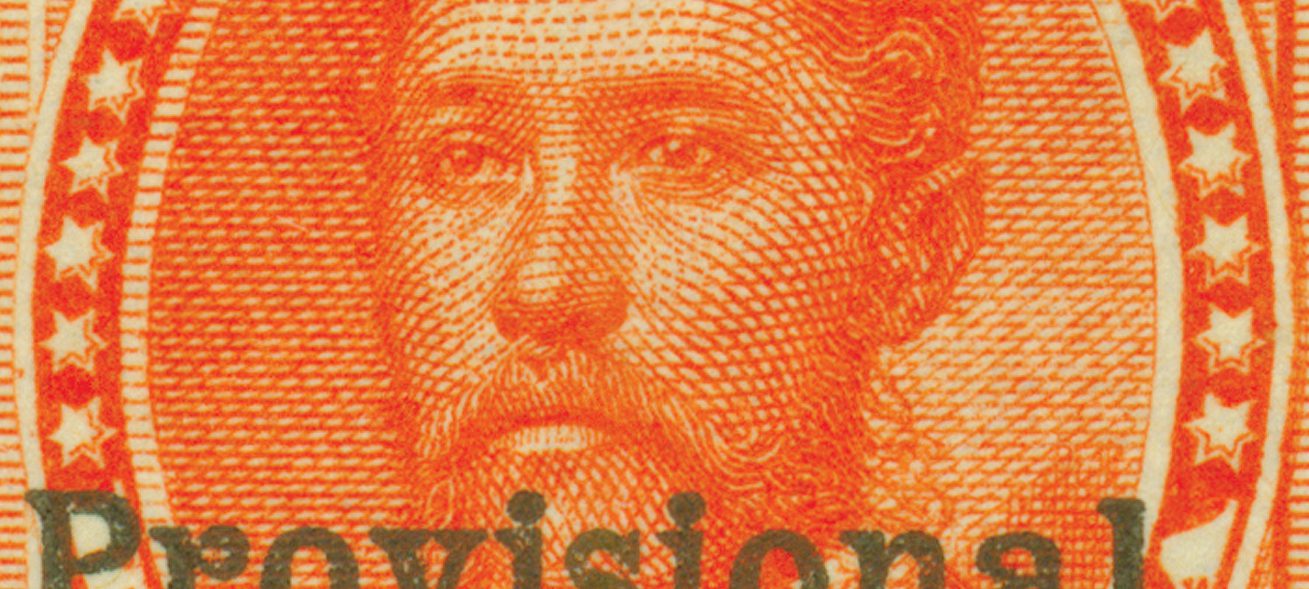
On January 31, 1835, William Charles Lunalilo was born in Honolulu, a future ruler whose path to the throne would be decided by the people…
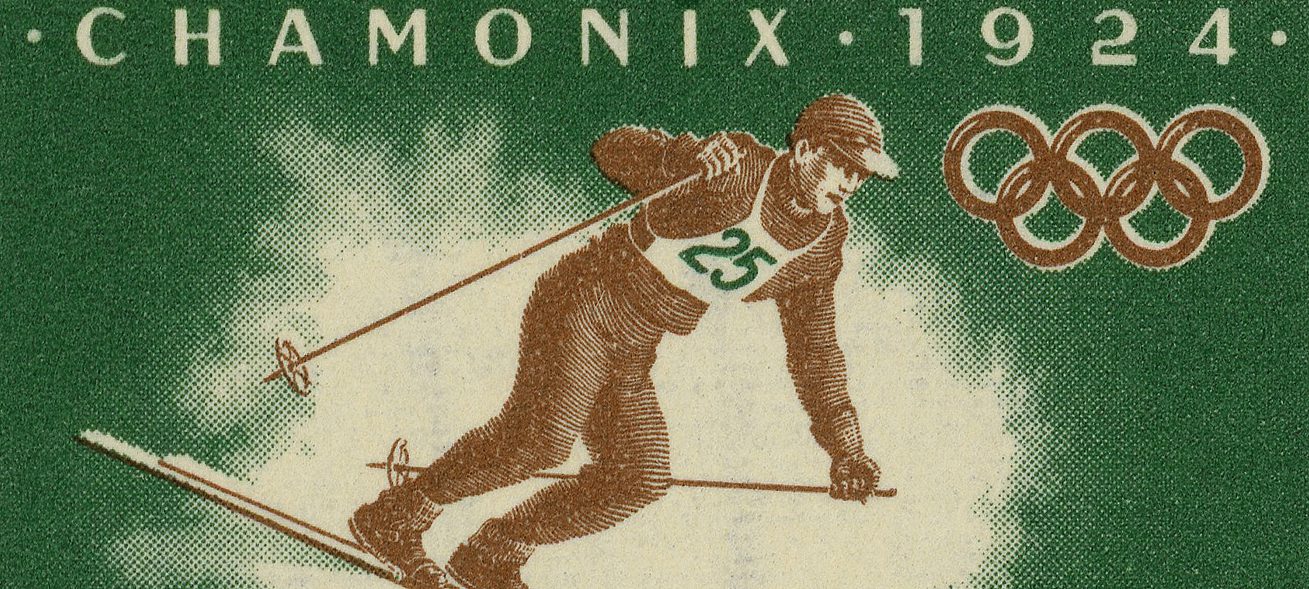
On January 25, 1924, the first-ever Winter Olympic Games opened in Chamonix, France, bringing together athletes from across the globe to compete on snow and ice. These historic games laid the foundation for a new Olympic tradition, showcasing winter sports in a way never done before.
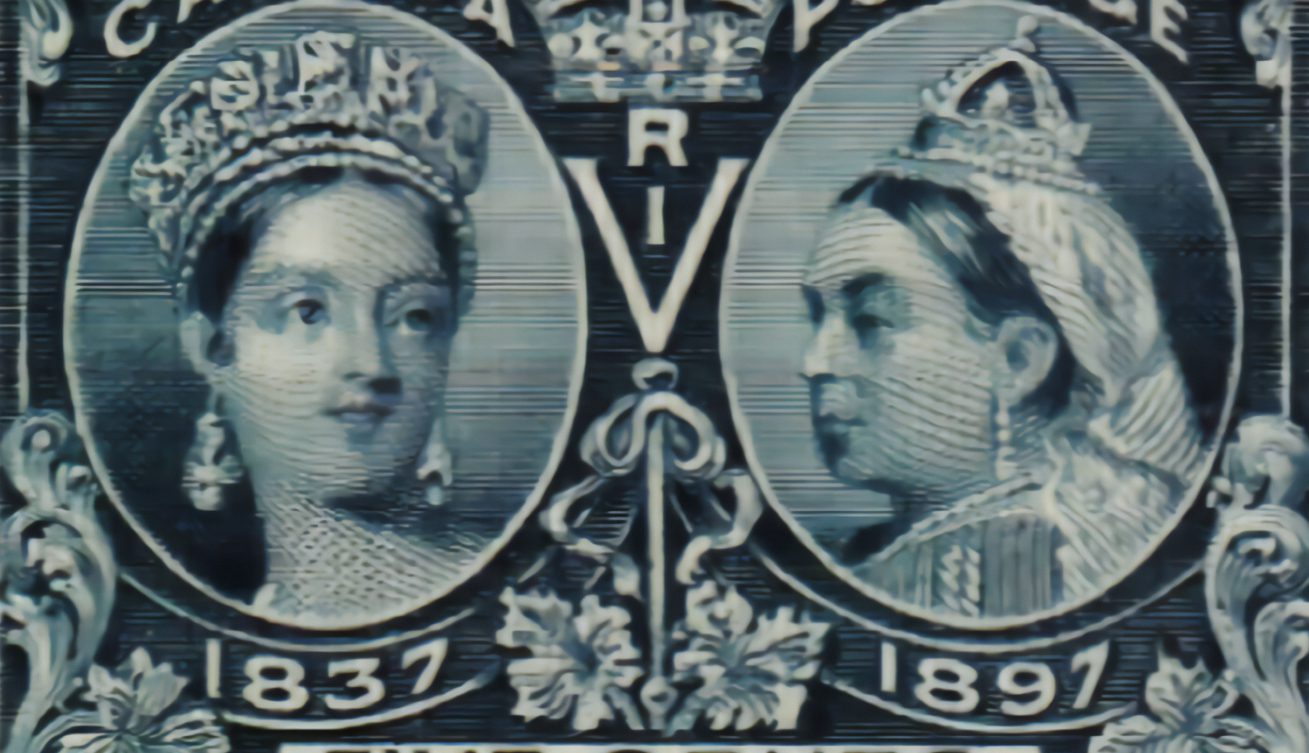
On January 22, 1901, Queen Victoria—the longest-reigning British monarch of her era—died after more than six decades on the throne, closing a chapter that reshaped Britain and the modern world. Her life and reign were so influential that her image would go on to appear on countless postage stamps, helping establish a tradition that continues with British monarchs today.
On January 21, 1915, a small meeting in Detroit, Michigan sparked a global movement built on service and friendship. What began on that winter day would grow into Kiwanis International, an organization dedicated to improving communities and helping children around the world.
On December 20, 1812, Jacob and Wilhelm Grimm published the first volume of Children’s and Household Tales, a collection that would later become famous around the world as Grimm’s Fairy Tales. What began as a scholarly project to preserve German folklore soon grew into one of the most influential books in literary history.
On December 19, 1843, Charles Dickens published A Christmas Carol, a small book that would become one of the most famous holiday stories ever written. Released just days before Christmas, the tale of Ebenezer Scrooge and his ghostly visitors captured the spirit of the season—and the conscience of Victorian England. Though Dickens was already a well-known author, few could have predicted that this short Christmas book would become his most enduring work, shaping how Christmas itself is celebrated and remembered.
On December 18, 1918, war-torn and recently independent Latvia issued its first stamps, printed on the back of German military maps.