“V” for Victory Campaign
On July 19, 1941, British Prime Minister Winston Churchill officially established the “V” for Victory campaign. The letter “V” became a rallying cry for people in occupied nations as well as Germans who opposed the Nazis.
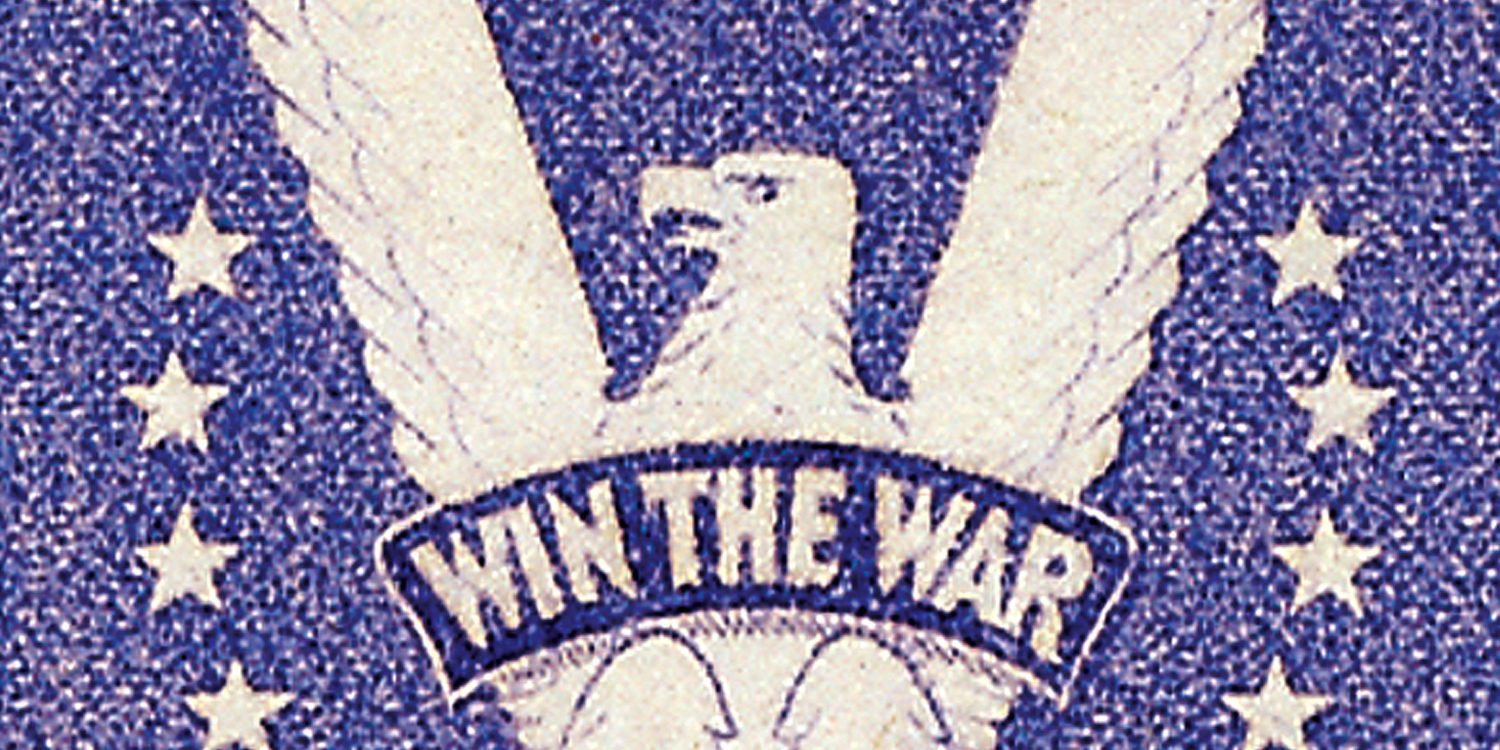
On July 19, 1941, British Prime Minister Winston Churchill officially established the “V” for Victory campaign. The letter “V” became a rallying cry for people in occupied nations as well as Germans who opposed the Nazis.
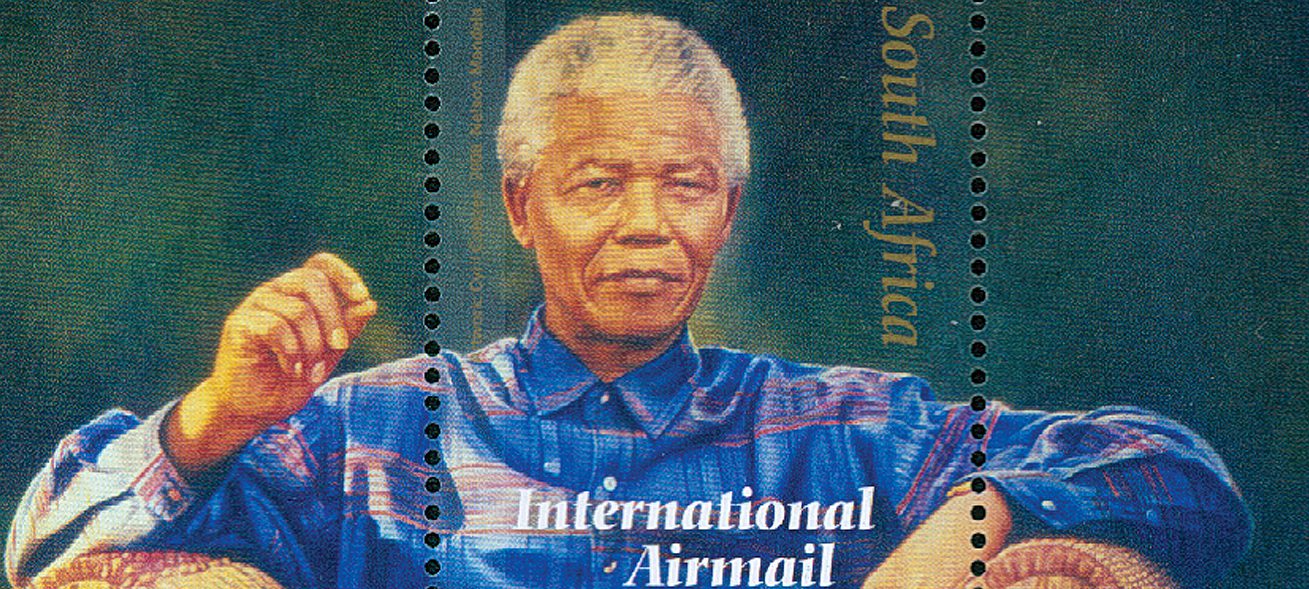
Nelson Rolihlahla Mandela was born on July 18, 1918, in Mvezo, Cape Province, South Africa. His long struggle against apartheid would carry him from prison to the presidency and make him a worldwide symbol of reconciliation and democratic change.

On July 17, 1987, the USPS issued its first joint issue with Morocco, commemorating 200 years of diplomatic relations.
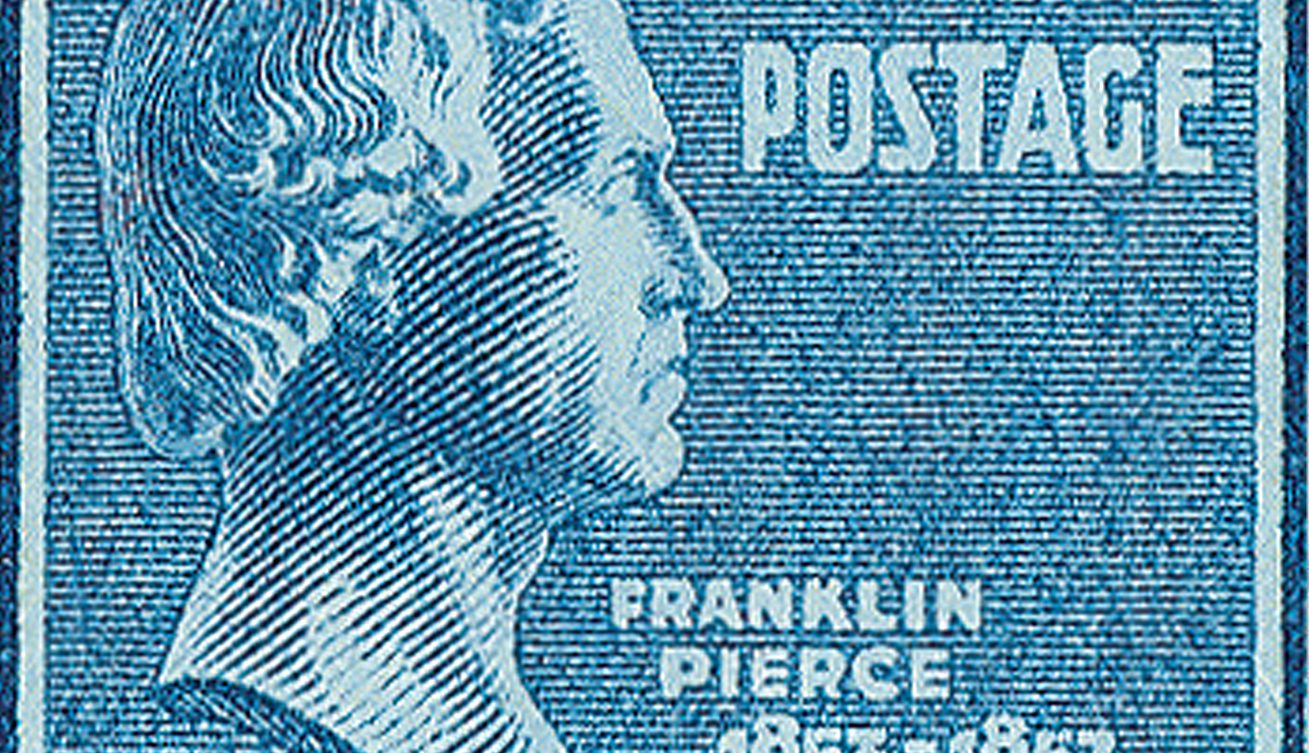
On July 14, 1853, President Franklin Pierce opened a glass-and-iron palace in New York City filled with machinery, art, and manufactured goods from around the world. The Exhibition of the Industry of All Nations became the first major world’s fair in the United States and tested whether New York could rival London as a center of industry and culture.
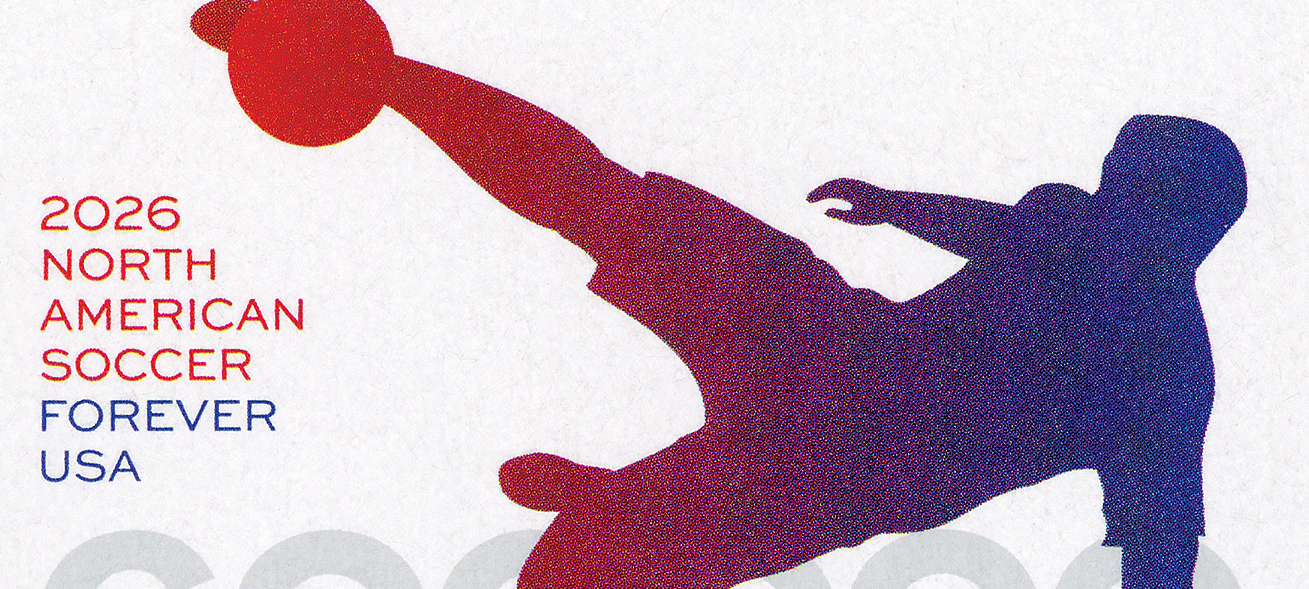
On July 13, 1930, the inaugural FIFA World Cup began in Montevideo, Uruguay. Thirteen national teams gathered for a new competition designed to determine soccer’s world champion outside the Olympic Games.
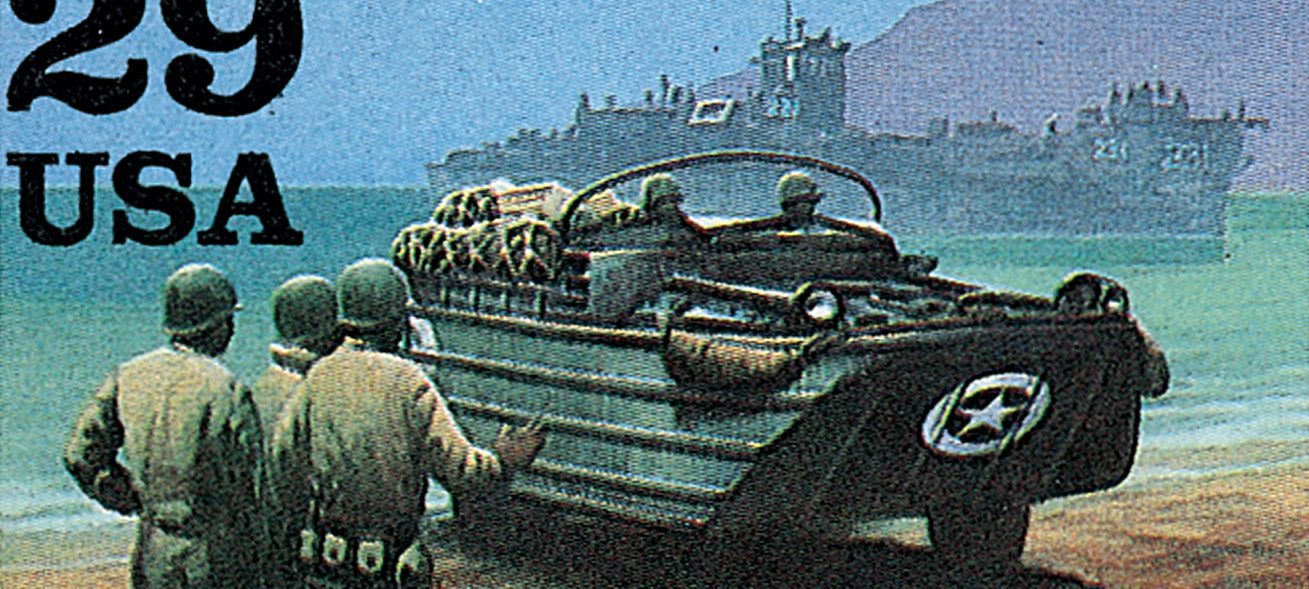
On July 10, 1943, the Allies launched Operation Husky, the invasion of Sicily, with troops dropping from the sky and ships crowding the coast. The attack opened the road to mainland Italy, but it also showed how hard the next stage of the war would be.
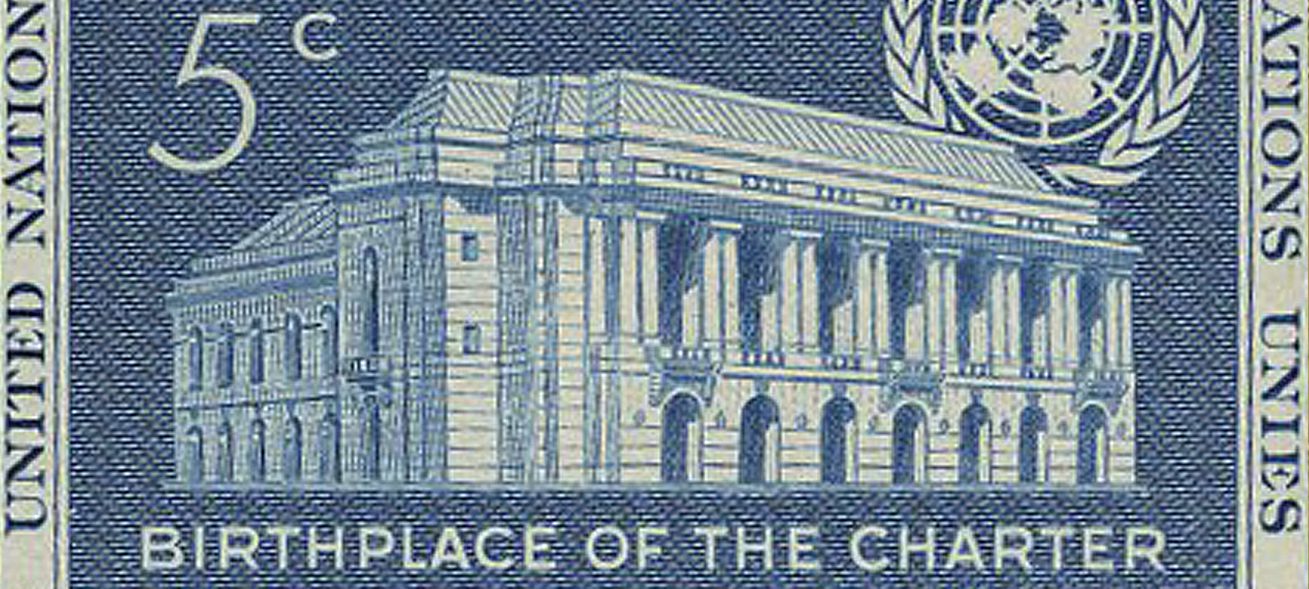
On June 26, 1945, 50 nations signed the United Nations Charter. After two world wars in less than 30 years, their goal was not to create a perfect world, but to build a place where nations could confront crises before they became another global war.

On June 16, 1963, Valentina Tereshkova became the first woman in space. The 26-year-old former textile worker circled Earth 48 times during a demanding solo flight that lasted nearly three days.

On May 12, 1820, nurse and social reformer Florence Nightingale was born in Florence, Tuscany, Italy. Her work during the Crimean War made her famous – but she’s best remembered today for her efforts to make health care safer. Her birthday later became a lasting day of recognition for health care, inspiring observances such as International Nurses Day and the original National Hospital Day.