
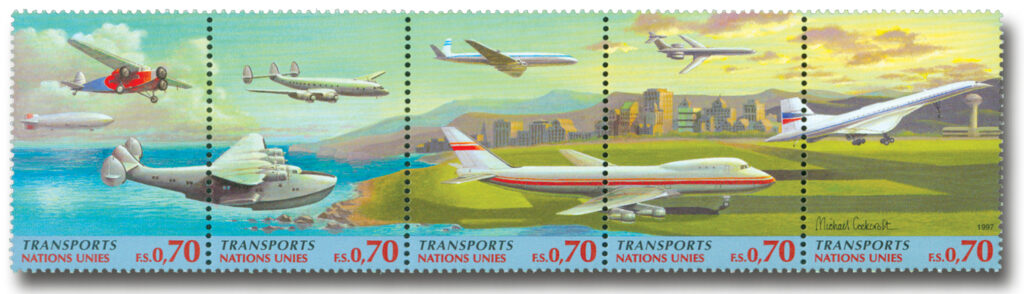
On May 2, 1952, the world’s first commercial jet airliner, the de Havilland Comet 1, began its maiden airline service from London to Johannesburg. The flight opened a new chapter in passenger travel, showing that jet power could move paying customers faster and higher than piston-engine airliners. Commercial aviation entered the jet age.
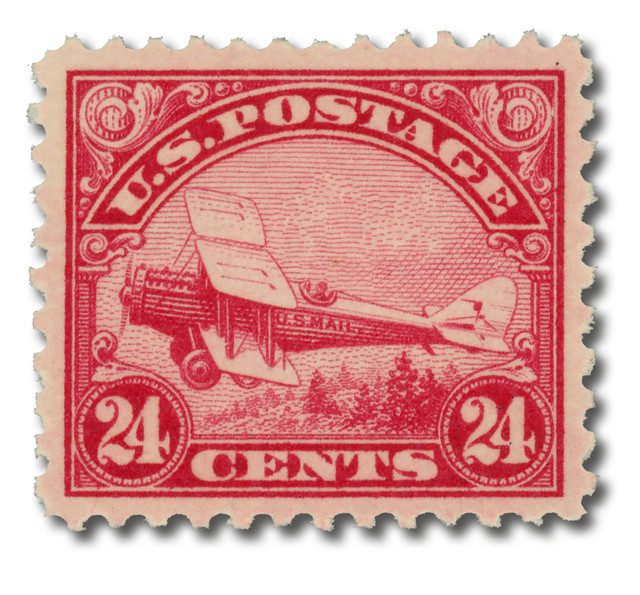
The Comet was built by de Havilland Aircraft Company in Britain after World War II. During the late 1940s, airlines still relied on large propeller-driven aircraft such as the Douglas DC-4 and Lockheed Constellation. These planes were dependable, but they were slower, noisier, and usually flew at lower altitudes where weather could be rougher. British engineers believed turbojet engines could change civil aviation just as they had changed military aircraft.
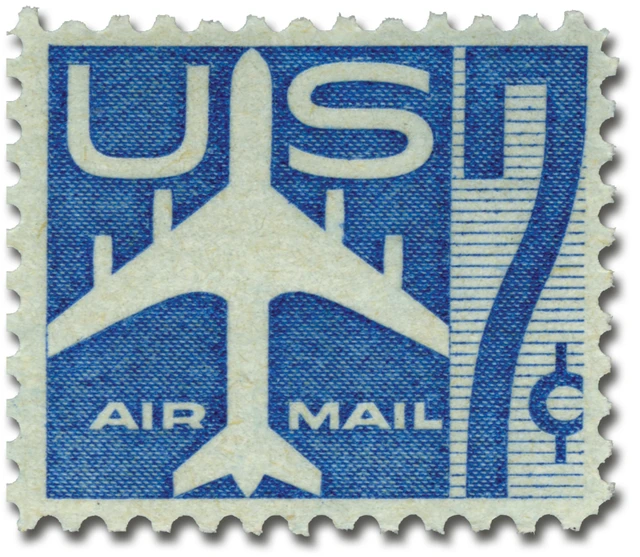
Development of the Comet began in 1946 under a government-backed program known as the Brabazon Committee plan, which studied Britain’s postwar aviation needs. Chief designer Ronald Bishop and his team created a sleek aircraft with four jet engines buried in the wing roots, a pressurized cabin, and a clean aerodynamic shape. It had large square windows, a feature that later became historically important.
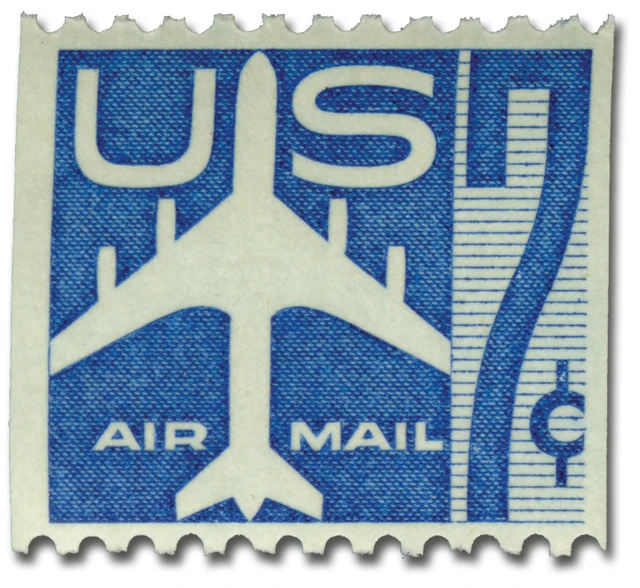
The prototype Comet first flew in 1949. Test flights showed impressive performance. The aircraft cruised much faster than propeller airliners and could climb to around 40,000 feet, above much weather and turbulence. Passengers would also benefit from reduced vibration because there were no large piston engines turning propellers outside the cabin.
The first airline customer was British Overseas Airways Corporation, better known as BOAC. The airline prepared crews, maintenance teams, and routes for the new aircraft. On May 2, 1952, BOAC launched the first scheduled jet passenger service using the Comet 1. The route linked London to Johannesburg, then one of the important long-distance routes of the British air network.
The aircraft departed from London Airport. Because early jets had limited range compared with later models, the trip required fuel stops. Typical stops on the route included Rome, Beirut, Khartoum, Entebbe, and Livingstone before reaching Johannesburg. Even with stops, the jet cut travel time compared with many piston services.
For travelers in 1952, the experience felt modern and exclusive. The Comet carried fewer passengers than later jumbo jets, but its cabin was stylish and comfortable. Seats were arranged with more space than many later economy cabins. Large windows gave passengers a better view. Cabin attendants served meals with the polished formality common to long-distance air travel of the era.
The Comet quickly attracted worldwide attention. Airlines and governments saw that jet transport was no longer theoretical. The Soviet Union, the United States, and other countries accelerated their own jetliner plans. American manufacturers were already studying designs that would later become the Boeing 707 and Douglas DC-8.
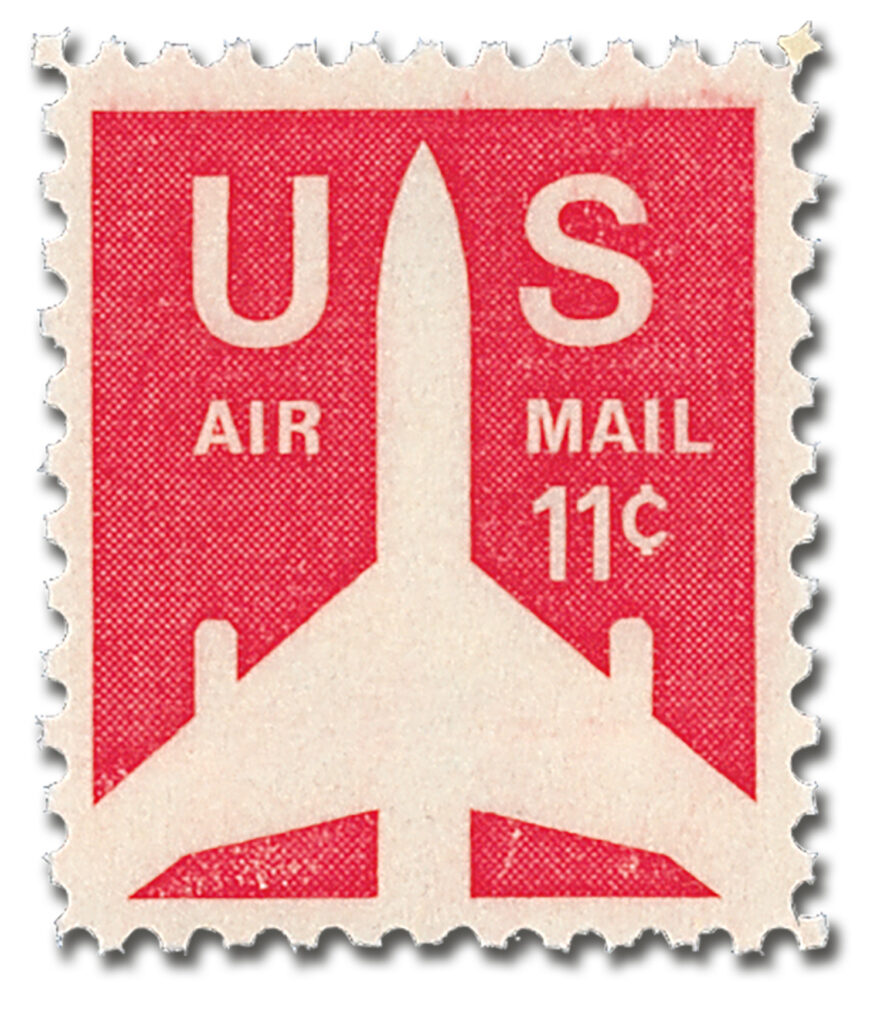
Yet the Comet story soon turned difficult. In 1953 and 1954, several Comet aircraft were lost in accidents, including breakups in flight. Investigators eventually determined that repeated pressurization cycles caused metal fatigue around stress points in the fuselage, especially near the square window corners and some cutouts. This was a major engineering lesson in the early jet age.
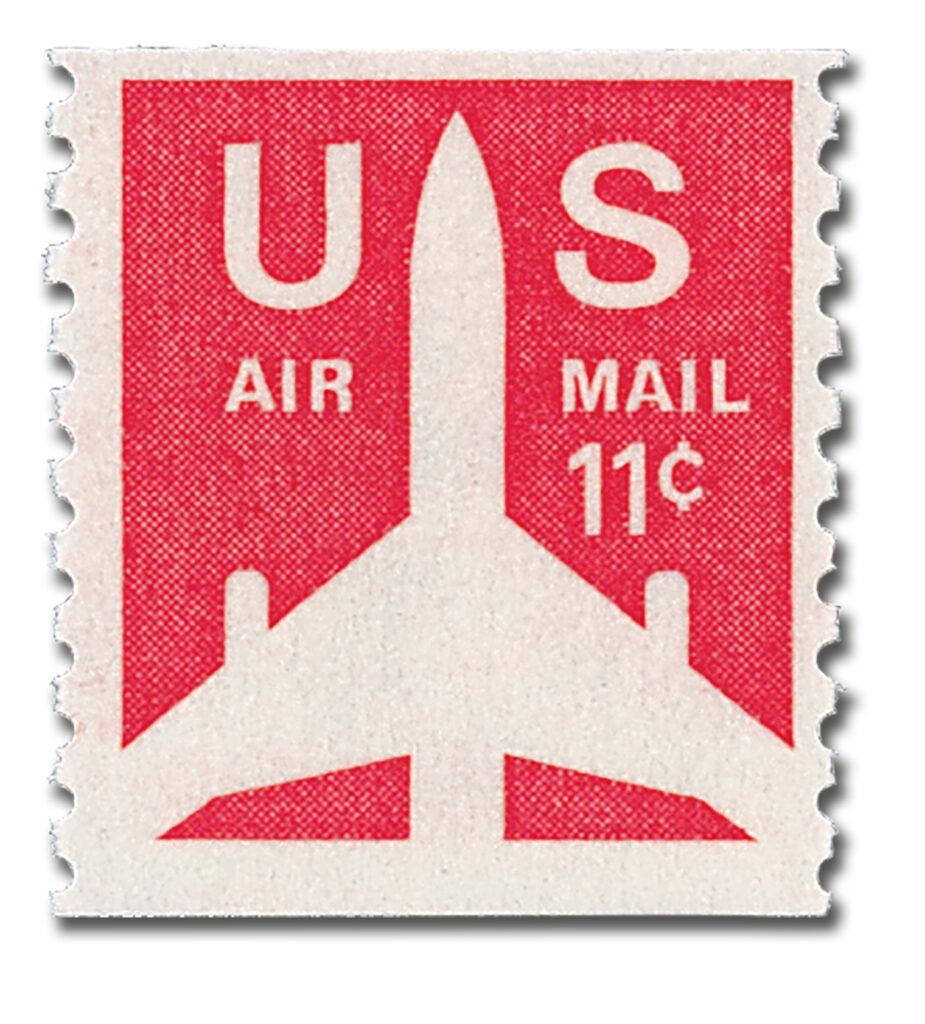
British investigators carried out one of the most important accident inquiries in aviation history. A Comet fuselage was placed in a water tank and repeatedly pressurized to recreate the failure. The findings changed aircraft design standards around the world. Future jetliners used stronger structures, better fatigue testing, and rounded windows that distributed stress more safely.
The Comet returned in redesigned versions such as the Comet 4, which entered transatlantic service in 1958. By then, newer American jets had entered the market, but the Comet had already secured its place in history.
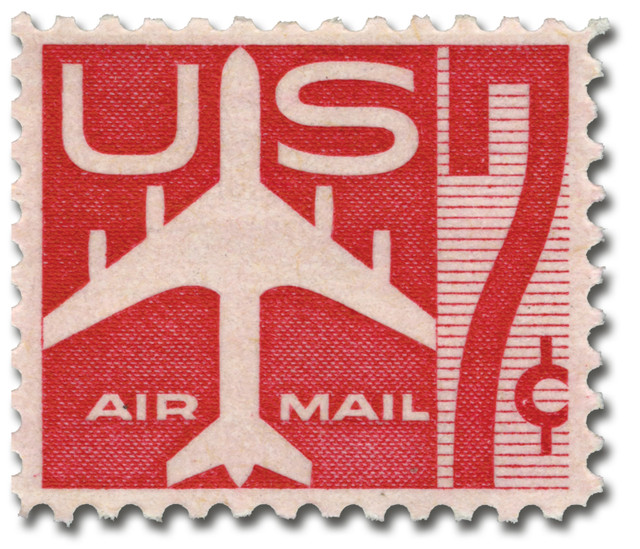
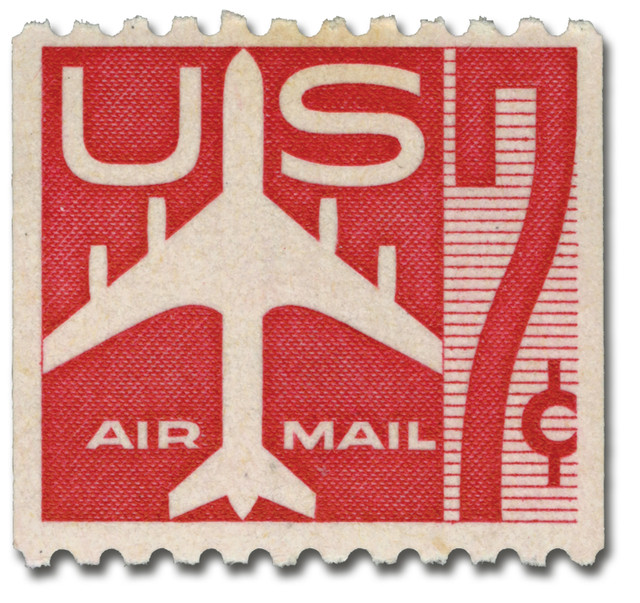
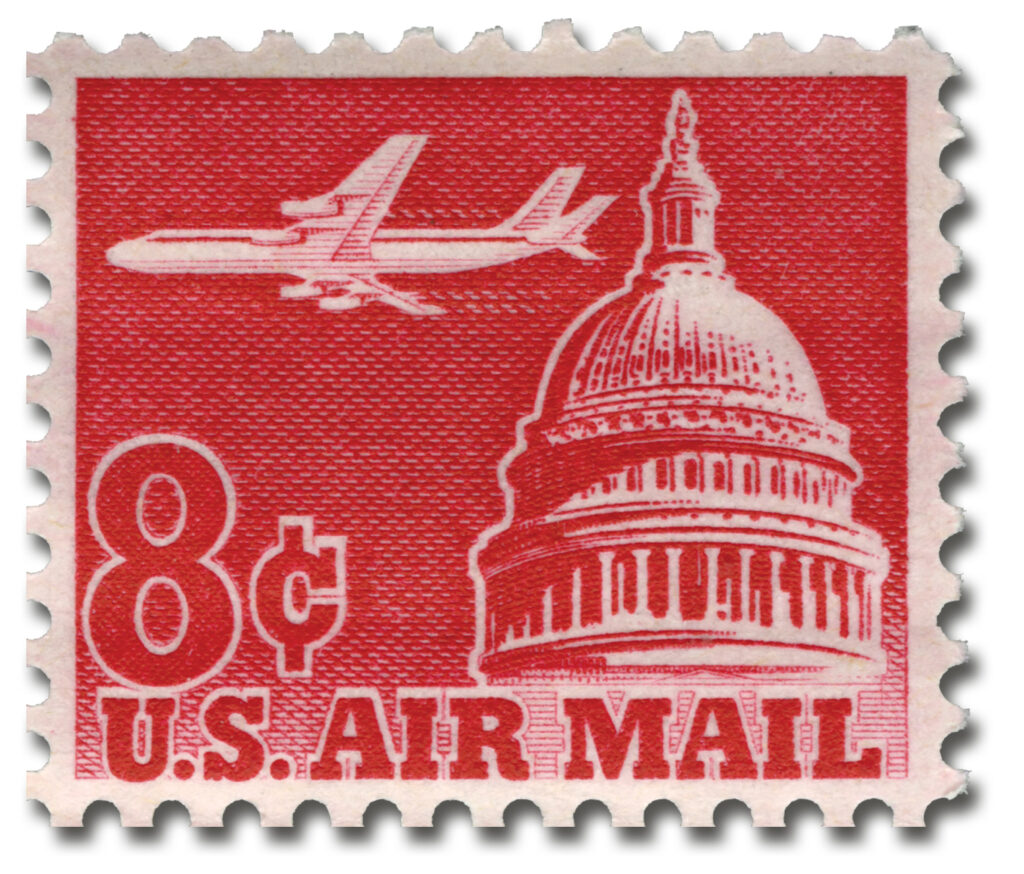
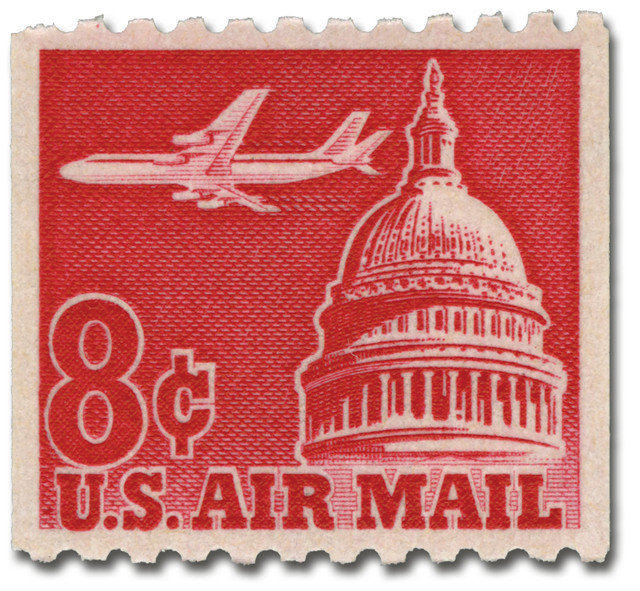
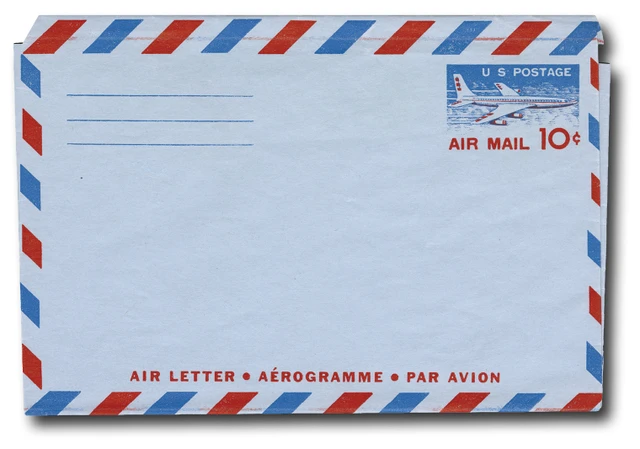
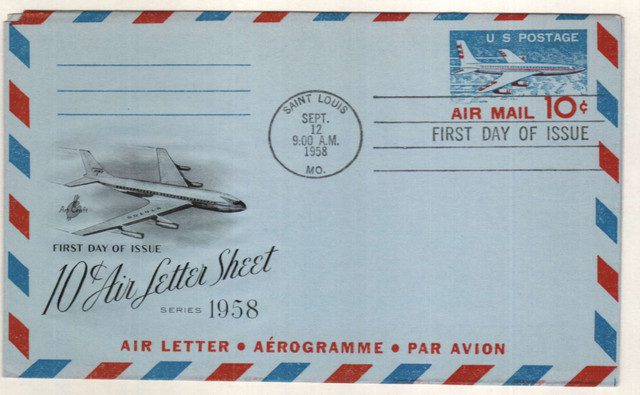
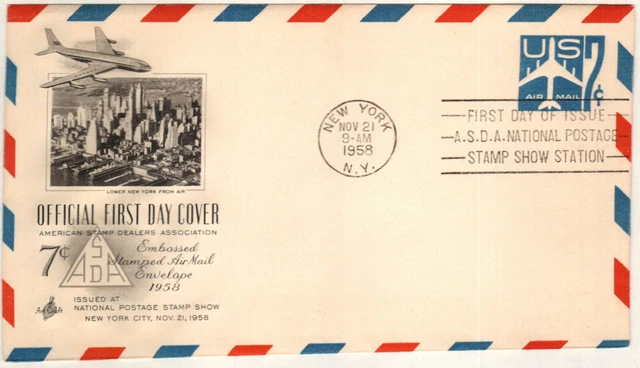
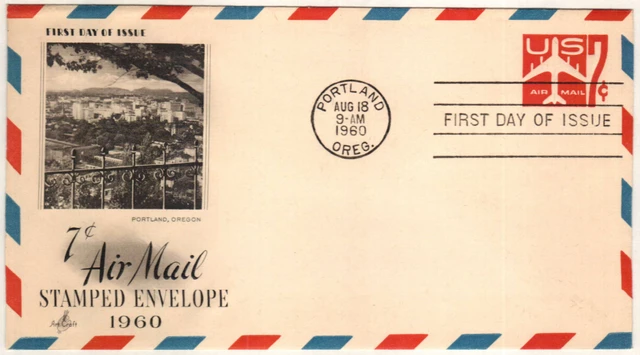
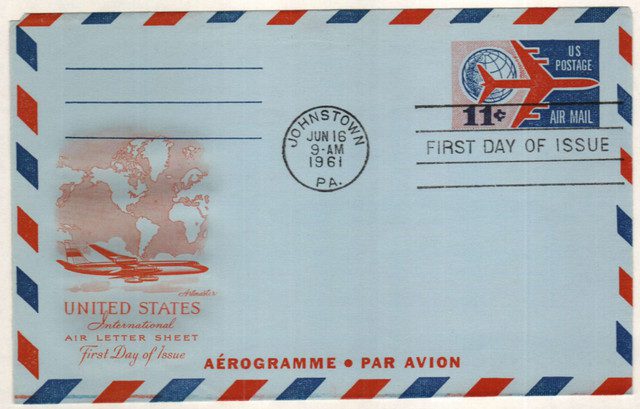
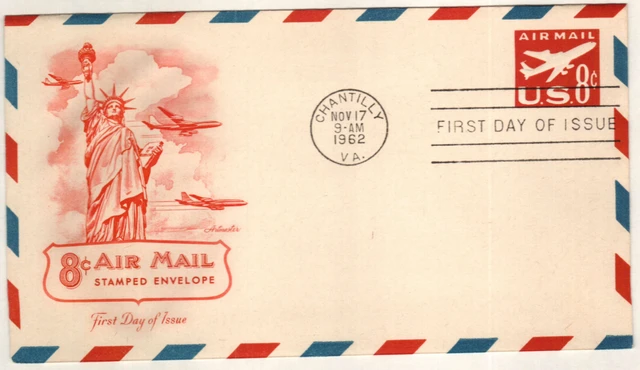
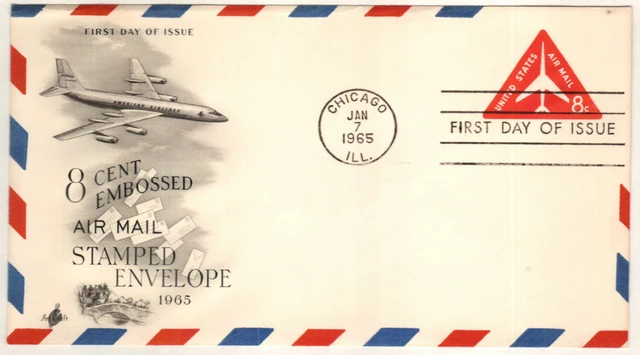
The US also issued several Jet Airliner stamped envelopes:
| FREE printable This Day in History album pages Download a PDF of today’s article. Get a binder or other supplies to create your This Day in History album. |
Discover what else happened on This Day in History.