
Death of Nathaniel Hawthorne
American novelist Nathaniel Hawthorne died on May 19, 1864, while on a trip with former president Franklin Pierce to the White Mountains in New Hampshire.
Lyman Frank Baum was born on May 15, 1856, in Chittenango, New York, about 30 miles from Mystic’s home in Camden. Long before he created Dorothy, Toto, and the Yellow Brick Road, Baum followed a winding path through printing, stamps, poultry, theater, newspapers, sales work, and children’s books.
On April 27, 1945, a boy named Frederick August Kittel Jr. was born in a two-room apartment in Pittsburgh’s Hill District. No one in that neighborhood could have guessed he would one day have a Broadway theater named after him. He would grow up to become August Wilson, one of the most celebrated playwrights in American history.
On April 17, 1897, playwright and novelist Thornton Wilder was born in Madison, Wisconsin. Over the next several decades, he would become one of America’s most respected writers, known for works that explored everyday life with unusual clarity and structure.
Acclaimed author John Steinbeck was born on February 27, 1902, in Salinas, California. From that small farming town would come a writer whose novels captured the struggles of migrant workers, ranch hands, and families uprooted by the Great Depression.
On February 18, 1885, American readers finally got their hands on a novel that captured the raw voice and restless spirit of life along the river. The long-awaited US release of Huckleberry Finn introduced a bold storytelling style that reflected real speech, real conflict, and a complicated nation still wrestling with its past.
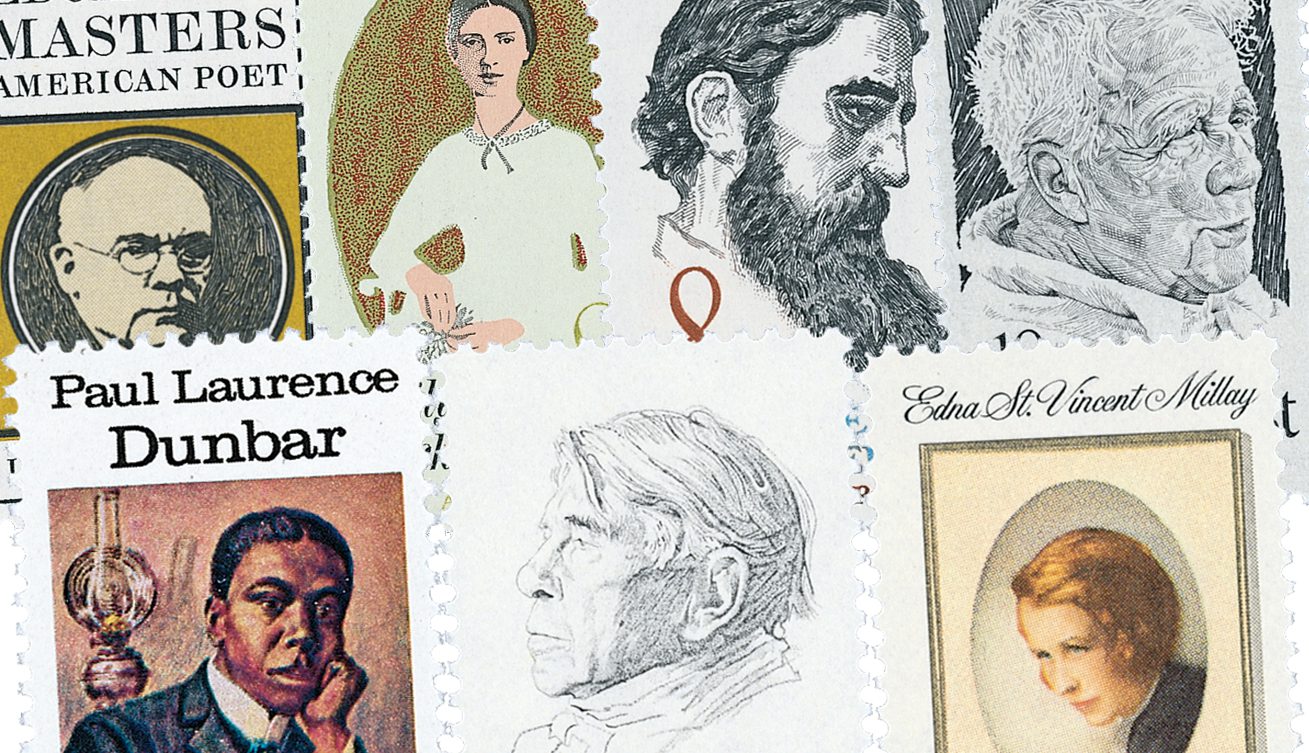
On January 20, 1961, John F. Kennedy took the oath of office on a cold Washington day, while the nation witnessed something entirely new at a presidential inauguration. Standing beside the youthful new president was Robert Frost, America’s most famous living poet, marking the first time poetry became part of the inaugural ceremony.
On December 20, 1812, Jacob and Wilhelm Grimm published the first volume of Children’s and Household Tales, a collection that would later become famous around the world as Grimm’s Fairy Tales. What began as a scholarly project to preserve German folklore soon grew into one of the most influential books in literary history.
On December 19, 1843, Charles Dickens published A Christmas Carol, a small book that would become one of the most famous holiday stories ever written. Released just days before Christmas, the tale of Ebenezer Scrooge and his ghostly visitors captured the spirit of the season—and the conscience of Victorian England. Though Dickens was already a well-known author, few could have predicted that this short Christmas book would become his most enduring work, shaping how Christmas itself is celebrated and remembered.