
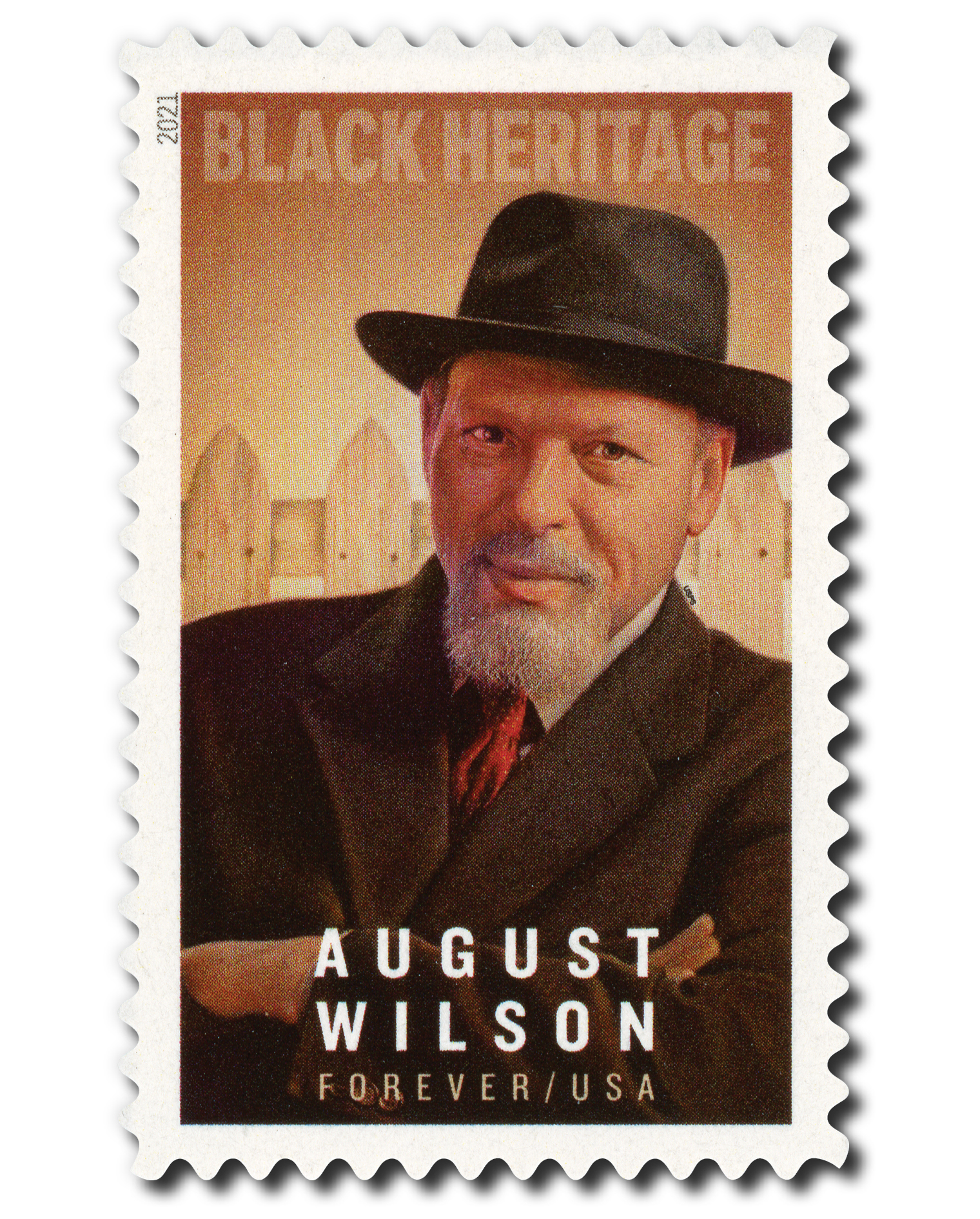
On April 27, 1945, a boy named Frederick August Kittel Jr. was born in a two-room apartment in Pittsburgh’s Hill District. No one in that neighborhood could have guessed he would one day have a Broadway theater named after him. He would grow up to become August Wilson, one of the most celebrated playwrights in American history.
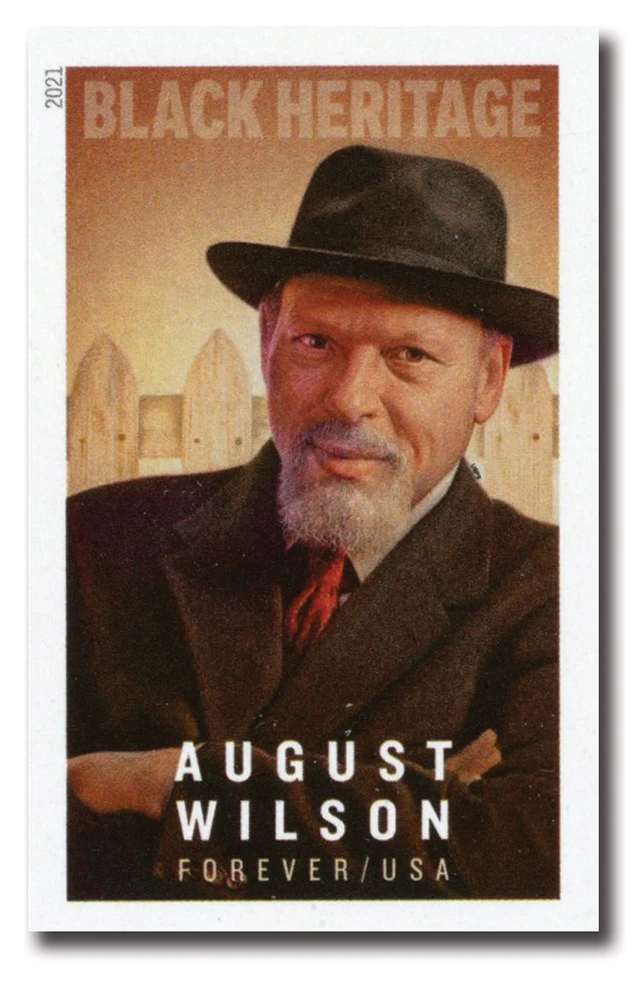
The Hill District was an ethnically diverse neighborhood where his family lived in two rooms with an outdoor toilet and no hot water. His mother, Daisy Wilson, was Black; his father, Frederick Kittel, was a German immigrant baker who was mostly absent from the family. Daisy supported her children on welfare checks and wages from housecleaning jobs. She later remarried a man named David Bedford, and in 1958 the family moved to the predominantly white suburb of Hazelwood.

The move proved painful. Wilson and his family were the target of racial threats in Hazelwood. At the private Central Catholic High School, he endured constant bullying and transferred to Connelly Trade School, then to Gladstone High School. At Gladstone, a teacher accused him of plagiarizing an excellent paper he had written about Napoleon Bonaparte. Rather than trying to prove himself, he quit school altogether at the age of 15.
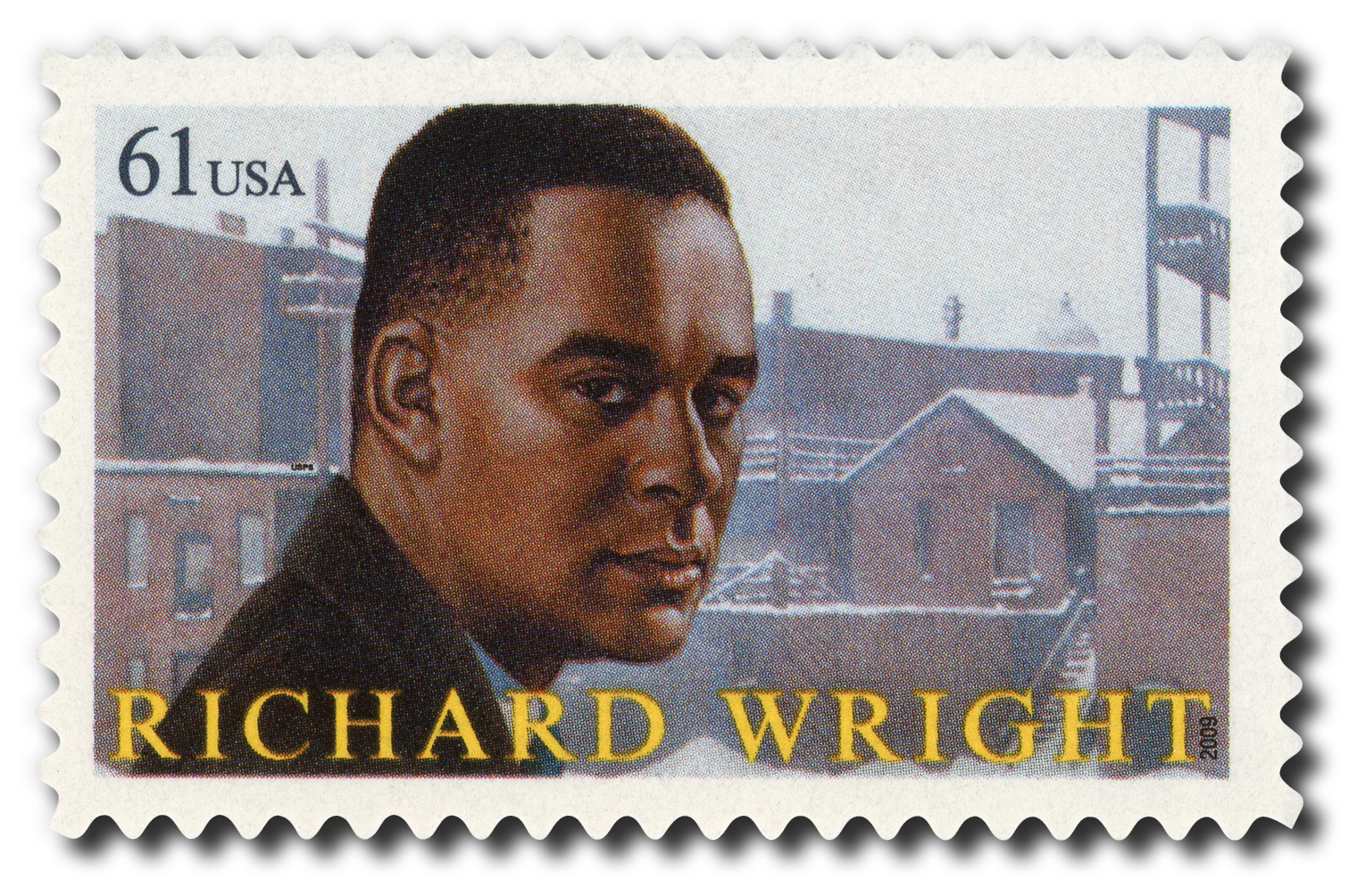
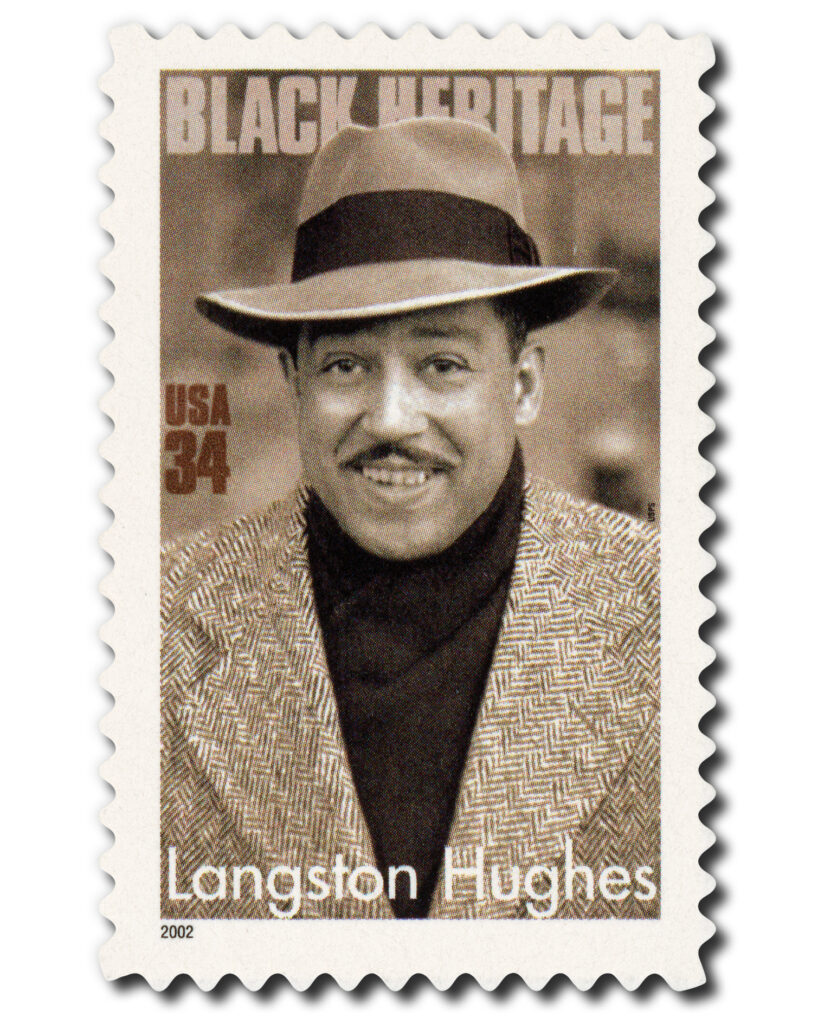
For the next several years, Wilson educated himself at the Carnegie Library of Pittsburgh during school hours, unbeknownst to his mother. He read Ralph Ellison, Richard Wright, Langston Hughes, and Arna Bontemps. His fascination with language made him an avid listener, and he soaked up conversations he overheard in coffee shops and on street corners, using the tidbits of conversations to construct stories in his head.
In 1965, after his father’s death, he changed his name to August Wilson to honor his mother. That same year, he made another discovery that would shape everything he wrote. He bought a stolen typewriter for $10 — which he often pawned when money was tight. He worked a variety of jobs, began writing poetry, and discovered Bessie Smith and the blues. At Pittsburgh’s St. Vincent de Paul second-hand store, he uncovered a collection of old records that changed the trajectory of his work. He would later describe the blues as “the best literature that we blacks have created since we’ve been here” and call it “our sacred book.”
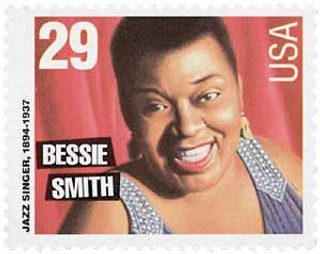
Wilson never formally studied theater. He often explained that he got his education from the “Four Bs”: the blues, the art of painter Romare Bearden, the writing of poet Amiri Baraka, and the writing of poet Jorge Luis Borges.
In 1968, along with his friend Rob Penny, Wilson co-founded the Black Horizon Theater in the Hill District of Pittsburgh. He had no directing experience and no formal training. He recalled finding a book called The Fundamentals of Play Directing at the library and simply checking it out. After moving to St. Paul, Minnesota in 1978, he began writing in earnest. His play Ma Rainey’s Black Bottom was accepted by the National Playwrights Conference in 1982, where he met Lloyd Richards, the dean of the Yale School of Drama. Richards directed the first six of Wilson’s Broadway productions.

The work that followed was unlike anything American theater had seen. Wilson’s ten-play Pittsburgh Cycle — one play for each decade of the 20th century — combined historical fact, comedy and gritty realism with spiritual and supernatural elements of African and African American culture. All but one of the plays were set in Pittsburgh. Fences won the Pulitzer Prize and a Tony Award in 1987. The Piano Lesson won a second Pulitzer in 1990. Wilson became one of only seven American playwrights ever awarded two Pulitzer Prizes.
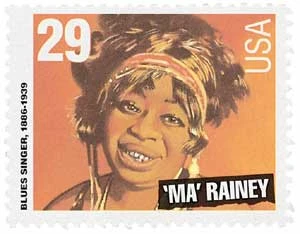
The Carnegie Library of Pittsburgh — the institution that had served as his informal university — later awarded him an honorary high school diploma. After his death from liver cancer on October 2, 2005, the Virginia Theatre on Broadway was renamed the August Wilson Theatre. The boy from the two-room flat had left his name on the street where American theater lives.
| FREE printable This Day in History album pages Download a PDF of today’s article. Get a binder or other supplies to create your This Day in History album. |
Discover what else happened on This Day in History.
Two Pulitzer Prizes and never had a “formal” education? Would never have heard about him without the “Black Heritage” ongoing series of stamps. Next time I watch the movie Fences I will think of this man.
These men and women have enriched our culture
Important black culture that thanks to Mystic I am now aware of. I moved to Pittsburgh 2 years ago.