

On May 18, 1863, the key Siege of Vicksburg began. The fight for this Mississippi River stronghold became one of the longest and most demanding Union operations of the Civil War.
Vicksburg, Mississippi, stood on high bluffs above a sharp bend in the Mississippi River. That position made the city hard to attack and easy to defend. Confederate cannons on the heights could threaten Union vessels trying to pass below. On land, steep ridges, narrow roads, and deep ravines protected the city from direct assault. Because of these defenses, Vicksburg was often called the “Gibraltar of the Confederacy,” a reference to the famous fortress at the entrance to the Mediterranean Sea.
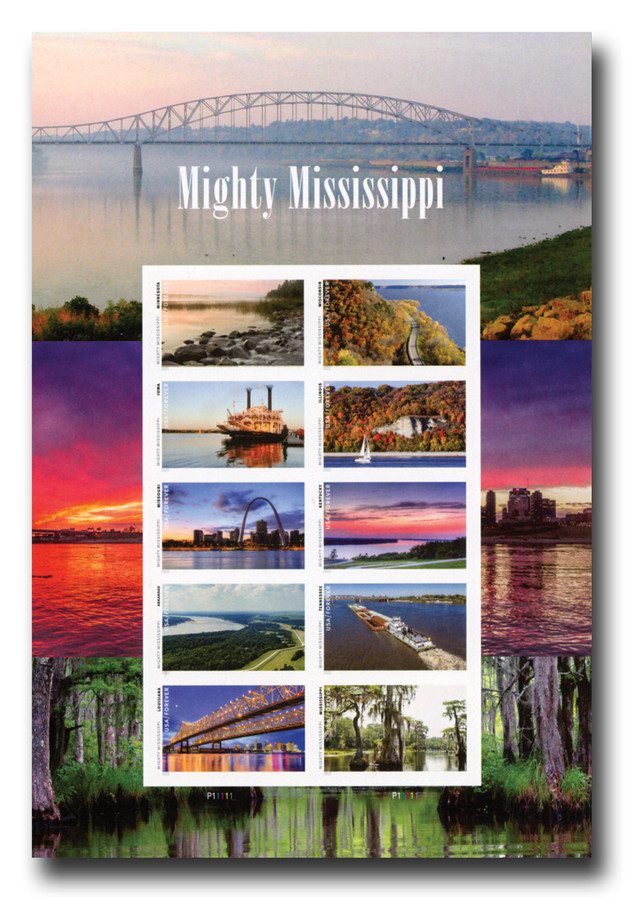
Both sides understood its value. For the Confederacy, Vicksburg helped connect the eastern states with Arkansas, Louisiana, and Texas. Those western areas supplied men, cattle, horses, and food. For the Union, control of Vicksburg would open the Mississippi River and cut the Confederacy in two. President Abraham Lincoln made the point clearly when he said, “Vicksburg is the key.” He believed the war could not be brought to a close until that key was in Union hands.
The Union had already tried to capture the city in 1862. Naval forces bombarded Vicksburg from the river, but the attacks failed to force a surrender. Major General Ulysses S. Grant also tried to approach by land. That effort collapsed after Confederate cavalry raids, including those led by Earl Van Dorn, disrupted Union supply lines in northern Mississippi.
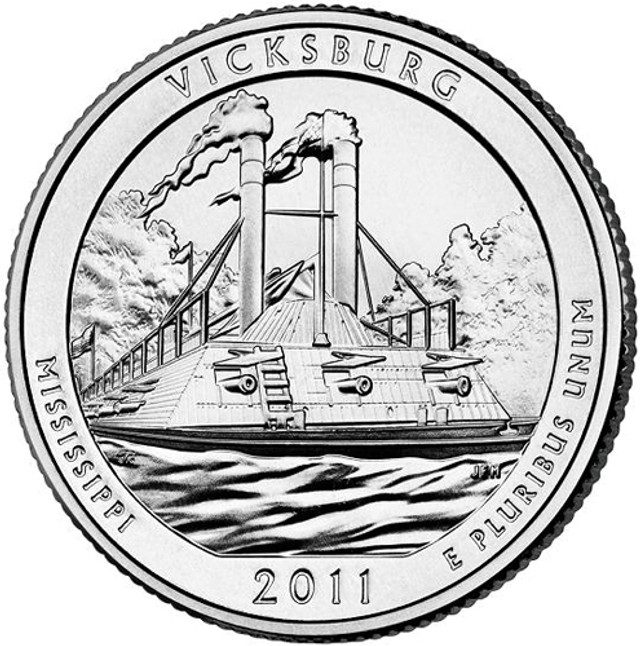
Grant returned in 1863 with a riskier plan. Instead of attacking from the north, he moved his army down the west side of the Mississippi through Louisiana. Union gunboats and transports ran past the Vicksburg batteries at night. Grant then crossed the river south of the city at Bruinsburg, Mississippi, on April 30. From there, he moved inland rather than staying tied to a single supply base.
In just over two weeks, Grant’s Army of the Tennessee marched across Mississippi and won a series of battles. Union troops fought at Port Gibson on May 1, Raymond on May 12, Jackson on May 14, Champion Hill on May 16, and Big Black River Bridge on May 17. Champion Hill was especially damaging to Confederate Lieutenant General John C. Pemberton’s army. After the defeat at Big Black River, Pemberton’s troops retreated into the defenses around Vicksburg.

Grant’s army reached the city on May 18, 1863. The Confederate defenses formed a long semicircle around Vicksburg, anchored on the Mississippi River. Forts, trenches, artillery positions, and rifle pits protected the approaches. Pemberton’s men had the advantage of prepared works, but they were now trapped inside the city.
Grant did not wait long. On May 19, Union troops attacked the northeastern part of the line, especially near the Stockade Redan. They were met by heavy fire and driven back. Grant tried again on May 22 after several hours of artillery bombardment. This time, the assault was larger and involved more of the Union army. It also failed. The cost was high, with thousands of Union soldiers killed, wounded, or missing in the two attacks.
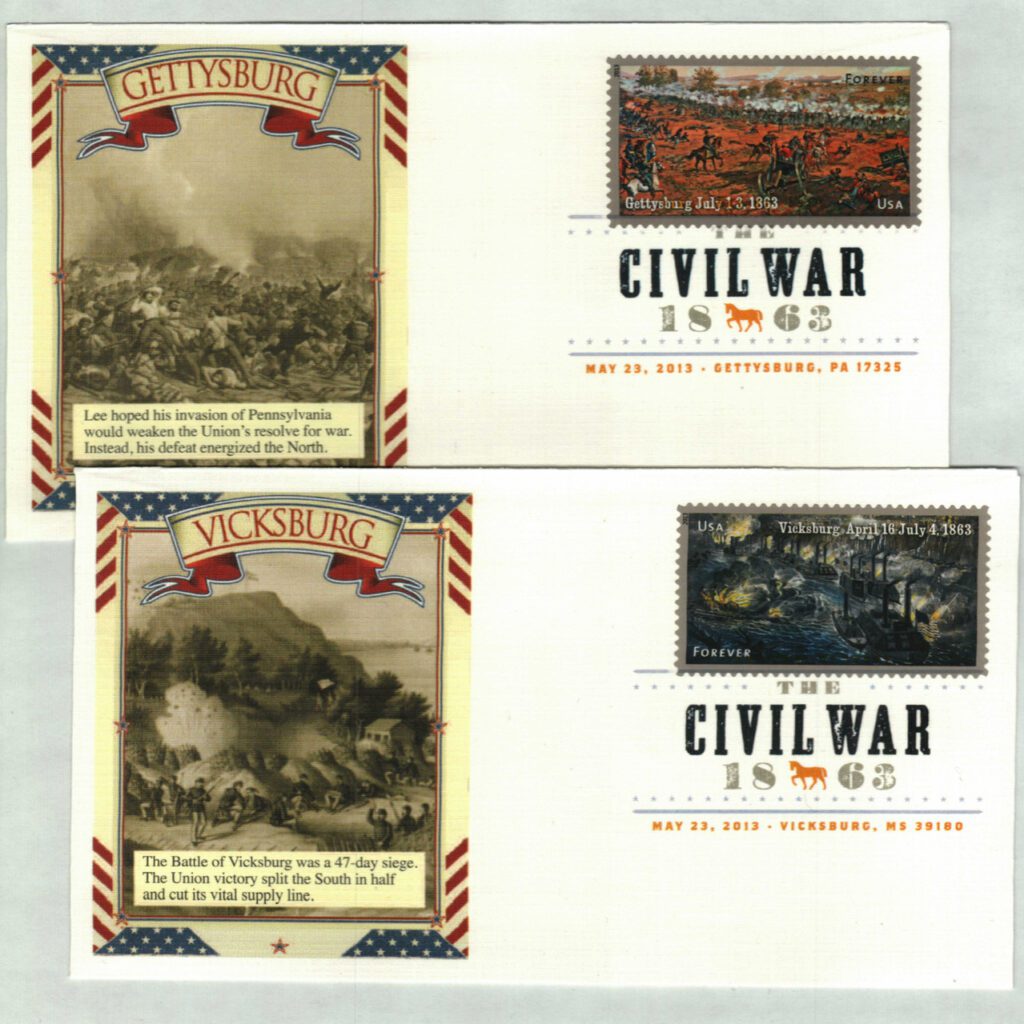
After those failures, Grant changed tactics. He settled into a siege. Union troops dug trenches closer and closer to the Confederate lines. Artillery fired into the city from land and river. Union forces cut Vicksburg off from outside supplies and communications. Civilians took shelter in caves dug into the hillsides. Food became scarce. Soldiers ate reduced rations, and some accounts described the use of mule meat and other desperate substitutes like shoe leather.
Pemberton hoped help might come from General Joseph E. Johnston, who was outside the city with another Confederate force, but Johnston made no attempt to break through Grant’s lines. By late June, Pemberton knew his army could not hold out much longer.
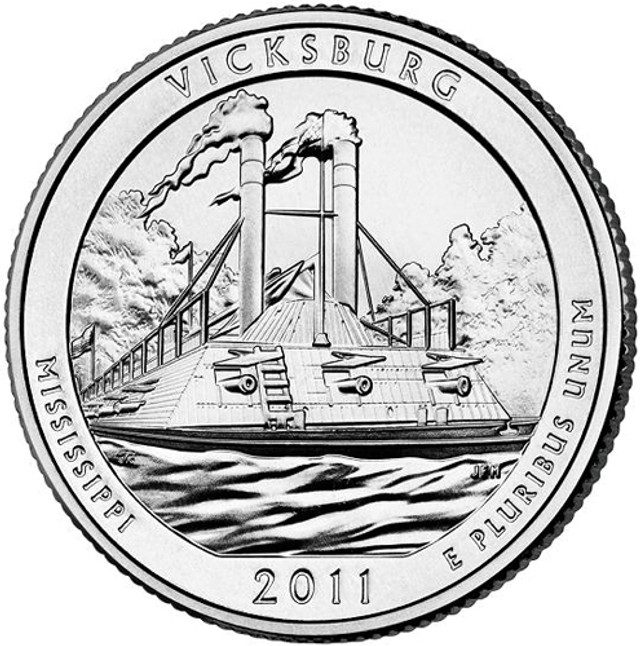
On July 3, Pemberton met Grant to discuss surrender terms. The next day, July 4, 1863, white flags appeared over the Confederate works. The garrison marched out, stacked its arms, and surrendered. The Union captured about 30,000 Confederate soldiers, along with artillery, rifles, and the city itself.
The victory came one day after the Battle of Gettysburg ended in Pennsylvania. Together, the two Union victories marked a major shift in the war. Vicksburg gave the Union control of the Mississippi River. When Port Hudson, Louisiana, surrendered a few days later, the river was open from the Midwest to the Gulf of Mexico. Lincoln received the news and said, “The Father of Waters again goes unvexed to the sea.” Grant’s success at Vicksburg also strengthened his reputation, helping lead to his promotion to command all Union armies in 1864.
Click here for more from the Vicksburg National Military Park website.
| FREE printable This Day in History album pages Download a PDF of today’s article. Get a binder or other supplies to create your This Day in History album. |
Discover what else happened on This Day in History.
It hurts to read the loss of life in civil war. Great sad real story of our Nation.
This history is what makes America the greatest nation in the world…
Keep the work
I just kind of reminded of the privileges of being born in USA! Well I think we can put in some effort for the currant war efforts we all need support! Makes me want a Gibson guitar sing and, rejoice! Thank you don! God bless!
The last few so-called wars, conflicts the US has been involved in remind me of the Vietnam war which the politicians refuse to call a war but when the bullets are flying it sure seems like a war, especially when they’re aimed at you. The politicians get all the glory as the people in the fox hole do the politicians dirty work. As a retired Vet, Vietnam era, Dessert Storm and Iraq, I can tell you most of the young soldiers don’t have a clue what they are fighting for. During Vietnam, you were drafted and told to go kill some people in a foreign land. Why they asked? Because they are the enemy you were told. It’s easy to kill someone when you are given permission. To the politicians and the generals it’s all a game, they get the glory while the soldiers and civilians pay the price. Our sons and daughters die so the glory seekers can brag how “they” are our saviors. In reality, it’s all about the money. The people in the fox holes don’t get rich but the people who make and sell the war equipment sure do, while they sit in their big houses and count their money.
The button to download isn’t working for me, had the same problem yesterday?!?
Never-ending, my problem, sorry