Army and Navy Issue
On December 15, 1936, the first of 10 stamps in the Army/Navy Set was issued. The stamps honor 18 military leaders from the Revolutionary War to Spanish-American War.


On December 15, 1936, the first of 10 stamps in the Army/Navy Set was issued. The stamps honor 18 military leaders from the Revolutionary War to Spanish-American War.

Richard Evelyn Byrd was born on October 25, 1888, in Winchester, Virginia. Byrd led three Antarctic expeditions and was the US Navy’s youngest admiral at the time.

On September 28, 1891, author Herman Melville died in his New York City home. While it was a moderate success during his lifetime, Melvile’s novel Moby-Dick is now considered a masterpiece of American literature.
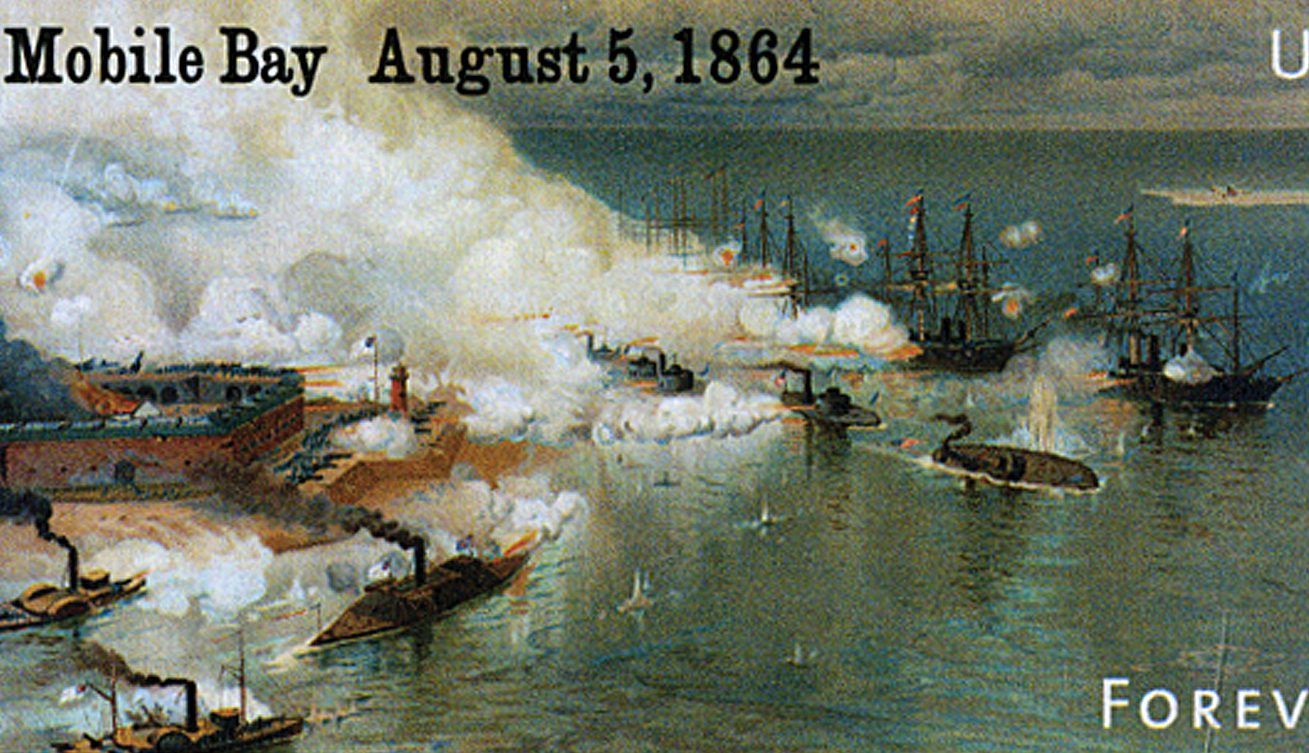
On August 5, 1864, Admiral David Farragut led a successful naval attack that led to a Union victory at Mobile Bay, Alabama. Though the important city of Mobile remained part of the Confederacy, Mobile Bay was in Union hands and closed to blockade-runners.

Journalist and war correspondent Ernest Taylor Pyle was born on August 3, 1900, in Dana, Indiana. America’s most widely read war correspondent, he earned a Pulitzer Prize for Journalism and was one of a few civilians to be awarded the Purple Heart.

On May 30, 1962, the USS Arizona Memorial was officially opened to the public. A tribute to those who lost their lives at Pearl Harbor, it’s visited by two million people per year and is a National Historic Landmark.

On April 1, 1945, the Battle of Okinawa began. Lasting nearly three months, it was the last major battle of the war and the largest amphibious assault in the Pacific.
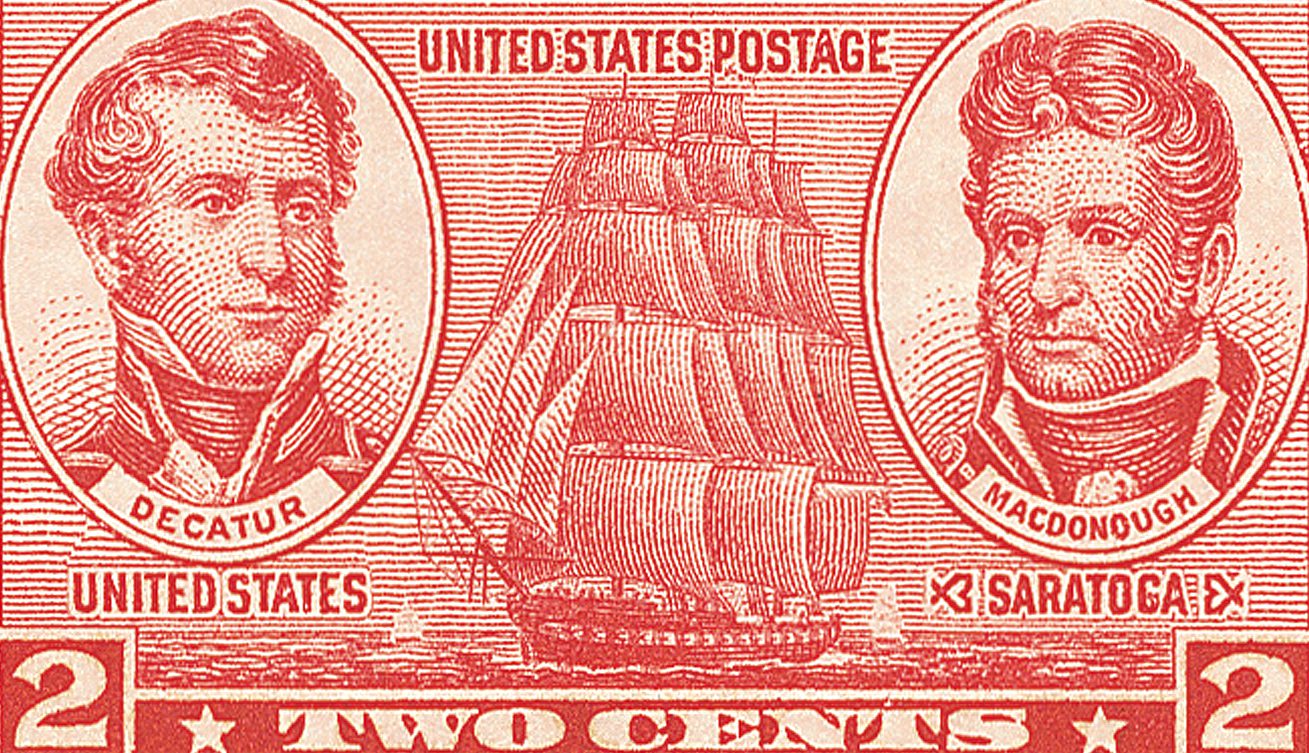
On February 16, 1804, Stephen Decatur led a surprise assault on the captured USS Philadelphia in Tripoli. Part of the First Barbary War, the assault was intended to keep the Tripolitans from salvaging the damaged ship for their own use.
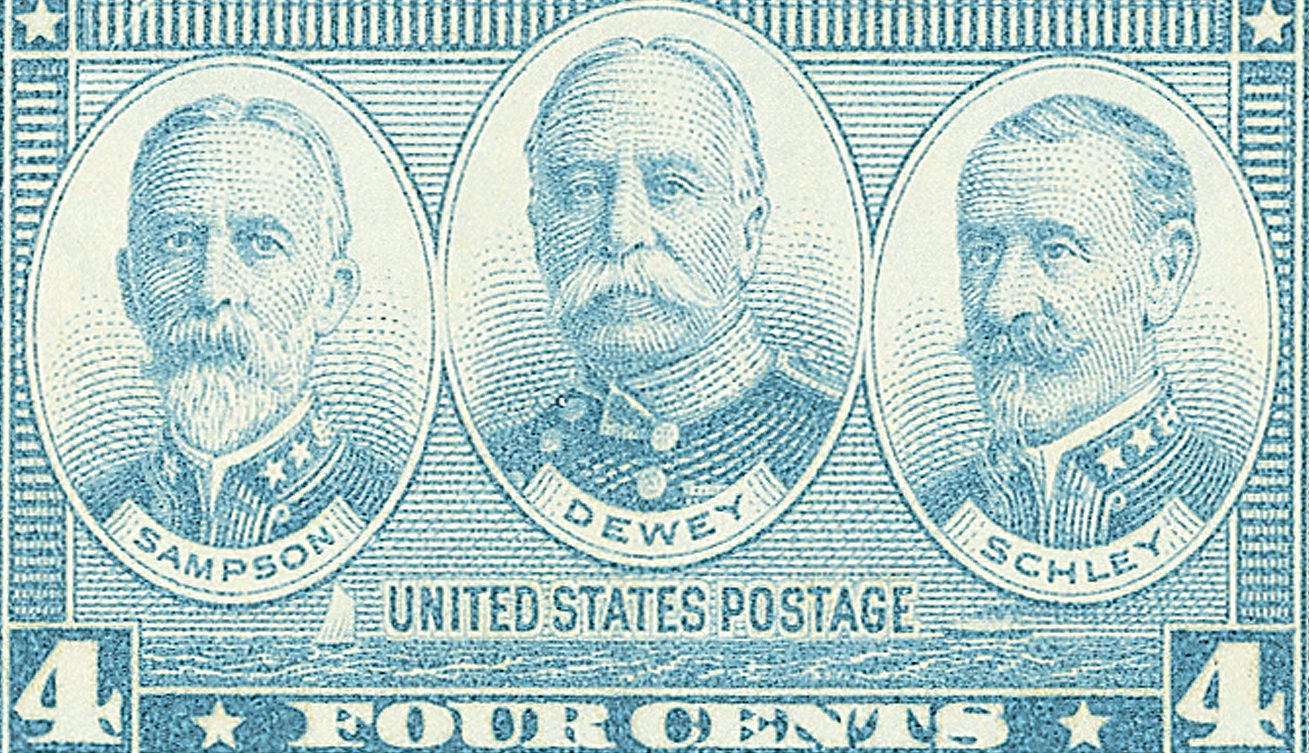
US Navy Rear Admiral William T. Sampson was born on February 9, 1840, in Palmyra, New York. He’s best known for his victory in the Spanish-American War Battle of Santiago de Cuba.