First Run of the Best Friend of Charleston
On December 25, 1830, the Best Friend of Charleston completed its first run. It was the first American-built steam locomotive to haul a train of passenger cars on a public railroad.

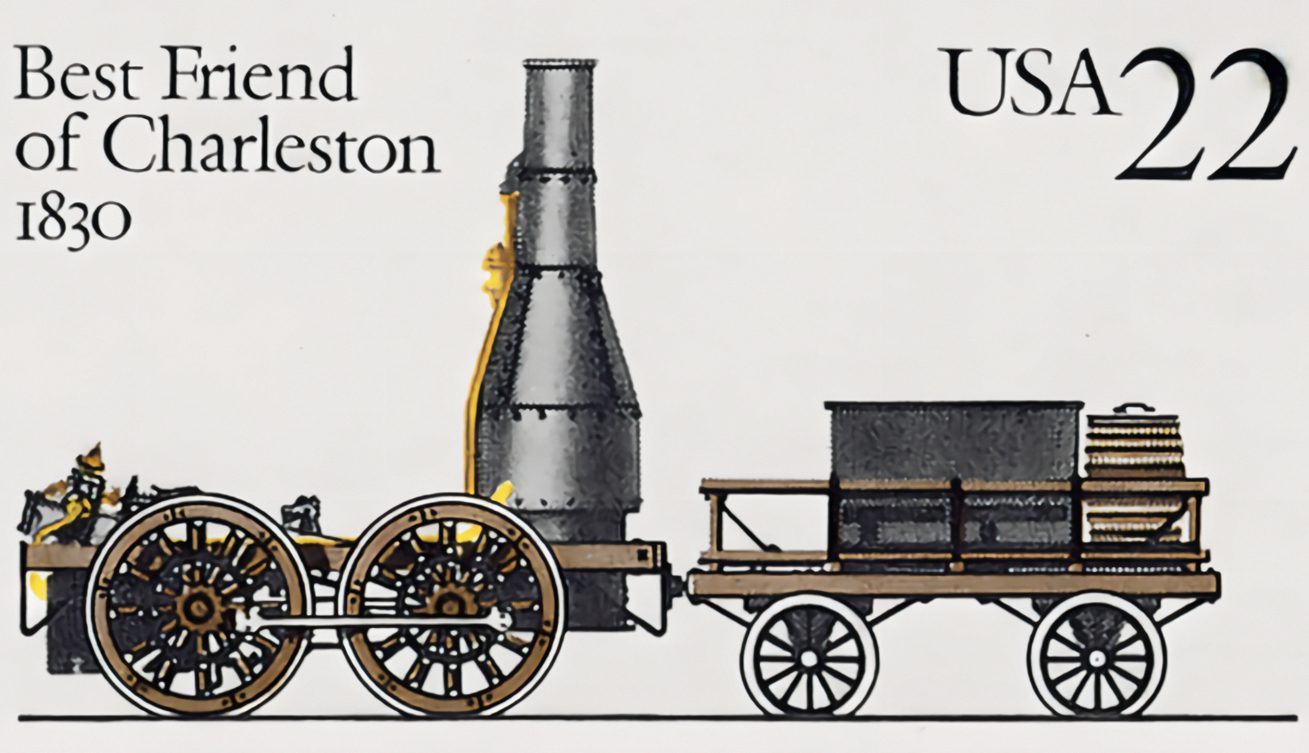
On December 25, 1830, the Best Friend of Charleston completed its first run. It was the first American-built steam locomotive to haul a train of passenger cars on a public railroad.
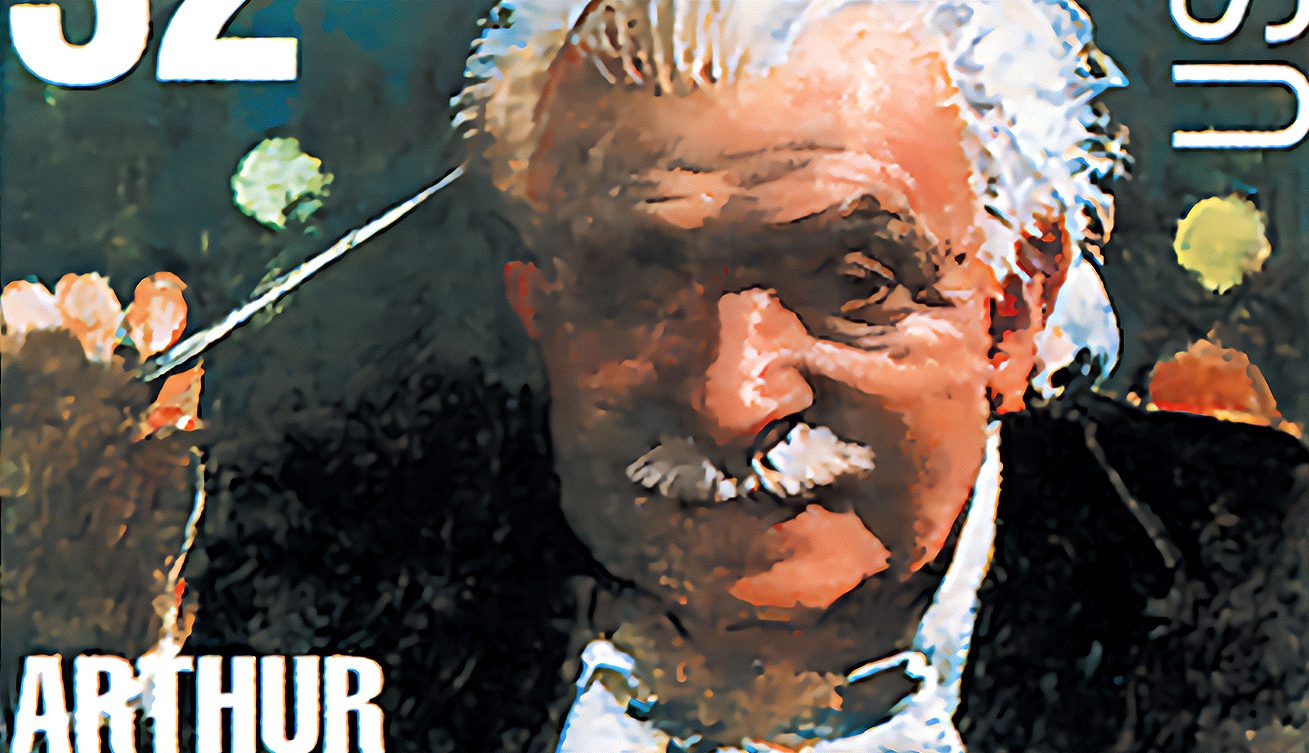
Famed American conductor Arthur Fiedler was born on December 17, 1894, in Boston, Massachusetts. Best known for his long leadership of the Boston Pops Orchestra, Fiedler transformed classical music from a formal concert hall tradition into an experience enjoyed by millions. Through radio broadcasts, recordings, and outdoor performances, he helped make orchestral music accessible, entertaining, and deeply popular in American culture.
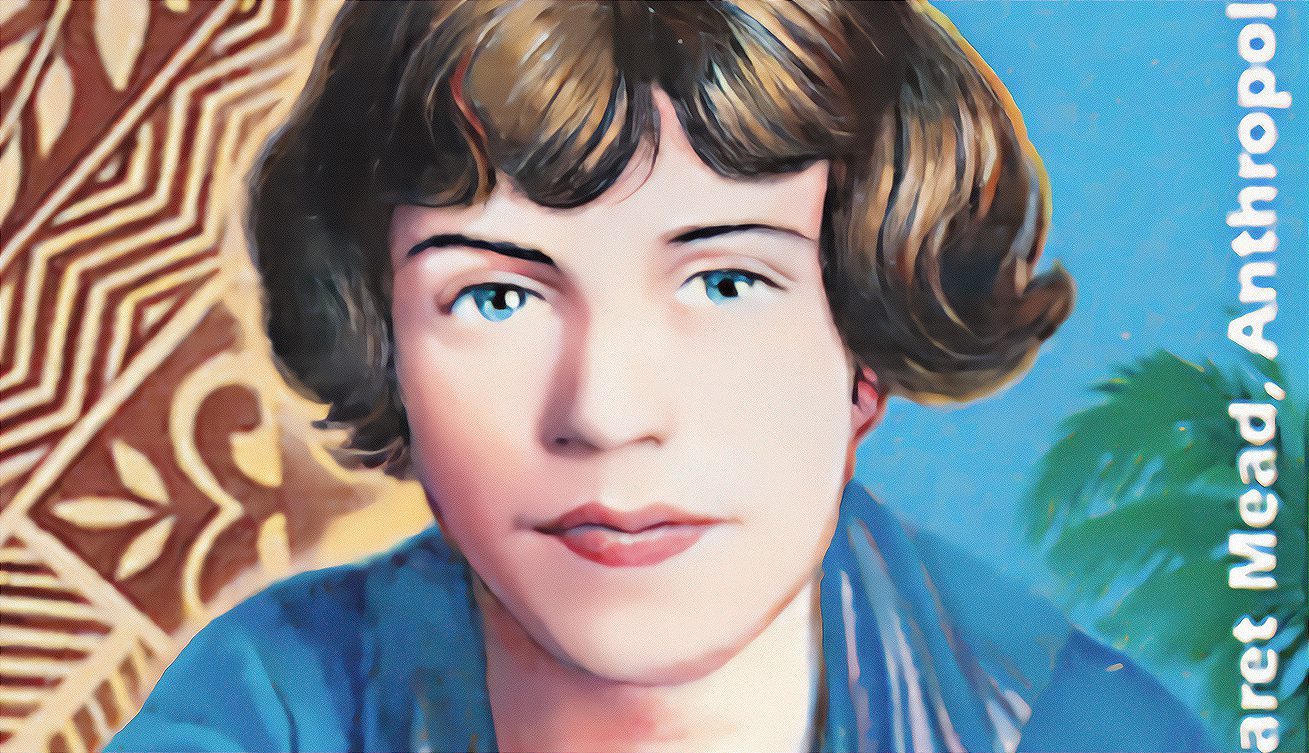
Anthropologist Margaret Mead was born on December 16, 1901, in Philadelphia, Pennsylvania. She would go on to become one of the most influential and recognizable social scientists of the 20th century, known for bringing the study of culture and human behavior to a wide public audience.
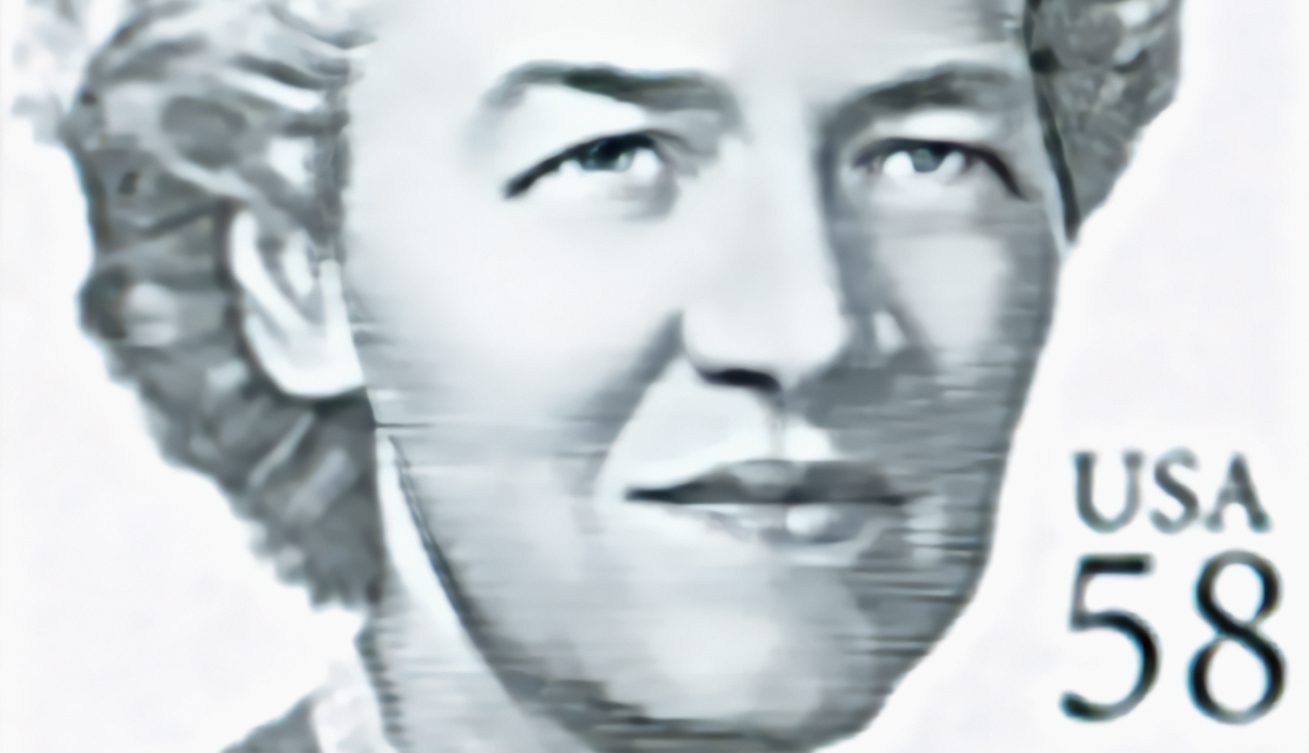
Margaret Madeline Chase Smith was born on December 14, 1897, in Skowhegan, Maine. A trailblazing legislator, she was the first woman to serve in both houses of Congress and was one of the longest-serving female US senators.

World War I hero Alvin Cullum York was born on December 13, 1887, in Pall Mall, Tennessee. One of America’s most decorated soldiers of World War I, York earned the Medal of Honor and Distinguished Service Cross, among others.
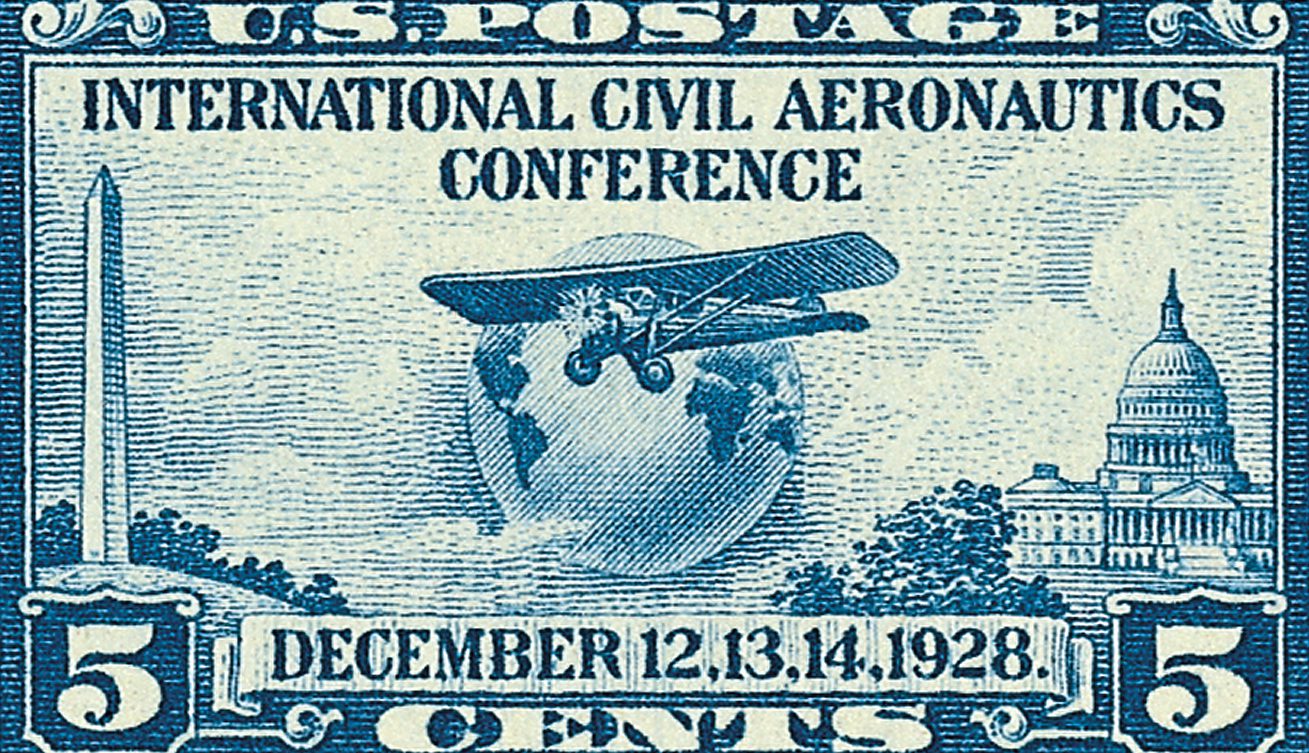
A quarter-century after the Wright brothers first left the ground at Kitty Hawk, the world’s aviation leaders gathered in Washington, DC, to decide just how far—and how fast—human flight could go next. On December 12, 1928, the International Civil Aeronautics Conference opened with a bold mission: to celebrate the past, assess the present, and imagine a future where airplanes would shrink oceans, reshape economies, and bring nations closer together.
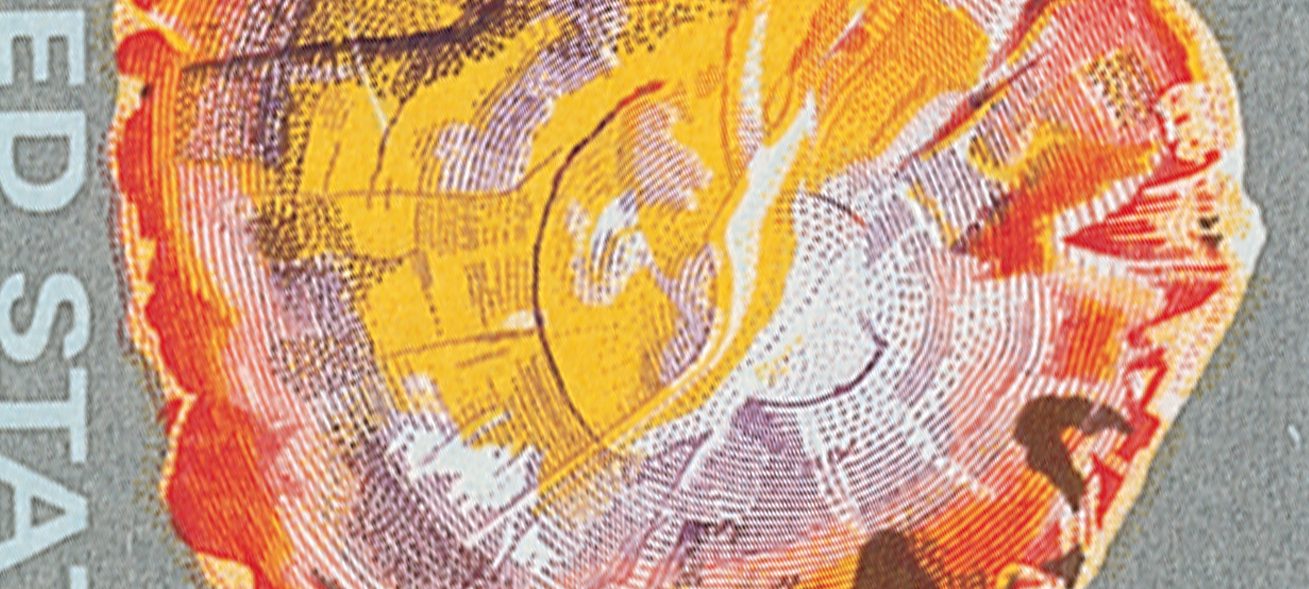
On December 9, 1962, Petrified Forest National Park was officially established, upgrading an already protected landscape into a full national park. The designation ensured stronger protection for its fossil-rich badlands, archaeological sites, and striking deposits of petrified wood, and it marked a major milestone in decades of preservation efforts.

On December 8, 1831, the man who shaped one of the most iconic buildings in American history—James Hoban—died in Washington, DC. Although his name isn’t as well known as the presidents who lived in his masterpiece, Hoban’s work left a permanent mark on the nation. As the architect of the White House, he helped design not only a home for America’s leaders but also a symbol of the country’s identity. His life story stretches from rural Ireland to the heart of the young United States, where his talent built the setting for generations of American history.
On December 7, 1787, Delaware was the first state to ratify the U.S. Constitution, making it America’s first state. But its quick decision wasn’t just a race to the finish—it marked the beginning of a new national identity, driven by bold choices, fierce debates, and a vote that helped shape the country we know today.