Roosevelt’s Four Freedoms
On January 6, 1941, President Franklin Roosevelt gave his “Four Freedoms” speech while delivering the State of the Union Address. The Four Freedoms represented America’s goals for a peaceful post-war world.

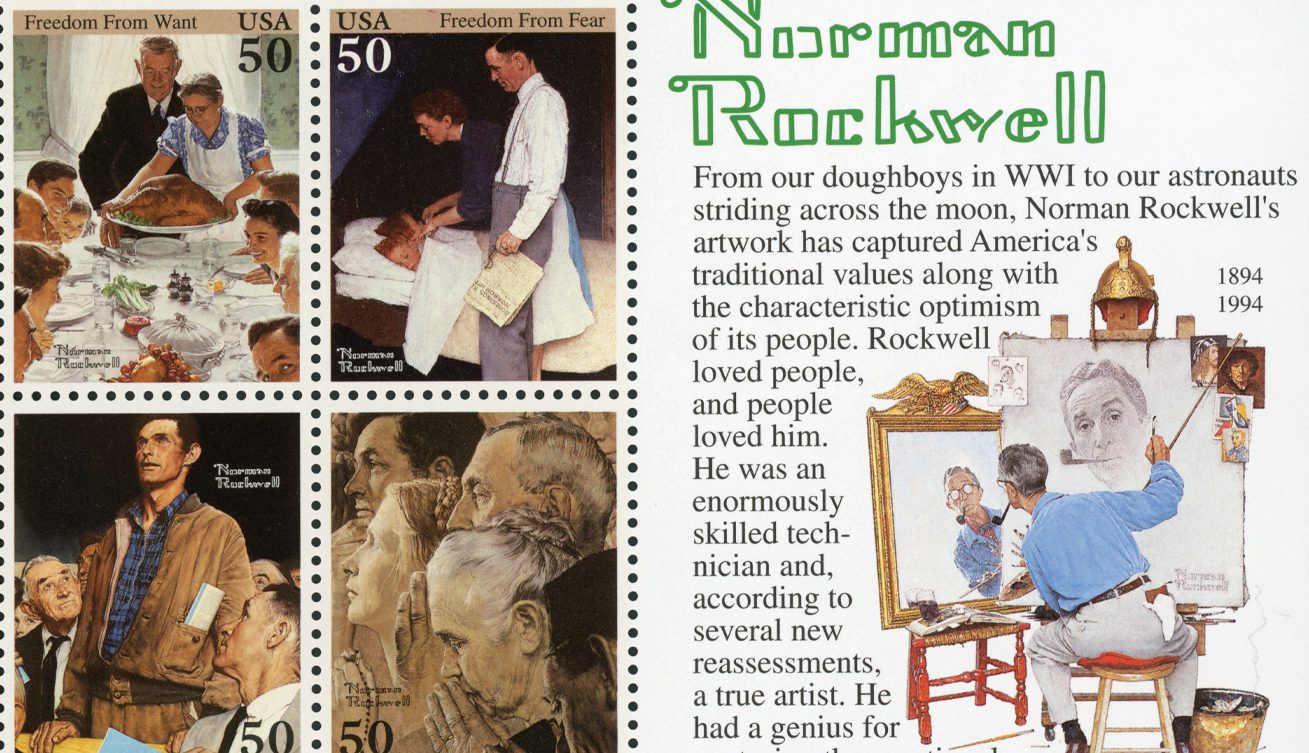
On January 6, 1941, President Franklin Roosevelt gave his “Four Freedoms” speech while delivering the State of the Union Address. The Four Freedoms represented America’s goals for a peaceful post-war world.
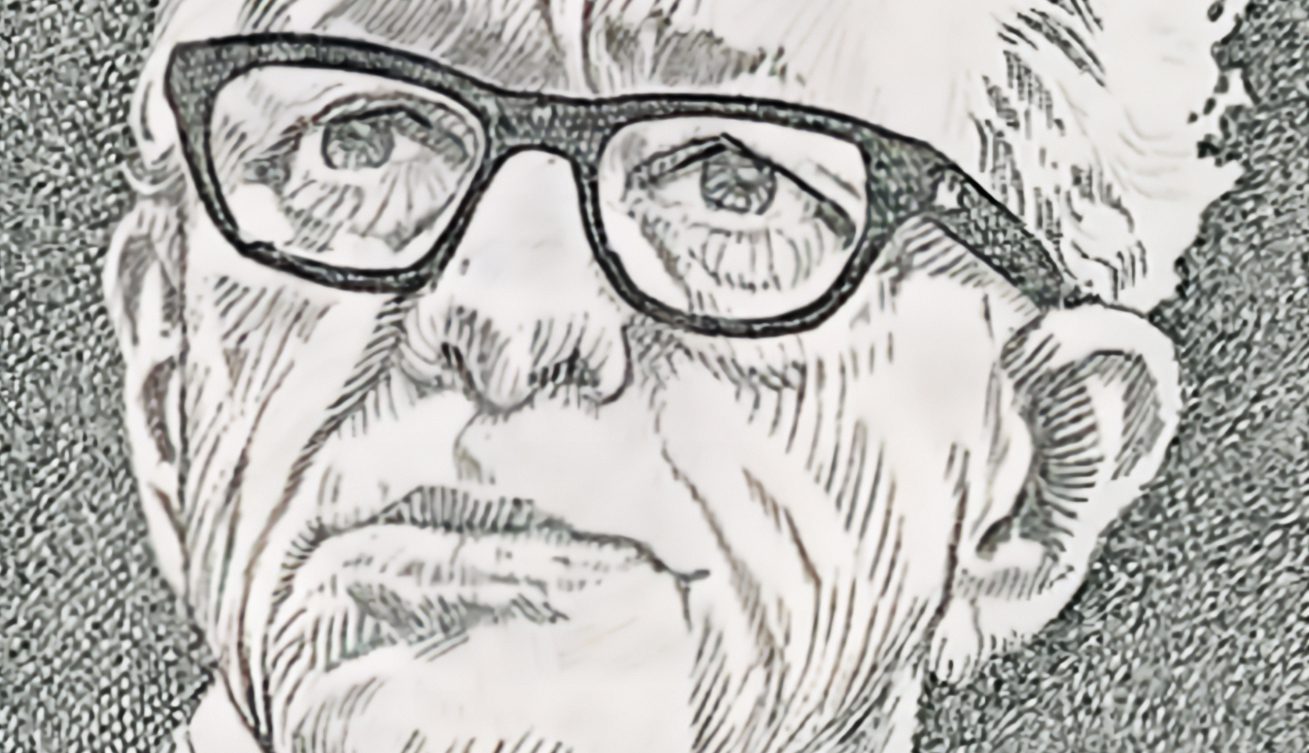
Statesman Everett McKinley Dirksen was born on January 4, 1896, in Pekin, Illinois. He later emerged as a central figure in shaping bipartisan legislation in the US Senate.
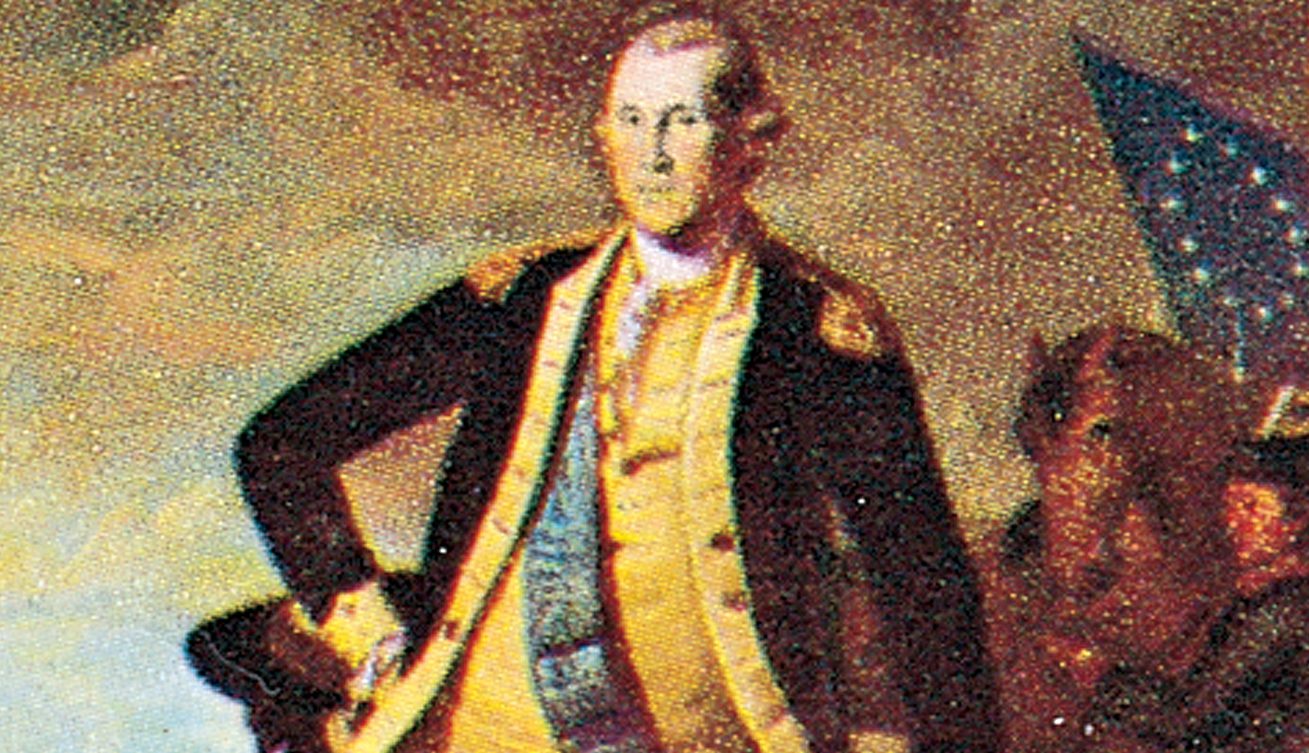
On January 3, 1777, General George Washington earned one of the most important victories of the American Revolutionary War at the Battle of Princeton in New Jersey. Although small in size compared to later battles, the victory came at a critical moment when the Continental Army was struggling, and it helped change the course of the war by restoring American confidence and weakening British control in the region.
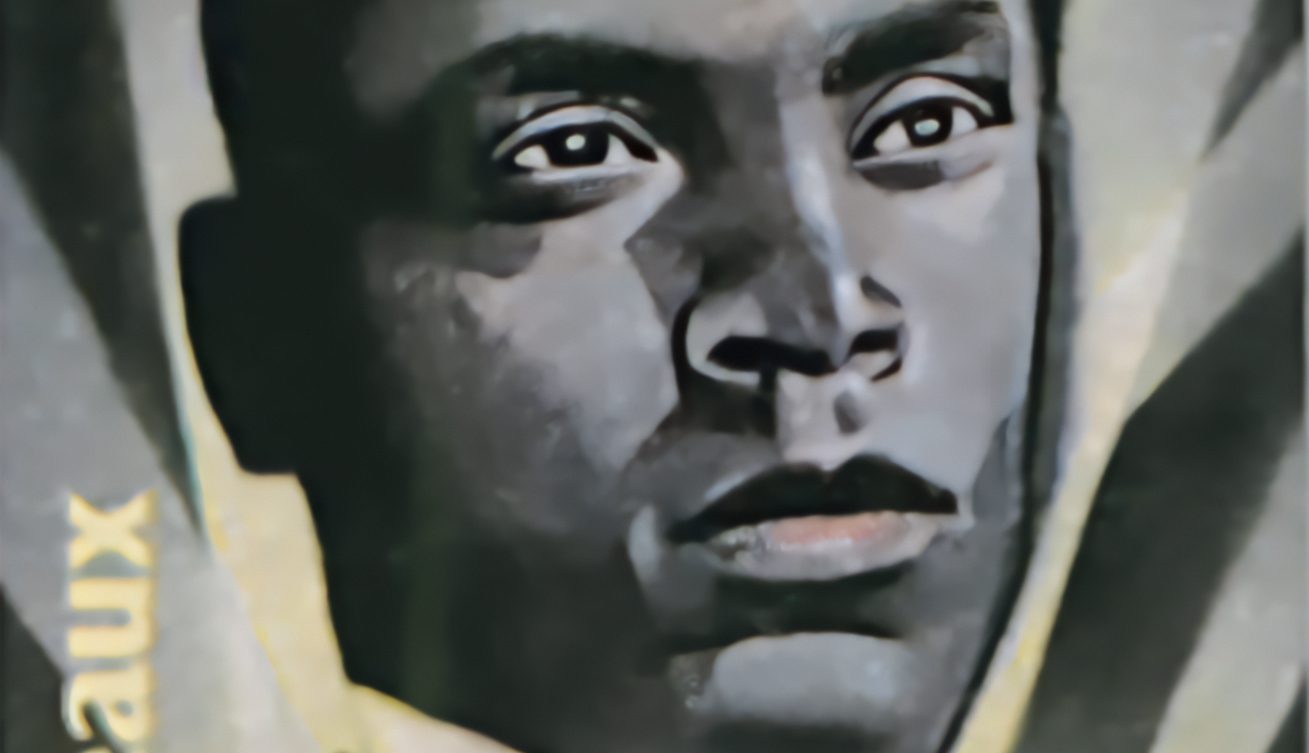
Oscar Devereaux Micheaux was born on January 2, 1884, in Metropolis, Illinois—and he would grow up to change American film forever. As an author, director, and producer, Micheaux became a pioneering voice in early cinema, creating films that challenged racial stereotypes and told powerful Black stories at a time when few such voices were allowed on screen.
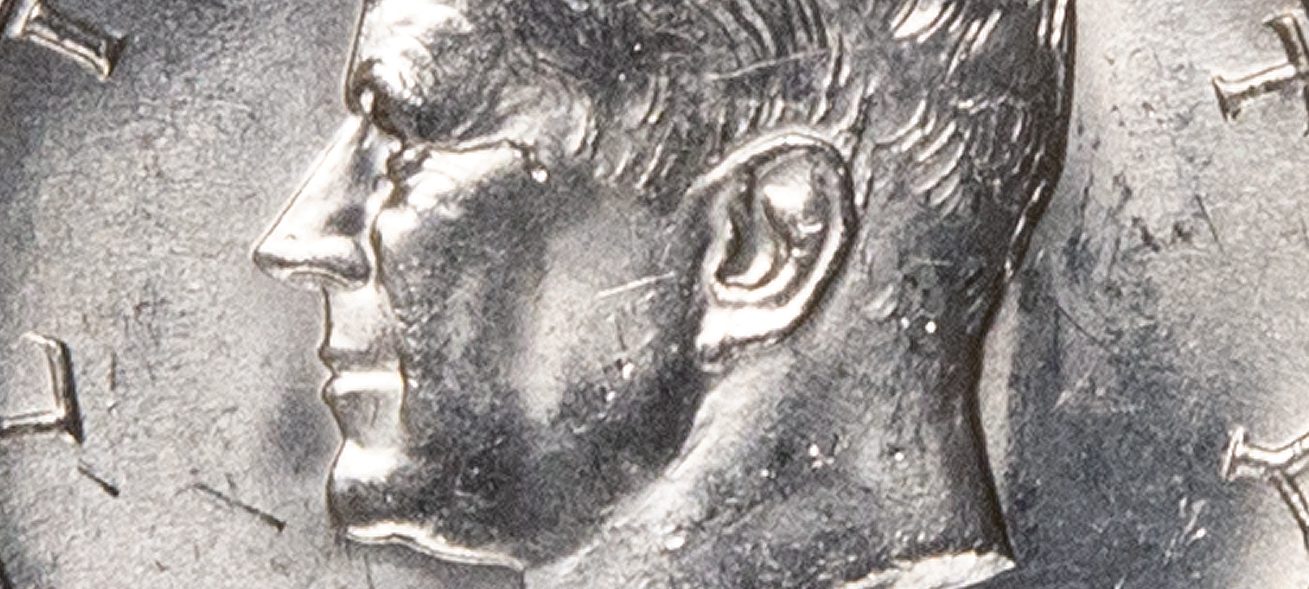
On December 30, 1963, just weeks after the nation was shaken by the assassination of President John F. Kennedy, Congress passed a bill approving the creation of a new half dollar coin bearing his likeness. This decision came a full ten years before a redesign of the half dollar was legally required, showing how strong the desire was to honor the fallen president as quickly as possible.
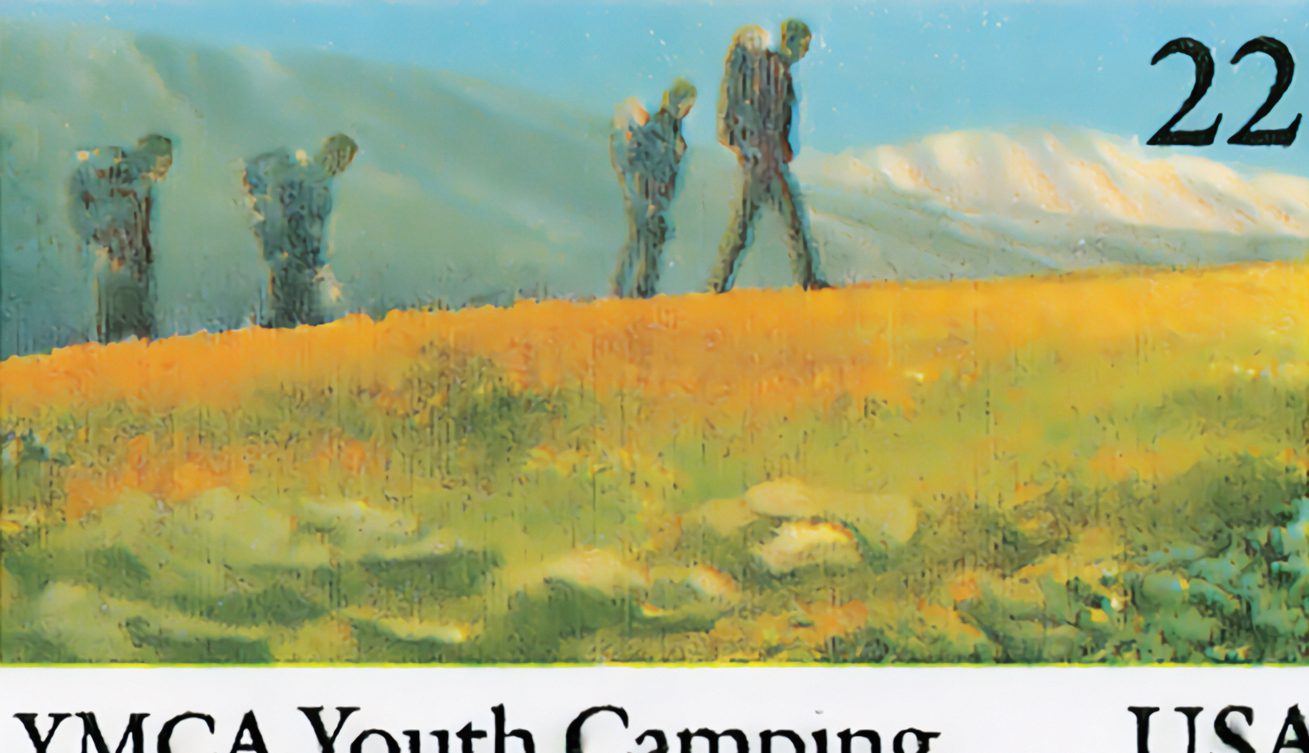
On December 29, 1851, Thomas V. Sullivan helped establish America’s first Young Men’s Christian Association, or YMCA, in Boston. What began as a small effort to guide and support young men soon grew into one of the most influential community organizations in the world. The YMCA’s early history reflects the challenges of rapid industrial growth and the desire to provide safe, healthy alternatives for people facing difficult urban conditions.

On December 28, 1846, Iowa was admitted to the Union as America’s 29th state. Known today for its rolling farmland and strong agricultural traditions, Iowa’s path to statehood was shaped by Native American history, European exploration, westward expansion, and economic change. Over time, the region transformed from Indigenous homeland to frontier territory and finally into a modern state with a diverse economy.
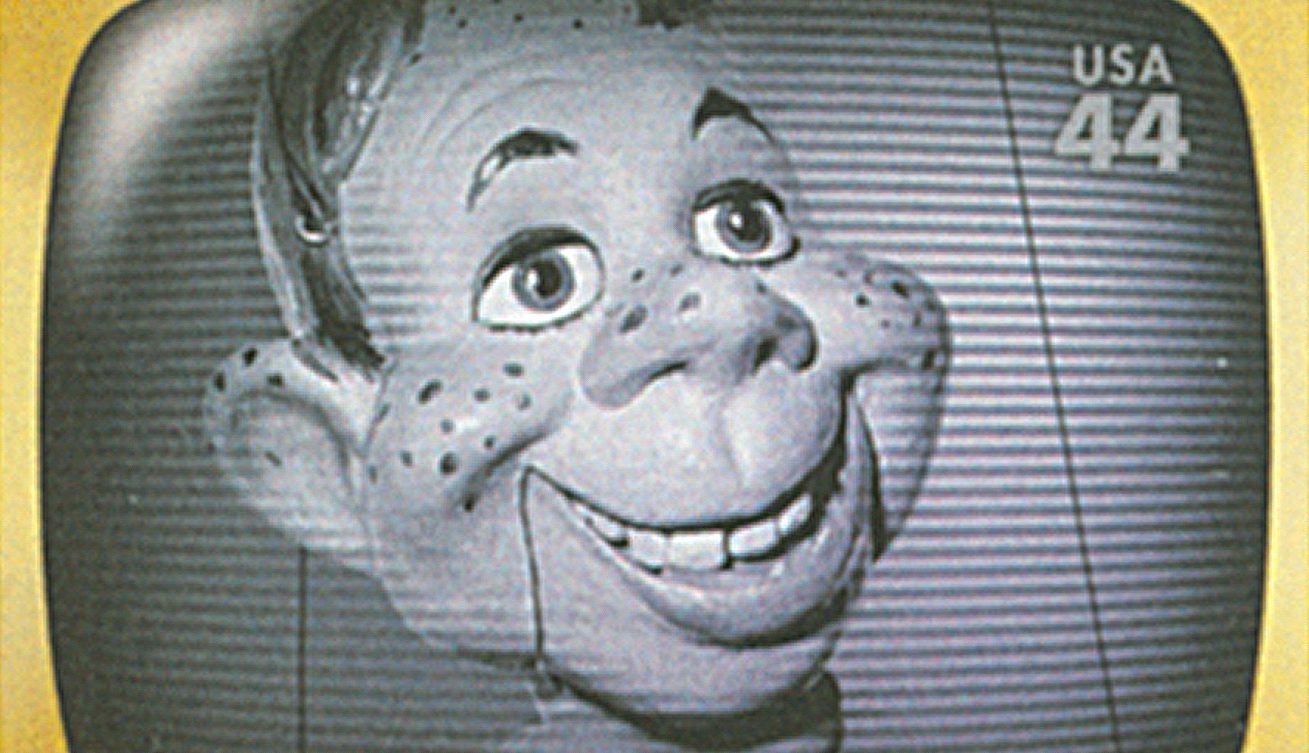
On December 27, 1947, Howdy Doody made his television debut on a program called Puppet Playhouse, marking an important moment in early TV history. The cheerful, freckle-faced marionette quickly became one of the first true stars of children’s television. At a time when television itself was still new, Howdy Doody helped shape what kids’ programming could be—and proved that television could be a powerful force in American family life.

On December 26, 1972, America’s 33rd president, Harry S. Truman, died, closing the chapter on a leader who had guided the nation through the final days of World War II and the uncertain dawn of the Cold War. Plainspoken and decisive, Truman rose from humble beginnings to make some of the most consequential choices in US history—decisions that reshaped America’s role on the world stage and still spark debate today.